
In the manuscripts I critique, I often come across odd phrases like “my spine pressed into my throat” and “fear twisted my ribcage.” And I worry for the characters subjected to these tortures. Spines should not migrate. Ribcages should maintain rigidity.
These phrases are meant to be figurative, of course, a way to exaggerate the physical sensations that accompany emotion.
But more realistic—or at least more intuitive—ways of describing emotion can better help us relate to what a character is experiencing.
Let’s look at some examples of scenes in which the writer has conveyed emotion in confusing or awkward ways. Then, let’s try three different approaches to conveying characters’ emotions in ways less likely to evoke horror.
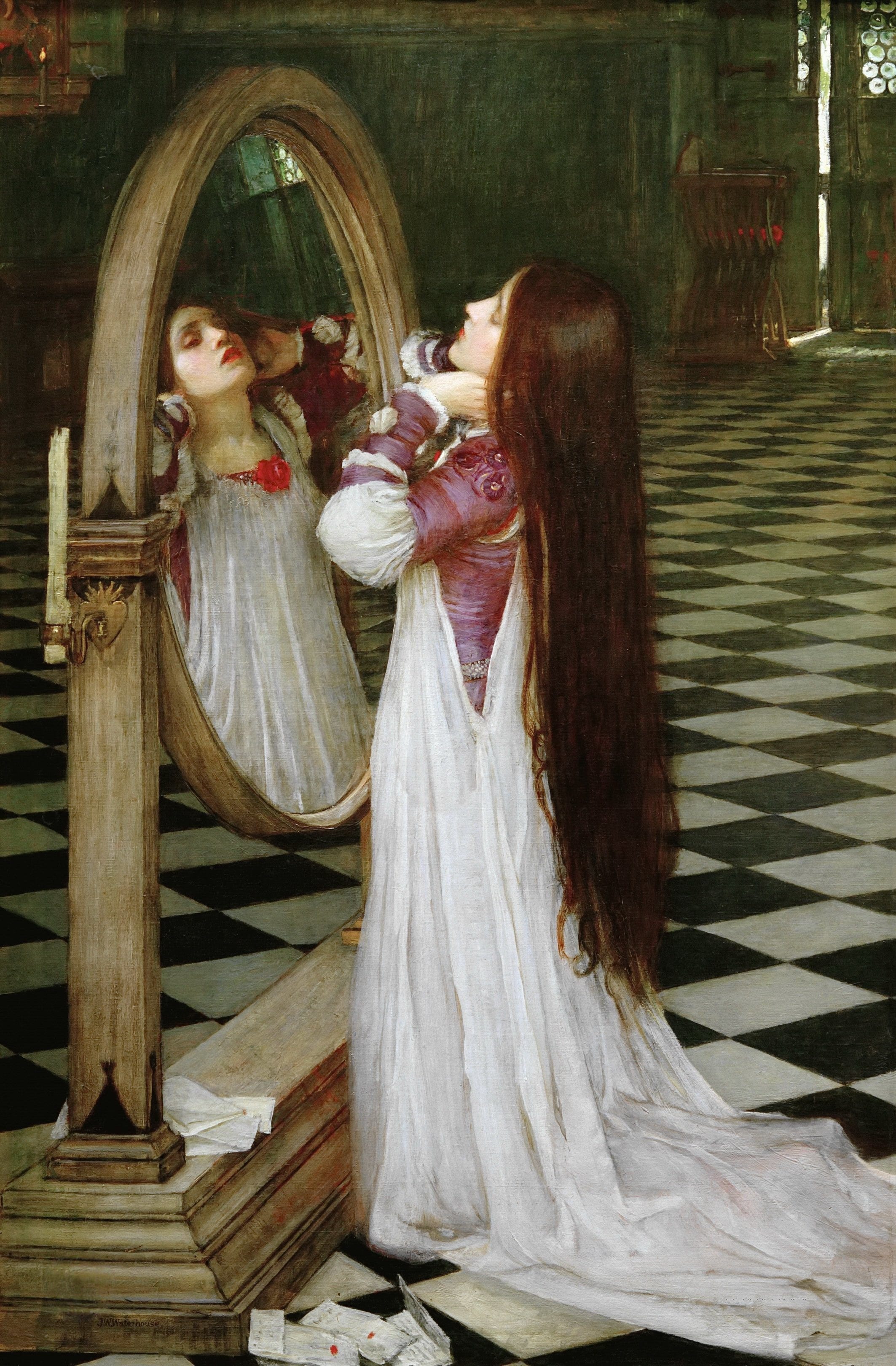
It’s great to find unique ways to describe physical sensations that accompany emotions. But those descriptions need to feel intuitive to readers (“Yes, that’s exactly how I feel when I’m angry/sad/embarrassed!”).
Take a look at this scene, in which a woman studying medicine has a tense conversation with her ex-boyfriend about their other relationships:
Comments
Nothing yet. Say the first thing.
Sign in to join the conversation.