

There’s a moment in almost every restaurant opening where it’s time to throw a party. Not the opening party — that’s already planned. A preview party. A friends-and-family night with a hashtag. We’ve watched this happen enough times to know how it ends. It doesn’t ONLY end with buzz. It ends with corrections — a quiet menu update, a signage revision, a new staff uniform that the first wave of guests never sees — and a brand that spends its first months in business trying to overwrite a first impression it made before it was ready.
The soft launch is not necessarily a warm-up act. Done right, it might be the most strategic thing you can do with the weeks before you open. Done wrong, it’s a dress rehearsal in front of an audience that doesn’t forgive improv.
The operational purpose of a soft launch is obvious: you stress-test the kitchen, you find the dead zone in the floor plan, you figure out that table six is directly beneath a vent and will be uncomfortable for the rest of the restaurant’s natural life. All of that is legitimate and necessary.
What gets missed is the brand purpose. The soft launch is the window in which the people, the physical space and the visual identity finally meet each other — and they almost never agree on the first try.
The menus come back from the printer slightly off. The neon above the bar is a different weight than the one on the awning. The packaging is stuck in customs. None of this is catastrophic. All of it is fixable. But only if you find it before the room fills with people who are forming their first impression.
The soft launch is when you audit the full picture, not celebrate it... yet.
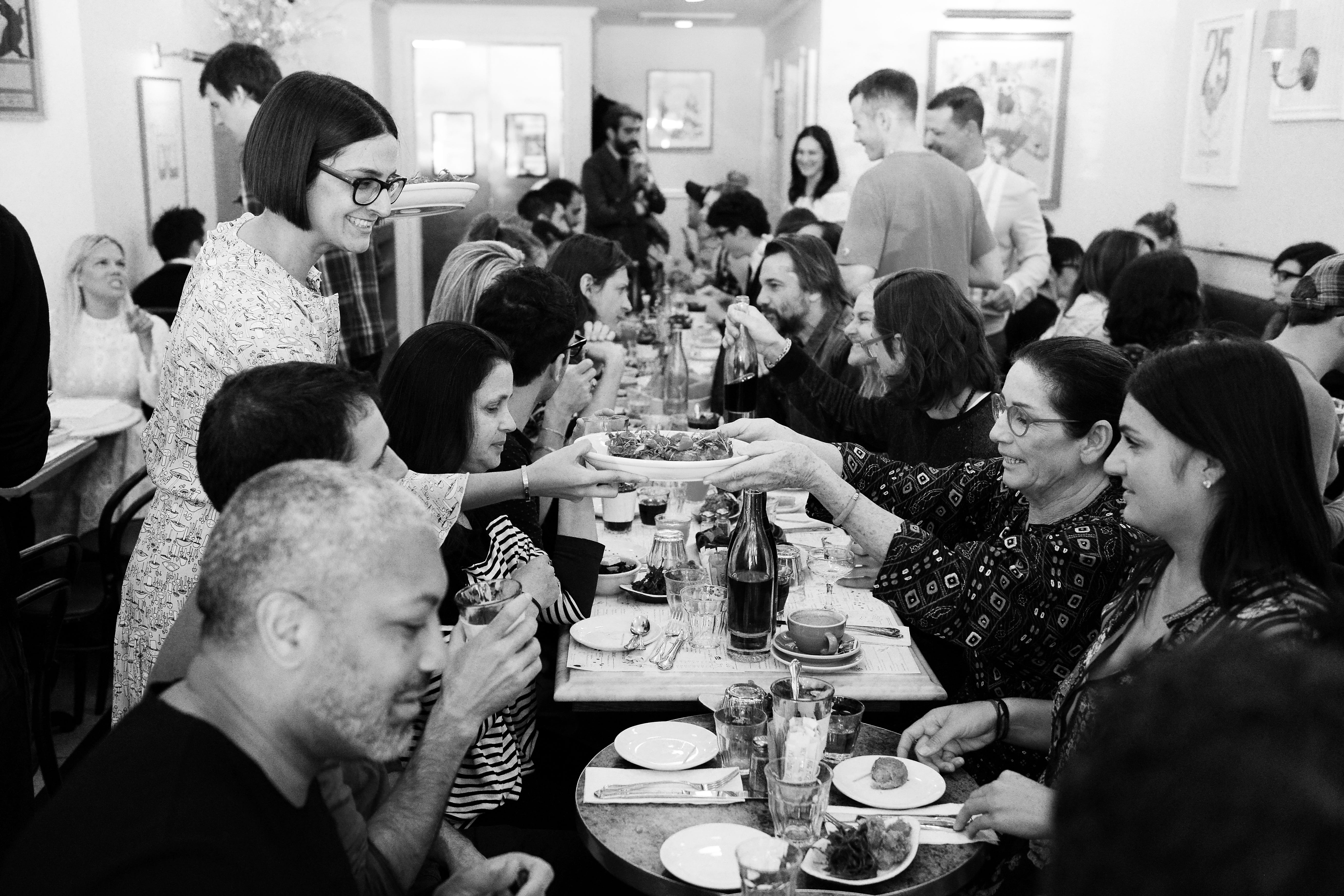
There’s a persistent belief in the hospitality industry that noise equals momentum. That the opening is a launching pad, and more coverage equals more lift. What that logic misses is the difference between attention and conviction.
Attention is easy to get once. Someone posts the room, it looks beautiful, the numbers go up for a week. Conviction is what brings people back and puts you in the group chat when someone asks for a dinner recommendation six months later. Conviction is built slowly, through consistent experience — the food, the service, and yes, the way everything looks and feels in the room, including the thing the guest doesn’t consciously notice but would miss if it were gone.
An opening that prioritizes conviction over attention looks quieter from the outside. It moves at the pace of the brand getting right, not the pace of the announcement cycle. It holds the press preview until the room is actually the room. It doesn’t post the signage until the signage is finished.
This is hard. There’s real pressure to prove the project is real, to validate the investment, to let the people who believed in it see it exist. We understand the impulse. We’re also saying that the brands we’ve worked with that resisted it opened stronger, held steadier, and spent less time in the first year trying to correct a first impression they made before they were ready.
A first impression that needs correcting doesn’t disappear — it circulates. Every guest who finds you after you’ve fixed the thing still arrives carrying some version of before. That’s not a PR problem. It’s an operational one, and it costs more to undo than it would have cost to wait.
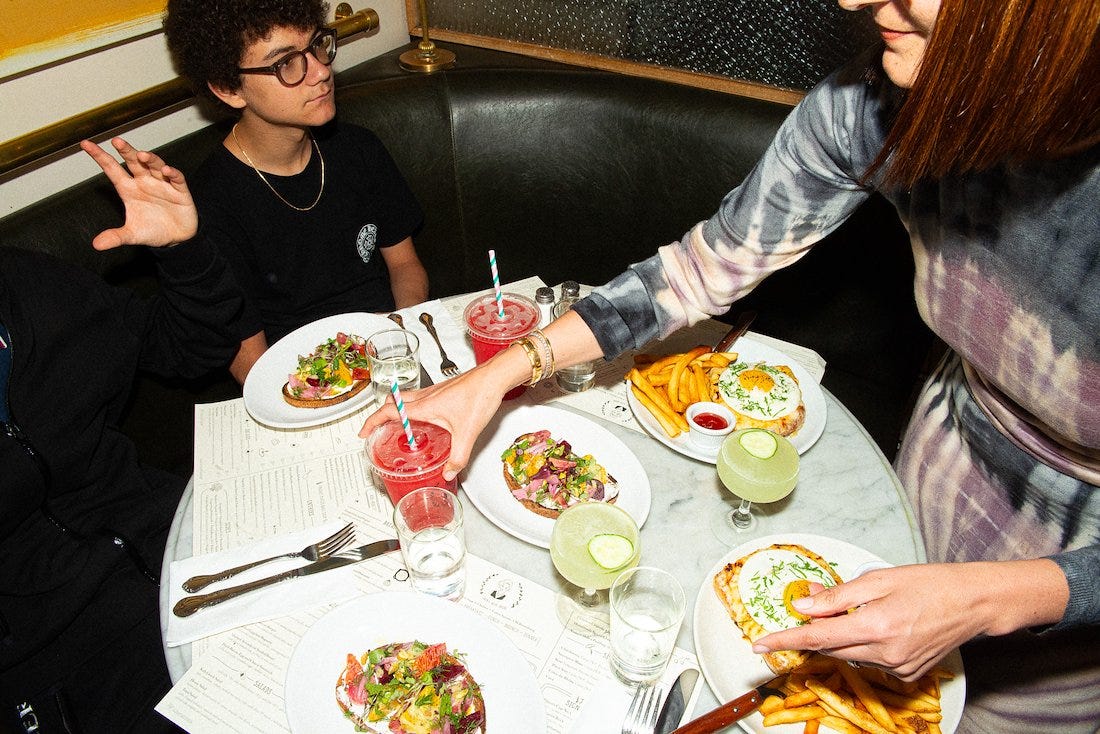
Ready is not perfect. Perfect doesn’t exist in a restaurant opening, and any studio that implies otherwise is selling you something.
Ready means the dish that wasn’t quite there in week one is the dish now. The sauce that needed another two weeks got them. The kitchen has run the menu enough times that the food coming out on a busy Friday is the food the chef intended — not a close approximation of it under pressure.
Ready means the brand identity is executed throughout the room — that the mark on the menu and the mark above the door are the same mark, that the language on the wall and the language on the website are coming from the same voice, that the object a guest picks up off the table feels like it belongs to the same world as the object behind the host stand.
Ready means everything holds under pressure — that when the room is full and loud and the printer runs out of the right paper stock, you know what the fallback is, because you tested it.
Ready means the story you’re about to tell publicly is the story you actually want to tell, not the story you had when you filed the permits.
The soft launch is where you find the distance between all the parts and close it. Make a scene after that.
No posts
Comments
Nothing yet. Say the first thing.
Sign in to join the conversation.