
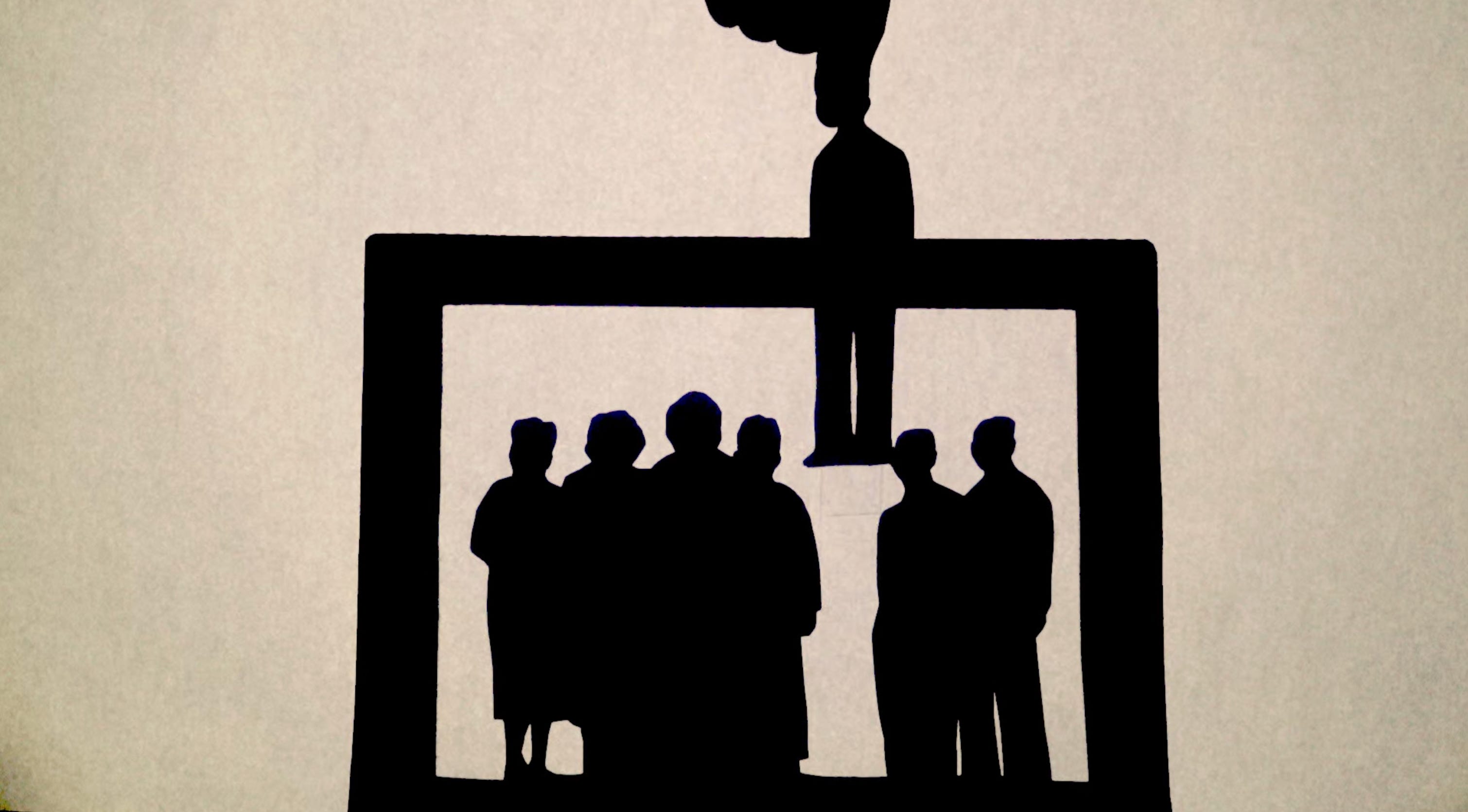
Yesterday, we gathered for the very first panel screening of Spring Breeze, Taiwan. Even though the film is still a work-in-progress, the room was filled with an energy that left us all a bit breathless.
昨天,我們舉辦了《小島春風》(Spring Breeze, Taiwan)的第一次放映與座談。雖然這部片仍處於後期製作階段(work-in-progress),但整個放映廳裡凝聚的能量,讓在場的每個人都感到有些屏息。
🎬Watch the film in progress (看製作中紀錄片的連結)
https://payhip.com/b/Ox0Nw
This short piece is a vital chapter of a larger project I began a decade ago called HEAR, EAT, HOME. That journey started during my ten years working at a community television station in New York City, where my daily job was simply to talk to neighbors. In a city like this, you quickly become immersed in the rich, complex diaspora. I was deeply inspired by Syrian artists who wove the heavy stories of their homeland into exquisite art, and I felt a quiet urge to do the same.
這部短片是我十年前開啟的長片計畫《HEAR, EAT, HOME》中,非常重要的一個章節。這段旅程始於我在紐約一家社區電視台擔任專題製作人的十年時光,那時我的日常工作就是去和鄰居們聊天。在紐約這樣一個每個人都來自不同地方的城市,你很快就會浸潤在極其豐富且複雜的離散經驗中。當時我深受幾位敘利亞藝術家的啟發,看著他們用極致的音樂與視覺藝術交織出家鄉沉重的歷史故事,這讓我心中隱隱升起一股渴望,想做同樣的事。
Years later, a viewer looked at me during a screening and asked a question that stuck in my throat: “Why is there no Taiwanese story here? Why not your own community?”
幾年後,在一場粗剪放映會上,一位觀眾看著我,提出了一個卡在我喉嚨裡的問題:「這裡面為什麼沒有台灣的故事?為什麼沒有你自己的社群?」
I realized then that I had been avoiding my own backyard. The spark to focus specifically on the 228 Incident and the ensuing White Terror actually came from the younger generation. Watching my nephew struggle with how to explain what it even means to be Taiwanese to his peers mirrored the exact childhood isolation felt by our guest speaker, the graphic novelist Li-Chin Lin.
那時我才意識到,自己一直在刻意避開自己的後院。而讓我決定將鏡頭對準二二八事件與隨之而來的白色恐怖的火花,其實是來自年輕一代。看著我的外甥在同儕面前,不知該如何解釋「什麼是台灣人」的那種困惑與掙扎,正深刻對應了我們座談嘉賓——漫畫家林莉菁小時候所經歷的孤立感。
When Taiwanese people talk about the “White Terror,” it is easy to treat it as a localized piece of Taiwanese political shorthand. But the term is universal, with a historical pattern recorded across the globe—from the French Revolution to the Spanish Civil War, Hungary, Greece, and South Korea. Too many to be mentioned.
當台灣人談到「白色恐怖」時,很容易把它當作台灣歷史特有的政治簡稱。但事實上,這個詞是普世的。歷史在世界各地都記錄了相同的威權運作模式——從法國大革命、西班牙內戰,到匈牙利、希臘,以及韓國,繁不及載。
During the panel, Li-Chin Lin spoke about growing up under the KMT dictatorship in the south of Taiwan. She shared a vivid childhood memory from the late 1970s: she lived in a strictly Taiwanese-speaking region, yet the school system violently mandated Mandarin. After she mastered the state-approved language, a local shopkeeper heard her speaking and asked if her family was from China. It was the first time the ground gave way beneath her feet, leaving her utterly confused about who she was.
在座談中,林莉菁分享了她在台灣南部國民黨獨裁統治下長大的經歷。她分享了一個 1970 年代末期深刻的童年記憶:她生活在一個純台灣話(台語)的環境,學校卻用暴力的方式強行規定只能講國語。當她終於學好了官方認可的語言、成為一個「乖學生」後,一位本地雜貨店老闆聽見她講話,卻問她家人是不是從中國來的。那是她人生中第一次感受到腳下的土地在動搖,對自己的認同感到無比困惑。
📸 Follow Li-Chin Lin‘s work on Instagram: @lichhin_lim_formosa, Formosa - Éditions çà et là, FudaFudak - Éditions çà et là
The conversation took a chilling turn when Ukrainian filmmaker Lana Shapoval drew parallels to Russia’s current hybrid warfare. Lana grew up in independent Ukraine, yet decades of Soviet-era Russification meant Russian media remained the default landscape—coded as urban and modern, while Ukrainian was dismissed as a “peasant’s dialect” reserved for grandmothers.
當烏克蘭導演拉娜·沙波瓦(Lana Shapoval)將台灣的歷史與俄羅斯現今的混合戰拉出平行線時,對話陷入了一種冰冷的震撼。拉娜在獨立後的烏克蘭長大,然而數十年蘇聯時期的「俄羅斯化」,意味著俄語媒體依然是當時社會的預設地景——俄語被貼上時髦、現代的標籤,而烏克蘭語則被貶低為只有祖父母在講的「農民方言」。這種社會階層劃分,與國語和台語當年的處境如出一轍。
❤️ Support Lana’s documentary project Perfect Goodbye.
Lana recalled recently working on a movie premiere in the US focused on Taiwan’s semiconductor industry. An audience member stood up and insisted there was “no real difference” between China and Taiwan. Lana told us she got chills; it was the exact psychological erasing Russia uses against her people: We are the same people, you do not exist.
拉娜回憶起她最近在美國參與一部關於台灣半導體產業的電影首映會。當時有一位觀眾站起來,堅持認定中國和台灣之間「沒有任何實質區別」。拉娜告訴我們,她當時全身直打冷顫;那正是俄羅斯一直以來用來對付烏克蘭人民、試圖抹除對方主體性的「煤氣燈效應」:我們是同一個民族,你並不存在。
If you take the script of Taiwan’s oral history and replace the word “Taiwan” with the name of another occupied nation, the tragedy remains identical. After the screening, a Polish attendee sent me a message that brought goosebumps to my arms: “We have been through this for all our history in Poland, we have even been erased from the maps. This movie is important to me to make sure the work is done to not let narcissistic, power-hungry people diminish the beauty of humanity.”
如果你把台灣口述歷史的劇本拿過來,把「台灣」兩個字替換成其他被壓迫國家的名字,你會驚覺人類的悲劇在各處竟然一模一樣。放映會結束後,一位波蘭聽眾傳了一則訊息給我,讓我起了滿身雞皮疙瘩,她寫道:「謝謝你們舉辦這個活動。這一切,我們在波蘭的歷史中全都經歷過,我們甚至曾被從地圖上完全抹去。這部電影對我來說非常重要,它提醒我們必須付出努力,不能讓那些自私、渴望權力的強權,去貶低人類的美麗。」
People often ask if making a film like this is an inherently political act. My answer is simple: What I am putting on screen is the unvarnished, personal history of real human beings. I am not being political; I am documenting facts. We talked about the heavy silence of our elders. The grandparent generation stayed quiet because they wanted to shield their children from the terrors they had witnessed. The second generation grew up breathing in that unexplainable, deeply buried anger. Now, the third generation is finally brave enough to look directly at the scars and begin the long process of collective healing—so that the fourth generation can finally be set free from the fear entirely, inheriting a legacy of resilience rather than trauma.
很多人常問,拍一部這樣的電影是否本質上就是一種政治行為?我的回答很簡單:我放在銀幕上的,是真實人類毫無掩飾的個人歷史。我不是在談政治,我是在記錄事實。我們聊到了長輩們沉重的沉默。祖父母那一輩選擇閉口不談,是因為他們想保護孩子免受自己目睹的恐怖所傷害。但創傷並不會因為閉上嘴巴就消失。第二代在呼吸間長大,吸入的都是那些無法解釋、深埋心底的憤怒。而現在,第三代終於足夠勇敢,願意直視這些傷疤,開啟集體療癒的漫長過程——好讓第四代,終於能夠完全從恐懼中解脫,繼承這份韌性的遺產,而不是創傷。
We closed the afternoon by singing “Longing for the Spring Breeze”—the classic song that gave our film its title. It was led by Dominic Wong, a singer from Hong Kong, marking his very first time singing publicly in Taigi. Standing together, we weren’t just performing; we were remembering the specific beauty of our language and honoring what our grandparents carried silently in their hearts.
那天下午的尾聲,我們一同齊唱了《望春風》——這首賦予我們電影標題的經典歌曲。這首歌由來自香港的歌手Dominic黃帶領,這也是他第一次公開用台語獻唱。當我們站在一起,那不僅僅是一場表演;我們是在重新記住我們語言的獨特美麗,並向我們祖父母輩默默藏在心底的歲月致敬。
Spring Breeze, Taiwan is now in its late stages of post-production. We have launched a Legacy Memorial Program, which allows individuals to honor their family members or respected elders by dedicating a place for them in the film’s official credits. For those who wish to champion this history on a grander stage, we also offer Producer Credit options to formally welcome you as a key partner in bringing this universal story to the world.
《小島春風》目前正處於後期製作的最後階段。我們推出了「世代記憶傳承計畫」(Legacy Memorial Program),讓大家可以透過這份支持,在電影的正式片尾字幕中,為自己的家人或受敬重的長輩留下一席之地。同時,對於渴望在國際舞台上推動這段歷史的夥伴,我們亦提供了「製片人聯名選項」(Producer Credit Options),誠摯邀請您以核心夥伴的身分,共同將這個屬於全人類的生命故事帶向世界。
🌳Become part of the journey |歡迎加入「世代記憶傳承計畫」:
https://www.panvideo.net/springbreeze-tw
No posts
Comments
Nothing yet. Say the first thing.
Sign in to join the conversation.