
Russia’s war in Ukraine has settled into a grinding equilibrium in which neither side can win on the battlefield and neither will yet concede at the negotiating table.
Four and a half years after the full-scale invasion, the front line runs for roughly 1,000 kilometres and barely moves. What has changed is everything behind it. The conflict is increasingly decided by drones, oil tankers and the patience of each side’s foreign backers.
On that ledger, 2026 has been a year of small Russian territorial gains purchased at ruinous cost, deepening Ukrainian integration into Europe’s defence industry, and a diplomatic process that keeps producing meetings without producing peace.
Russia’s capture of Pokrovsk and Myrnohrad in early 2026, after more than a year of siege, was meant to open the road west. It did not.
Since December 2025 Russian forces have failed to convert the fall of either city into a breakout, and their assessed main effort for the spring and summer campaign, the fortress town of Kostiantynivka, remains contested.
Vladimir Putin claimed in early July to have seized it; Ukrainian commanders, along with every independent assessment, say Russian presence in the city amounts to small infiltration groups being hunted down block by block.
The open-source monitoring group DeepState logged a net Russian gain of about 12 square miles over four weeks in June, a pace that would take decades to conquer the rest of Donetsk Oblast alone.
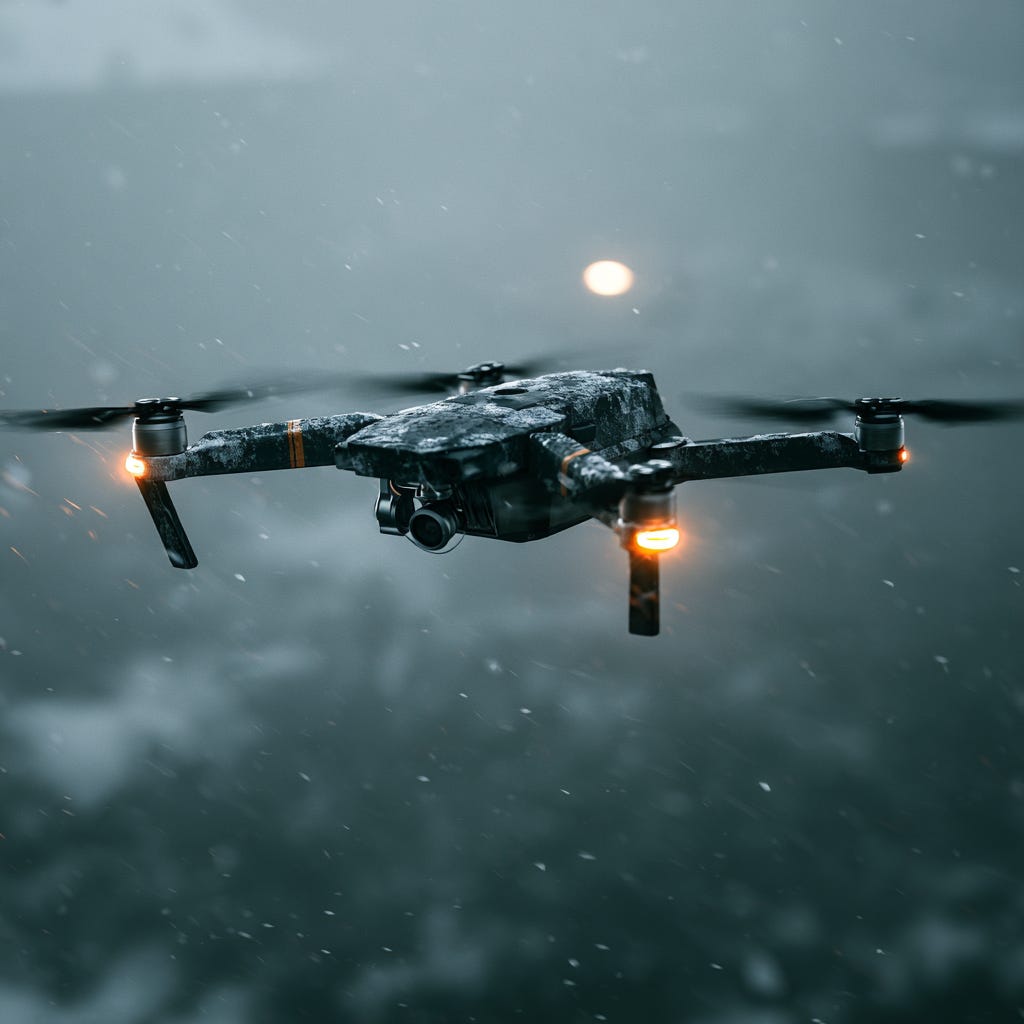
The character of the fighting explains the crawl. Ukrainian commanders report that drones now account for 70% to 80% of Russian strikes at the front, with artillery relegated to bad-weather work.
Both armies have built kill zones tens of kilometres deep in which massed armour cannot survive, so offensives proceed by dismounted infantry filtering through in twos and threes. Attrition, not manoeuvre, sets the tempo.
The deep war is livelier. In late June Volodymyr Zelensky authorised a 40-day campaign by the SBU, Ukraine’s security service, to strike Russian energy and logistics, then extended it in August.
Kyiv claims the operation has disabled around 30% of Russia’s oil-refining capacity and damaged most of the logistics network of Wildberries, Russia’s largest online retailer. Russia has answered in kind against Ukraine’s grid: in January residents of Kyiv spent an average of half of each day without power. Both capitals now treat infrastructure as the decisive theatre.
Diplomacy has been busier than at any point since 2022, and just as inconclusive. Trilateral talks between America, Russia and Ukraine in Geneva in February put territorial questions on the agenda for the first time, and Mr Zelensky signalled willingness to compromise short of sovereignty.
The talks broke on the familiar rocks of territory and security guarantees. In June, Britain, France and Germany issued a joint statement with Mr Zelensky backing direct dialogue, provided any settlement was coordinated with Europe; Moscow called their conditions completely unacceptable within days.
The most intriguing thread is a proposed leaders’ meeting. Mr Zelensky wrote to Mr Putin in June requesting a face-to-face summit with European guarantors at the table, arguing that only heads of state can close the remaining gaps.
Mr Putin told the St Petersburg economic forum he was prepared and willing to…
Comments
Nothing yet. Say the first thing.
Sign in to join the conversation.