Lightelligence set a 383.62% first-day pop on the Hong Kong Exchange in April. The pioneer is shifting focus from 'computing with light' to 'connecting with light', a pragmatic pivot that still faces concentrated customers, slow receivables, falling margins, and supply-chain concerns.
On August 19 at the 2026 World Robot Conference, Xiaomi unveiled its new-generation humanoid robot after four months of real auto-factory training. Continuing the CyberOne 'Tieda' code, the 1.70-meter, 66-kilogram machine with 66 degrees of freedom performed florist interactions without preset scripts, driven by model-based autonomous decision-making.
ByteDance's Coze launched a desktop client that adds a cloud drive and deep screenshot, finally letting agents touch the local computer. It reads and writes local files more easily and auto-recognizes local Codex CLI and Claude Code as agents for greatly enhanced multi-agent collaboration, with models including GLM 5.3, Seedance 2.5, and MiniMax H3.
After open-sourcing the MiniMax H3 video model in early August, MiniMax launched MiniMax Design, a full production workflow that turns H3's generation ability into one that can be continuously edited, collaborated on, and delivered. Described as a video model's Codex, it organizes professional capabilities into executable nodes and drives H3, image, music, and voice models.
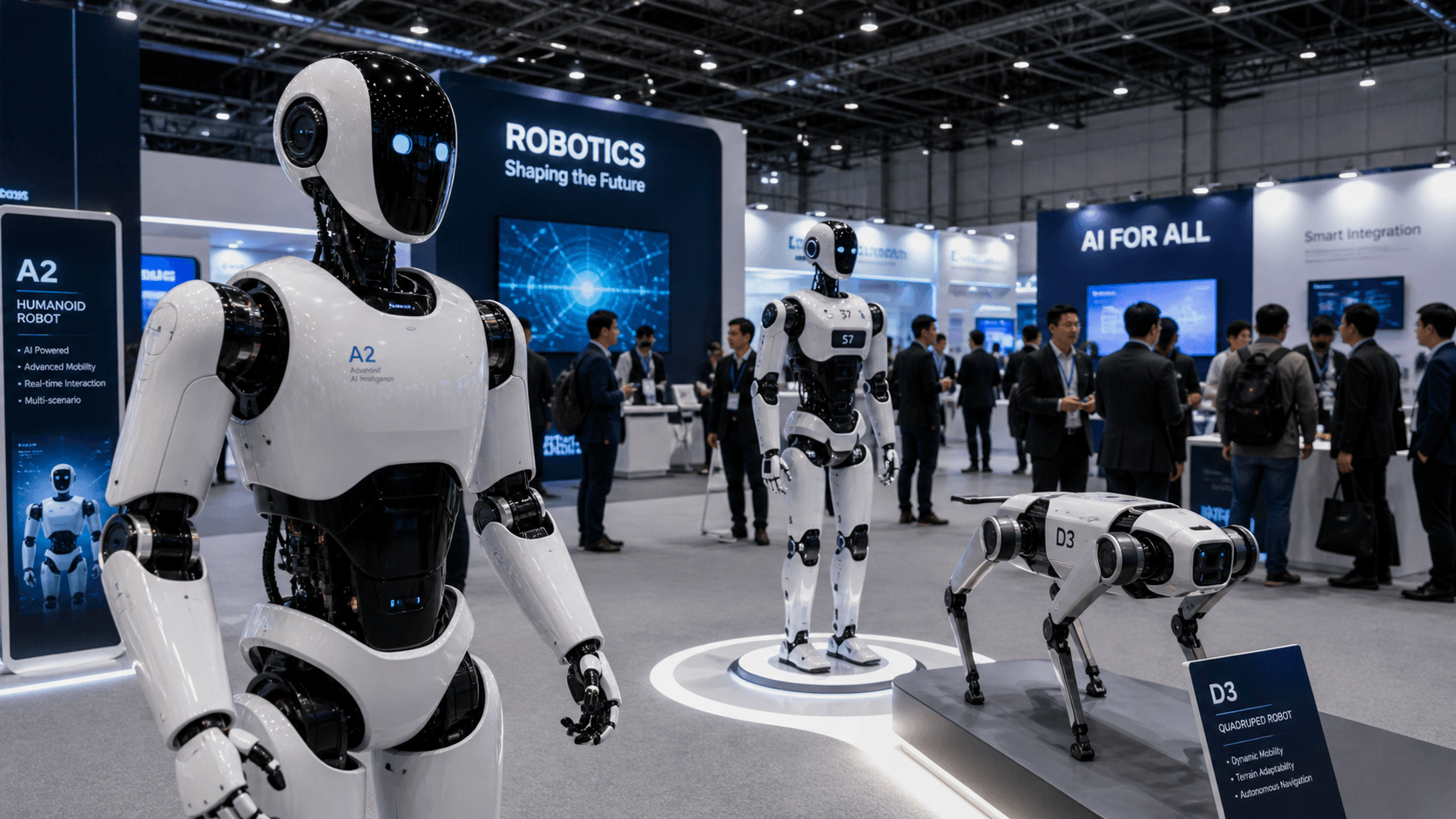
At the 2026 World Robot Conference, visitors saw familiar scenes: robots grasping cups, folding clothes, entering factories. The real changes hide beyond the spectacle. Global humanoid shipments topped 22,000 in H1 2026, up nearly 300%, but only about a fifth enter smart manufacturing and warehousing, as companies race over generalization and copying abilities.
Baidu reported 31.3 billion yuan in Q2 2026 revenue, with AI business revenue of 12.5 billion yuan, up 25%, accounting for 50% of general business revenue for a second straight quarter. From the Kunlun chip and ERNIE models to agent applications and Apollo Go, Baidu's AI story is shifting from investment to a concentrated harvest.
On August 18, Sharge unveiled its loomys L1 AI glasses in Wuhan, rebuilt around fashion, all-day comfortable wear, and active AI memory rather than camera specs, priced from 2,699 yuan. Founder Zhang Bo said AI glasses must replace everyday optical glasses, not phones, after the A1 setback that cost the company its first product cycle.
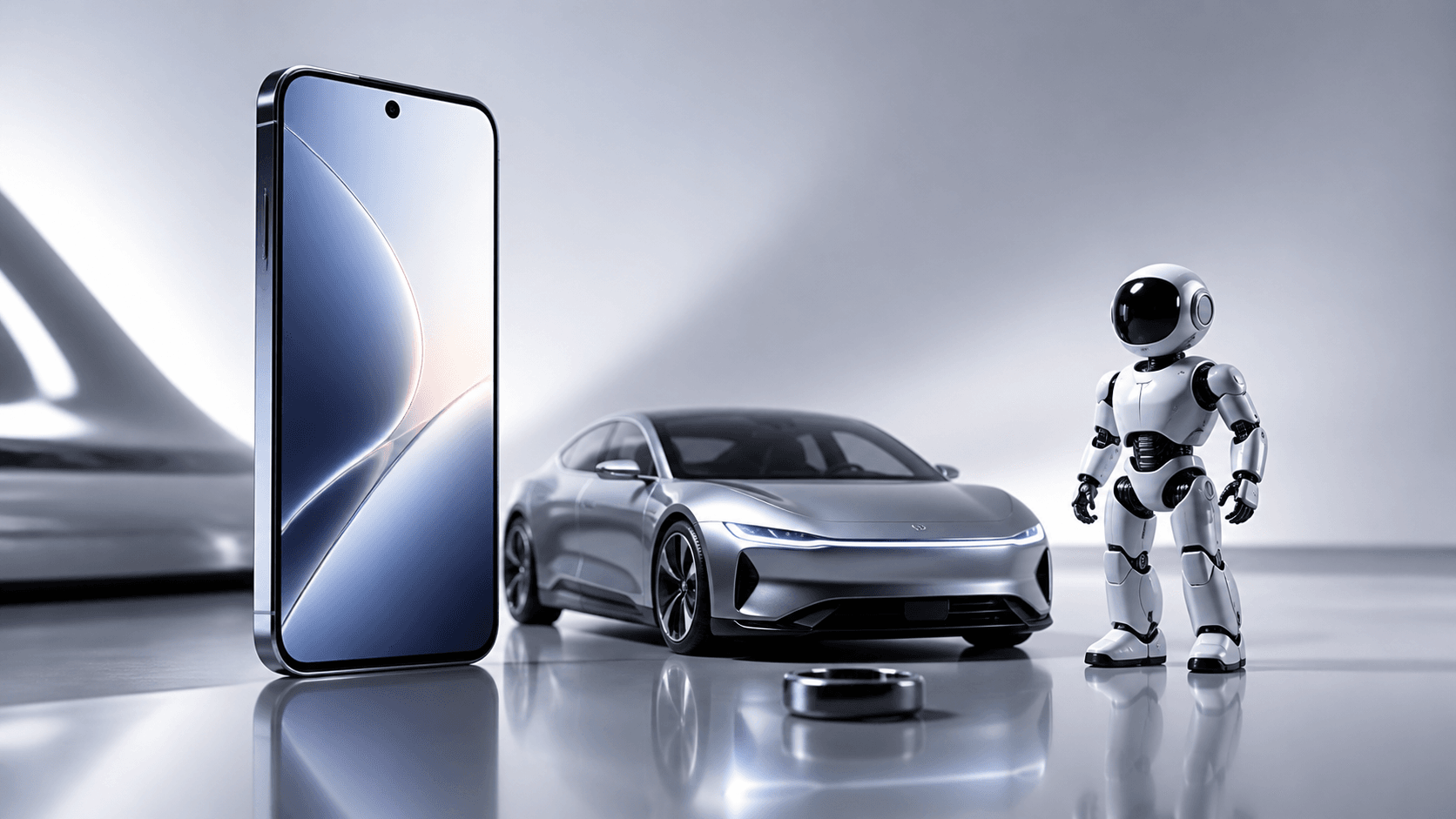
After holding through tough competition, Xiaomi stabilized in Q2 2026 with revenue of 108.92 billion yuan and doubling attributable net profit. Beyond phones and cars, its frontier bets are moving: the MiMo-V2.5 model topped OpenRouter's monthly and weekly call charts, the self-developed Xuanjie chip passed mass verification, and a new humanoid robot entered factory work with 98% success.
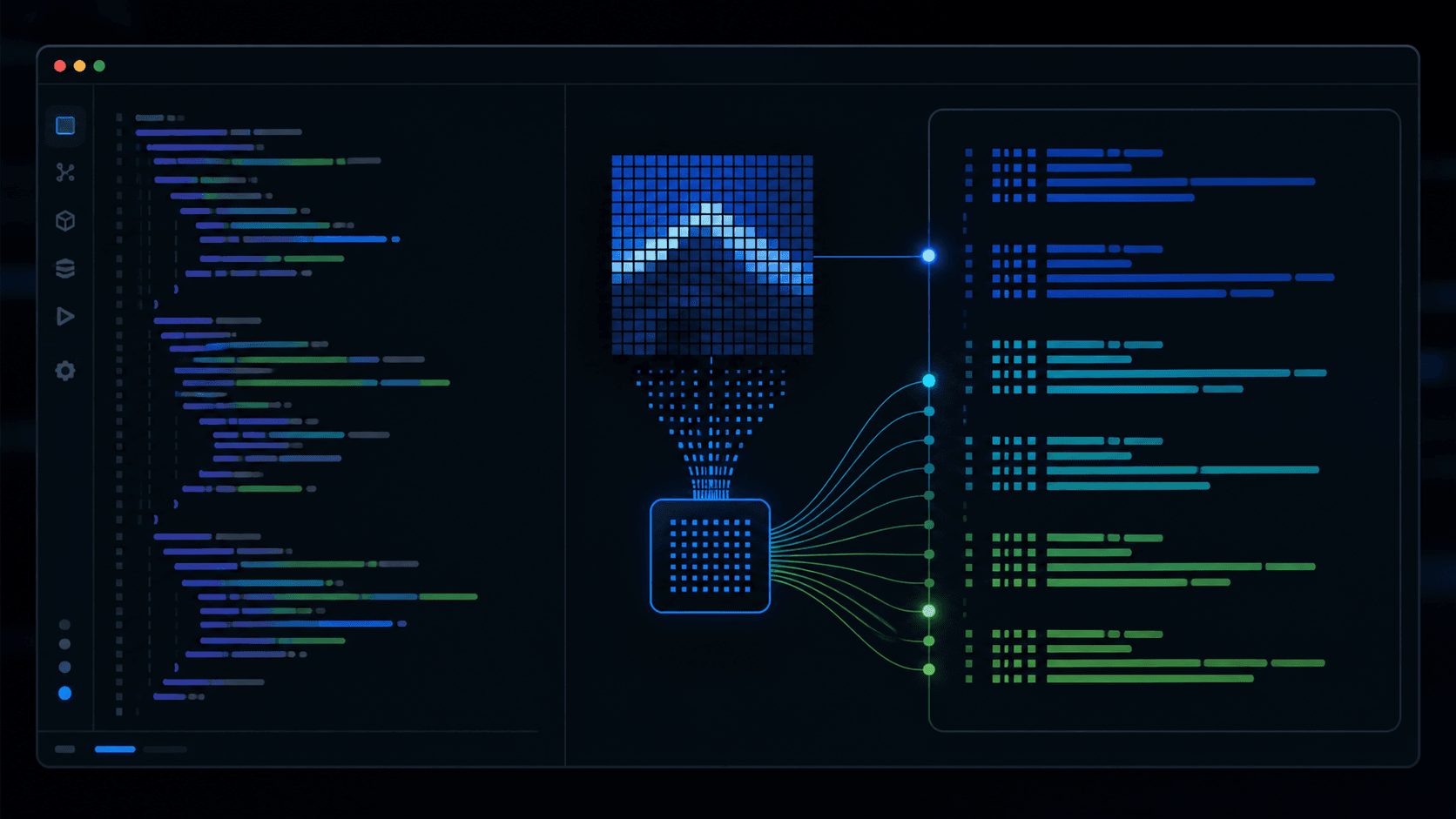
Last night DeepSeek Harness released v0.1.0-rc.8, its first significant update since public beta, with 14 changes covering multimodal input, subagent collaboration, terminal experience, tool calling, and developer support. New native image requests and mixed text-image input let agents handle screenshots, while a tool-layer 'vision' via OCR and pixel analysis gives even text-only models a way to…
This year's World Robot Conference staged a robot 'wedding' on Qixi and unveiled five industry trends: robots moving from technology validation to product validation, world models focused but not as hot as expected, tactile sensing becoming the new focus of dexterous hands, exoskeletons showing initial promise, and joints becoming component suppliers' new battleground.