
When Hayao Miyazaki was asked why he makes films, he said “I want to tell children that life is worth living. I'm not going to make films that tell children, ‘You should despair and run away.’”
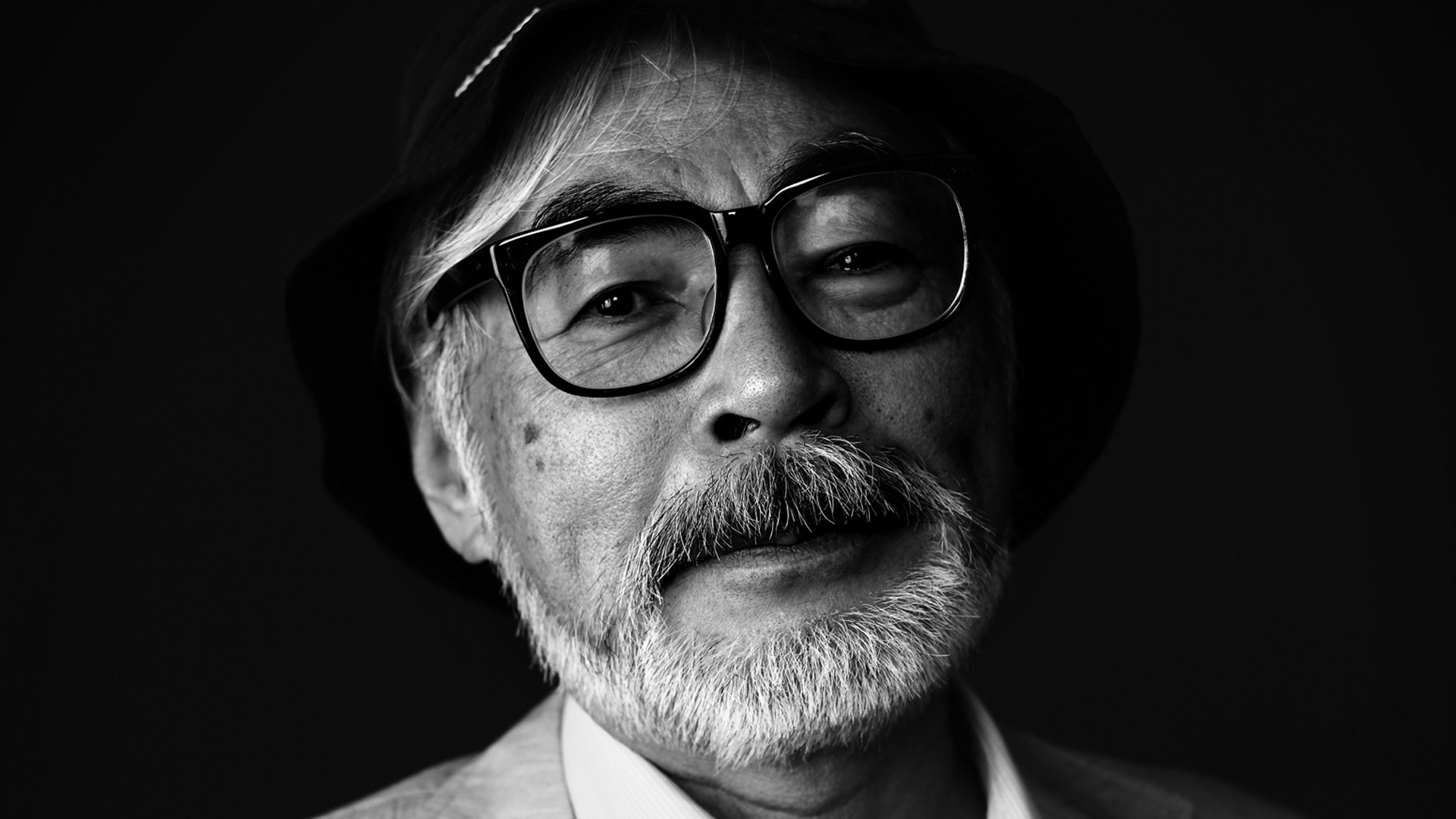
This, I am convinced, is the purpose of all art - to tell that life, ultimately, is worth living, and that if we feel despair, we should stay with it, maybe wallow in it for some time, but ultimately fight it with our life’s full force.
Miyazaki-san’s idea may sound trite but it is not. In fact, if you pick a film, a novel, or a TV show at random from the last decade, chances are that it serves the exact opposite purpose - of telling us that the world is a complicated, unknowable place, that our understanding of the human condition is rooted in falsities that cannot be resolved, and that ultimately you cannot escape this hellhole of a life. Of course, such art stops short of the absolute logical end of its reasoning - that we should all kill ourselves. No art says that explicitly, but a lot of art implies it.
To see this in action, let’s compare the two Batman films - one by Christopher Nolan, the other by Matt Reeves. Christopher Nolan’s Batman celebrates overcoming one’s fears (Batman Begins), sacrifice as the truest proof of heroism (The Dark Knight), and redemption in the face of adversity (The Dark Knight Rises). Watching the trilogy makes the child in you want to be Batman, knowing that he suffered a lot, but that suffering was ultimately worth it. You feel emotionally purified, as though a void in your soul is filled. Matt Reeves’s ‘The Batman’, on the other hand, problematizes the very idea that Nolan celebrates. He seems to say that heroism is a hollow ideal, that the hero himself - Batman - is a victim of his own demons, that even though he is fighting the good fight, it is futile. Matt Reeves’s film does not make the child in you want to be Batman. It only makes the adult in you feel somewhat smug.
The first emotion - that there’s hope - inspires courage and action. The second - that the world is endlessly complicated - creates an illusion of action that ultimately leads to stasis.
The literary device at work here (the Matt Reeves kind) is irony. Reeves uses irony to subvert your pre-conceived notions of heroism. In doing so, it congratulates itself for saying something radical. The end-purpose is to say something ‘new’, not to say something helpful.
This kind of irony-soaked art has become commonplace in the last two decades or so. It is merely a reflection of the direction in which the world has moved. Post-structuralism, or Post-modernism, the idea that our structures like nation-states, language, art, gender, or heroism in this case, are meaningless and built on falsities, has become the mainstay idea of our times. Our art is merely reflecting it back. It is very seductive to fall in this trap, but is ultimately corrosive to our collective consciousness.
This article is about a filmmaker who could have fallen into that trap, but did not. In fact, he dug deeper, and came out with an entirely new kind of creative aesthetic of irony that affirmed life, and told us that life, ultimately, is worth living.
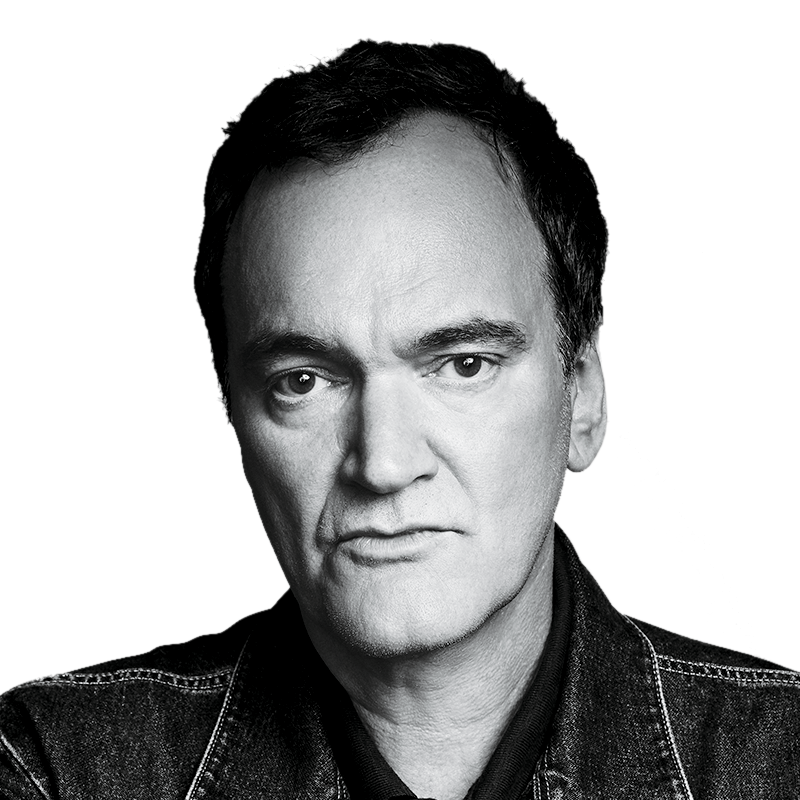
When Tarantino burst out on the scene in early nineties, the irony movement hadn’t begun in films in earnest. It had existed in literature with writers like Italo Calvino, Gabriel Garcia Marquez and Salman Rushdie, and on television with shows like Late Night with Letterman and Saturday Night Live, but cinema was still largely untouched by it.
Tarantino’s second film ‘Pulp Fiction’ became the epitome of irony in cinema. It was a gangster film that was deeply aware of itself and other gangster films before it. It was so fresh, stylish and entertaining, that it replaced the actual aesthetic of gangster films. The jester usurped the king. When Paul Schrader, the writer of Raging Bull and Taxi Driver, watched Pulp Fiction, he remarked: “Everything I have done is now outdated. I realised that the ironic movement had surpassed the existential movement. It’s a very important film in film history.”
Tarantino stayed with his irony-soaked aesthetic for a few more films. His primary obsession was, and remains to this day, the grammar of the medium. He gets a kick out of playing with and dismantling cinematic genres, like he had done in Pulp Fiction. It is no surprise that irony became his best friend. But I posit that shortly after Pulp Fiction, he began seeing its corrosive effects. The saying goes that irony is the song of the bird that has begun to love its own cage. And Tarantino did not want to be caged, let alone love it.
And so he started experimenting.
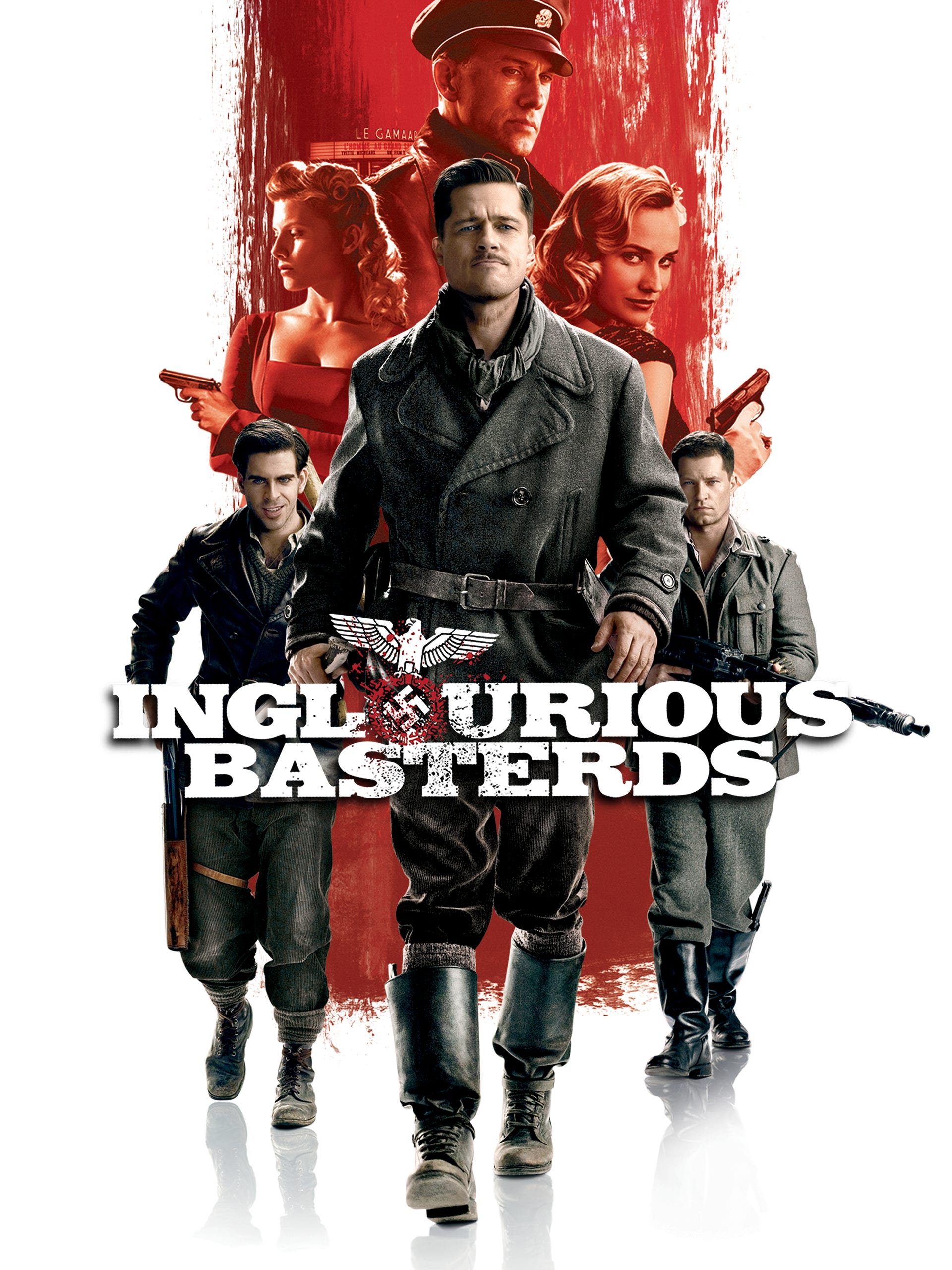
It began with Inglorious Basterds, when he suddenly got the brainwave, that he should just kill Hitler in the film’s climax. It was ironic, but it offered the viewer a semblance of redemption, even though fantastical. To see Hitler being brutally killed by a Jewish-American soldier was the ultimate historical fantasy. Tarantino had found a way to use irony to offer redemption, a truly rare thing. This new invention of using alternative-history to dramatic effect must have been so addictive that Tarantino used it in all his subsequent films. It became another one of his thing, like so many other things he already had. Tarantino had begun to divorce himself from irony’s harmful effects. This middle-of-the-career reinvention cemented his position as one of his generation’s greats.
But by the time he came to The Hateful Eight, the shtick started feeling worn-out. It appeared as though Tarantino was rounding up all his magic tricks and flexing to the world that he is the best at making Tarantino films. Don’t get me wrong, the film wasn’t bad at all. In fact, it was good, but I expected a lot more from him, something newer and fresher. And when it did not come, I blamed myself for having unrealistically high expectations. Given that he was only going to make ten films in total, and this was his eighth, a realization dawned on me that his very best was already behind him.
And then came Once Upon A Time In Hollywood.
Tarantino had another trick left in his bag, and perhaps his most magical. My fear of his decline was laid to rest in the first ten minutes of the film. The words ‘Written & Directed by Quentin Tarantino’ flashed on the screen without any dramatic effect - complete silence on the screen - over a banal shot. This coming from a director who had taken great pleasure in designing his title cards to extreme effect, was shocking. It was a small thing but it instantly told me that Tarantino was in a different mood altogether - perhaps another reinvention was on the cards, and in the subsequent three hours, I was proven right.
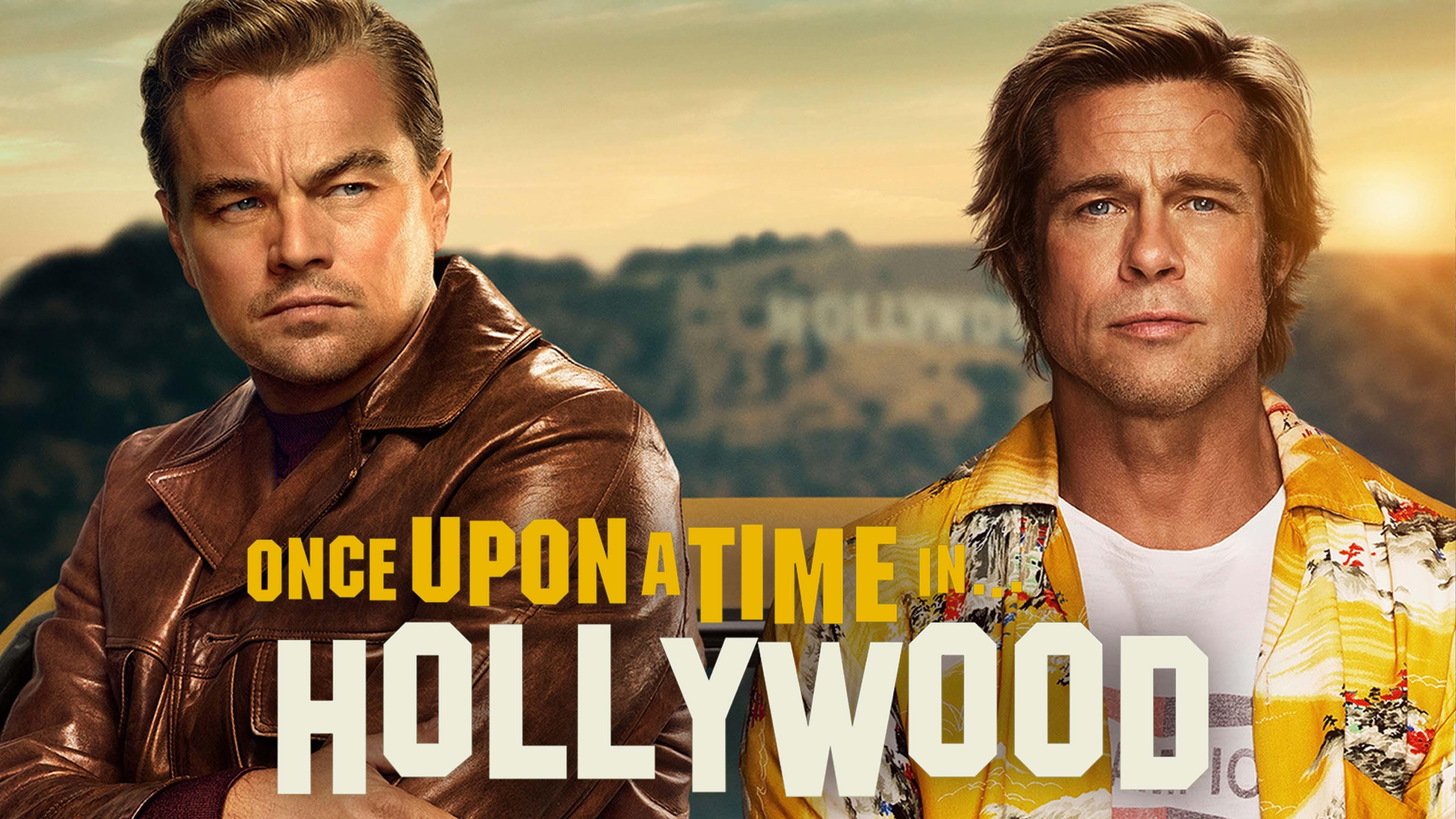
OUATIH is Tarantino’s most personal film. Set in his hometown Los Angeles, it tells the story of the day leading to the event that changed Hollywood, and in many ways the entire culture - the murder of Sharon Tate. The story is told through Tate’s neighbour, Rick Dalton, a washed-up actor who’s trying to remain relevant in a new Hollywood, and his stunt double, Cliff Booth. The film plays out like a 1960s European art-house film, with sparse music and a leisurely pace, something that one would not associate with Tarantino at all. You are hanging out with two boys on the most important day of their lives. By the end of the film, you feel so close to them, that you can smell their perfumes. It is deeply sentimental, a kind of film that Tarantino himself would have parodied at the beginning of his career. Irony is absent, completely.
But a good magic trick is incomplete without a great final act. To paraphrase Michael Caine from ‘The Prestige’: if you disappear the bird, you have to bring it back. And in the last 15 minutes of the film, Tarantino brings his favourite bird - irony - back. In Tarantino’s cinematic universe, Tate doesn’t get murdered, and the Manson family is killed by the two boys - a cathartic fantasy of what could have been. The washed-up, has-been hero becomes a real hero, and the child inside you wants to be him. In the end, you realise that you had been watching a coming-of-age story of a fully-grown adult. This kind of moral redemption was absent in all previous Tarantino’s films. That he used a literary device like irony to achieve that effect was sensational, especially in times when irony is used for the exact opposite purpose.
Soon after the film, Tarantino became a father for the first time at the ripe old age of 56. One couldn’t help but notice the parallels. The punk, rebellious boy, who had eschewed sentimentality all his life, had finally become a man, just like his unlikely hero in OUATIH. Since its release, the film, has gained a cult following, and it’s only been 7 years. Tarantino calls it the best film he’s ever made. It’s hard to disagree with that assessment.
From the time Tarantino started his career, to today, the culture has completely changed. Irony felt fresh in early nineties, now it feels suffocating. Tarantino was wise to understand the shifting sands of culture underneath his feet. There’s one last film left in him, he believes. And if media reports are to be believed, he’s having a tough time deciding what its going to be. It’s not an enviable position to be in. He has reinvented himself again and again, and fans like me, expect him to pull another magic trick, one last time. Whatever it is, however it is, and whenever it comes out, Tarantino is already up there in the Mount Rushmore of our generation’s greatest filmmakers, and in Werner Herzog’s words, he is a good soldier of cinema.
No posts
Comments
Nothing yet. Say the first thing.
Sign in to join the conversation.