
When we talk about an operatic production, we typically assess the musical performance on the one hand, and the work’s physical embodiment — sets, costumes, staging, and so forth — on the other. It shouldn’t be that way, of course; ideally the two artistic strands should be close to inseparable, with each feeding and supporting the other in a mutual embrace. Yet so often people walk out of the opera house with double-barreled assessments in mind, along the lines of loved the staging, wish the singing had been better.
I struggled with this tension all last week, during the Deutsche Oper Berlin’s Ring Cycle. (My report on the opening Rheingold is here.) Both in my own sessions of sweet silent thought and in conversations with other attendees, the consensus grew gradually but with unstoppable force: This was a musically glorious undertaking, encased in a production that offered less and less to the theatrical imagination the longer it went on. Donald Runnicles, in the final assignment of his 17-year run as the company’s music director, spearheaded one night after another of musically compelling artistry in collaboration with a large and practically flawless cast. Meanwhile, director Stefan Herheim’s production, staged here by Silke Bauer, slowly and inexorably deflated before our eyes, going from awkward-but-interesting to fatuous with each new installment of Wagner’s epic tetralogy.
It’s easier to anatomize the latter than the former. But let’s not, if only to be contrarian. I’d rather begin by celebrating the bold, immensely resourceful leadership that has always been central to Runnicles’ Wagnerian worldview — the way he shapes these operas into huge musical and dramatic paragraphs that still leave plenty of room for expressively intimate close-ups. Sometimes I think of Runnicles as a conductorial version of the giants Fafner and Fasolt, wrestling big boulders and tree trunks into the commanding edifice that will become Valhalla; at other times, he spins delicate threads into fine filigree. What I appreciated too on this occasion — especially as the tetralogy gained dramatic momentum during the latter acts of Siegfried and into Götterdämmerung — was the swiftness and urgency with which Runnicles moved the proceedings along. There was never a moment when the score felt inert or becalmed; we were always moving briskly to the next dramatic juncture or pausing to savor the one we were in.
And the singing — almost all of it by artists unknown to Bay Area homebodies — was little short of spectacular. To these ears, pride of place went to the Norwegian soprano Elisabeth Teige, who gave a quicksilvery, increasingly vibrant performance as Sieglinde in Die Walküre, only to follow up two nights later with an open-throated, luxuriant rendition of the Siegfried Brünnhilde.
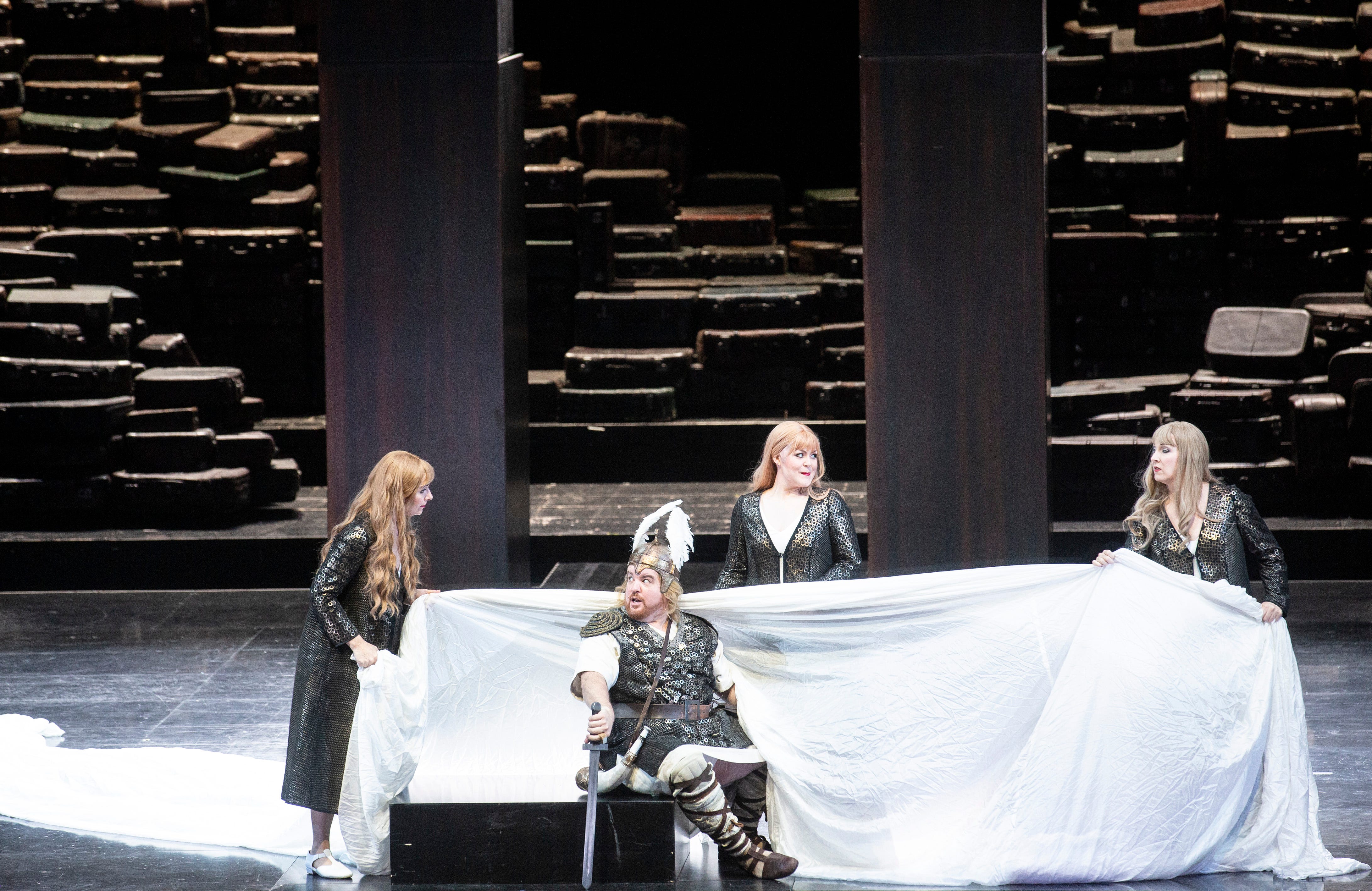
I was also captivated by the Siegfried of the young American tenor Clay Hilley, who perhaps put too much emphasis on the character’s dopiness relative to his heroism, but fleshed out both nights with singing of ease, power, and ringing clarity. Catherine Foster, the English soprano who took over as Brünnhilde in Götterdämmerung, inhabited the role with a winning combination of ferocity and long-breathed tenderness. The two giants from Rheingold made splendid returns later in the cycle — Tobias Kehrer as a rich-voiced Hunding and Albert Pesendorfer as a chillingly malevolent Hagen — and Jordan Shanahan’s youthful, expressive Wotan in Die Walküre gave the character a nuanced sense of pathos. Back again from Rheingold and still providing opulent delight were Michael Sumuel (Alberich), Ya-Chung Huang (Mime), and Lauren Decker (Erda, plus the First Norn).
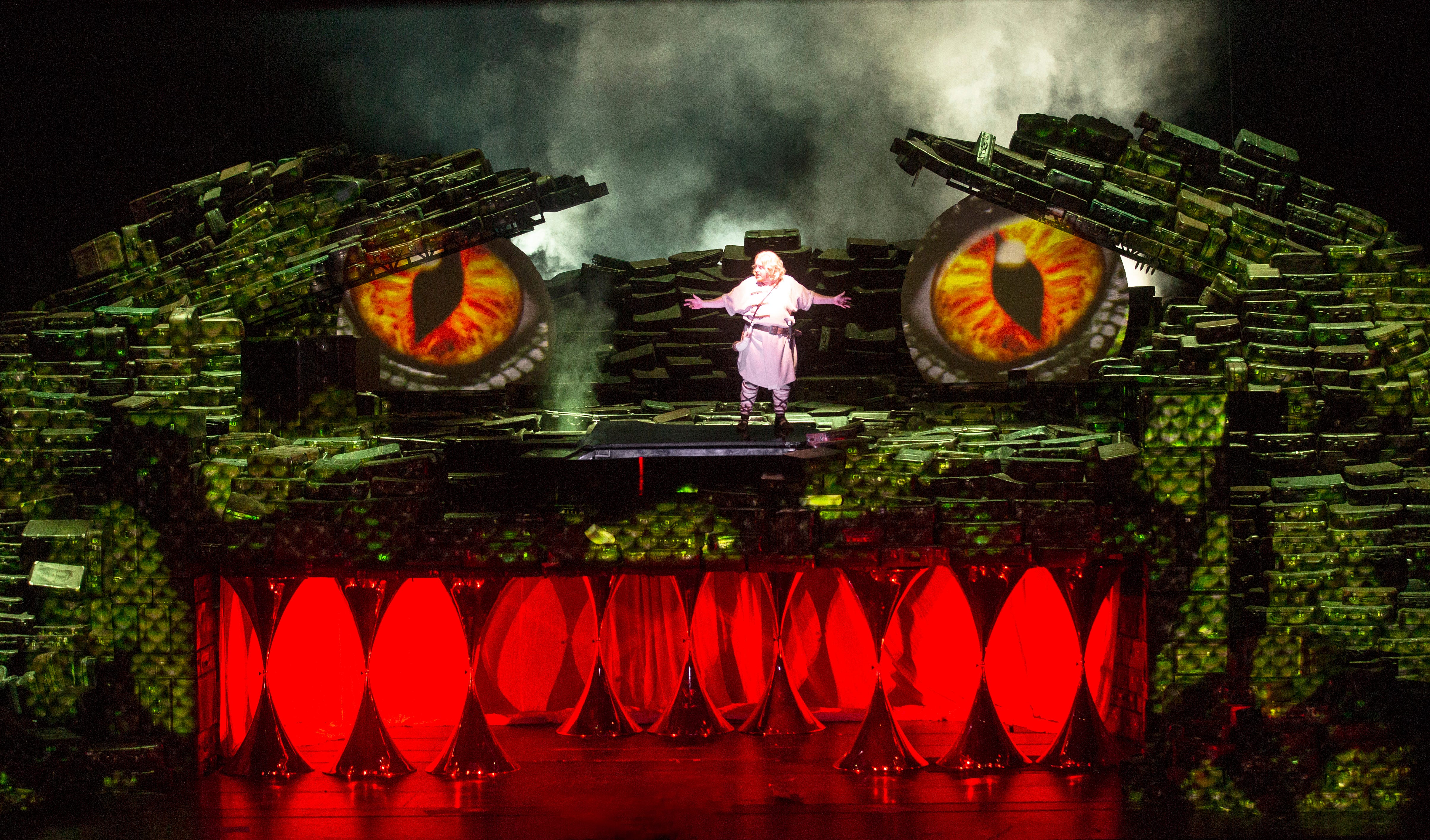
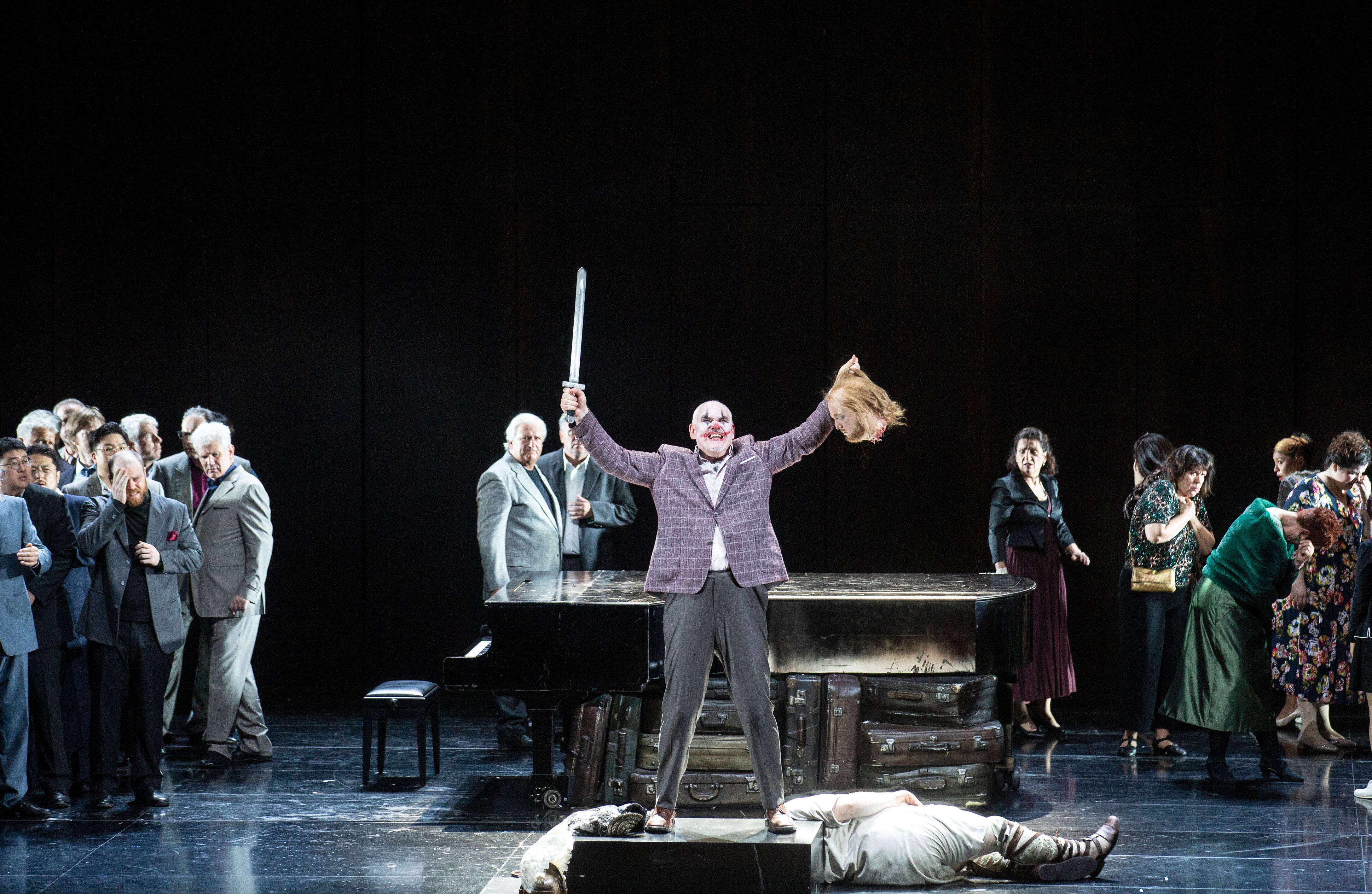
But exulting in all these musical riches meant struggling — more and more strenuously and ineffectively — to make something coherent out of Herheim’s production. Many scenes played out on a bare stage, with a crowd of people in attendance. The extras were depicted as refugees (Nazi-era? not clear), with suitcases that were sometimes carried but more often were stacked into a large theatrical backdrop. Sometimes there were projections of color and light, sometimes billowing bedsheets to simulate scenic elements like fire or the water of the Rhine. None of these did much to illuminate any of the cycle’s central themes.
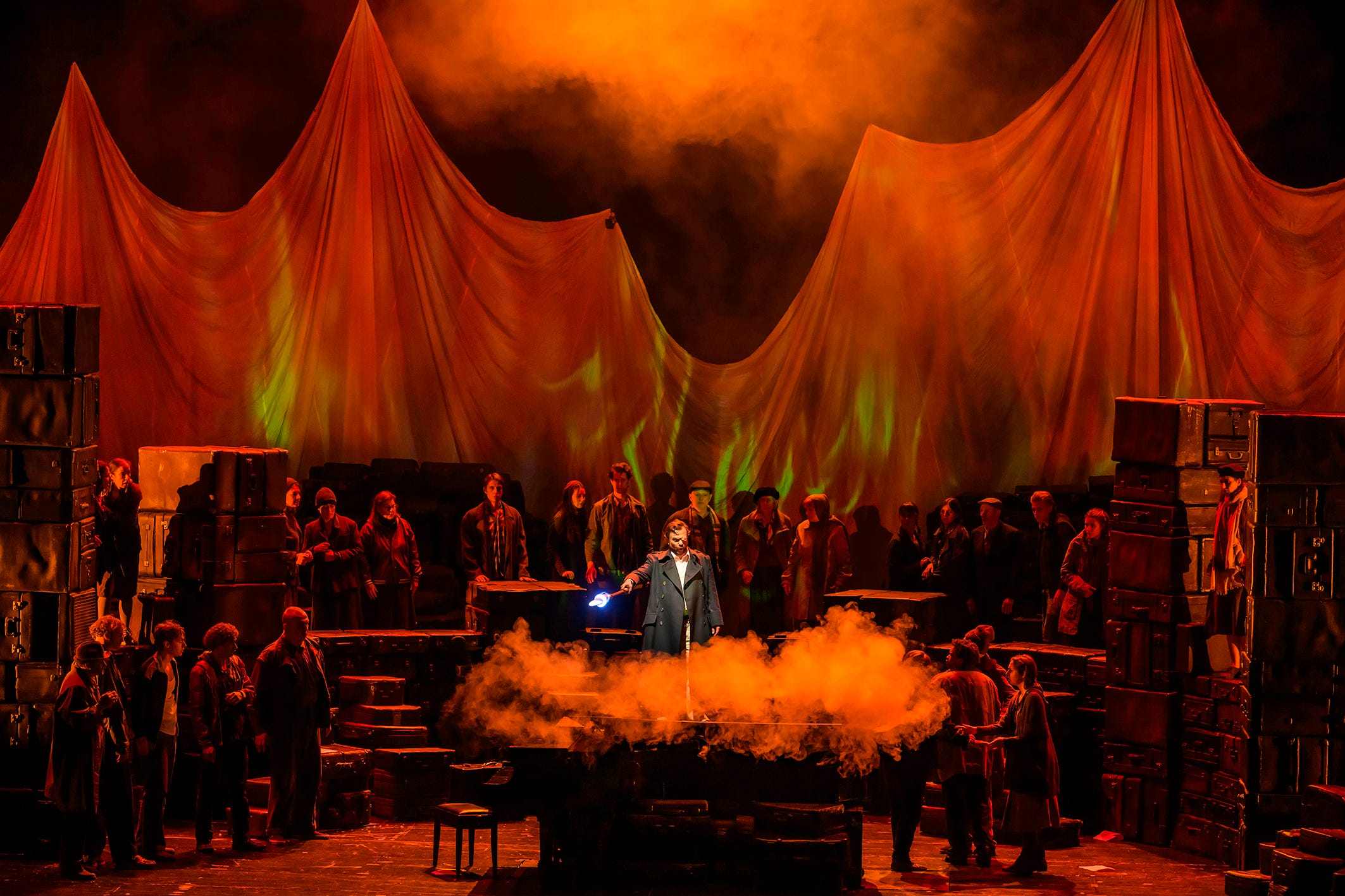
To me, the most interesting directorial idea had to do with the role of fate in the world of the Ring, which was treated as coextensive with Wagner’s creative will. Characters often brandished or consulted bound scores of the operas, as if to say This is how it must be, it’s in the score. Playing on the grand piano that served as the production’s central design element became an externalized metaphor for making things happen. Erda, the embodiment of foretelling the future, lived in the prompter’s box, where she presumably enforced Wagner’s edicts.
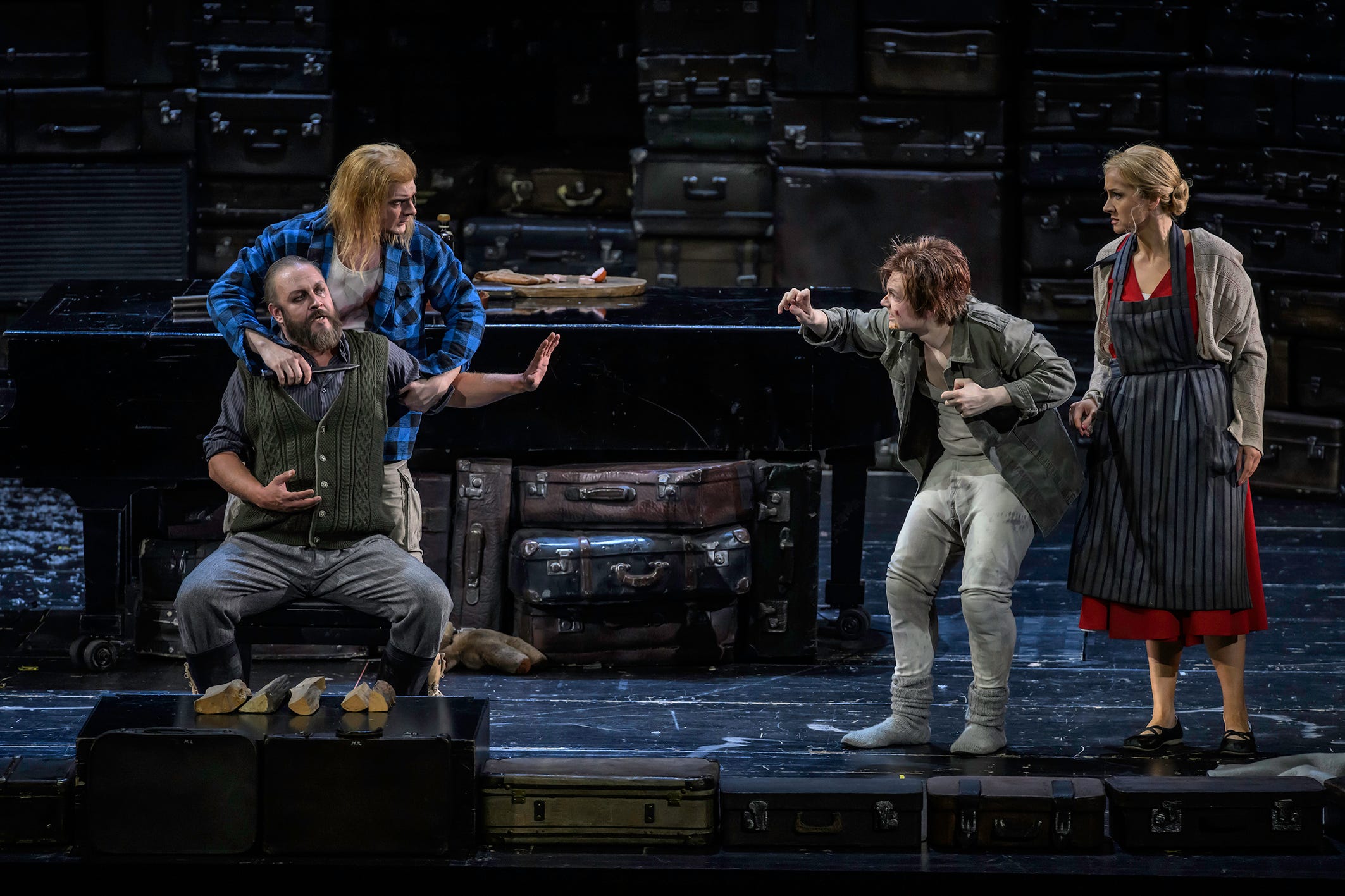
But even that idea is never fully fleshed out. On top of that, Herheim lards the action with one-off strokes that too often simply make an instantaneous impression and then vanish. Sieglinde and Hunding have a disabled son, who haunts the entire first act of Walküre and whom Sieglinde shockingly kills to make her lover’s getaway. The curtain in Götterdämmerung rises on a replica of the Deutsche Oper’s lobby, with well-heeled operagoers milling about. At certain moments, Herheim suddenly brings the house lights up for dramatic effect — after which they stay up for no particular reason. Extras frequently strip down to their skivvies or parade around half-naked (including some needlessly grotty zombie heroes during the Ride of the Valkyries). Now and again one of these directorial choices makes momentary sense, but they never create the kind of integrated vision that would tie the entire cycle together.
For that, we had to look to Runnicles and his terrific orchestra and cast. Prima la musica, as the Italians say, e poi le parole.
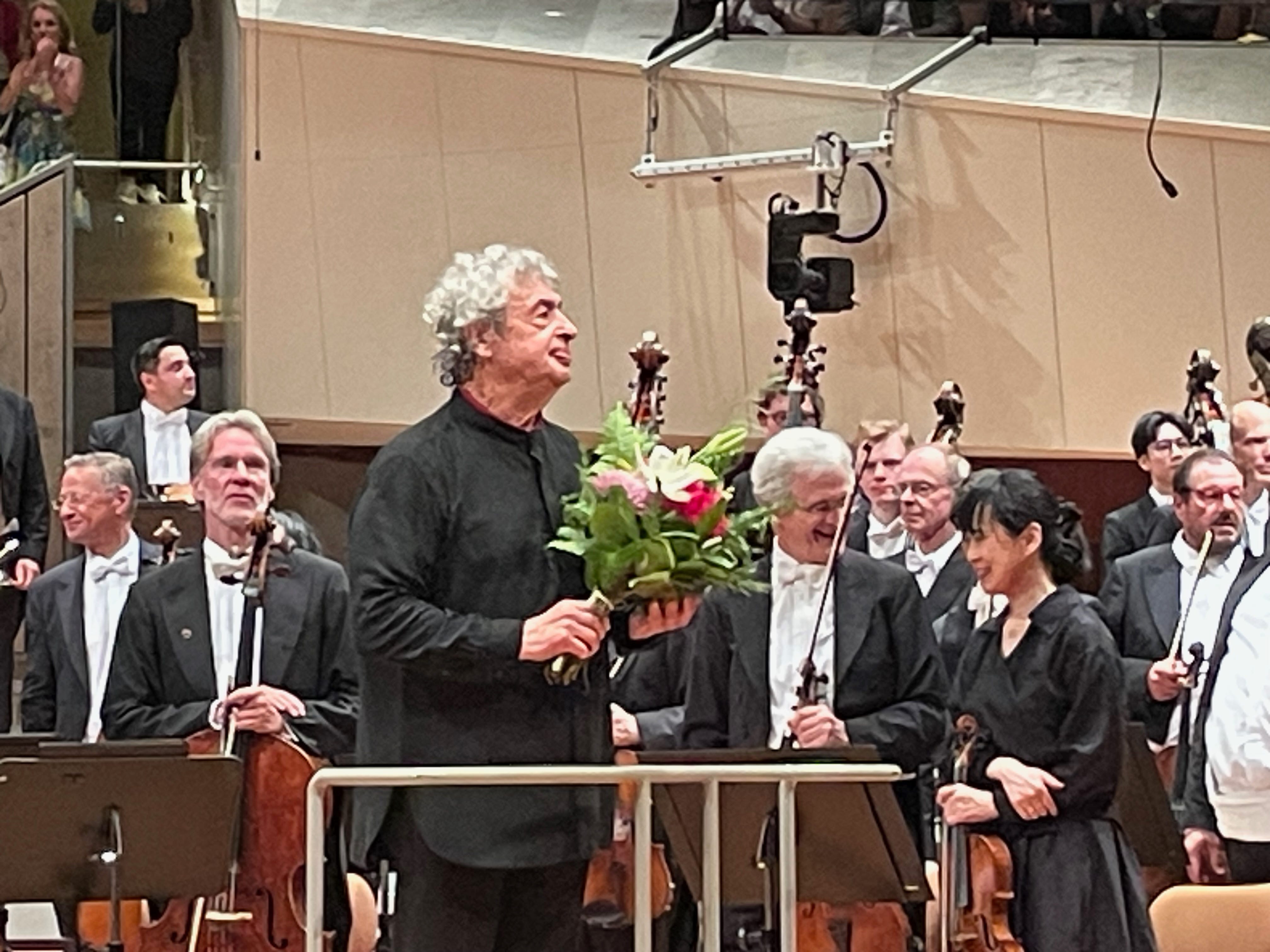
Because I had a free night in Berlin in mid-Ring, and because I’d never been here before, I made sure to squeeze in one evening with the Berlin Philharmonic at its fabled home, the Philharmonie. Both orchestra and concert hall proved thrilling beyond anything I could have imagined.
The Philharmonic has made the occasional touring visit to San Francisco over the years, most recently a decade ago under its then-principal conductor Simon Rattle. But I suspect (based, admittedly, on a tiny sample size) that the Philharmonic at home is another orchestra entirely. The Philharmonie, with its narrow dimensions and beguilingly asymmetric interior angles, creates an acoustic that is at once resonant and superbly transparent. Orchestral chords rumble with ominous weight or explode into great crashing tidal waves; string and woodwind solos reach the listener’s ear with almost startling intimacy. The overall range of sonority just feels impossibly broad, and the orchestra — with its gleaming brass section, lustrous strings, and pointedly virtuosic woodwinds and percussion — seems uniquely suited to take advantage of the hall’s resources.
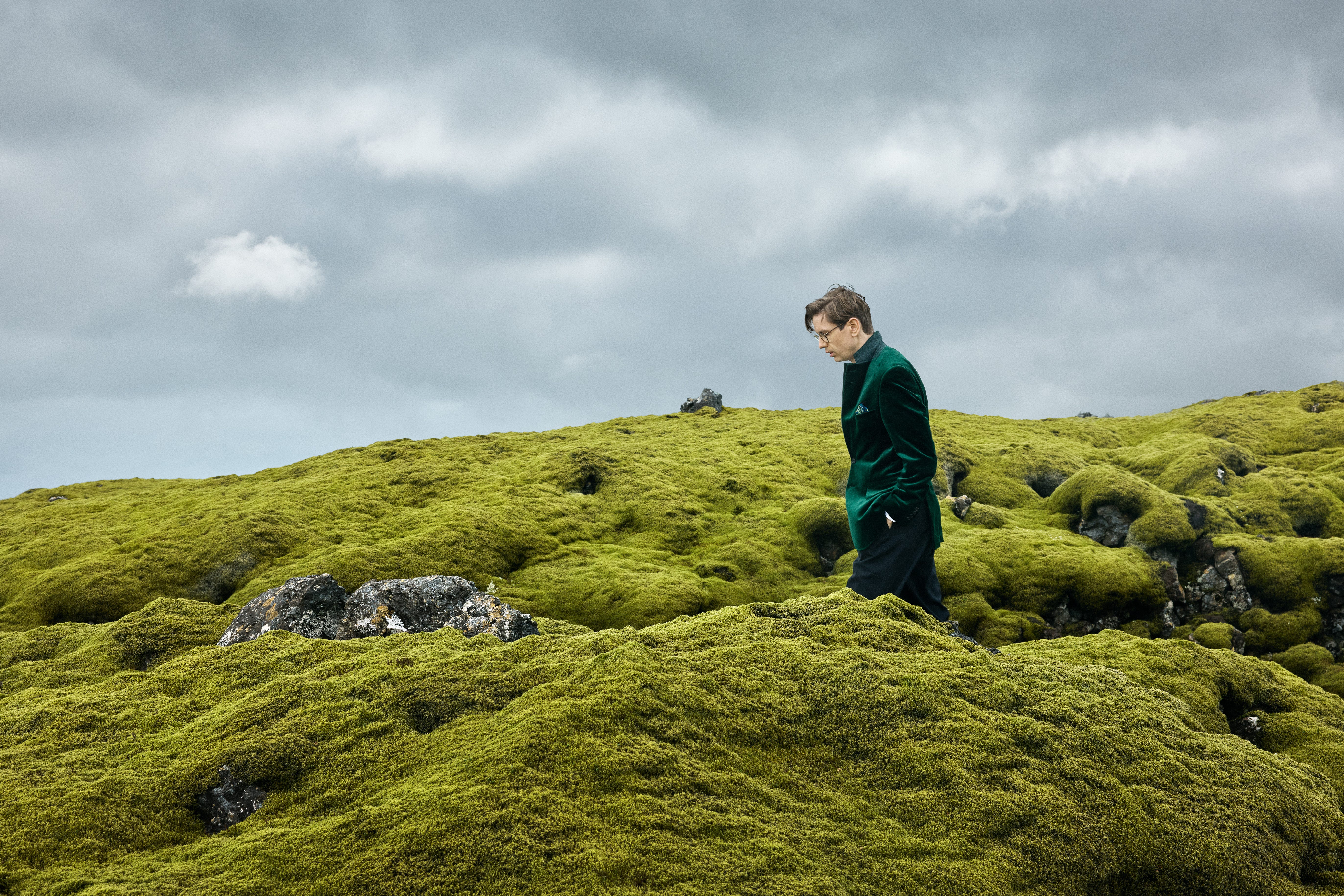
The night I attended, Semyon Bychkov led a sumptuous program of music by Beethoven and Shostakovich. Pianist Víkingur Ólafsson lent his trademark crispness and precision to a beautifully streamlined rendition of the “Emperor” Concerto, followed by his own arrangement of the Bach Air on a G String as a ravishingly still-voiced encore. In Beethoven’s Coriolanus Overture, Bychkov drew taut, blistering textures from the orchestra. But he achieved even more after intermission, in an account of Shostakovich’s Fifth Symphony that cloaked the composer’s abrasive rhetoric in lush, flexible orchestra textures. Passages in the first and third movements that can too often sound scrawny or scrappy now emerged in full-bodied splendor; at certain points I felt I was hearing Shostakovich’s harmonic language make sense for the first time. Bychkov, a conductor of rare genius in my opinion, certainly gets a lot of the credit for the evening’s success. But so do the orchestra and its hall.
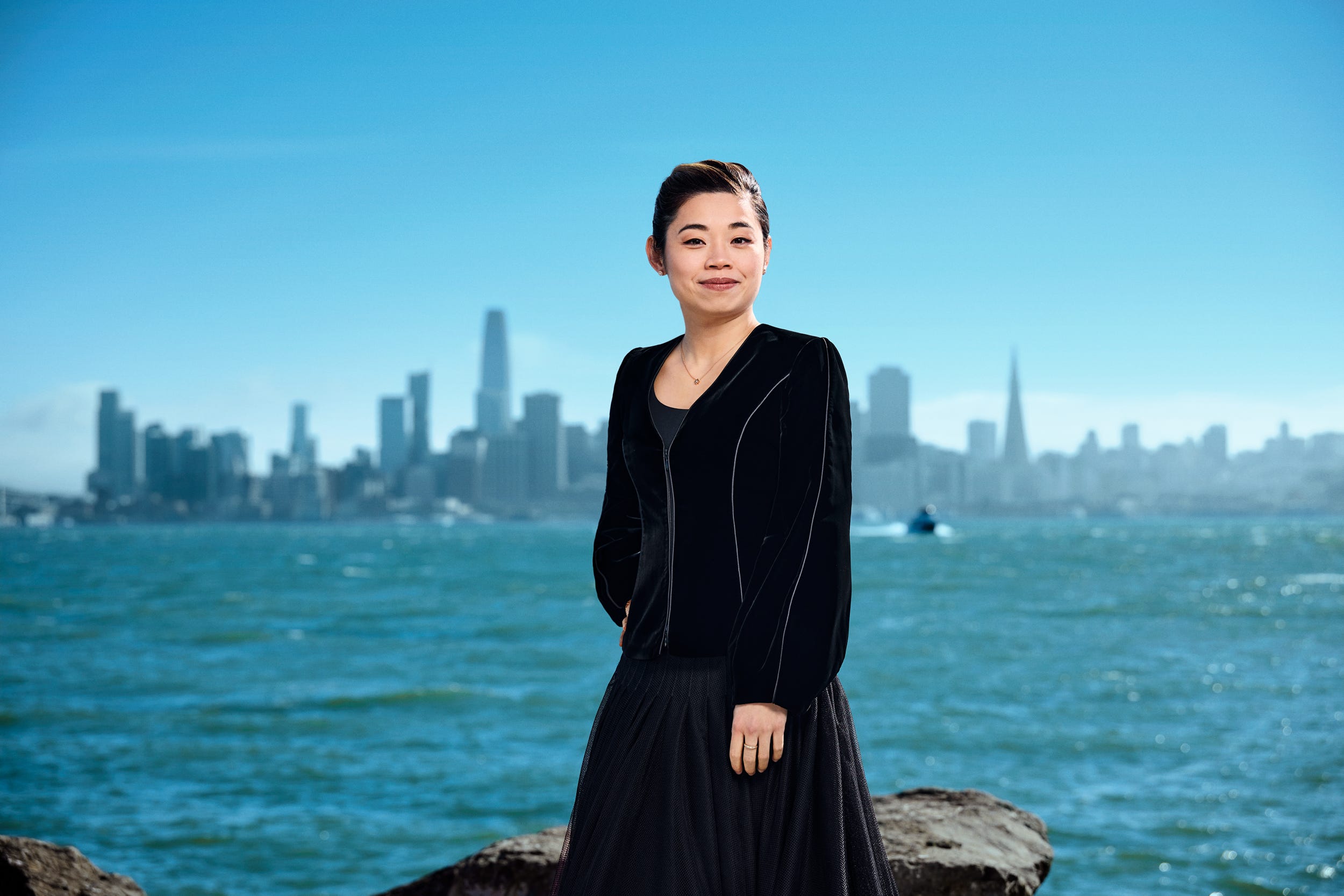
How could I have known, when I planned my Berlin trip nearly a year ago, that Elim Chan would show up just days before my departure to be anointed as the San Francisco Symphony’s next music director? Or that she would take the podium in Davies Hall scarcely two weeks afterward, while I gazed wistfully from across the Atlantic?
I couldn’t, of course. But there’s no reason for anyone else to replicate that unforeseen error. Chan’s first appearance as the Symphony’s music director-designate is set for this weekend, and I urge anyone who can do so to seize the opportunity to hear her in action — if only so that I can get some second-hand reports.
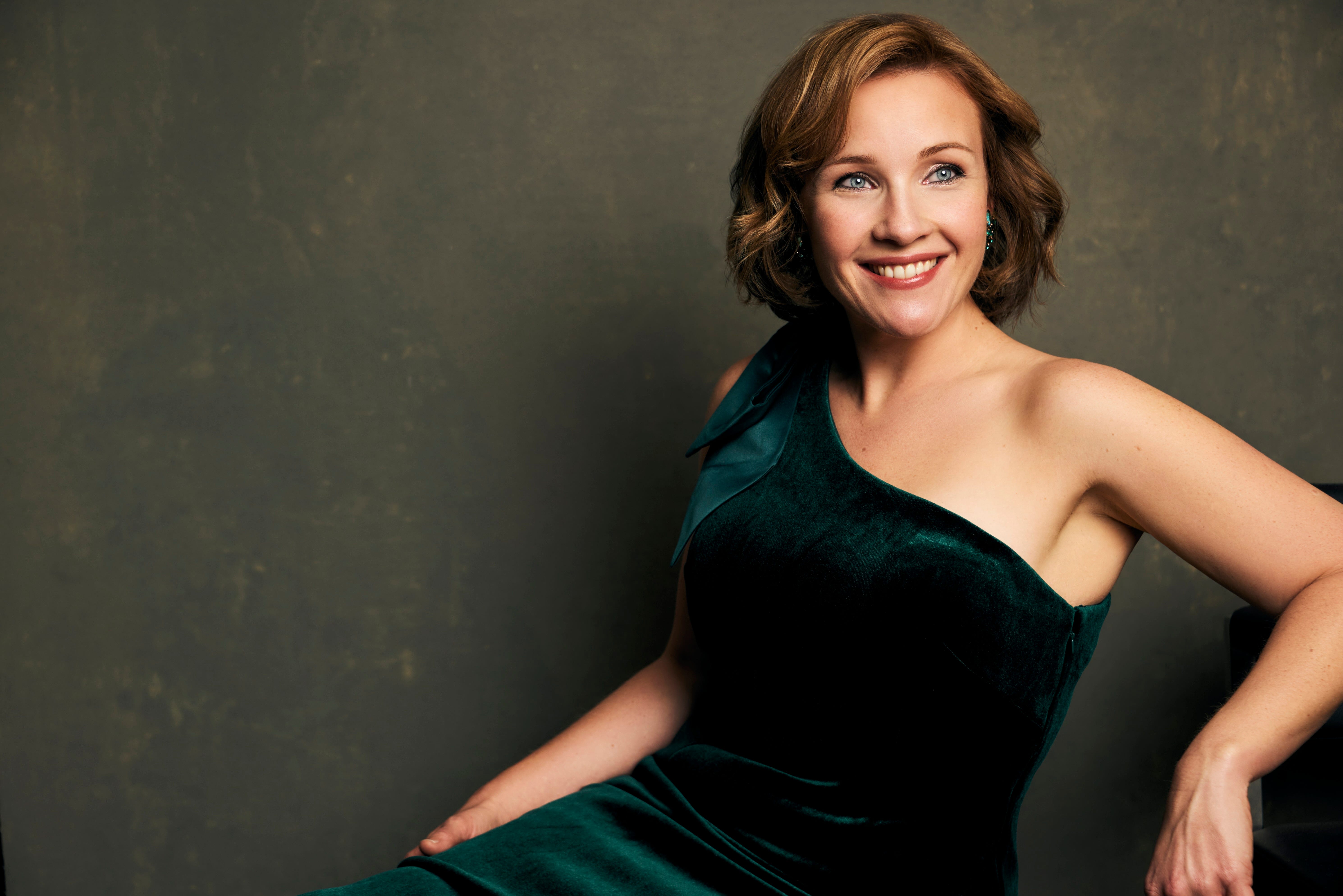
Also, the program looks terrific, even if they did mysteriously 86 Mendelssohn’s Midsummer Night’s Dream Overture while I wasn’t looking. Sasha Cooke singing Berlioz’s elegant song cycle Les Nuits d’été promises (based on everything else Cooke has ever done) to be a feast of luminous vocalism. The Prelude and Liebestod from Wagner’s Tristan und Isolde, even with their operatic roots, should tell us a lot about Chan’s handling of orchestral texture, and Debussy’s La mer will do the same about her command of large-scale form.
These inaugural events can have their own magic. In the summer of 1993, Michael Tilson Thomas was in San Francisco leading the Symphony’s Russian festival. One afternoon his appointment as music director was announced, and that night he conducted the orchestra in the best goddam Rite of Spring I’ve ever heard. Just sayin’.
From Out of Left Field #322 by Henri Picciotto and me, sent to subscribers last Thursday:
Start to notice loose chat, of course (5)
Last week’s clue:
Charlatan failing to replace sulfur in wine (4)
Solution: FAKE
Charlatan: definition
failing: F
to replace sulfur in: replacing S in
wine: SAKE
• Left Coast Chamber Ensemble: Stravinsky’s A Soldier’s Tale is magnificent but short, requiring some kind of companion piece to fill out an evening-length program. For the final concert of its 33rd season, the ensemble pairs it with the world premiere of composer David Dominique’s Steam, based on Arna Bontemps’ 1936 novel Black Thunder. Baritone Omri Tau headlines both works. June 6-7, Ruth Williams Opera House. www.leftcoastensemble.org.
• Elektra: Director Keith Warner’s production of Strauss’s early Expressionist masterpiece, staged during a fraught night at the museum, was an unforgettable triumph when it first came to the San Francisco Opera in 2017. Its welcome return features music director Eun Sun Kim in the pit, with Russian soprano Elena Pankratova making her company debut in the title role and a cast that includes favorites Michaela Schuster, Elza van den Heever, Kyle Ketelsen, and William Burden. June 7-27. www.sfopera.com
No posts
Comments
Nothing yet. Say the first thing.
Sign in to join the conversation.