

Written by Thomas McGlinchey | The Overload
Photography by Jack Megaw | The Overload
Over the last few years, college sports that typically play second fiddle behind football and men’s basketball have gained traction thanks to the power of social media, but also due to increased air time free of paywalls. I don’t believe any sport will eclipse the behemoth college football and basketball deals that dominate our culture, but it has been refreshing to see other sports and student-athletes shine, and to have a wider menu of sports to choose from on television.
And yet, the same cannot be said about college rugby as its fractured landscape is not only holding the sport back from reaching its full potential, but causing it to die on the vine. It’s 2026 and it’s sad to say that college rugby doesn’t really matter, and, I don’t believe I’m saying anything controversial here, but it won’t matter until all teams are under one umbrella.
Listen, right up front, I’m aggressively disinterested in the backwash that is “he said-she said” between college rugby stakeholders in America because it ultimately doesn’t move the needle. This isn’t a history lesson, it’s a column that is about looking at a segment of rugby fandom that is completely lost.
To begin, on July 28, USA Rugby announced a “new era” for college rugby in a press release that outlined ways in which USA Rugby and the College Rugby Association of America have strengthened its partnership.
Through this initiative, USA Rugby will expand its leadership role within the collegiate game by investing funds and resources into CRAA to strengthen the following areas of impact:
Key full-time staffing
Operational support
Technology
Financial oversight
Marketing & Communications
Program grants
Training & Education
National Team Pathway Alignment
Increased funding will come through union investment and not require a member dues increase.
USA Rugby will work alongside CRAA, whose leadership, institutional relationships, competition expertise and volunteer community will remain central to overseeing collegiate rugby as sanctioned by USA Rugby. Rather than replacing existing structures that are positively serving CRAA membership, the renewed partnership brings together strengths of both organizations; and importantly additional investment to better serve student-athletes, coaches and athletic departments.
…
In addition to the realignment with CRAA, USA Rugby will look ahead to similar boosted efforts on the Women’s NCAA Emerging Sport project, accelerating the current efforts to meet the threshold of 40 varsity programs and beyond, along with expansion in further US regions.
…
The initiative also supports the long-term strategic partnership between USA Rugby and World Rugby, by aligning domestic priorities with the broader vision for rugby across the United States. With the shared goals of growing participation and high performance standards in the collegiate game, both governing bodies are proud to invest from 2026 on through to the 2031 Men’s and 2033 Women’s Rugby World Cups in the USA. For World Rugby, this initiative is a clear expression of its wider U.S. Growth Markets Development Plan: a deliberate, long-term strategy to unlock rugby’s potential in the world’s biggest sports market by partnering with national unions to bring premium international content to strategically important cities, build addressable audiences and invest where it can deliver the greatest impact for the game.
It’s notable that just a few days later, World Rugby is rumored to have pulled the plug on funding Anthem RC. Major League Rugby hasn’t officially announced anything yet, but Anthem is no longer listed on the teams section of the MLR website. “I don’t think it’s any secret that Anthem’s not going to be in existence,” Old Glory DC co-owner Last summer, MLR lost a whopping five franchises.
USA Rugby posted five positions directly supporting college rugby a few days after rumors about Anthem’s demise started to swirl. There is no confirmation that it’s a reallocation of funds from World Rugby (Alan Gilpin is quoted in the USA - CRAA release), but money doesn’t just grow on USA Rugby trees.
Listen, more paid personnel in the sport is a win, and the sentiment of the press release is nice, but it doesn’t change the fact that the sport is still divided, as highlighted in Martin Pengally’s latest Aug. 7 article.
With strategic social media use and broadcast partnerships with media powerhouses like ESPN, rugby should be a yearly sensation that builds on campuses much like other college sports, but the current story of college rugby isn’t compelling enough to win over new fans or broadcast partners. It’s not attractive at all. Like a bad office holiday party, the pinnacle moments tend to under deliver with shaky livestreams and high-school like atmospheres. These days, outside of some press releases and social posts, it’s a complete non-factor to the outside world (similar to USA Rugby matches stuck behind paywalls), which is a method of measuring growth and impact.
If you’re not aware, college rugby in America is not governed by the National Collegiate Athletic Association (NCAA). It is rather governed by three separate organizations – College Rugby Association of America (CRAA), National Collegiate Rugby (NCR), and the National Intercollegiate Rugby Association (NIRA) – which is an approach that not only chisels away at the integrity of the sport, but is confusing and a disservice to the coaches, student-athletes, former players, and the fans.
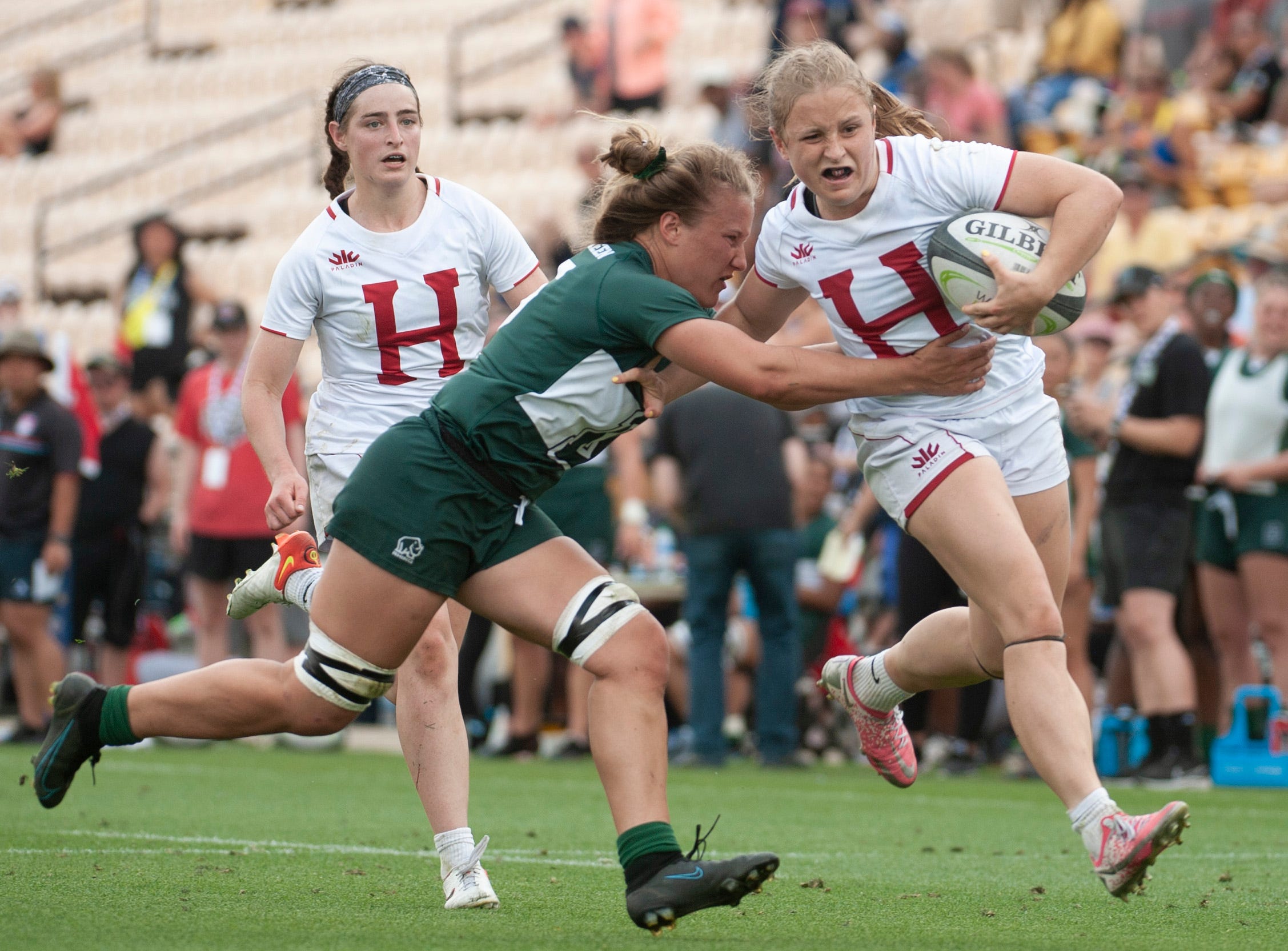
Even more puzzling, the NCAA Committee on Access, Opportunity, and Impact oversees the Emerging Sports for Women program, which includes women’s rugby.
“An emerging sport is a women’s sport recognized by the NCAA that is intended to help schools provide more athletics opportunities for women and more sport-sponsorship options for institutions, while helping that sport achieve NCAA championship status. Rugby is recognized as one of the “current emerging sports for women” along with equestrian, flag football, and triathlon.
(Sidenote: Flag football will no doubt be an NCAA sport before rugby, as the NFL is going all in on creating a professional league for men and women, and ensuring the sport is front and center at the 2028 Summer Olympics in Los Angeles.)
Formed in 2015, NIRA, a varsity women’s rugby organization, is independent of the NCAA, but adding to the inconsistent branding of college rugby, at times “Women’s NCAA Rugby” is thrown around in regard to NIRA.
NIRA’s mission:
“NIRA brings together institutions of higher education that compete at the highest levels of intercollegiate women’s rugby in the United States. The Association seeks, to organize, manage, and promote the sport of intercollegiate women’s rugby, and to annually hold a postseason intercollegiate national women’s rugby championship called the National Intercollegiate Rugby Association (NIRA) National Championship. The overarching goal of the Association is to help support the growth of women’s rugby nationally to attain NCAA Championship status.”
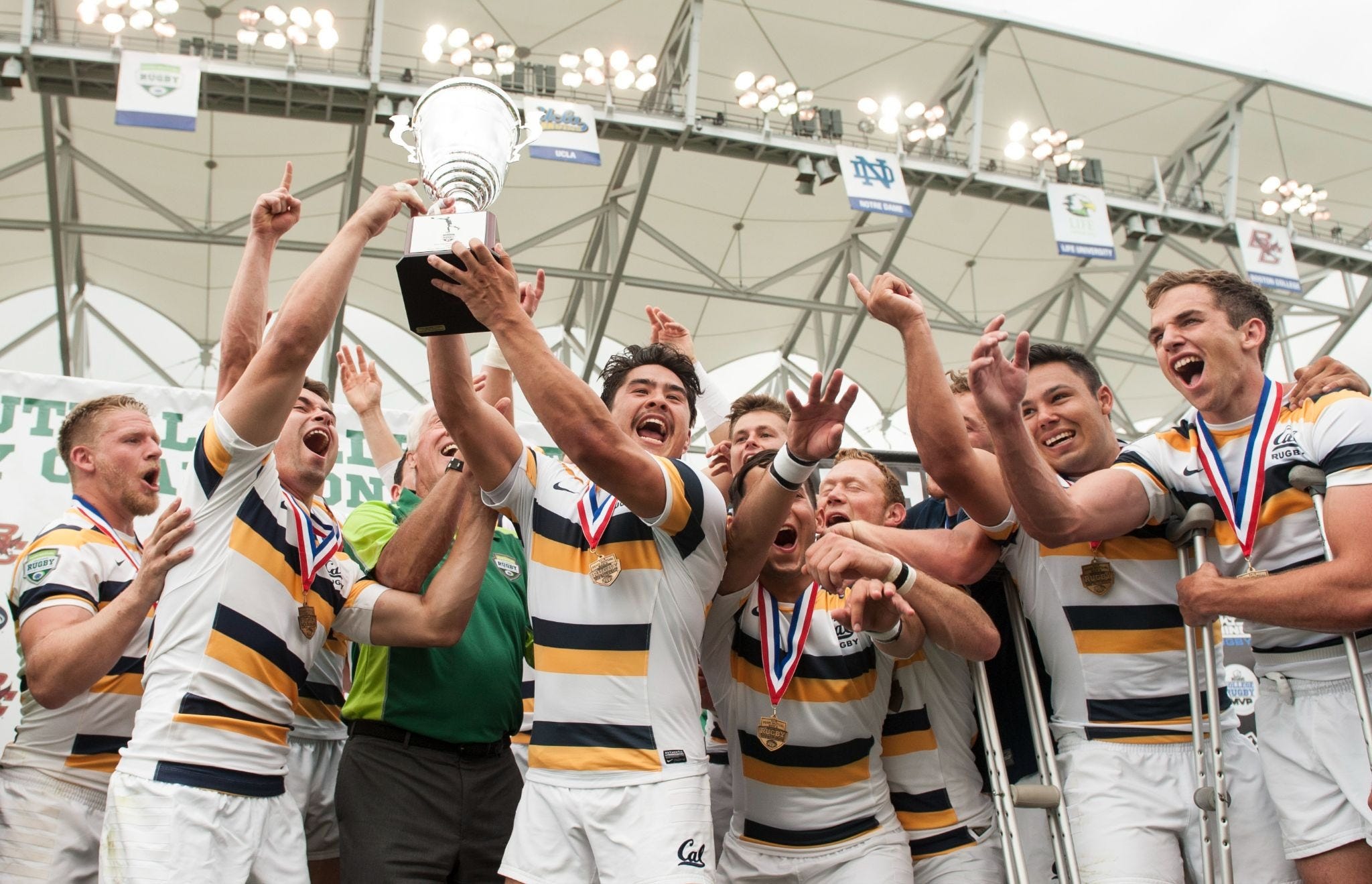
Currently, the three governing organizations feature regional conferences and national championships for both sevens and fifteens. But no team can really claim to be the national champion. Who is the true sevens champion or fifteens champion? If you’re new to the sport, you’re also trying to sort through the reality that there are three divisions for men and women in the NCR, three divisions for CRAA men, two divisions for CRAA women, and three divisions for NIRA. Fans also have to wade through understanding varsity, elite, club, etc. Good luck attracting new fans. Sports is meant to be an outlet, not a 10-page diner menu with an insurance policy attached.
College rugby should have a story like college baseball, which averaged 2.0 million viewers for the 2026 Men’s College World Series final across ABC, ESPN and ESPNU, or college softball, which smashed records in spring of 2026 while broadcast on ESPN,
College rugby should have a story like college men’s and women’s lacrosse, both of which enjoyed banner years while broadcast on ESPN. College rugby could have a story like women’s volleyball, which was also carried by ESPN and increased its average viewership up 36% from fall 2024 to fall 2025.
Even wrestling! Underserved and often misunderstood, wrestling is akin to rugby and yet viewership of college wrestling surged during March 2026.
College rugby in America should enjoy the same viral sensation moments and fandom, but it doesn’t and it won’t until it has a better story to tell – one united story to sell and to tell. I’m not saying anything prophetic or new, but sadly it still has to be said in 2026. College football bowl and playoff games along with March Madness hoops and Frozen Four energy is the goal, but if rugby can land among the baseball, lacrosse, softball, and volleyball then it will have found its place.
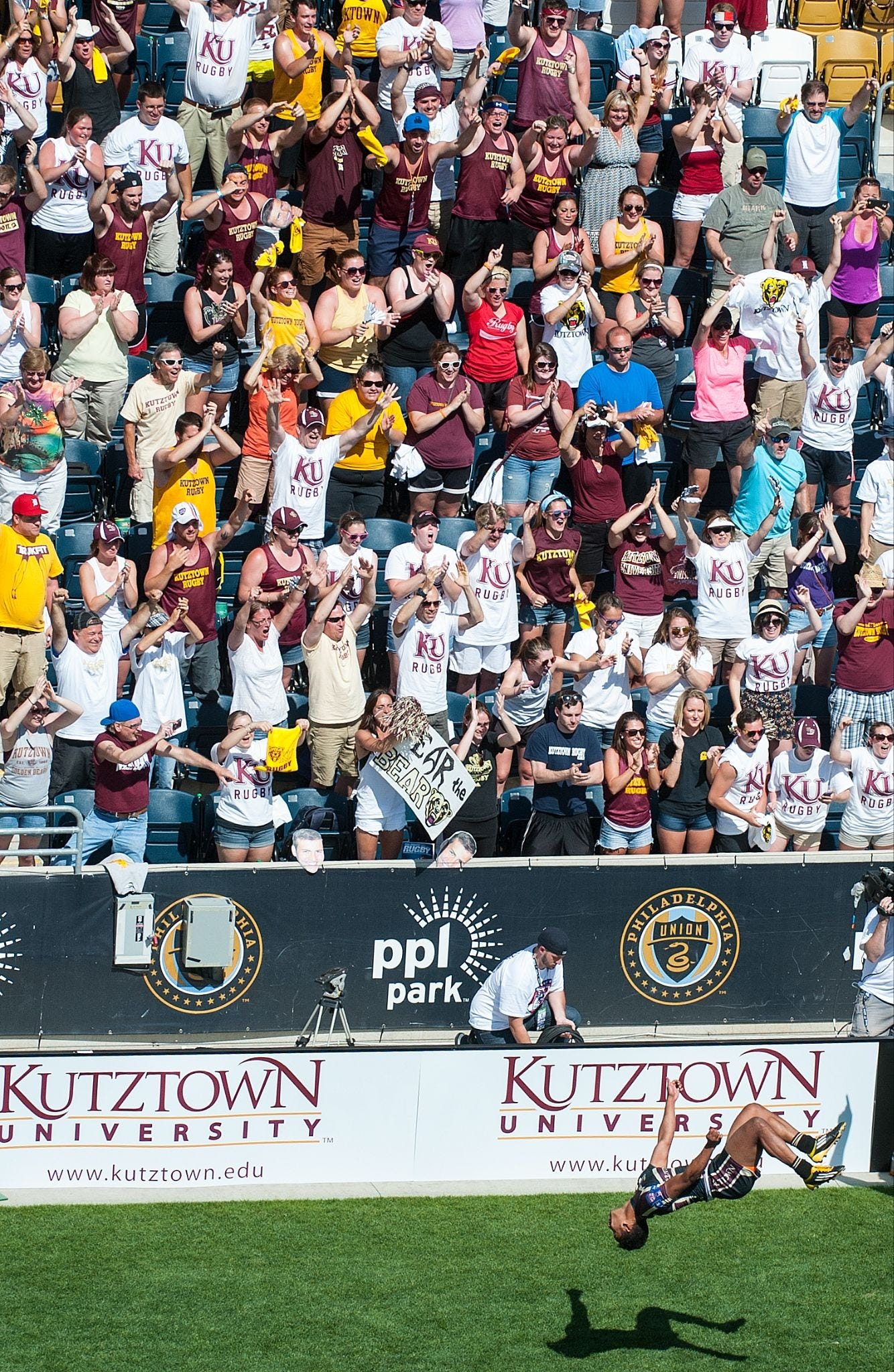
Could you just imagine a proper tournament with a proper full bracket and college students doing what they do best, getting behind their school team with all the emotion and time in the world; no need to explain the fractured landscape of the sport to prospective fans – it’s just pure sport and fandom. But the infrastructure has to be there and the story has to be compelling.
It would be wonderful if any of the current college rugby overlords found a major network, but what is the pitch to the network?
“We would love for you to be our broadcast partner of our college rugby playoffs, but our organization only features half of the teams that play in this country? It’s like a national championship, but not quite…”
(heavy sarcasm)
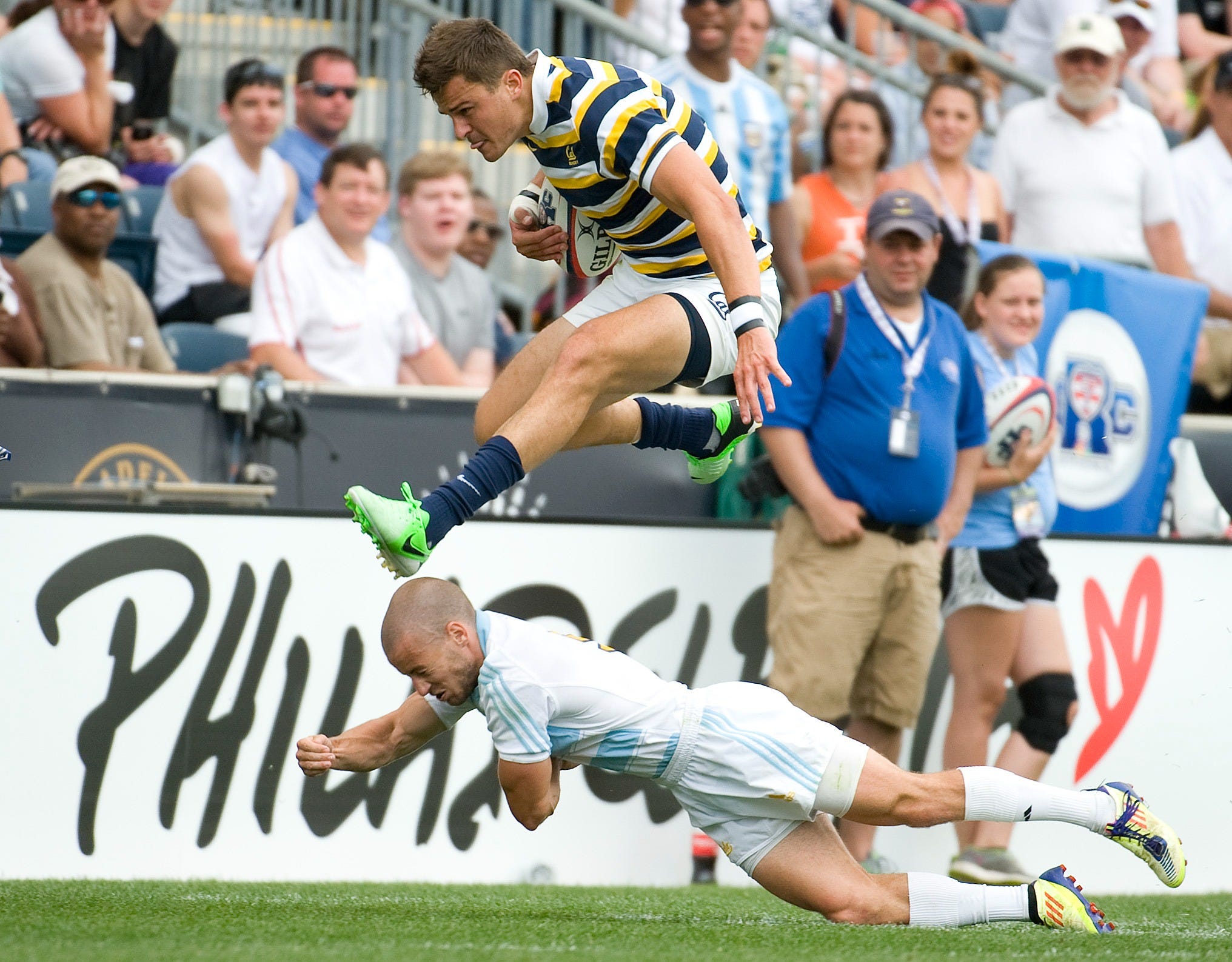
I have to imagine that a united college rugby scene not only makes the sport more interesting, but more appealing to potential donors, sponsors, broadcast partners, and to universities, which could be incentivized to prioritize their rugby programs rather than look at them like a line item that can be cut at any time. A three-time “national champion,” Quinnipiac University’s rugby program, of Ilona Maher fame, had its status moved from varsity to club in June 2026. Central Washington University dropped its varsity rugby programs in April 2025. While the details behind the decisions are not known, one could argue that a stronger foundation for the sport, and certainly broadcast deals, would only help college programs across the country as the sport itself has no real roadmap or structure. Can you imagine Maher with an NIL deal in 2026? Can you imagine natural rivalries that feed into rugby? Michigan vs Ohio State? Army vs Navy? Playoff games that matter? Actual national championships?

Collegiate rugby sevens enjoyed a brief stint on national TV when the Collegiate Rugby Championship (commonly known as the CRC) was first held in Columbus in 2010, before moving to the Philadelphia Union’s Subaru Park for the next nine editions. The event was nationally televised by NBC and its sports network, before the rights shifted to ESPN+. As a sister event to the USA Sevens in Las Vegas, held by Jon Prusmack’s United World Sports (UWS), the CRC saw talent including: Madison Hughes, Danny Barrett, Blaine Scully, Colin Hawley, Nate Ebner, and more graduating to the national 15s and 7s teams. Later, as the event embraced the women’s side of the game, talent including Rachel Ehrecke, McKenzie Hawkins, Tess Feury as well as Olympic medalists Samantha Sullivan and Spiff Sedrick saw their first national exposure at the tournament.
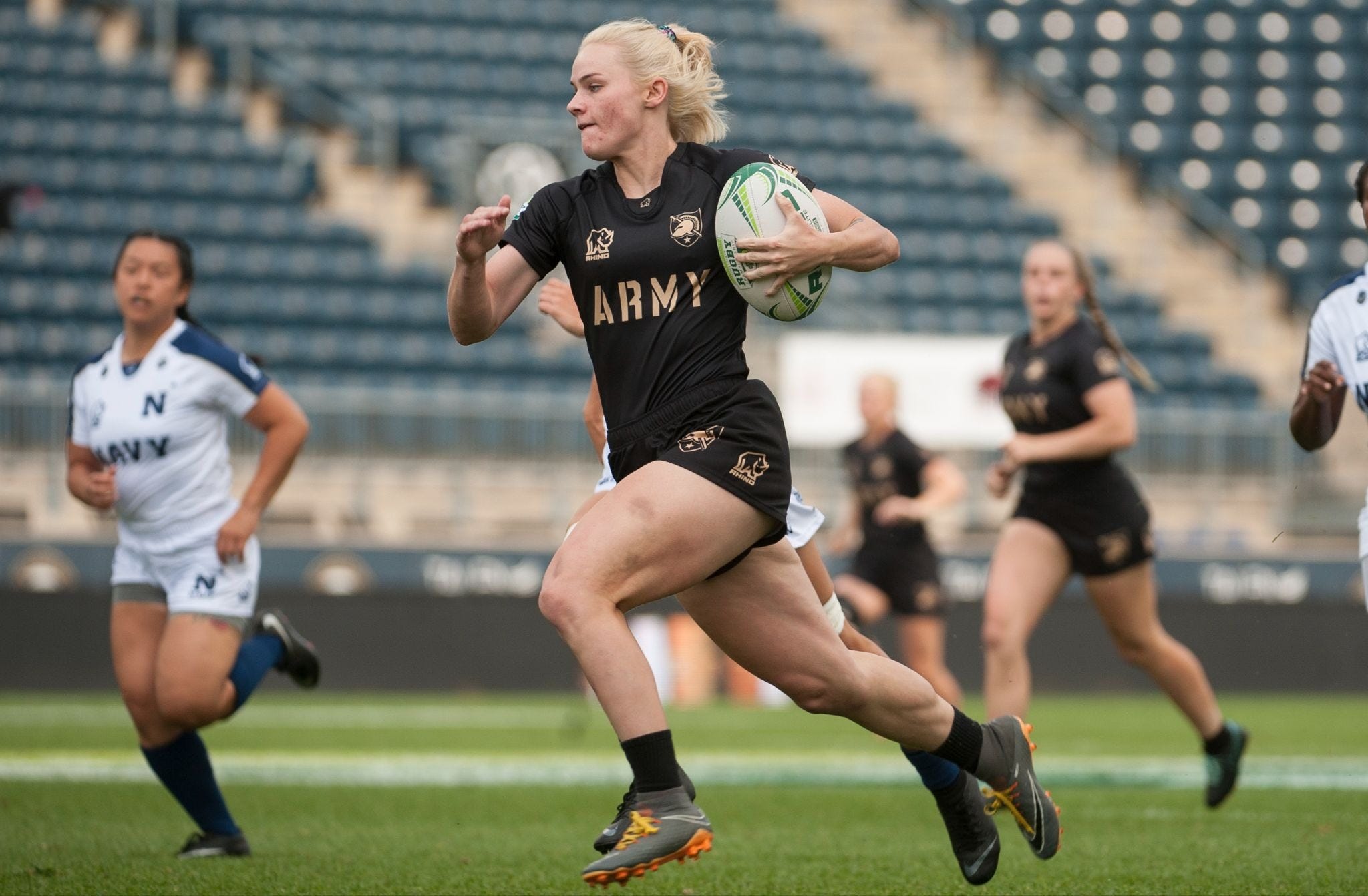
Following the downsizing of the event side of United World Sports, following the loss of the USA Sevens event, the Collegiate Rugby Championship was handed to NCR. (formerly the National Small College Rugby Organisation who would assemble a small college all-star team to compete at the tournament) In a reduced form, the event moved to New Orleans, before finding its current home at the Maryland SoccerPlex on the outskirts of Washington D.C. Since taking over the event, NCR have declared the winners as ‘National Champions.’
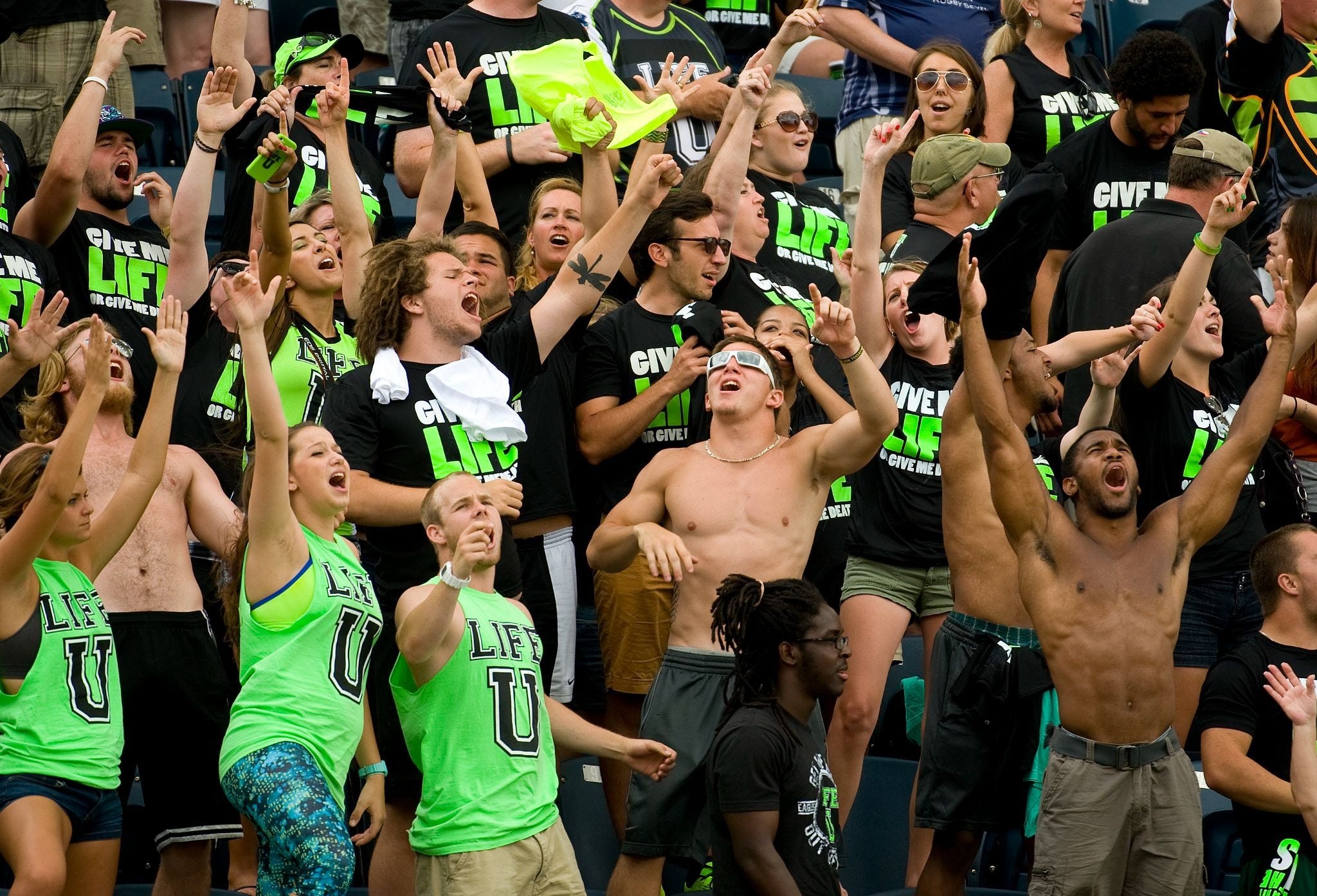
On the fandom side of this argument, casual sports fans aren’t going to take the time to learn the nuances between CRAA, NCR, or NIRA, and likewise the differences between varsity, elite club, and club rugby. College students love to cheer for their school and classmates, but the sport has no real or welcoming access points to fandom, nor does it have any true national champions to point to. With fans already invested through loyalty to their school, it prevents an opportunity to grow fandom of the sport - amid struggling domestic professional leagues. Where’s the growth mindset and strategic vision for attracting fans and sponsors? Hint: It doesn’t exist.
“Can there be a room where everyone in college rugby that is involved says, ‘can we, should we have a marriage?’” is what Will Hooley said to me in an interview back in May. “ I mean, CRAA, NCR, I love them both. I love them both. I believe they do such great things and I don’t even need to go into the politics, but...it just makes me sad. It just makes me sad that the collegiate level is fractious. It just doesn’t make sense to me. This is where we need collective buy-in.”
The health of the sport in America really relies on college rugby; it’s a pathway not only for players, but also for fans. And, if Major League Rugby ultimately collapses before 2031, what will rugby in American rugby fall back on? Yes, an emboldened CRAA product is terrific and maybe it helps the USA Rugby-backed college organization win the turf war, or create a more elite tier, but how long will that take? Unlike pro sports, and other college sports, a college rugby program is arguably not as taxing.
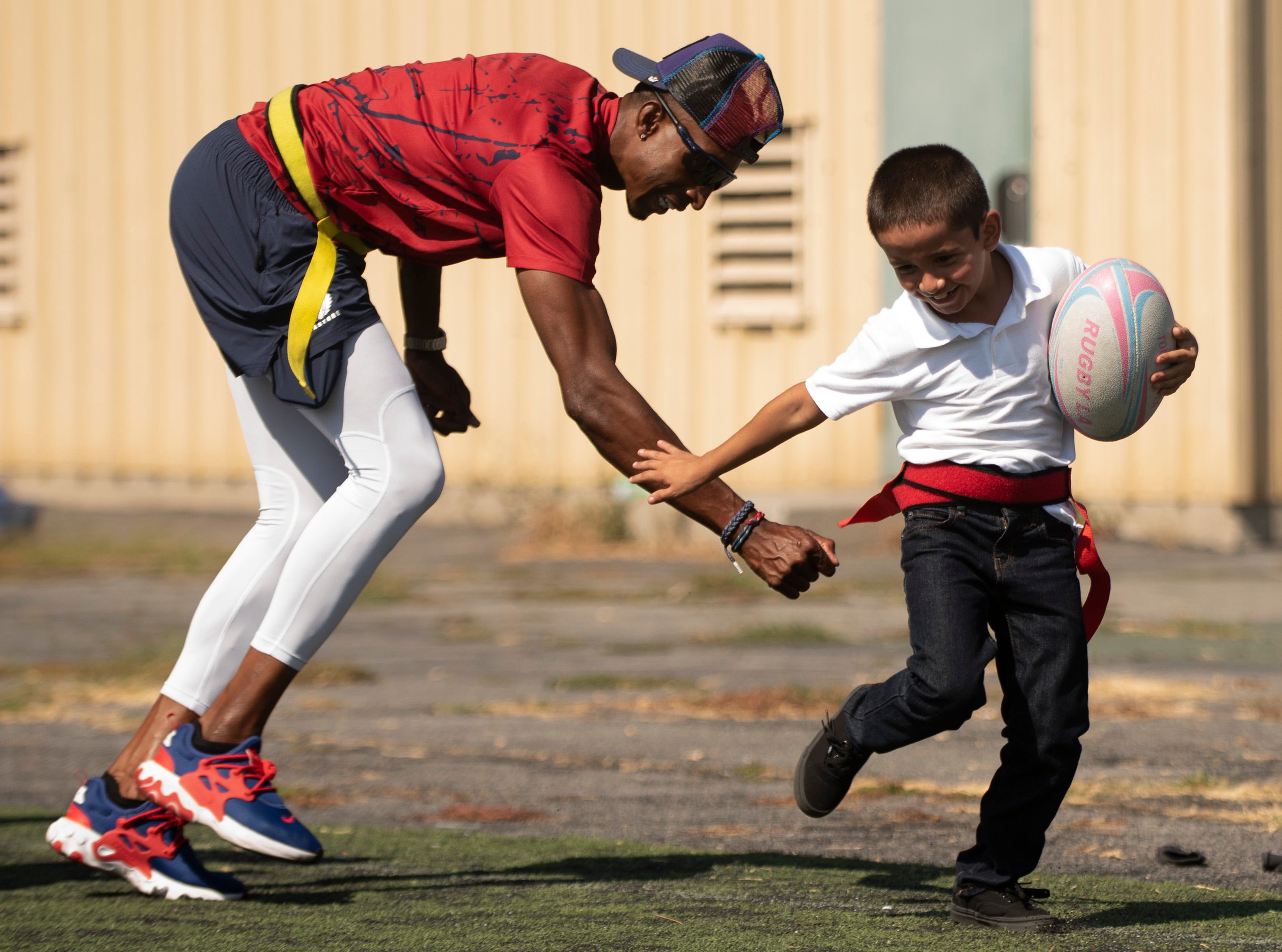
Can more reasonable heads prevail or will we continue to participate in self-sabotaging methods? Can America cultivate a healthy infrastructure and way forward for the sport to grow on every college campus to the point where millions of former high school student-athletes are interested in giving it a go? Can the sport capture the imagination of students who are already fans of everything else at the school (Go State!) and create a following on campus?
Storytelling is so big when it comes to selling sports. Hooley even noted it in his latest post (What FIFA’s World Cup Taught Me About Rugby’s Biggest Opportunity): “My biggest hope is that Rugby World Cup 2031 secures a broadcast partner willing to invest in telling the stories, creating compelling coverage and making the tournament feel like a genuine global event.”
The same argument could be made for college rugby, and even more importantly, just one story.
The reality is, college rugby can continue down the current path and the various organizations can continue the tug-of-war game, but in the end, no one really wins, and the sport suffers. As programs ping pong back and forth (most notably between CRAA and NCR) and schools pull the plug on varsity programs, they’ll all be left with big pieces of a very small pie.
There is only one solution, and a mere handful of people that can make it happen, so let’s make it happen.

No posts
Comments
Nothing yet. Say the first thing.
Sign in to join the conversation.