
If you already know Angélique, it is my pleasure to remind you of her existence. If not, you’re welcome. This could be your next discovery, both delicious and nourishing.
For fans of Cyrano and The Three Musketeers, or anyone who is tired of reading books about unlikeable women being bored, or Americans complaining about other Americans, Angélique is the story of a daughter of an impoverished provincial nobleman from Poitou. Across thirteen volumes and five movies, she grows from a semi-feral teenager into a seasoned adventuress who traverses social classes and continents.
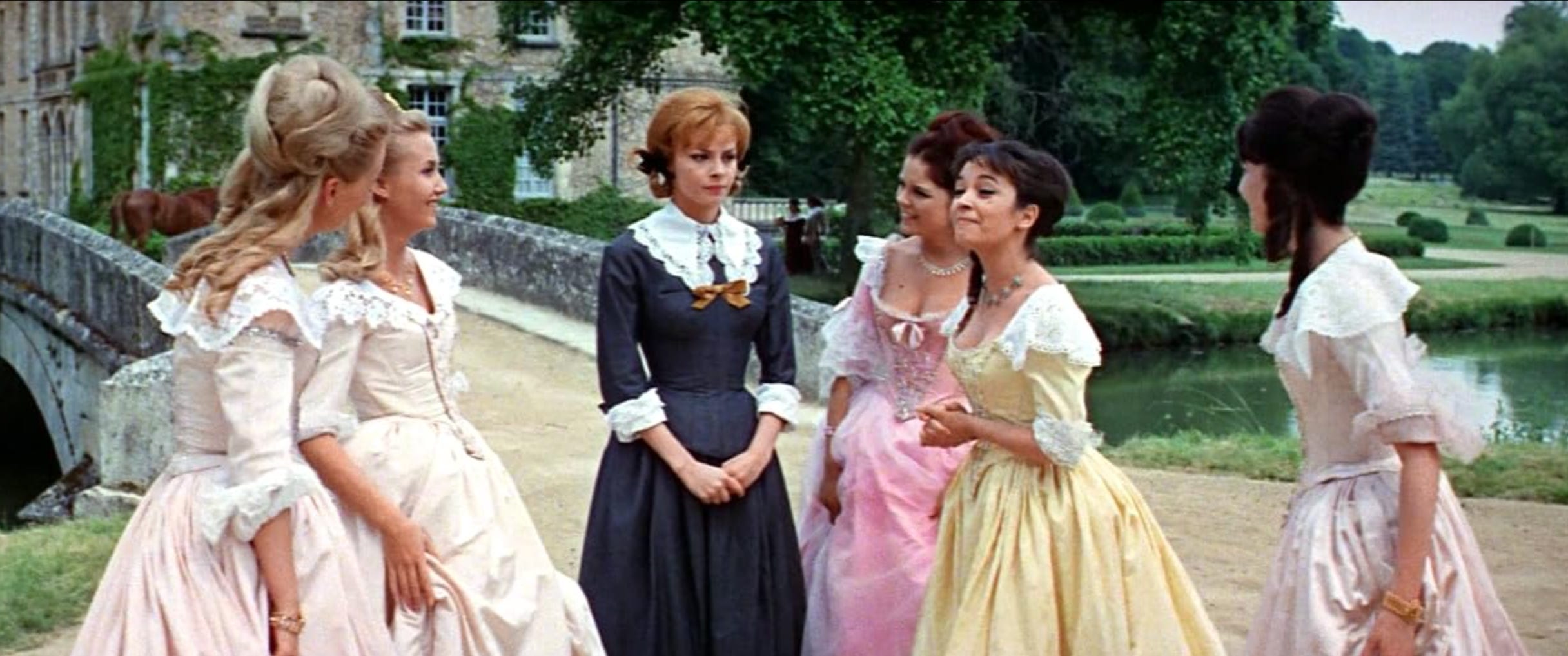
Created in France and wildly popular in Eastern Europe and Japan, the series has an origin story that is itself a page-turner. The books were written by Anne Golon with the support of her geochemist husband Serge, aka Vsevolod Sergueïvitch Goloubinoff – that’s right, a Frenchman of Russian origin. In a heartwarming example of emigré excellence, Serge Golon was born in Uzbekistan and raised in Persia.
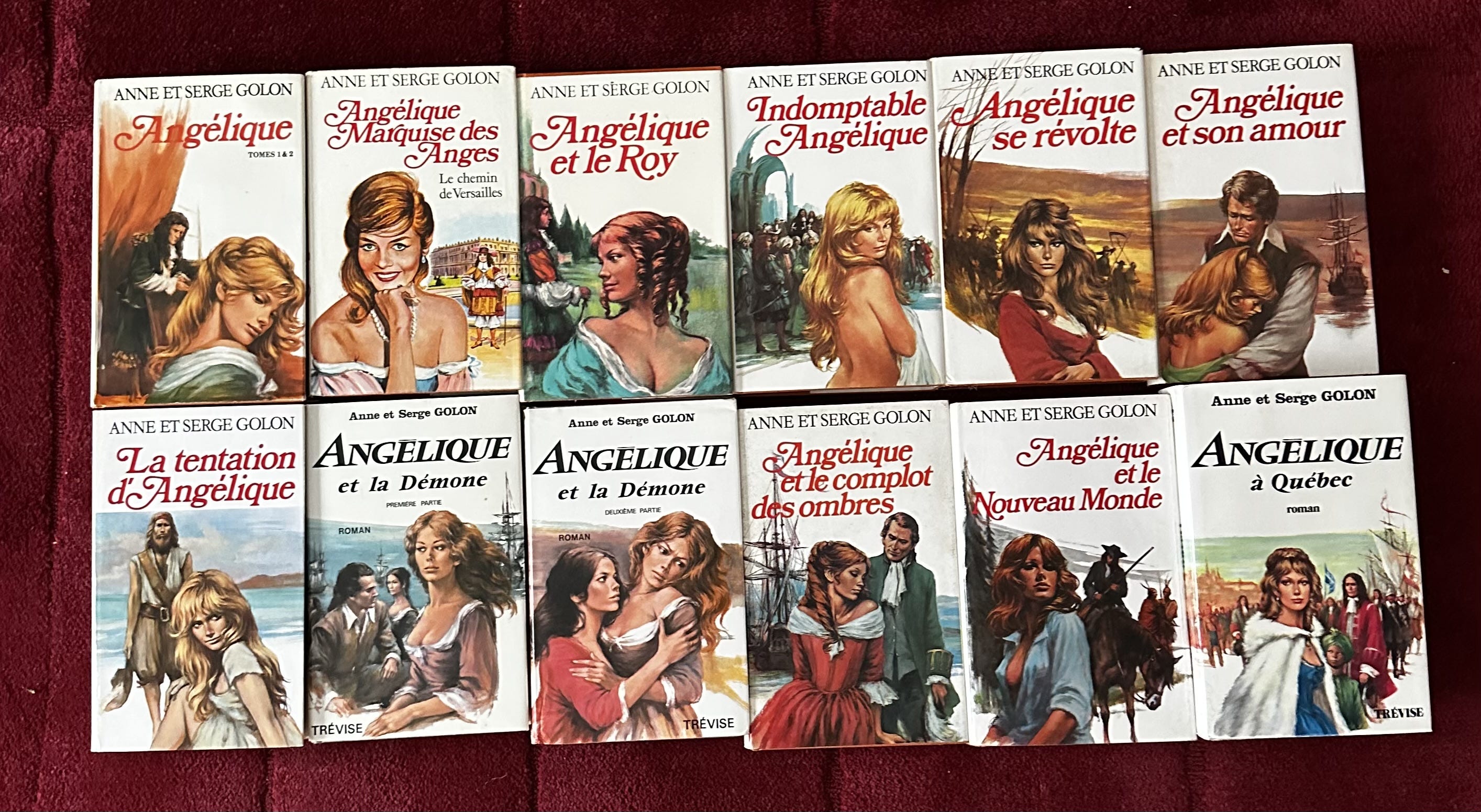
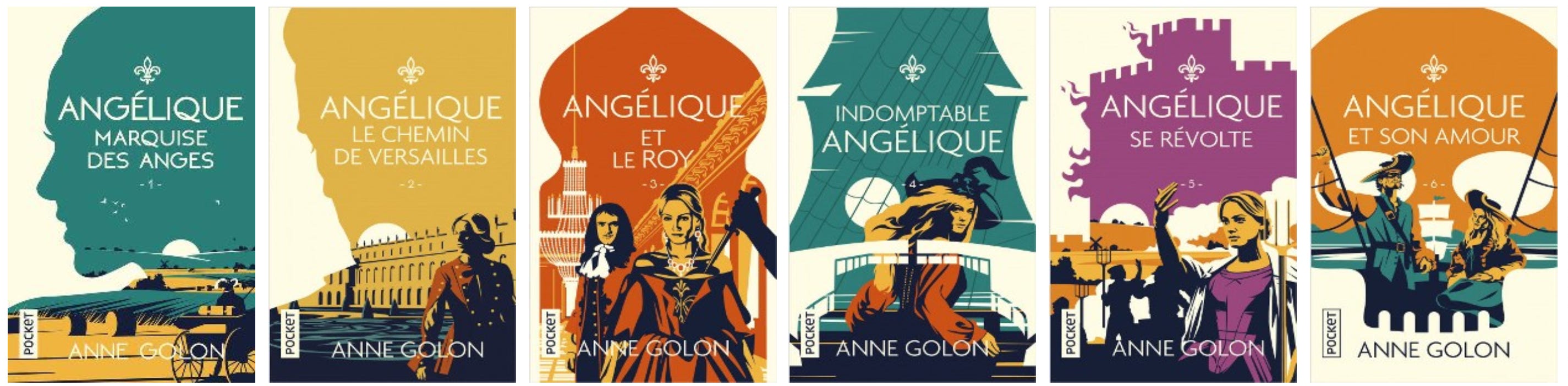
Though he was happy to help with research and let Anne do the writing, the publisher insisted on having a man’s name on the cover. Crediting both of them as authors was a concession. Times have changed, of course. New covers acknowledge Anne as the sole author, though arguably the design has lost some flare.
Like every Eastern European woman alive at the time, I watched all the movies over and over. Angélique was in the air, ever-present, like currency devaluation or the Yupi powdered drink. In my twenties, I have rediscovered her and have loved her more consciously ever since. And not just because the heroine is unapologetically liberated, nor because the franchise brought us the cheesiest film scenes known to man. That helps, of course, but it is not the only reason to love these books.
So much contemporary culture is addressed towards an ideal Other, the holder of the keys of inclusion, the supreme referee in all national and international political struggles. Since my contemporaries are no fools, this Other appears not as a Sun King covered in jewels, but in more convincing disguises. It’s the community of good people who believe the right things and feel correct emotions at the appropriate time. It’s the ideal of how things should be (and therefore, goes the unarticulated argument, how they can and will be). This imagined Other is capable of combining morality and power in its unassailable authority. When we are admonished to “speak out,” it is to this Other that our speech is directed.
In the Angélique novels, this function is absent. The books are populated by people who live out finite lives in overwhelming circumstances which they did not set up. Some characters are stronger than others, prettier or smarter, or better at plotting, or better resourced, or more ruthless, or maybe just a bit dumber, and that protects them for a time. But for every one of them, even for the seemingly omnipotent Cardinal Mazarin, human control over circumstances has limits. Everyone flounders, everyone dies. The world of Angélique is amoral and structurally hopeless.
This is why, though the novels are often classified as romance, the very first instalment of the series is the story of how Angélique loses her beloved.
In Angélique, Marquise des Anges, our heroine is married off and sent away to the distant and exotic South of France. Everyone pities her, because her new husband is the filthy rich but disfigured and infamous Count Joffrey de Peyrac. Upon her arrival in Toulouse, Angélique discovers in him not an avaricious ogre but a man who is intelligent, decisive, talented – and, for all these reasons, pretty hot. We learn that the Count is a businessman and a poet, that he rose out of poverty and incapacitating disability through sheer force of will, and that his wealth comes from advanced scientific knowledge he learned from African scholars and put to work in Languedoc. Among all the novels’ characters, when it comes to making the best out of the cards he’s dealt, Peyrac is rivalled only by Angélique herself.
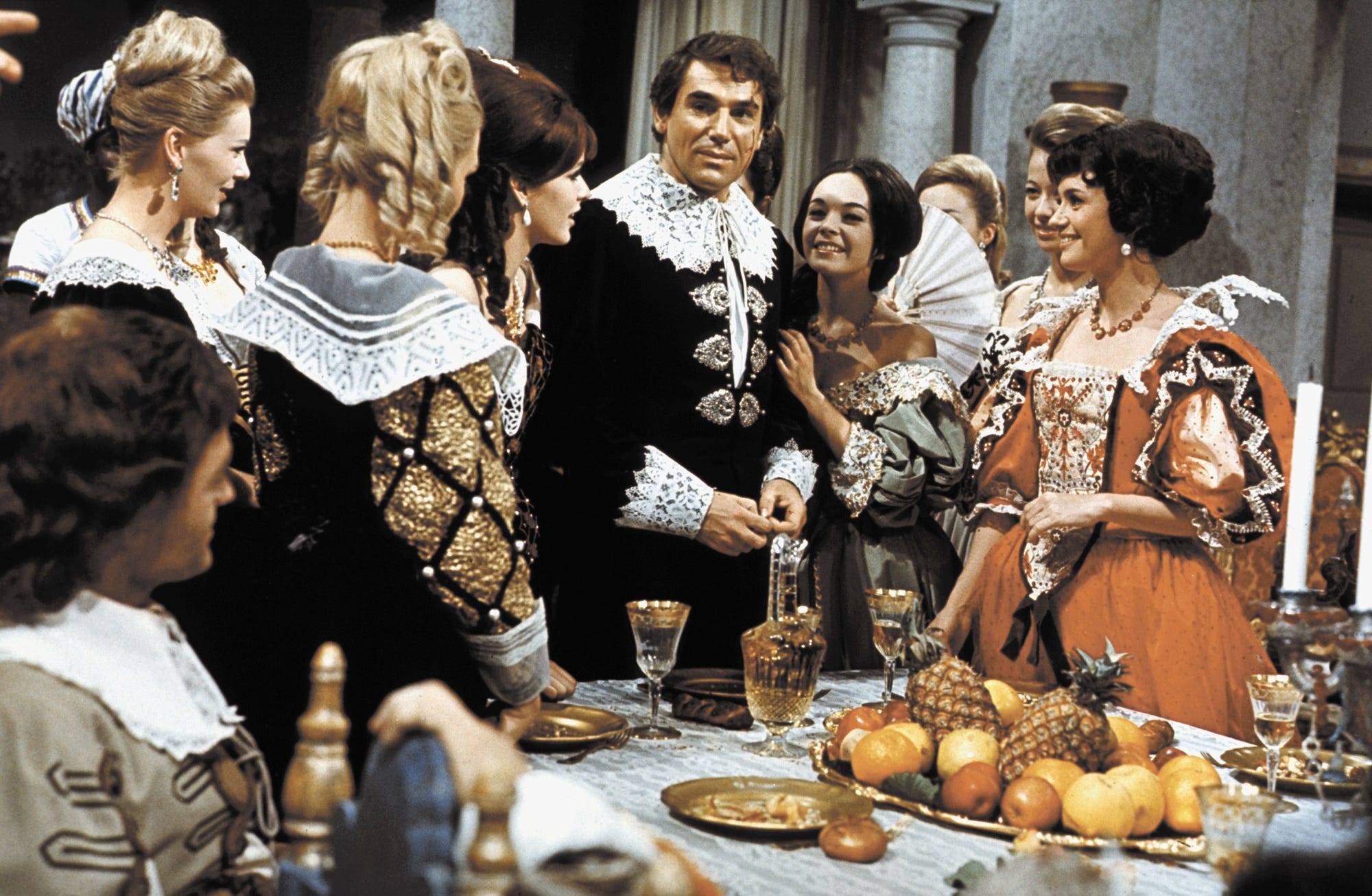
Of course, Peyrac is doomed.
In his attempt to survive and live independently, according to his own best understanding, he has shown contempt for the order of things. He would have been better off plotting to poison the king and fighting on the side of the Spanish, like the Prince de Condé. In that case, he could have still been tolerated and even welcomed. The real sin is to neither serve nor oppose the King. The sin is to step out of the reigning discourse – so Peyrac is arrested, imprisoned, and burned as a witch.
It is sad.
But there are twelve more books to go, my friends. Angélique is not a tragedy. It’s a picaresque novel – increasingly the only form of realism that holds for me any interest.
EXPLORE the Angélique universe with this Czech website
For historical immersion, READ Nancy Mitford’s THE SUN KING: Louis XIV at Versailles
WATCH a trailer
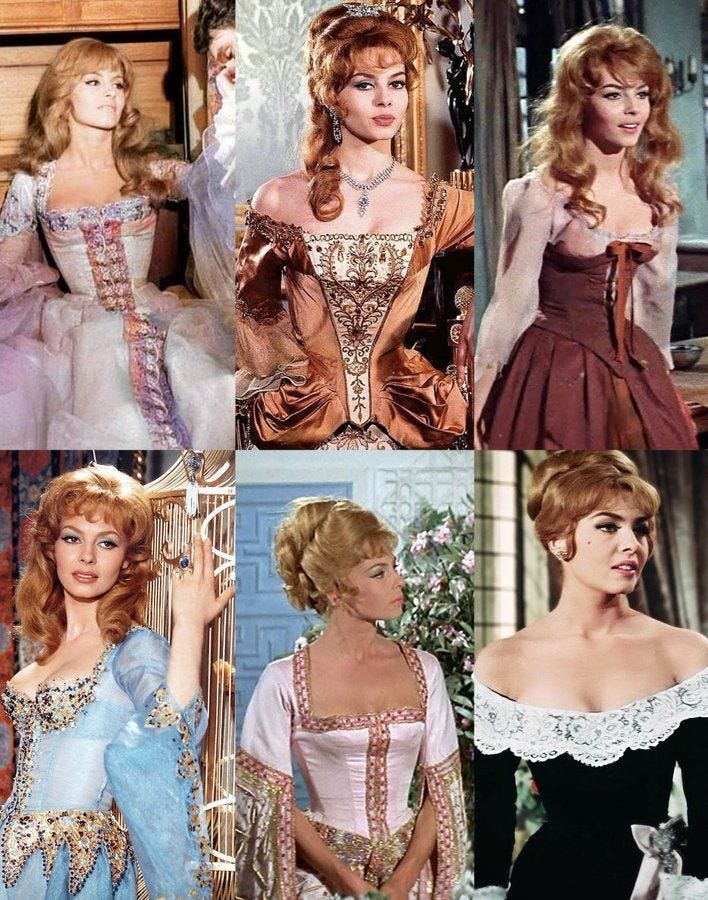
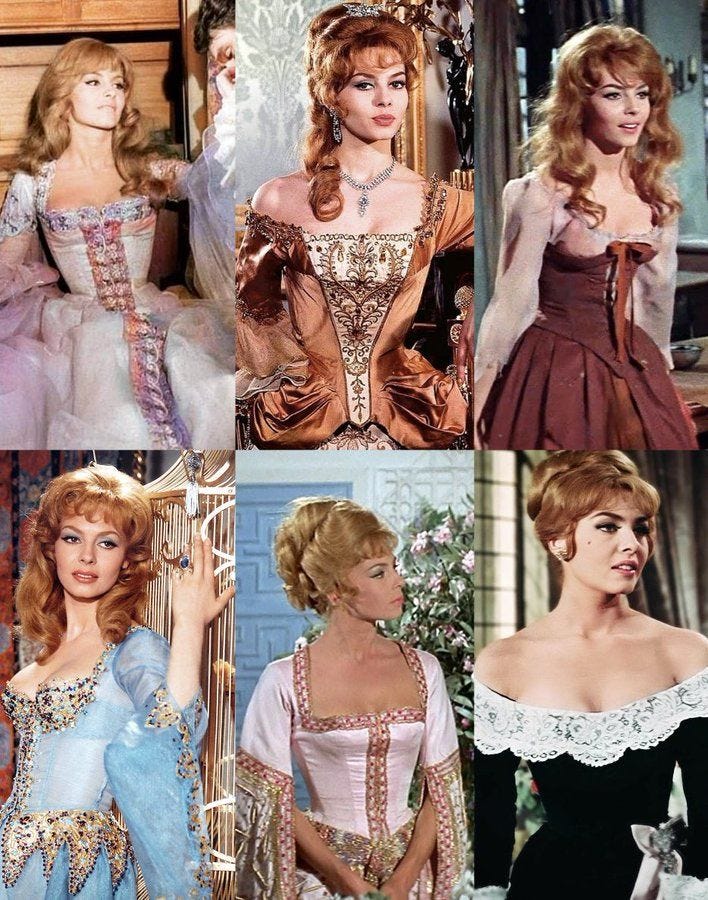
GET outfit inspo
No posts
Comments
Nothing yet. Say the first thing.
Sign in to join the conversation.