
Within a 13-year period from the turn of the twentieth century, the three modern giants of Dutch football - Ajax Amsterdam, Feyenoord (Rotterdam) and PSV Eindhoven - were formed. They have all won the European Cup/Champions League, Ajax on four occasions.
Since the first Eredivisie in 1956/57, these clubs have mopped up nine out of ten of the Netherlands’ top-flight titles bar six. AZ Alkmaar have two titles, while DOS Utrecht, Sparta Rotterdam, DWS Amsterdam and, most recently, Steve McClaren’s FC Twente were Landskampioen (National Champion) back in 2009/10.
Prior to the Eredivisie’s launch, there was another national league, so I have included total titles in the club’s summaries.
Here’s a brief history of how the Netherlands’ Big Three got started.
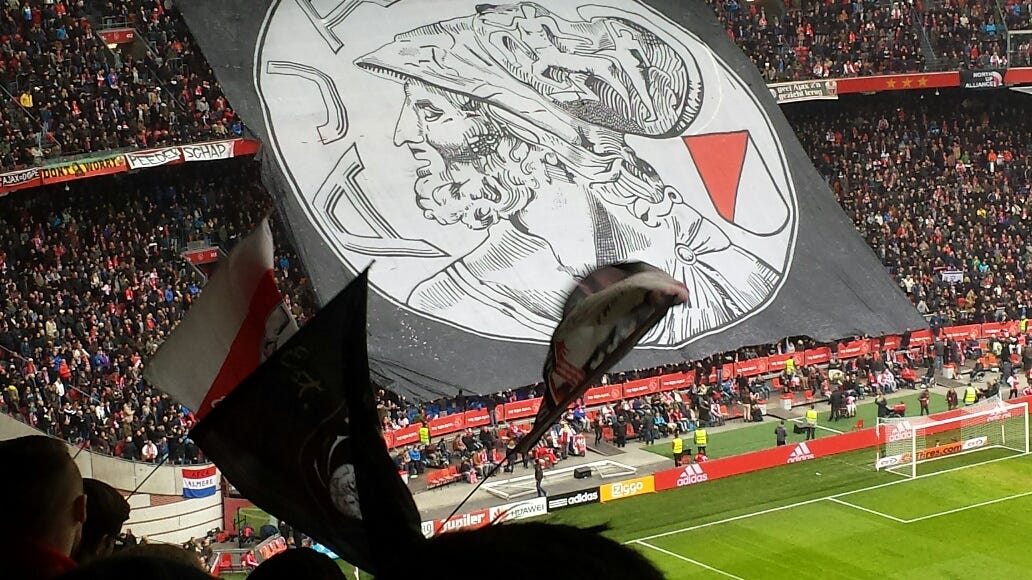
Named after an ancient Greek warrior, Ajax Amsterdam was founded on 18 March 1900, the second such attempt to form an ‘Ajax’ after a previous effort in 1894. The club spent its first decade in the second tier of Dutch football before reaching the top flight in 1911 under Irishman Jack Kirwan for just three seasons before its first, and so far, only, relegation.
For context, while Association football had been played in the Netherlands since the 1870s with the foundation of Haarlemsche FC, it was a rich man’s game.
When I wrote my first book, Origin Stories: The Pioneers Who Took Football to the World, Dutch football journalist Jurryt van der Vooren told me, “When football started in the Netherlands, it was not played by the poor people, only by the rich, and they didn’t allow poor people to become part of the club. The higher society would decide who could become members and, besides, the poor people didn’t have time to play football as they were working.”
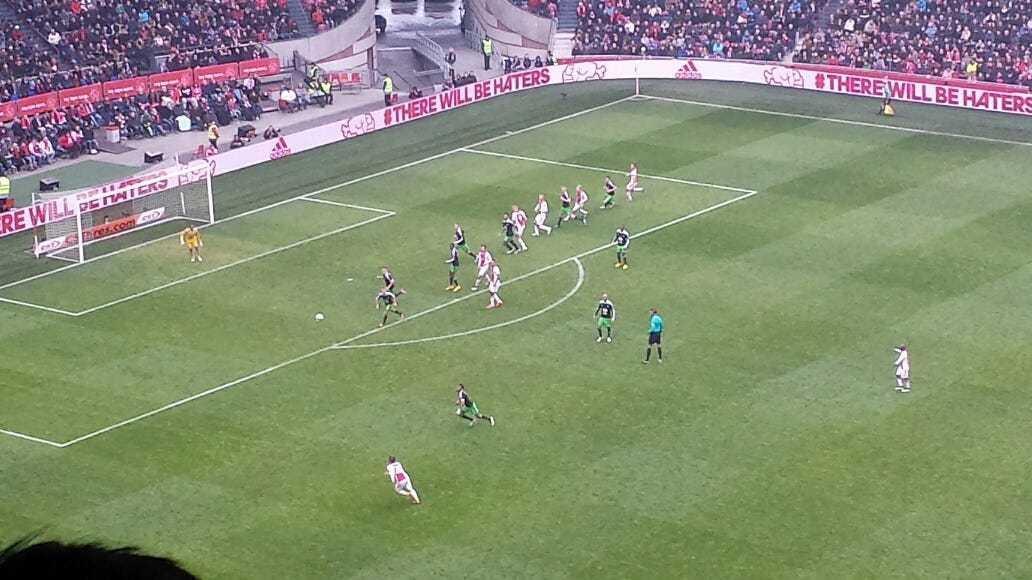
As an indicator of the quality of the Dutch game before World War I, in 1913, Ajax even lost a friendly 3-1 at home to lower league English amateurs, Tunbridge Wells FC.
Ajax has been crowned Dutch champions 36 times since its first title in 1918.
On 19 July 1908, at the De Vereeniging café in Rotterdam, four young sportsmen formed the Wilhelmina club (the name of the Queen of the Netherlands at the time). Four years later, the club settled on the name Rotterdamsche Voetbal Vereeniging Feijenoord (Rotterdam Football Club Feijenoord) and, after several kit changes, selected its now-famous red-and-white shirts and black shorts. It was not until 1974 that the club changed its spelling to the current ‘Feyenoord’.
Based in the south of the city, Feyenoord quickly gained a reputation as the working-class football club at a time when Dutch football was still very much a gentleman’s game. Until the 1920s, Feyenoord were not even the top team in Rotterdam. That honour went to Sparta, which is the Netherlands’ oldest professional football club, founded in 1888. Sparta won five of its six national titles between 1908 and 1915, with its final title, and only Eredivisie title, coming in 1959.
Feyenoord became the first Dutch club to win the European Cup in 1970, ushering in a brief period of Dutch footballing dominance in Europe. Arch-rivals Ajax won the European Cup in the following three years. Feyenoord would win the UEFA Cup in 1974, and the Klassieker fixture between Ajax and Feyenoord has led to so much fan violence in recent decades that away fans are banned.
Feyenoord has 16 national championships.
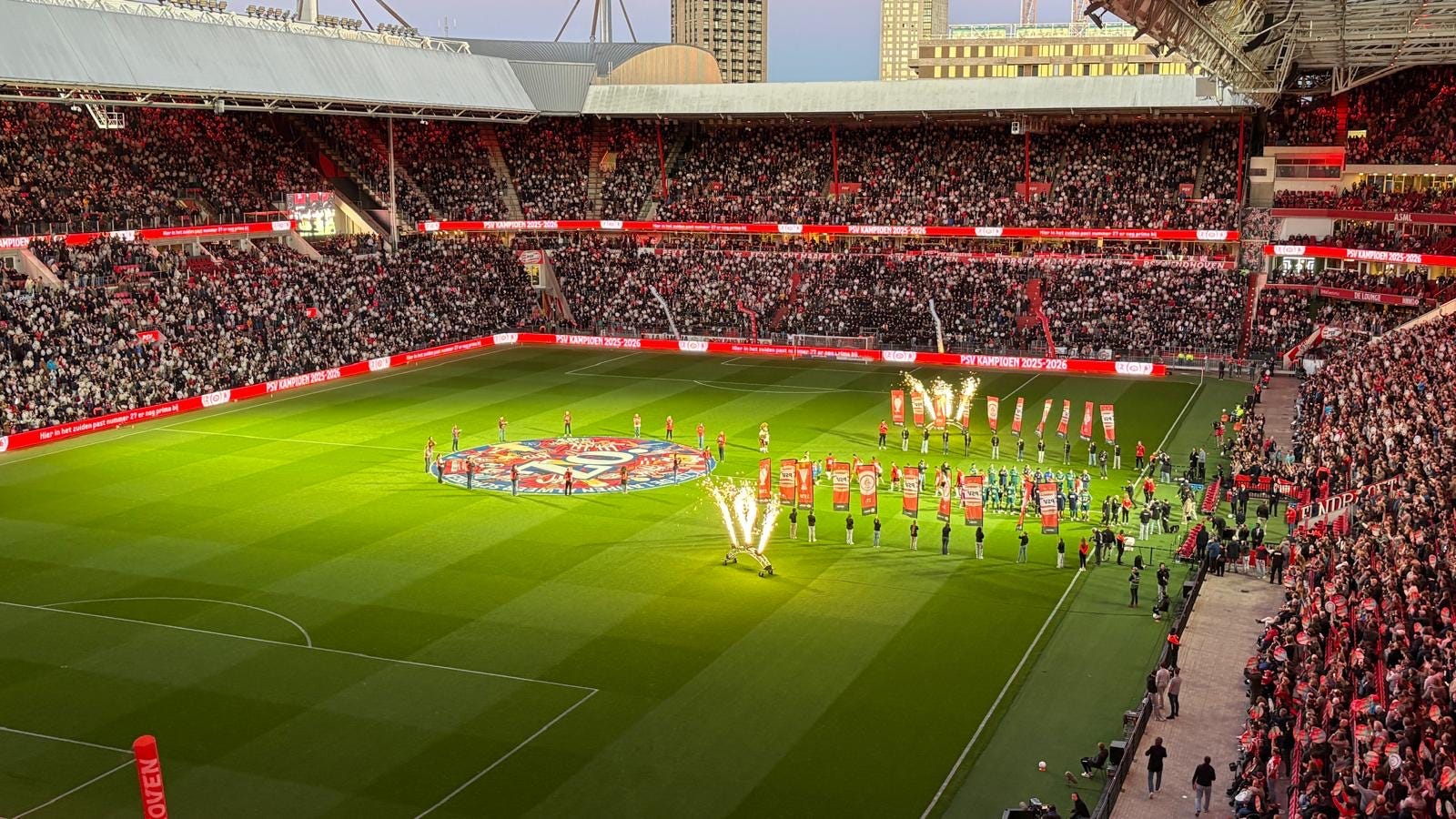
The third of the big three, Philips Sport Vereniging (Philips Sports Union), was founded in Eindhoven on 31 August 1913 after a party marking the centenary of Dutch independence from Napoleon’s France at the Philips electronics company. The roots of the club had been set in train three years earlier when a group of employees played within the grounds of the Philips village before the football team was absorbed into the wider PSV on 22 October 1913.
“There was a big social revolution at the start of the First World War,” Jurryt van der Vooren explained to me for Origin Stories. “Although the Netherlands was neutral, young men had to join the army in case of invasion. These young men would pass much of the time playing football. For many Dutch men, this was the first time they had ever played football, and they liked it so after the war they started up their own clubs. It is during the First World War that we see football move from being the game solely of the rich towards becoming the national sport as it is now. We have never had a class war in Dutch society, but in football we have.”
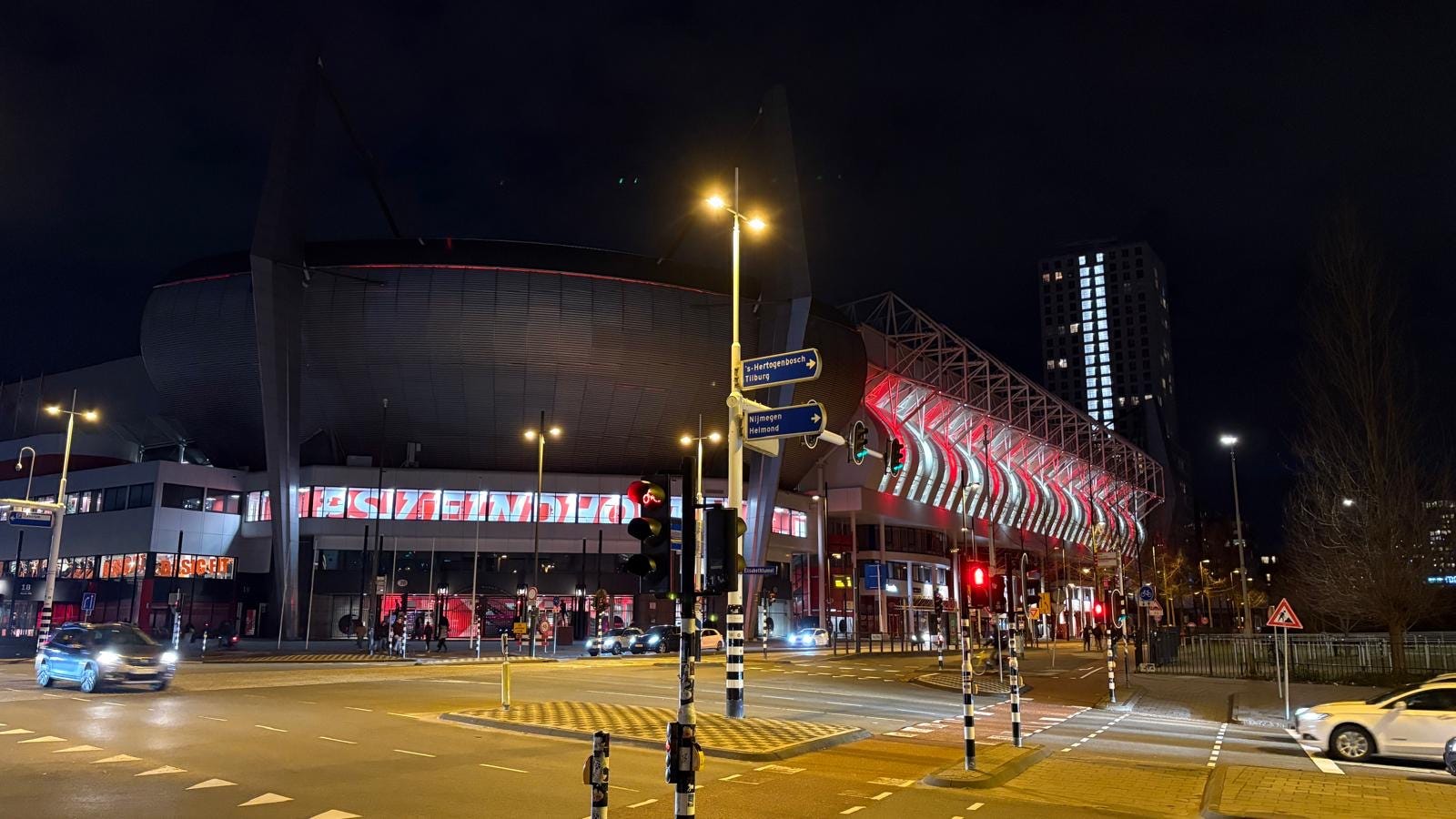
PSV joined the Dutch league a year later and within a decade had made it into the First Division, where it has stayed since 1926. For its first 15 years, the club was only open to Philips employees but opened up to people without a connection to the company in 1928. Football helped break down barriers.
Yet, PSV Eindhoven was something of a latecomer to the top table of Dutch football. Until the mid-1970s, the club had only won four championships. It has won a further 23 since then, nearly half the championships played since 1975. The peak came in 1988 with European Cup glory in Stuttgart against Benfica.
PSV is the reigning Landskampieon at the time of writing in summer 2026, after winning its 27th title.
If you’d like to know more about the roots of football in the Netherlands and elsewhere, please buy a copy of my book, Origin Stories: The Pioneers Who Took Football to the World.

No posts
Comments
Nothing yet. Say the first thing.
Sign in to join the conversation.