
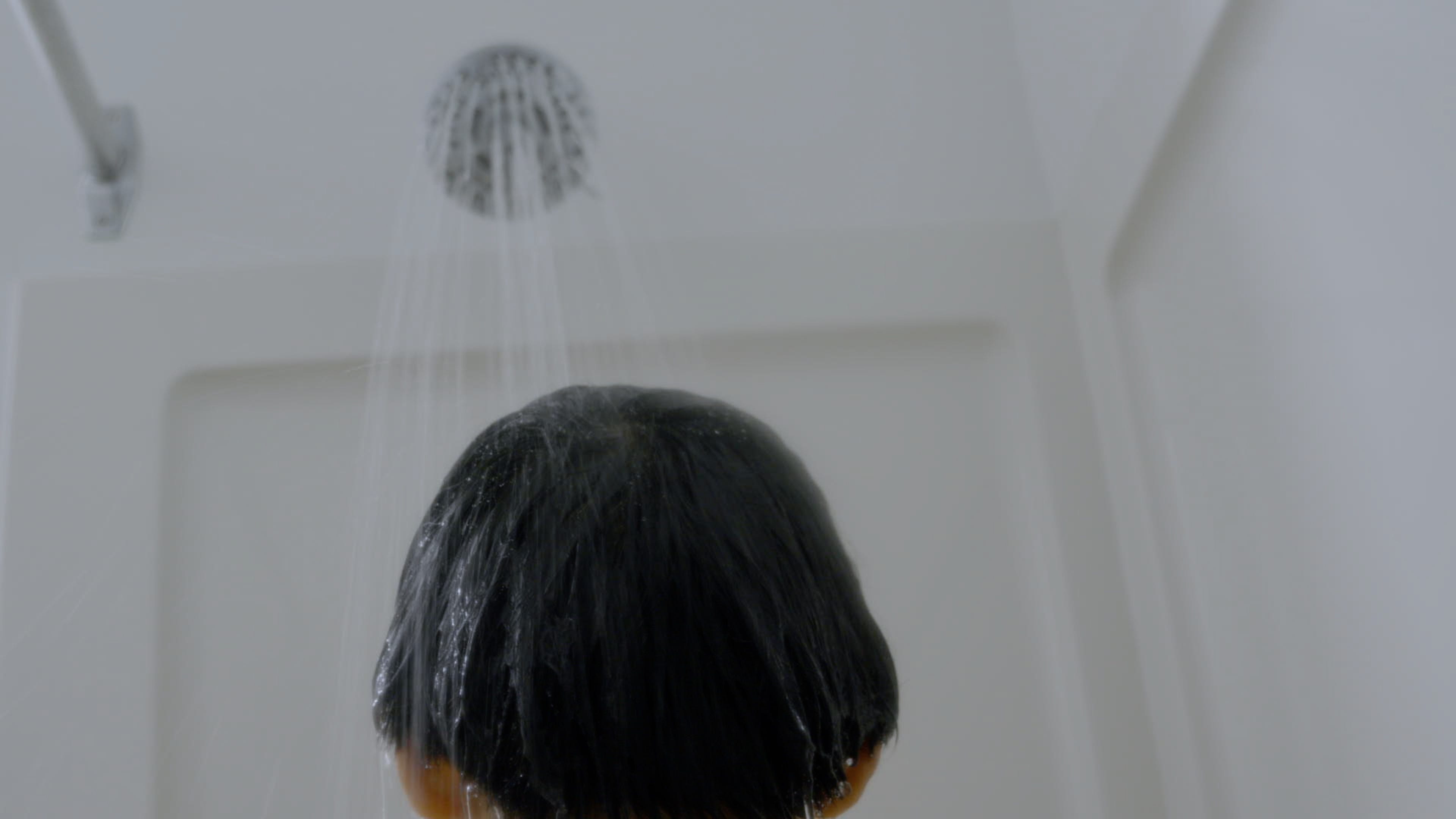
I AM NOT unique in being ashamed of my brown skin growing up. By far, I am not the only one that has tried scrubbing their brown skin in the shower to be more white. Every time I hear someone else describe this I feel such affinity and compassion for them.
I just finished listening to a 3-part podcast series about Racine v. Woods, a legal custody battle that went to the Supreme Court in 1983 that ruled against a First Nations mother who was trying to keep her young daughter. The decision allowed the child’s foster parents to adopt her. In a nutshell, the judges decided that the bonding between Leticia (the young girl) and the foster parents superseded the cultural importance of having her raised by her birth mother and community. From the decision:
The law no longer treats children as the property of those who gave them birth but focuses on what is in their best interests. In determining the best interests of the child, the significance of cultural background and heritage as opposed to bonding abates over time: the’ closer the bond that develops with the prospective adoptive parents the less important the racial element becomes.
There are many details and frustrations from the story that I won’t go into here that involve residential schools, trauma, and the effects of colonialism. I think this was a massive failure of a system that was never created to work in the best interests of Indigenous people. It should be no surprise that all five judges were white and only one a woman.
When Leticia was a child growing up around all white kids, she felt ashamed of her skin. She describes scrubbing her skin in the shower trying to wash the brown off. She hated when they sang the national anthem because it had the word ‘native’ in it. As a teenager she found her birth mom and community, but when she spent time with them she didn’t feel like she belonged. She called herself the “proverbial apple” — white on the inside, red on the outside (for Asians, the chosen fruit for this analogy is the banana — white on the inside, yellow on the outside). I know this feeling well. Growing up around all white kids, I became one with that culture, but visibly I was different. Then when I reconnected with “my people” I did not feel like I belonged at all.
Even though I resonate with Leticia’s feelings of outsiderness and not belonging, hers is a much more desperate and troubling story. Where I was raised in a stable and loving family, she had a tumultuous start to life, being at the centre of a nasty court fight. When she reached adolescence and was trying to figure out her identity, she lashed out and became involved in drugs, alcohol, and trouble with the law. (What’s so frustrating is that an expert testified that this is exactly what would happen.) After a string of lesser crimes she was eventually arrested after committing armed robbery. She spent time in jail where she found a genuine connection to an Indigenous community and started her path to understanding her history and culture.
Despite the outcome of this case — knowing how disregarding culture and heritage can play out in a child’s life — court cases since then have been decided based on the precedence of Racine v. Woods. Many more Indigenous children have been separated from their birth families. It wasn’t until 2019, when new legislation (Bill-C92) was enacted, that the law started to prioritize birth families and cultural community.
Part 1 is here; I highly recommend giving this short series a listen.
No posts
Comments
Nothing yet. Say the first thing.
Sign in to join the conversation.