
Sponsored by Go RVing. They invited me out to Colorado for this trip, but as always, the trail recommendations, opinions, and lessons are my own.
I finally made it to Rocky Mountain National Park. And while I’ll always be a California trail guy at heart, I have to admit it: Colorado made a pretty strong first impression. Of course it featured big mountains, moose on trail, and waterfalls, but it also had some elements that were unfortunately too California familiar: red flag warnings, drought, and burn scars that were slowly recovering.
This month’s guide is a little different than usual because I’m adding two hikes I did within Rocky Mountain National Park, both on the quieter west side near Grand Lake, as well as my researched list of bucket list RMNP trails.
For my California friends, I’d really appreciate feedback in the comments section as to whether or not this guide was valuable, or you’d rather this forum stay strictly California.
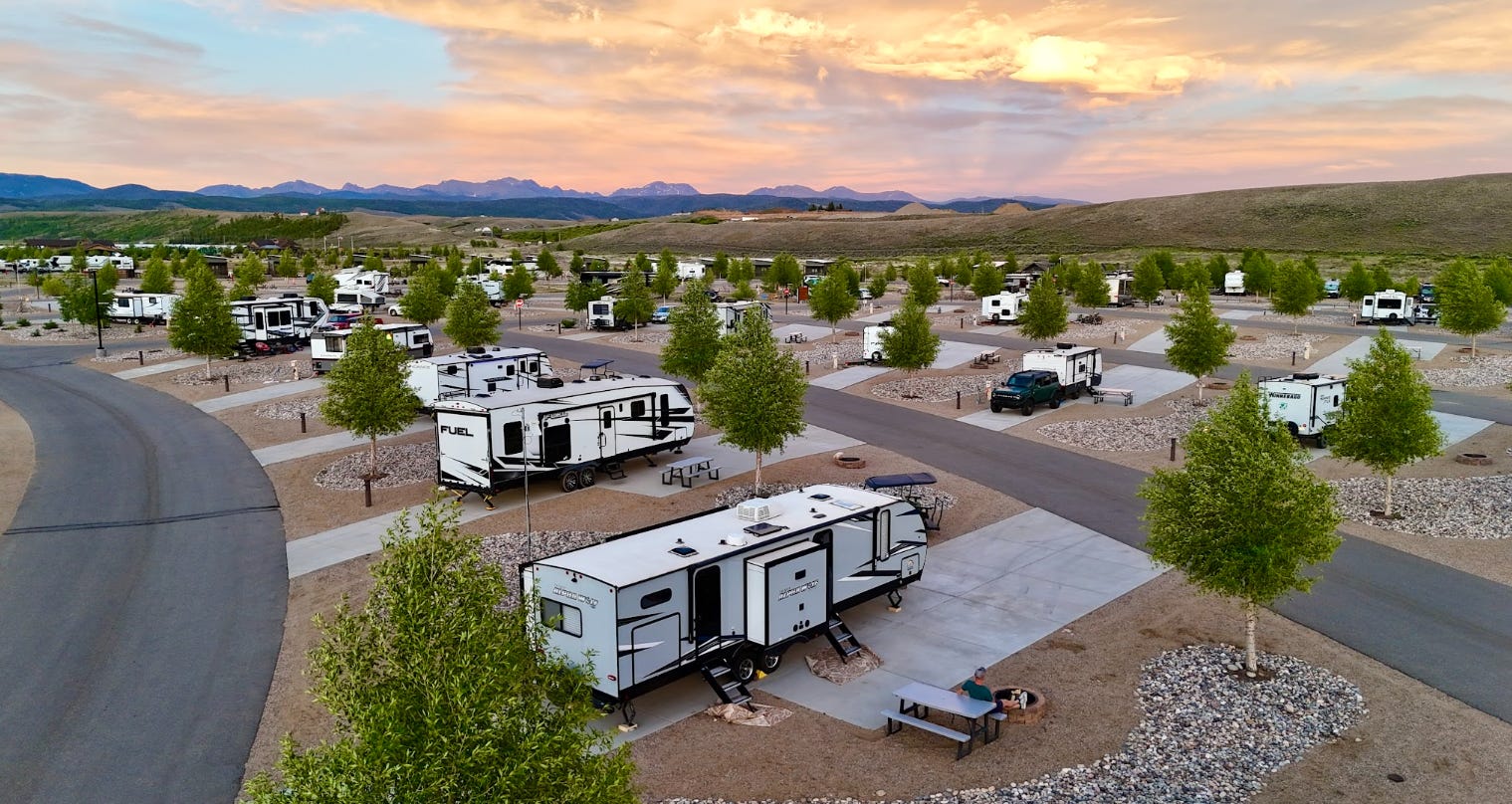
But first, the part I didn’t expect: This was also my first real RV trip. I thought RVing would mostly be about the RV, the campground, and the setup. But after a few days using it as a basecamp for hiking, I realized the bigger benefit of an RV is actually what it takes away, particularly for someone like me who does a lot of LONG day trip adventures.
I think most hikers understand this more than they’d like to admit: sometimes the hardest part of an outdoor trip is not the hike, it’s everything else before and after. For example: the early alarms, packing, the long drive, the melted ice/cooler, the “where are we eating after this?” situation, the gross bathroom stop…I think you get it.
That’s the part RVing fixes. Now my gear had a place by the door. My food is in the refrigerator. My coffee can be freshly brewed (and enjoyed near the trailhead).
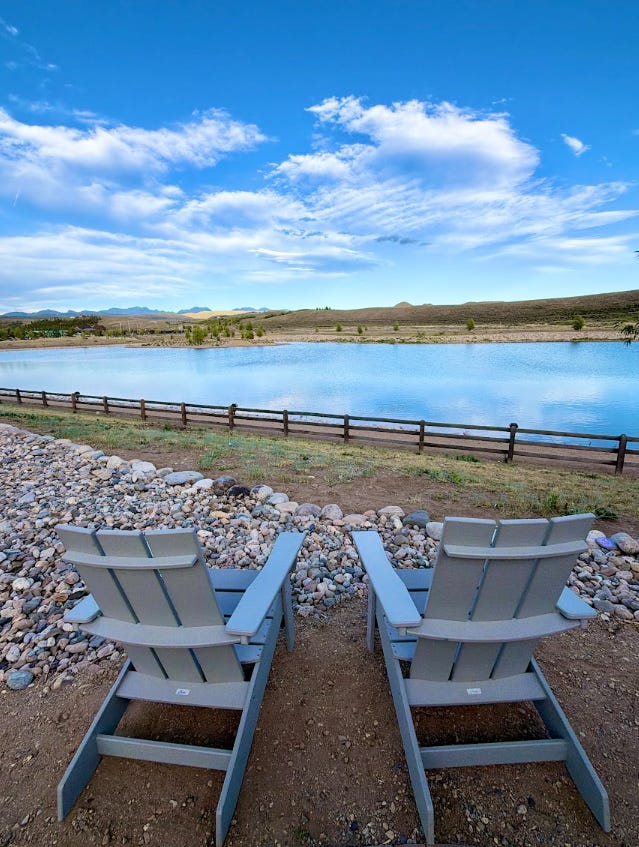
I can understand why many people who have experienced RVing become absolute enthusiasts. When I got back from my hike, I sat outside, ate something easy, watched the sunset over the mountains, and I realized I didn’t have to immediately get back in the car for another long drive.
If you’re RV-curious, here were a few of my takeaways:
This is where I think beginners, including myself, can get overwhelmed. People jump straight to size, layout, or “could I drive that thing?” But the better question maybe “What kind of outdoor trips do you actually take?” Are you a weekend hiker or family road tripper? Do you go to National Parks or prefer off the beaten path fishing? Are you planning longer road trips or campground comfort?
The RV should fit the way you already like to travel. In fact, you don’t have to become an “RV person” at all. You will still be a hiker, a parent, a trail guide, a photographer, or someone who just wants easier access to nature. The RV just makes the trip easier.
This is the lesson of RVing made the most sense to me. For hikers, the value is both having a place to sleep and having a system with gear/food storage, water, coffee, bathroom, a place to change and a place to recover.
It also is a place to anchor to in order to help you to explore a geography more deeply, something perfect for a California ‘outsider’ exploring RMNP for the first time.
A good campground will change the whole trip. If your thinking about where to establish your basecamp, I’d suggest considering:
Proximity to the hikes you care about
Shade and proximity to other camp sites
Hookups
Bathrooms and showers if needed (not all RVs are created equal)
Whether the site feels relaxing or just like a parking lot
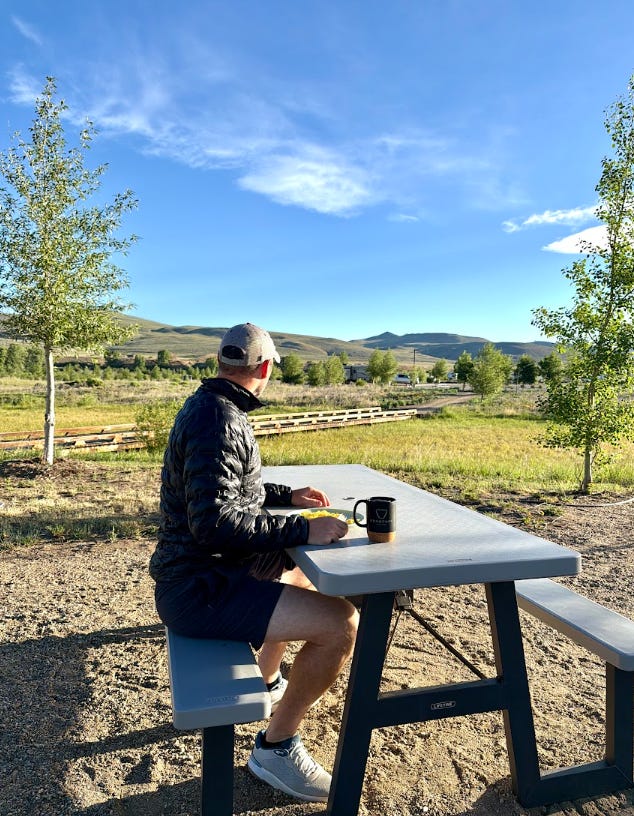
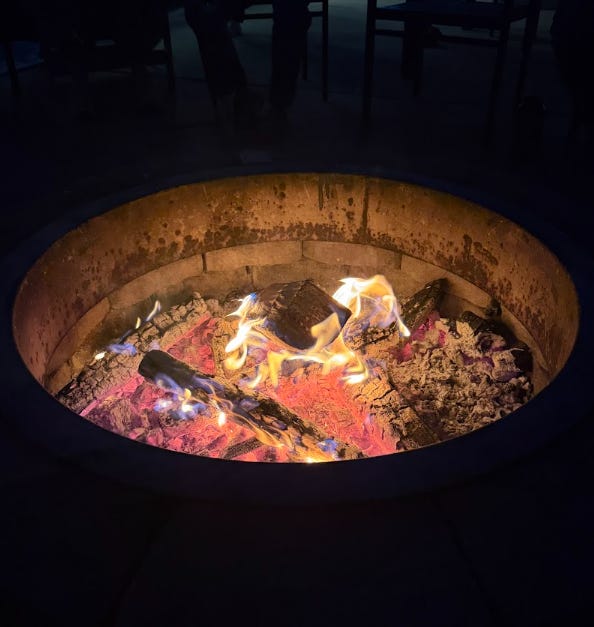
For this trip, being based near Grand Lake made the west side of Rocky Mountain National Park highly approachable, and created more flexibility for me to have a slow morning with a scrambled egg breakfast surrounded by mountain scenery.
Note: camp fire regulations can change quickly, especially during summer. Before your trip, always check current fire restrictions, local regulations, and campground rules. If campfires aren’t allowed, respect the closure and follow Leave No Trace principles to help protect these incredible places.
When you’re tired after hiking, there’s not a lot of patience for coming up with a plan on the spot.
Having multiple fresh food options available at basecamp without needing to find a restaurant, pay high prices, or survive on crushed snacks from the backseat is a win.
I think a lot of us say we want adventure, but what we really need is relief: relief from rushing, the noise, and digital stimulation.
After I spent a few days of hiking, sitting outside, drinking coffee, watching sunsets, and not feeling like I had to pack and repack every few hours, I understood the RV appeal.
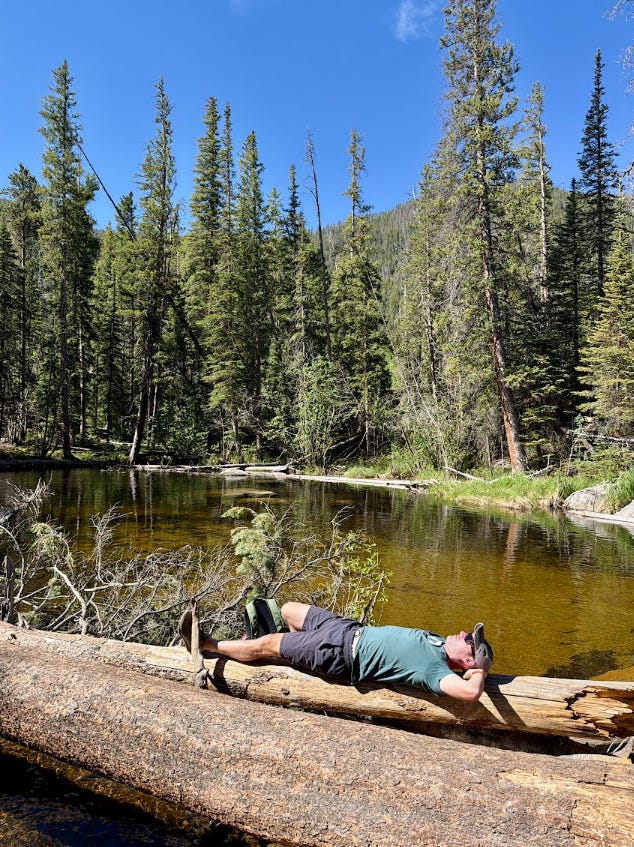
Rocky Mountain National Park is split in a way that impacts planning. A lot of the famous hikes are on the east side near the Bear Lake Road Corridor. That’s where you’ll find many of the classics and bucket list worthy RMNP hikes (Alltrails links included):
Bear Lake - Easy, family friendly 0.7 mile loop.
Emerald Lake - Moderate, trailhead at Bear Lake, 3.5 miles out and back
Sky Pond via Glacer Gorge Trail - Hard, includes Alberta Falls, The Loch, Lake of Glass, and Timberline Falls, 9 miles out and back (requires a scramble).
Lake Haiyaha - Moderate, lake and wildflower views, 4 miles out and back.
But this trip was based near Grand Lake, which sits on the west side of the park. The west side is generally quieter and less “Instagram famous,” but that does not mean it is less beautiful. It also felt like a perfect intro to the park because you can still get waterfalls, wildlife, and big mountain scenery with less crowds.
The big planning note: Rocky Mountain National Park uses a timed entry system during peak season. For most areas of the park, including the west side, you generally need a timed entry reservation during the required hours unless you enter before or after that window.
Bear Lake Road has its own stricter timed entry option, so don’t accidentally book the wrong one if your goal is Emerald Lake, Sky Pond, or Glacier Gorge. You’ll also need your National Parks pass.
Here are the two hikes I did on this trip:
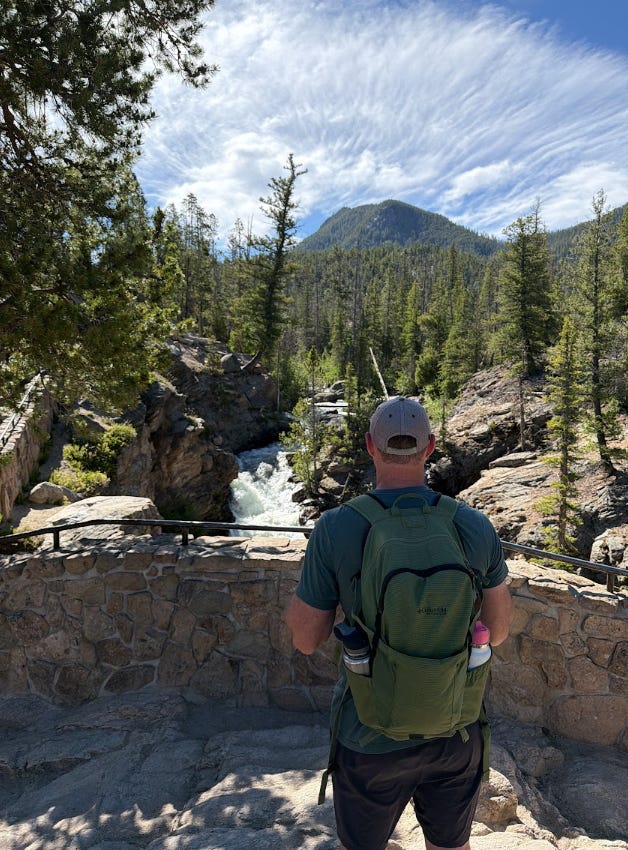
Adams Falls is probably one of the easiest “high reward for low effort” hikes near Grand Lake. The trail starts from the East Inlet Trailhead on the west side of Rocky Mountain National Park, right near Grand Lake.
The main waterfall viewpoint is only a short walk from the trailhead, which makes this a great option if you want something family friendly, you need a warm up hike, or you’re just passing through.
Location: East Inlet Trailhead, near Grand Lake, west side of RMNP
Best for: easy waterfall, families, short scenic hike, combining with other day hikes
Difficulty: easy to the falls
Dogs: not allowed on RMNP trails
Alltrails link
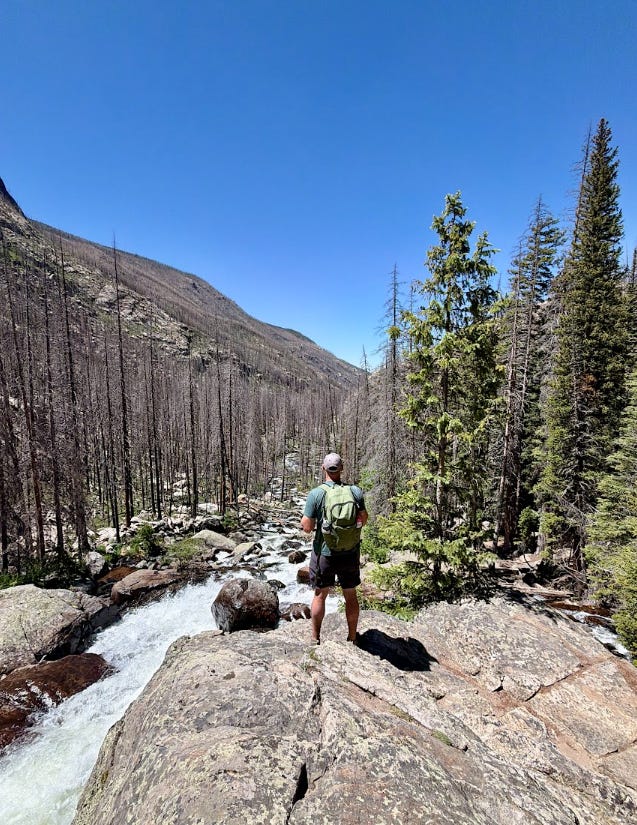
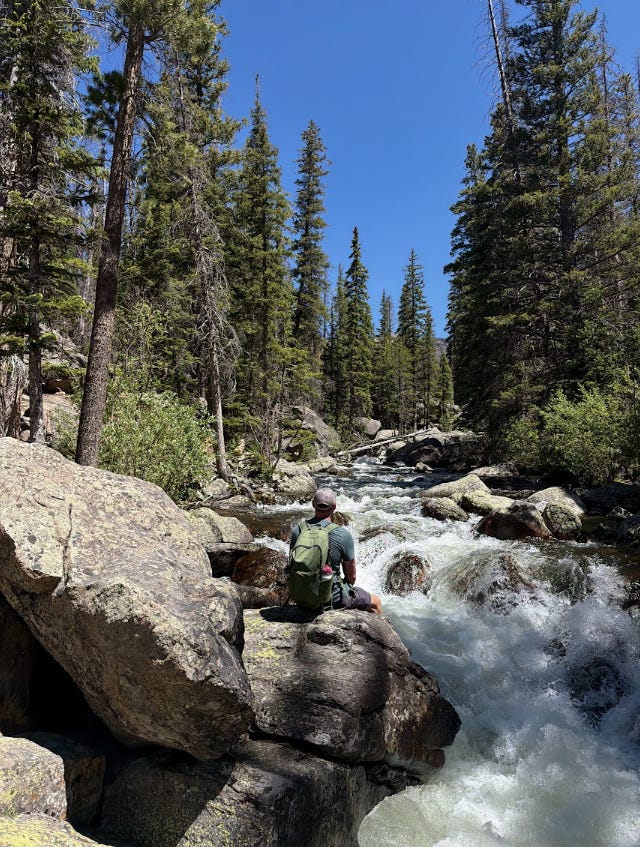
Cascade Falls was the bigger hiking win of the trip. It starts from the North Inlet Trailhead near Grand Lake and heads into a beautiful drainage with meadows, forest, water, and burn-scar recovery. The trail is not brutally steep, but it gives you enough distance to feel like you actually went somewhere. Sitting around 8500 feet of elevation, I didn’t feel any real impacts of the altitude.
I followed the North Inlet drainage toward Cascade Falls. The trail eventually brings you to rushing water, granite, and if you continue past Cascade Falls by another 1.5 miles, a bonus unmarked waterfall.
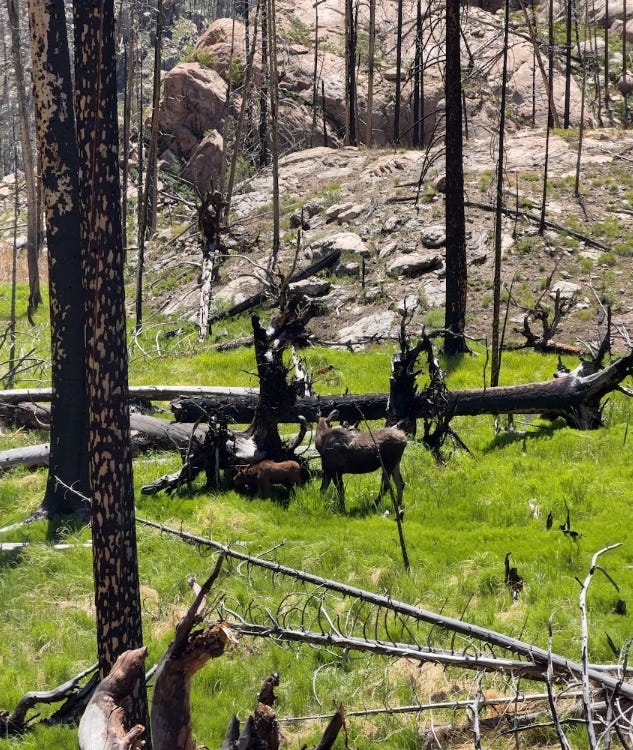
This was also where I saw my first moose (including a baby you can see hidden to the left of the mother in the picture below), which was incredible. Obvious but important: give wildlife a ton of space.
Location: North Inlet Trailhead, near Grand Lake, west side of RMNP
Distance: about 3.4 miles one-way to the falls; my hike was 10 miles round trip to access a second waterfall.
Difficulty: moderate for most casual hikers because of the distance, though the grade is manageable
Dogs: not allowed on RMNP trails
Alltrails link.
For a first or future RMNP trip, these are the trails I’d be looking at next, in addition to the four I mentioned previously (Emerald Lake, Bear Lake, Sky Pond, and Lake Haiyaha):
Chasm Lake: A harder hike (8.5 miles out and back, 2600 ft elevation gain) with a big payoff below Longs Peak.
Mount Ida: A long (10 miles, 2400 ft elevation) exposed alpine hike with big views.
Ouzel Falls: Located in the Wild Basin area, which is a great option if you want waterfalls and beauty without only focusing on Bear Lake Road (6 miles, 1000 ft of elevation).
Coyote Valley Trail: Paved and wheelchair accessible option that is known for wildlife viewing (elk, moose, bears - 2 miles, minimal elevation).
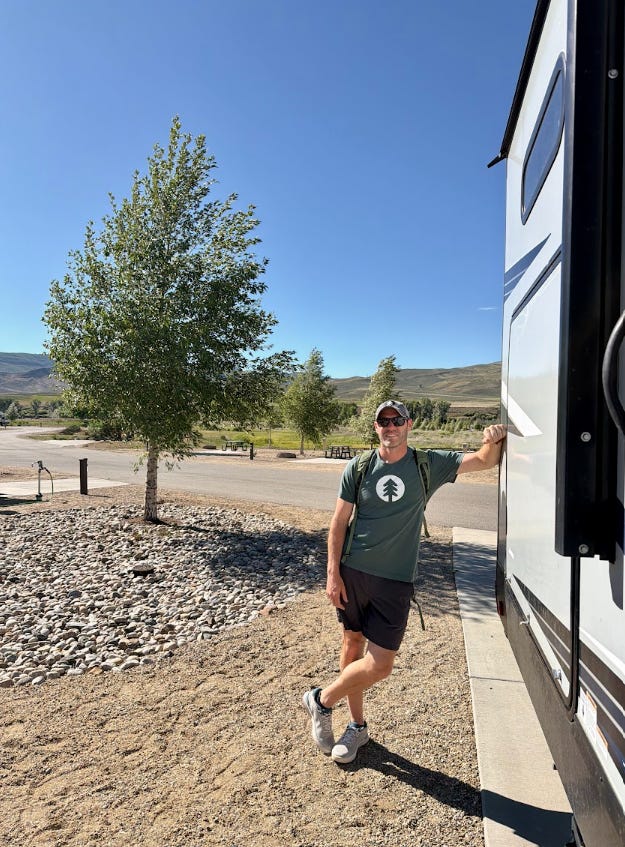
Before this trip I had all kinds of assumptions about RVing, mostly because I knew absolutely nothing about it and I had never done it.
Could I even drive one? Do I need a truck? Do people just wake up one day and decide to spend a fortune on an RV? And maybe the biggest question: where would I even start if I wanted to go RVing?
After spending a few days around people who RV regularly, I realized I was making it much more complicated than it needed to be.
This doesn’t apply to me (yes, I’m a Raptor guy), but I bet it might be one of many people’s first thoughts. There are travel trailers that require a tow vehicle, but there are also motorhomes that don’t require owning a truck at all. And RVs come in all kinds of sizes, from smaller setups that do not require a truck to much larger ones.
You don’t need to make some giant commitment before you’ve even figured out whether you enjoy the experience. If I was starting from scratch, I’d probably want to experience a few trips first and learn what style of travel I actually enjoy. What worked for me may not work for you.
You don’t have to figure it all out on your own. Go RVing has a surprising amount of information on their website, including guides that help narrow down different RV types and travel styles.
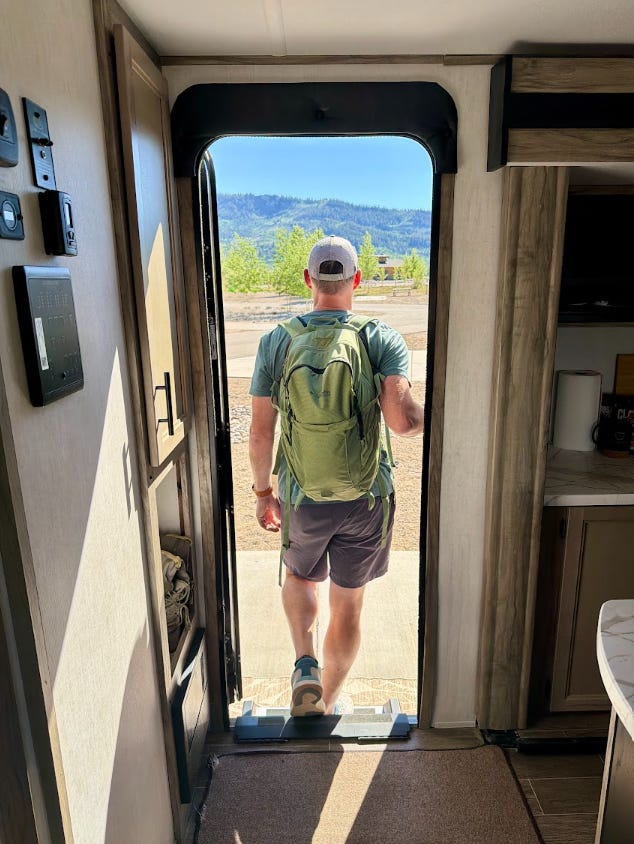
I hope you enjoyed this guide to Rocky Mountain National Park and my takeaways from experiencing RVs for the first time.
Please let me know in the comments if you’d like more guides like this in the future!
Stay tuned for more trail guides and hiking tips; and as always, I hope to see you on the trails.
Comments
Nothing yet. Say the first thing.
Sign in to join the conversation.