
Introduction by Amy Friedman, Music by Roland Tec, click below:
0:00
-0:21
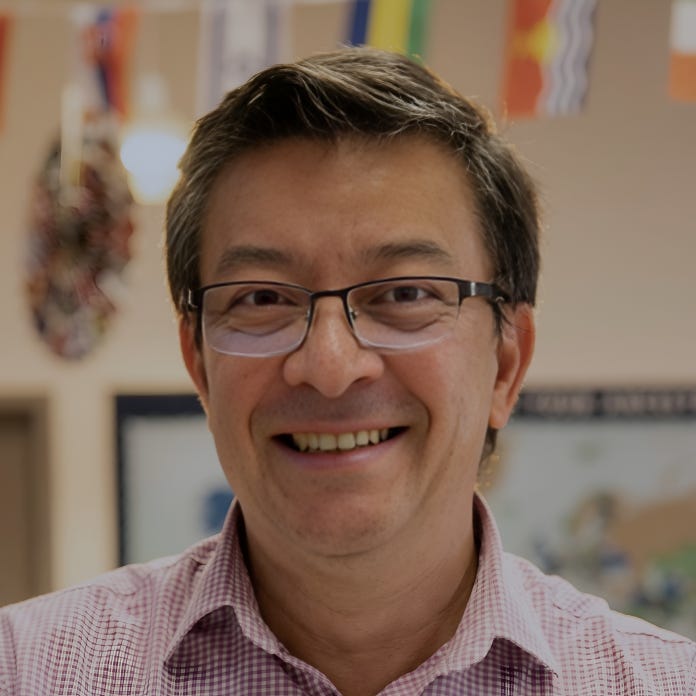
Manuel Portillo serves as Director of Community Leadership at The Welcoming Center where he develops and leads initiatives that strengthen trust, deepen engagement, and foster lasting partnerships with immigrant and refugee communities. He oversees the Immigrant Leadership Institute, an innovative initiative that equips community members with the tools, knowledge, and strategies to advance civic participation and community leadership and the Participant Advisory Council that amplifies community voices and supports inclusive organizational decision-making. Originally from Guatemala, Manuel has called Philadelphia home for more than three decades. He is committed to creating pathways for the social and economic integration of immigrants and refugees.
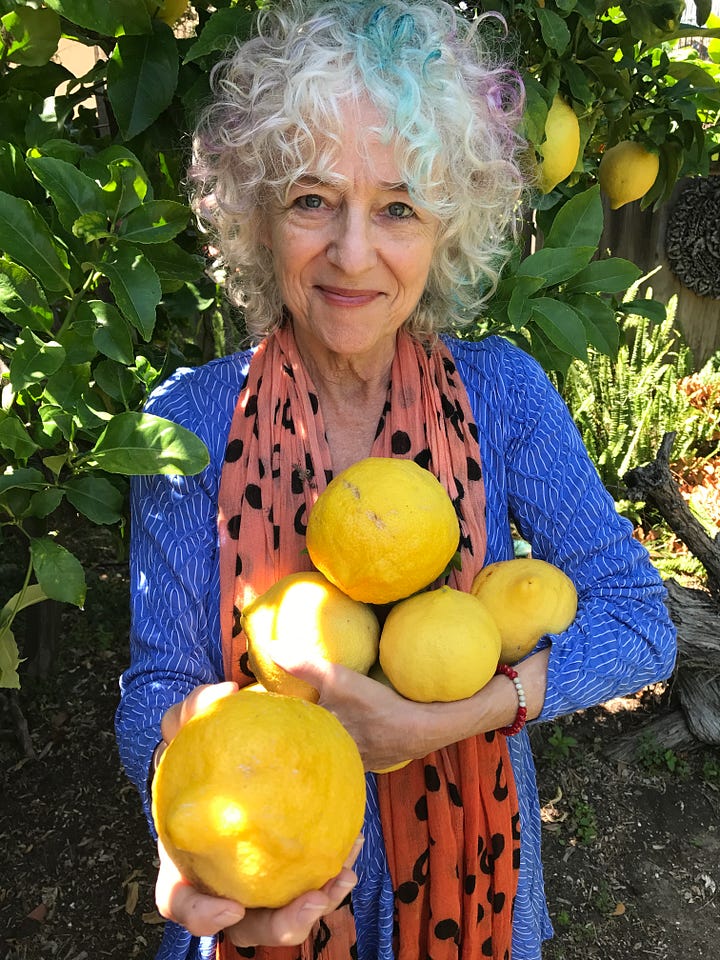
Anneke Campbell is a writer and community activist, who has worked as a midwife, nurse, English Professor, yoga teacher and death educator. She publishes articles, essays and memoir. She co-authored with Thomas Linzey: We The People: Stories from the Community Rights Movement in the U.S.; edited Nina Simon’s Moonrise: The Power of Women Leading from the Heart and Nature, and Culture and the Sacred: One Woman Listens for Leadership. She co-produces and scripts videos for non-profits with her husband Jeremy Kagan. Here you can read or listen to Anneke’s All-American Story.
Click below to hear Manuel Portillo reading his story:
0:00
-10:04
When people ask me where I am from, I say Guatemala. When they ask where I live, I say Philadelphia. But if they ask me where I belong, where is “home,” the answer is much more complex. “Home” is not a place for me. The word itself cannot hold the meaning of a lifetime of experiences. Home is something I build with others—especially with immigrants like me.
I was born into a large family in Guatemala City. There were eight of us—six boys and two girls—and like most, we lived modestly. My father was a central figure in our lives, especially after my mother passed away. He had been a union organizer, and he filled our home with conversations about justice, workers’ rights, and dignity.
The house was small with opaque windows, one of which had a little hole we would look through to see what was happening on the dusty street. We always had one or two dogs. They would lie on the red and yellow patio tiles, to stay cool in the heat, and so did we kids. I remember gatherings there where we cooked over a small grill, the smoke filling the air as we waited impatiently for food, picking lemons from our little lemon tree for flavor and drinking giant bottles of soda.
Most of us siblings were working by time our home was shattered by violence. During the years of US-supported repression in Guatemala, we became targets of the security forces. I was away at work, 21 years old, when one morning military units surrounded our house and evacuated our neighbors. I got a phone call warning: Don’t Go Home! That evening I found out that security forces had taken my father, my stepmother, my young half-sister, my girlfriend, and two of my nieces. That was the last time we ever saw them.
The police held a press conference, saying they had raided a guerrilla safe house and found a large cache of heavy weapons but no people, only my father’s German Shepherd. My siblings and I knew we could not go back there, and one by one, we fled the country, each finding our own path into exile.
For the first years we had no contact.
I didn’t know a single person in Mexico, but I walked and walked, and eventually I found refuge in a Catholic church. A priest named Father Antonio welcomed me and offered me a place to sleep behind the church with other refugees—people from Guatemala, El Salvador, Nicaragua—all of us displaced, fleeing and without resources. We spent our days looking for work. I painted houses, dug wells, did whatever I could.
A man from the United States began visiting us. He spoke of a network of churches, volunteers, activists, who were helping refugees find safety and tell their stories. This man was a Quaker, a pacifist and a great person, and as it turned out, one of the founders of the sanctuary movement. We became friends, and over time I started accompanying families as they traveled through Mexico, helping them reach safer places. That became my work for about a year. I didn’t have a salary. They just give me money for the bus and for food.
One day, when I returned to a hotel with some Salvadorians and a couple of Guatemalans, a person there alerted: “Leave immediately. Police arrived looking for you.” I called and talked to my friend. He said to me, Manuel, you need to move. if you want to come to the United States, we will help you.
They made arrangements. I was moved to a small town near the border, where we stayed in another church. One day, at four in the morning they came for me and three or four other people. It was very dark. A taxi took us maybe 20 minutes and dropped us and told us to hide behind some big rocks and wait. I remember those rocks.
Just at daylight, I heard somebody whistling, and I turned around and there was my friend, on the other side of the road. He walked us to where there was this wire fence. He said, come on over. He held the wire for us to go under. I was last. And I remember he said, welcome to the United States. I had no sense of safety or trust in the government, no sense that I would be staying.
We walked all day through part of the desert. And when it was dusk, a pickup truck with a camper on it drove us to a Presbyterian church. And the people there welcomed us. That is what stays with me: Being welcomed not by officials, but by ordinary people who had chosen to act with courage and compassion. They took risks to help us. They fed us, sheltered us, and treated us with dignity.
From there I began to move from town to city to city in the United States. I continued working with the sanctuary movement. I survived on charity, but contributed by speaking in churches, universities, and community centers about what was happening in Guatemala. I slowly learned English. I carried a lot of anger—toward governments, toward systems, toward the forces that had shaped my exile. But as I met more people—Americans who stood in solidarity with us—I began to see a difference between a government and its people. That distinction allowed something in me to shift.
I eventually settled in Boston, where I was offered a job working with immigrants. It was the first time I had a stable role, a sense that I could contribute in a sustained way. There I met my wife and later, we moved to Philadelphia, where we built our life together and raised our daughters.
Philadelphia became an important chapter in my journey. It is where I grew as a leader. Over the years, I have worked helping immigrants navigate systems, find resources, and learn to use their own voices. I have been involved in leadership programs, community organizing, and advocacy.
But I do not feel fully “settled” in this country, not in a traditional sense. When I returned to Guatemala 17 years after I left, the neighborhood and the home of my childhood had become unrecognizable. The house had a second floor and below was a bar. The only way I could recognize it was the little hole in the window that was still there.
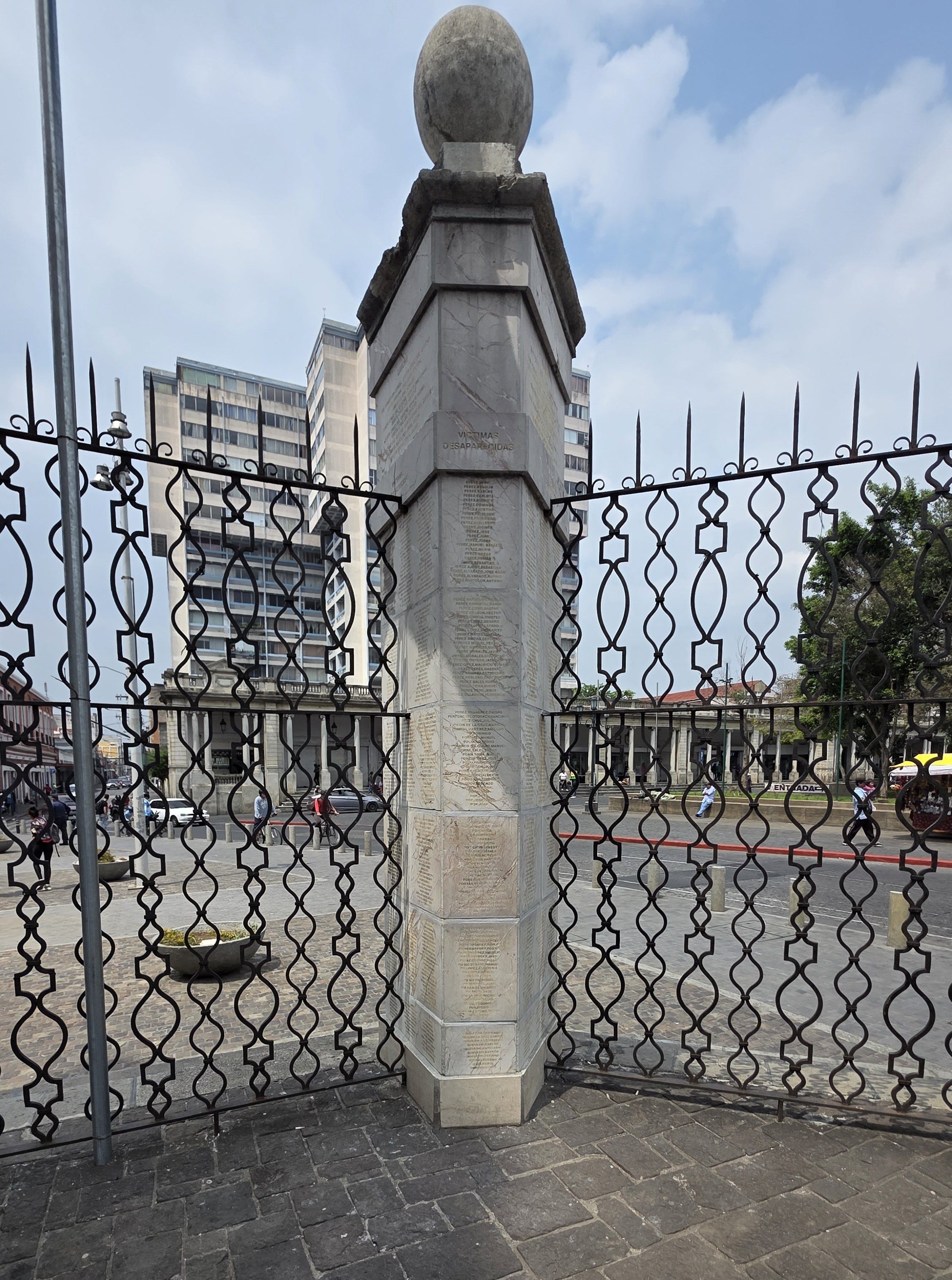
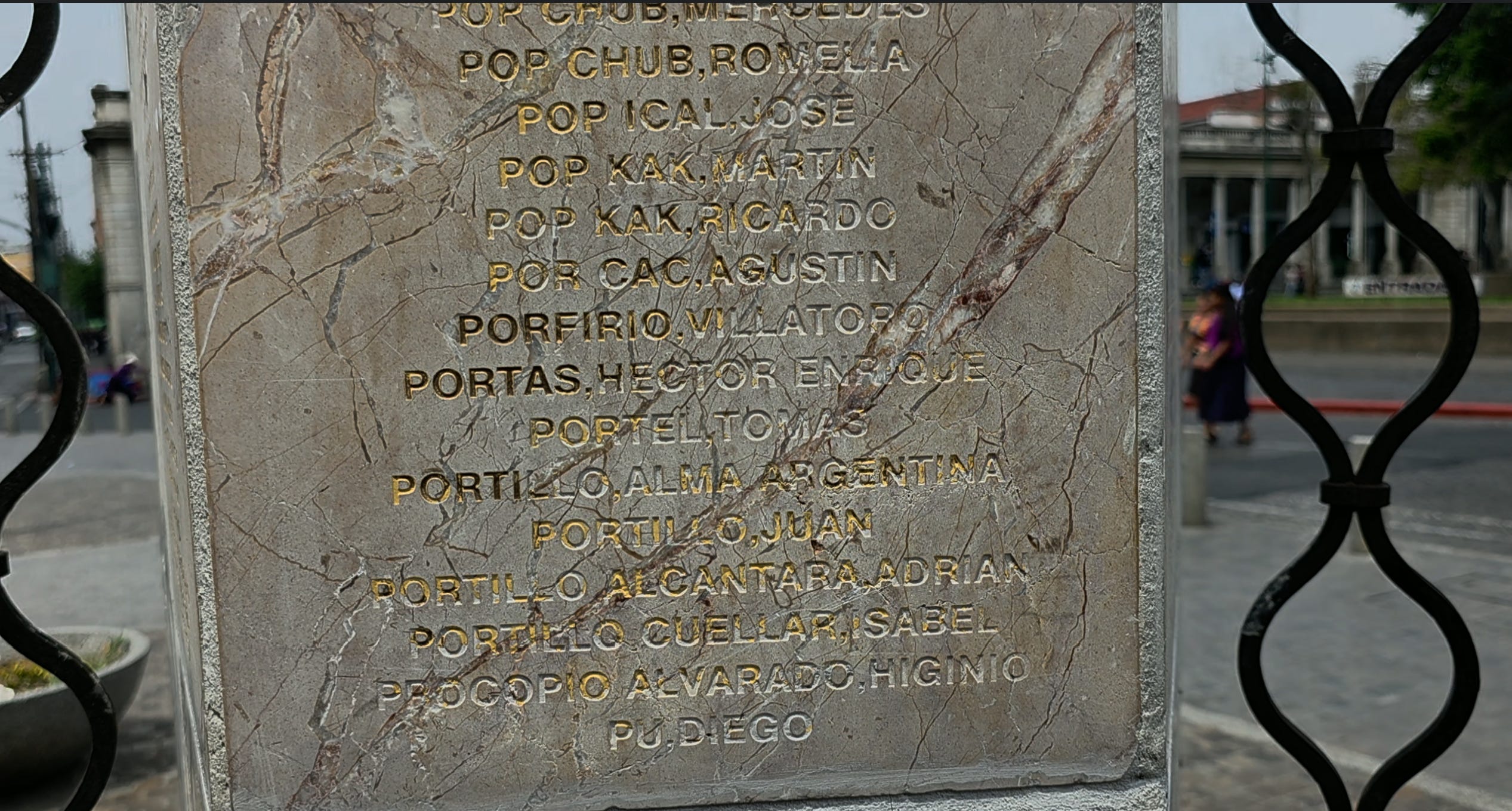
My experience walking into that dreadful bar destroyed something for good, my very idea of home. I knew then that I could not return which is a disorienting feeling I share with many immigrants. And although it would take time to realize, it marked the difference between my idealized idea of home, or my fantasy of home, and what home really is. I now know it’s the space where I have tried to pay my dues to society working day and night to help people like me improve their lives and find a bit of solace away from their homeland.
In my work in Philadelphia, I have seen it again and again. Immigrants arrive with stories of hardship, but also with strength, creativity, and resilience. When we create opportunities for people to connect, and to support one another, something powerful happens. People begin to see themselves not just as survivors, but as contributors. This is what enables us to find our place, or sense of belonging.
I live in a nice neighborhood, a little busy and noisy, which I like, with a yard with lots of greenery. I like to garden and have a dog. And two peach trees that produce so much fruit in the summer we don’t know what to do with it all. We have parties and dance.
My life has been a journey and at each stage, I have depended on others, and others have depended on me. If there is one thing I would want you to take from my story, it is this:
We are not meant to do this alone. For me, “home” is not in a passport or a piece of paper, though those things matter. It is not even in the idea of finally “arriving. Whether we are immigrants or not, whether we have lived here all our lives or arrived yesterday, our sense of meaning comes from connection and from showing up for each other.
No posts
Comments
Nothing yet. Say the first thing.
Sign in to join the conversation.