
Introduction by Amy Friedman, Music by Roland Tec, click below:
0:00
-0:21
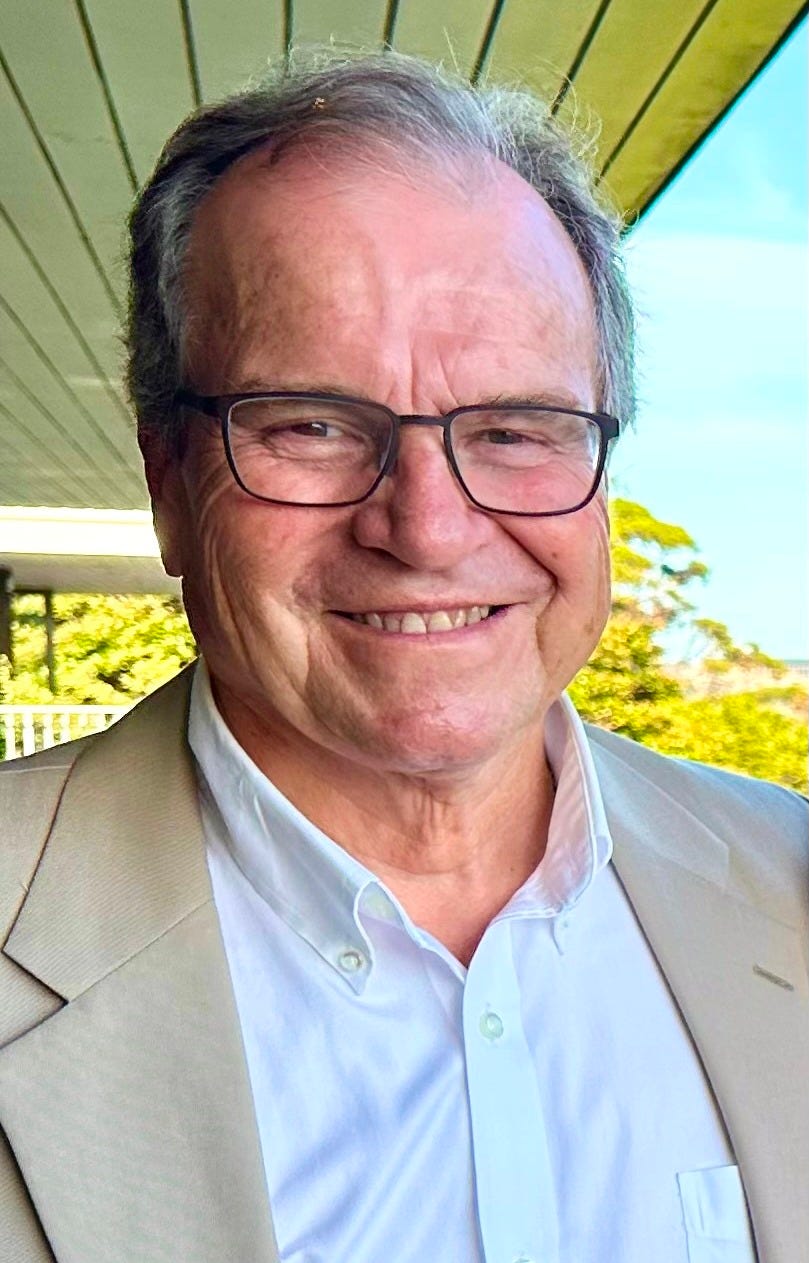
Jeff Koseff came to the United States in 1977 as a graduate student at Stanford and never left. After finishing his Ph.D he was hired by Stanford in 1983 serving in a number of roles including Department Chair, Associate Dean, founding co-director of the Stanford Woods Institute for the Environment, and the Stanford Faculty Athletics Representative to the Pac-12 and NCAA. His expertise is in environmental fluid mechanics focusing on the interaction between physical and biological systems in natural aquatic and terrestrial environments. He retired from active service at Stanford after 42 years on the faculty in January, 2026.
Click below to hear the author reading Coming to America:
0:00
-11:07
I was born in South Africa in 1954, a few years after the Nationalist Party came to power and instituted Apartheid, the principle of racial segregation and white minority rule. Many organizations, including the ANC and the National Union of South African Students, resisted the government, but the rest of the world did not really begin to pay attention until 1960 and the Sharpeville massacre followed by the Rivonia Treason Trials in 1963, resulting in Nelson Mandela’s life sentence.
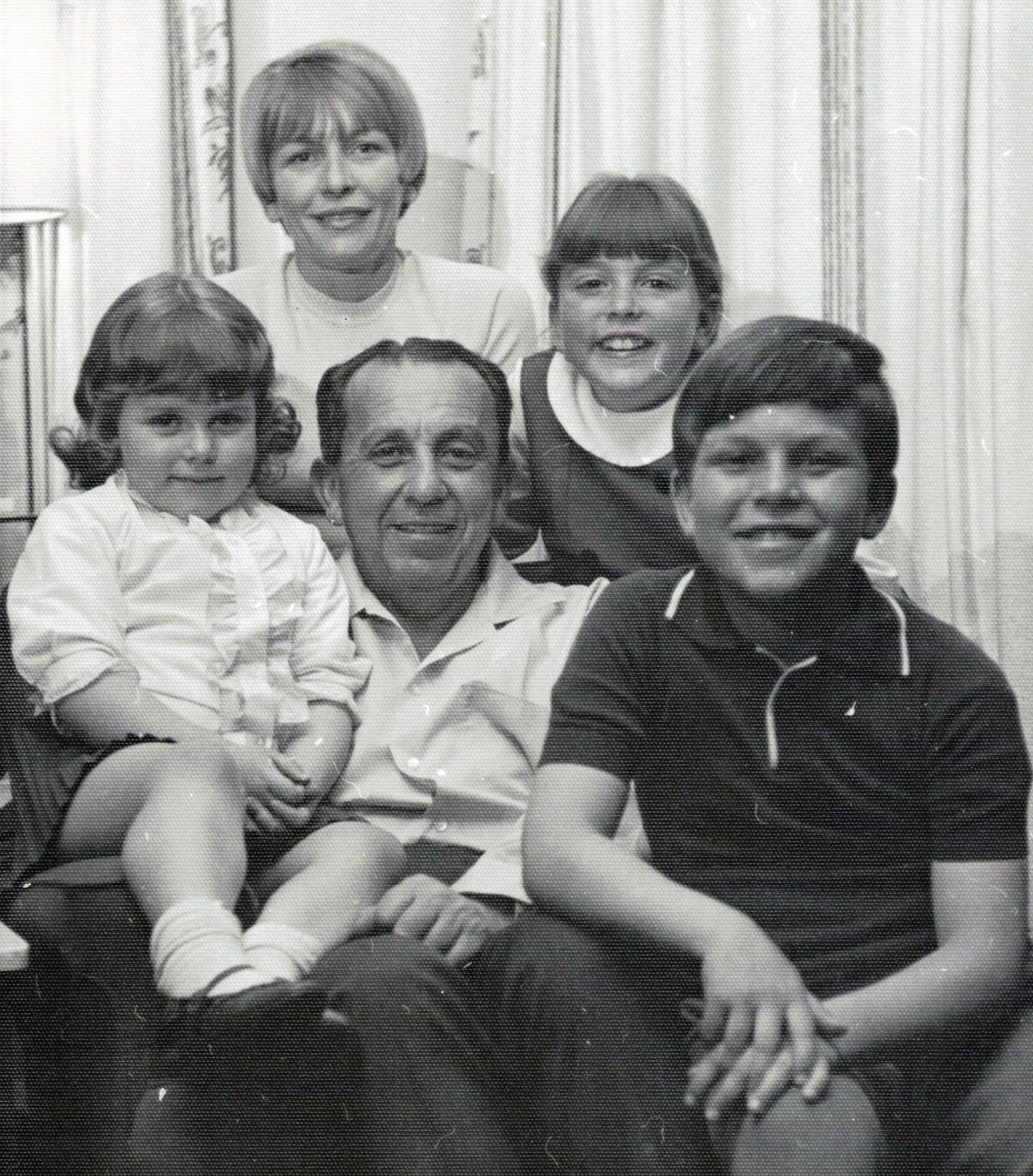
At the time I did not fully understand the implications, but soon after Sharpeville, a childhood friend, Stuart, left South Africa with his family for Australia; we never had a chance to say goodbye. Then another classmate also suddenly left to live in London. Trying to make sense of it all was difficult, so when I was young, I loved to sit with the adults in conversation, invariably talking about what was happening politically. I remember distinctly talking about the escape, and flight, from prison of two members of the Jewish community, Athur Goldreich and Harold Wolpe. I did not fully grasp what was happening then, but as I grew older and my sensitivity to what was happening grew, I began to wake each morning feeling dread and guilt for the actions of our oppressive regime—it’s a feeling that is returning to me in the US these days.
My two sisters and I were raised to respect all people, to treat everyone with kindness and dignity. Our parents encouraged us to develop a sense of what was right and just, but out of the fear of what the government did to those they regarded as undesirables (“communists,” “subversives,” or “betogers,” the Afrikaans catchall word for all who demonstrated against apartheid), our parents encouraged quiescence rather than protest.
Some of my fellow privileged, white friends were incarcerated for acting against the government. My parents did not support apartheid, but they expressed their views privately and at the ballot box. Both had a strong moral compass and understood in deeply personal ways the dangers of fascism and antisemitism—another, longer story—but my sisters and I were not shy about forcefully expressing our opinions, and dinner conversations were often heated. Through it all, our parents insisted we “keep our heads down.”
I did not always listen. Once I signed a letter to the Rand Daily Mail (a liberal English newspaper) politely criticizing the government; my father received a number of calls at work from people who admonished him for having a “communist betoger” in the family. Although I was never arrested, on my third day at the University of the Witwatersrand, I participated in a large student-led protest against the banning of student leaders in South Africa affiliated with NUSAS. Police were deployed, and there was lots of tear gas and chaos. I received a nasty blow from an officer who hit my head with a baton. When I came home with a lump on my head, my parents were upset—both by my protesting and by the injury.
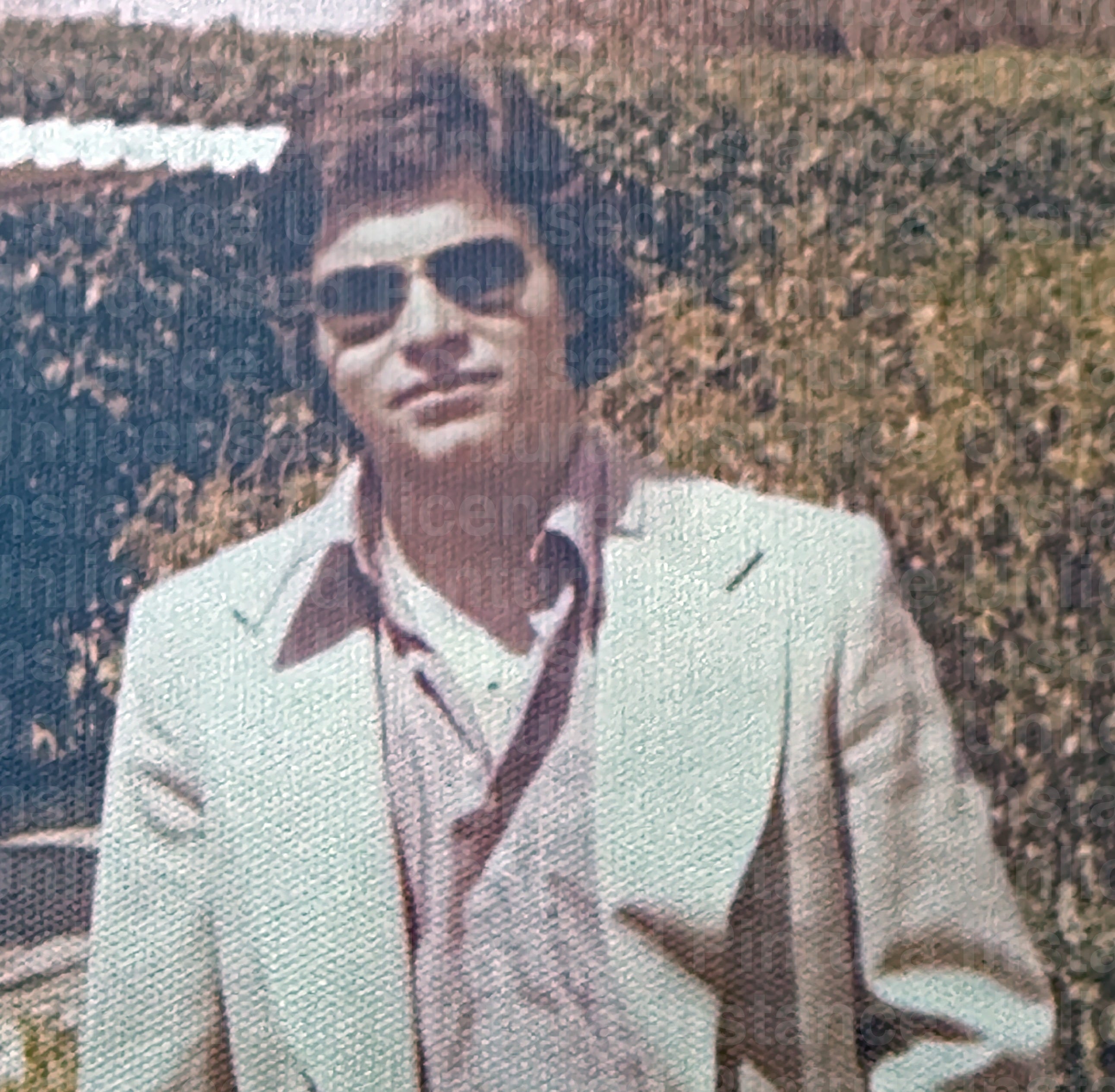
After a year of serving mandatory national service in the South African Air Force, it took me a while to get settled academically, and my first two years at university were beset by political distractions, socializing, and coming to terms with the fact that university worked differently from high school. By third year, I found my feet and I started thinking about going to graduate school overseas. With the help of the resource library at the American Consulate in Johannesburg I narrowed my application list to seven top rank graduate civil engineering programs in the US and one in England.
After I graduated in November 1976, I landed an excellent job in my field in Johannesburg, and in March 1977, as university decision letters started arriving, I was shocked by the positive responses. The US had always seemed bigger, wealthier, smarter; the competition seemed impenetrable. I was most interested in MIT and Stanford, but I’d never expected to be accepted to either, so when Stanford accepted me, I was overjoyed.
On August 17, 1977, one day after Steve Biko, the founder of the Black Consciousness Movement in South Africa, died in police custody, I was at the airport saying goodbye to my parents and sisters. That farewell was one of the hardest things I’ve ever done; the possibility of leaving “for good” was an unspoken reality. My father took me aside and quietly said, “If you get a chance to stay in the US take it,” and I’ve never forgotten that selfless gesture that lifted any guilt I had about my decision to leave.
At first, the US felt as big and bold as I had imagined, a place where anything seemed possible and everything available. In South Africa if you wanted a telephone, you might have to wait years, but in the US, just walk into a Pac Bell trailer, sign up for service, choose the phone you liked, go back to the dorm, plug it in, and voila!
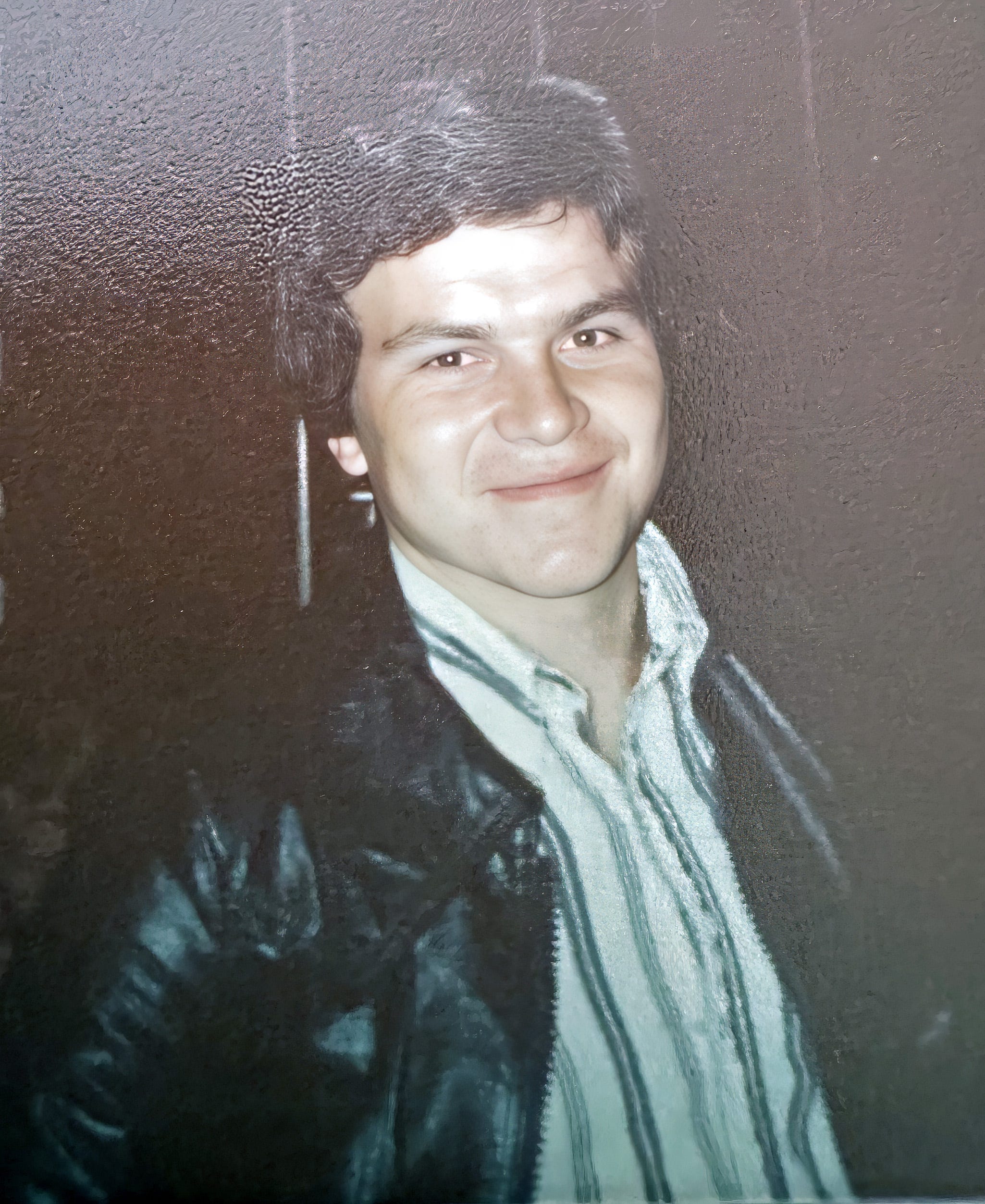
I was determined to learn as much as I could about American culture, arts, music, and especially sports so I could fit in seamlessly to the community. This was made more challenging by the emerging student movement calling for the university to divest investments from companies operating in South Africa. While I empathized with many of the views expressed, I also felt uneasy being a South African at Stanford, even though my confidence academically had grown.
I was cautious about what I said, who I said it to. I accepted invitations from university and local high school groups to talk about South Africa, but because I was white (a member of the “oppressor class”), I proceeded cautiously. Most people were kind, but occasionally someone alluded to my “position of privilege.” In 1990, when Nelson Mandela was released from prison, I celebrated with millions of South Africans and people worldwide; it was the beginning of liberation from apartheid for black South Africans and liberation from guilt for the privileged. Watching on television as Mandela walked away from Pollsmoor prison, was surreal. I’d grown up with the notion that we would never in our lifetimes see the possibility of a black President in South Africa, and here the beginning was unfolding before my eyes.
In the early days especially, being 10,000 miles away from family was difficult, especially at holidays—I missed our huge Passover Seders and Rosh Hashanah lunches with all the cousins and uncles and aunts, great food, laughter and love. But among my great fortunes was meeting Thalia who became my wife.
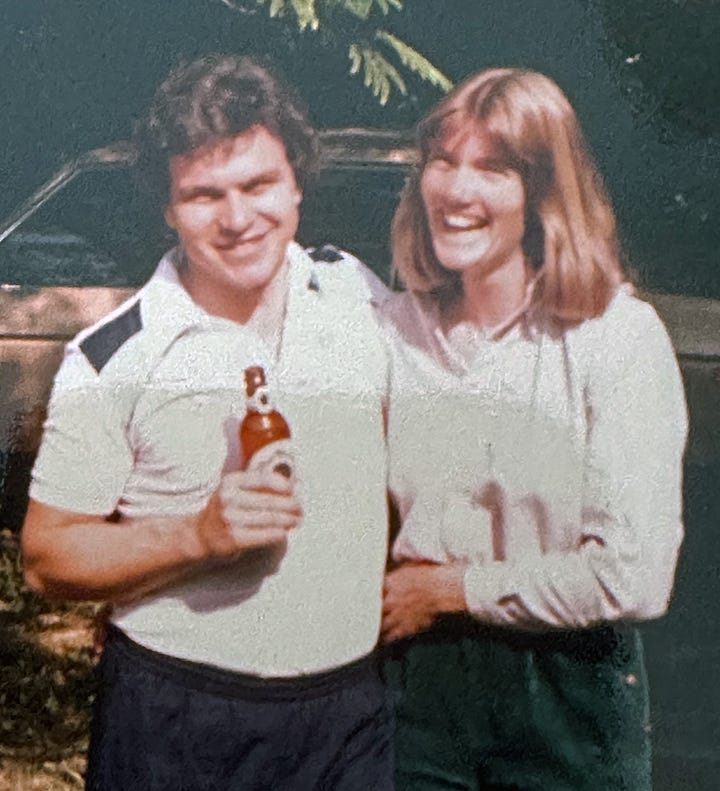
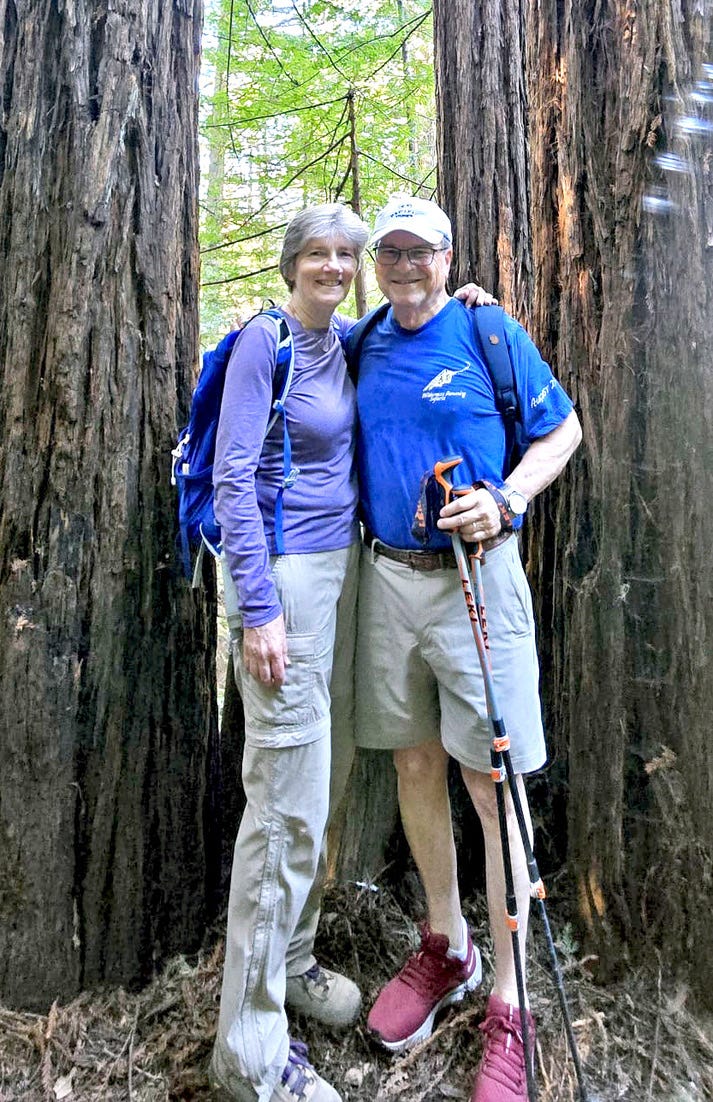
We met as doubles partners on a tennis court when we were both graduate students at Stanford, and naturally we’ve heard all the puns that usually begin, “Ah, love at first sight.” In 1983 I was hired as a professor at Stanford, and the university sponsored me for a “green card,” my steppingstone to obtaining citizenship in the US. I soon learned it was a process that was more complicated than I’d anticipated, including spending cold winter nights camped out in the INS office and months studying the Presidency, the Constitution, the history of the United States.
When I did take my citizenship exam, my examiner asked me two ridiculously easy questions, but from nearby cubicles I heard tough questions being asked of those who were clearly non-native English speakers. The experience of this turned a day that should have been pure joy into one of quiet reflection and sadness. I believe every US citizen who was not born here should be required to spend time in the INS office learning about how people become Americans.
On January 19, 1991, in a San Jose courthouse, with Thalia and our three-month-old son, Alexei, by my side, I became a US citizen. As we were leaving the ceremony, US military Veterans handed each of us a commemorative American flag, and The League of Women Voters handed us voter registration cards. I filled out that card right there and I’ve never missed an election, no matter how small, for I had lived in a nation that restricted its citizens’ ability to vote. I know voting is precious.
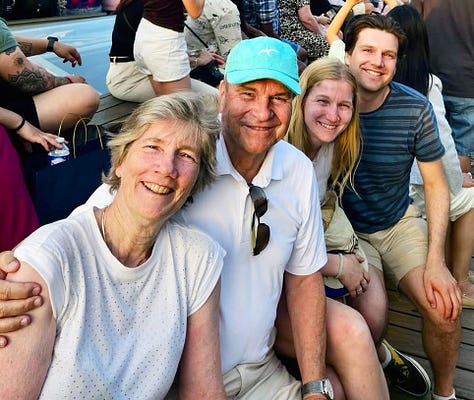

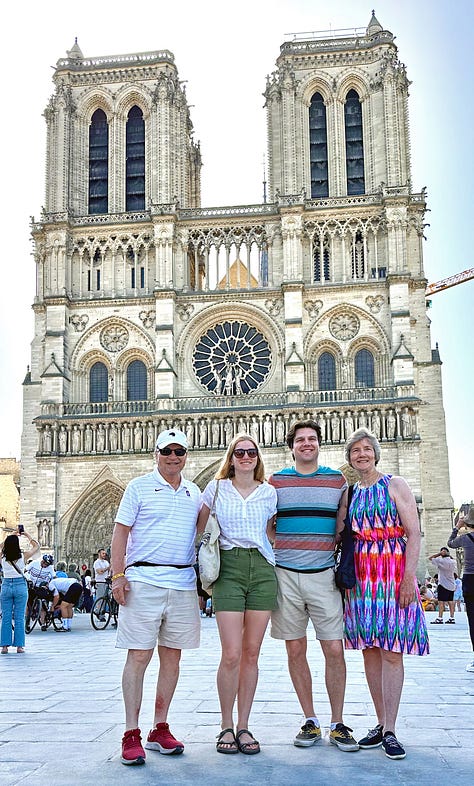
People often ask if I miss South Africa and if I ever considered returning to live there. I have traveled back often to visit family and friends, and whenever I visit, I experience intense emotions. I’m still a huge supporter of the Springboks, the South African rugby team and The Proteas, the cricket team. I love biltong, boerewors and a good braai and fire in the Southern African bush. I am still awed by the animals and birds of Africa, and I love a sundowner—watching an African sunset with a cold beer in hand.
But while I savor these opportunities, my life in South Africa is in a past that no longer exits, and I live in the now, a Stanford professor, a husband, a father, a proud Californian.
No posts
Comments
Nothing yet. Say the first thing.
Sign in to join the conversation.