
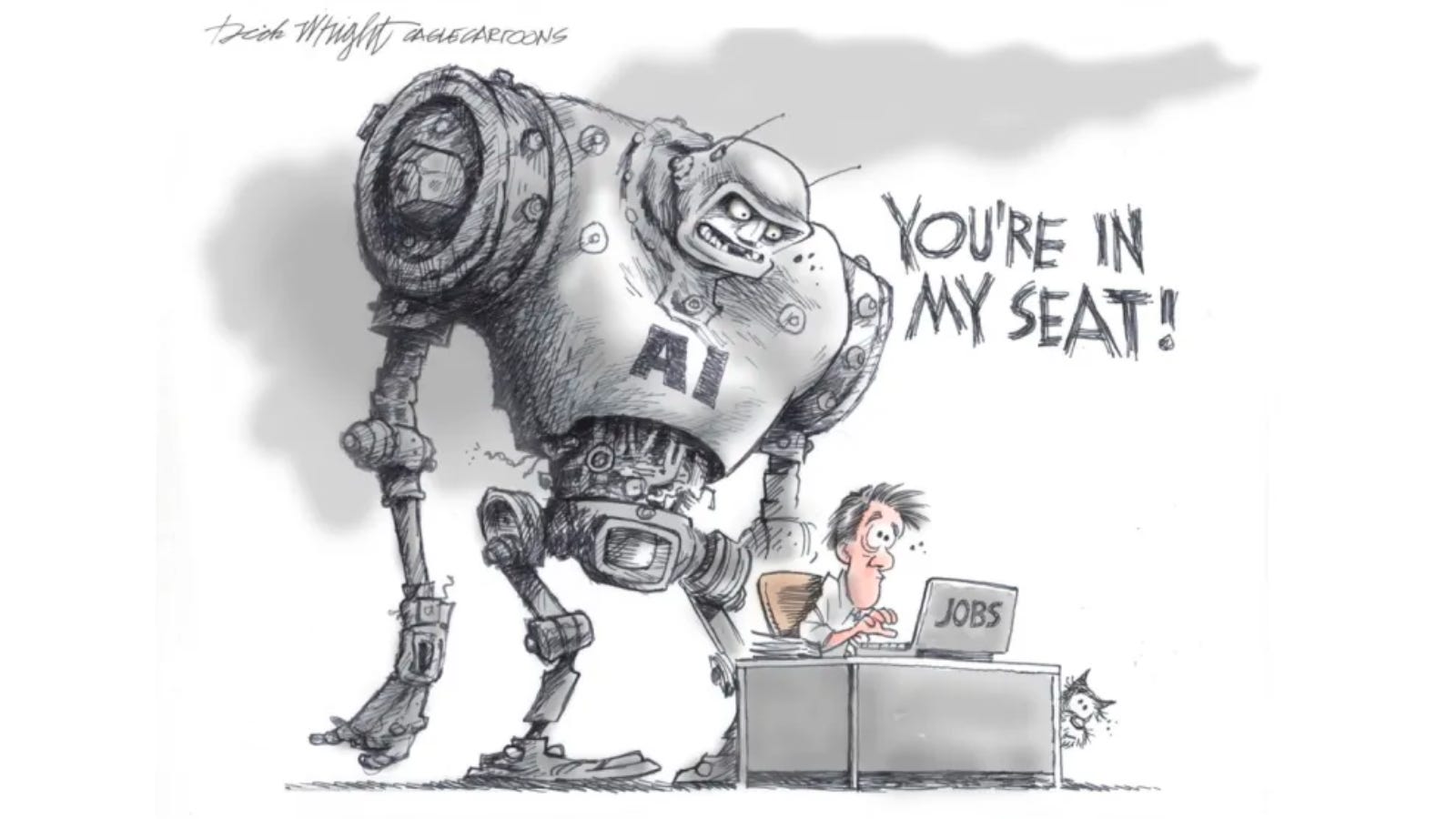
You’ve probably heard the term “AI slop,” but let’s define it clearly: low- to mid-quality content generated by AI tools, often produced with little regard for accuracy or integrity.
The phrase first gained traction when floods of AI-generated text, images, and videos started dominating social feeds, pulling attention from original, human-made work. Now, that same phenomenon is seeping into software development, quietly reshaping how we build, test, and deploy code.
We’re in a moment where many organizations see generative AI as a cheaper, faster substitute for hiring junior engineers. With a few clever prompts, an LLM can generate functional features in minutes, so leaders double down on “AI velocity.”
But that short-term speed comes with a long-term cost: it’s eroding the foundation of engineering talent. The learning curve that once developed skilled mid-level engineers is being replaced by a productivity mirage powered by prompt engineering.
As someone running a software and services company, I’ve explored firsthand how AI might help us ship faster. And yet, the deeper we integrate these tools, the more cracks I see forming. And they’re not just in the career paths of junior engineers, but in the stability of the systems we build.
What looks like acceleration can actually conceal fragility:
Code without ownership or comprehension.
Teams caught in AI-fix loops.
Quality slipping under the radar of false confidence.
This is a looming cascade of productivity and reliability risks that threaten to undo the very efficiencies we’re chasing.
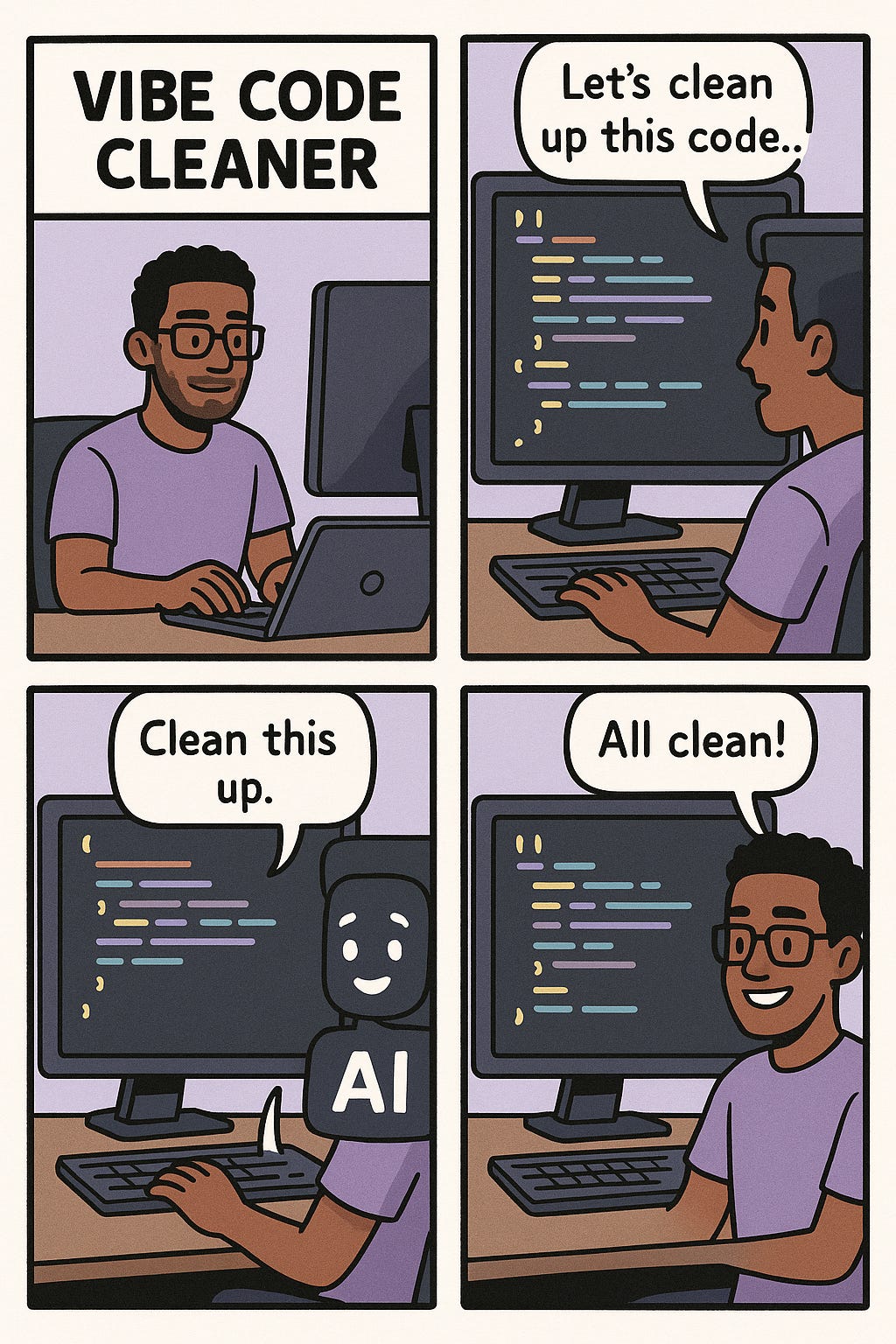
Generative AI isn’t just changing how we code; it’s introducing a new class of debt. Like traditional technical debt, AI debt accrues when teams rely on machine-generated output without fully understanding it. The cost shows up later in rework, instability, and missed learning opportunities.
A new micro-industry is already forming: specialists paid to clean up AI-generated code. That alone should tell us something. We’re not just automating; we’re drowning in AI slop.
If we don’t start scrutinizing AI’s output with the same rigor we apply to human work, productivity setbacks are inevitable. I’ve been tracking the data, and the picture is sobering. I believe it’s worse than most leaders expect.
In the sections that follow, I’ll outline the emerging signals, the hidden costs, and the practical steps we’re taking at Stratus10 to navigate this moment without succumbing to AI slop.
AI’s impact isn’t just theoretical anymore; it’s quantifiable, and the numbers are telling.
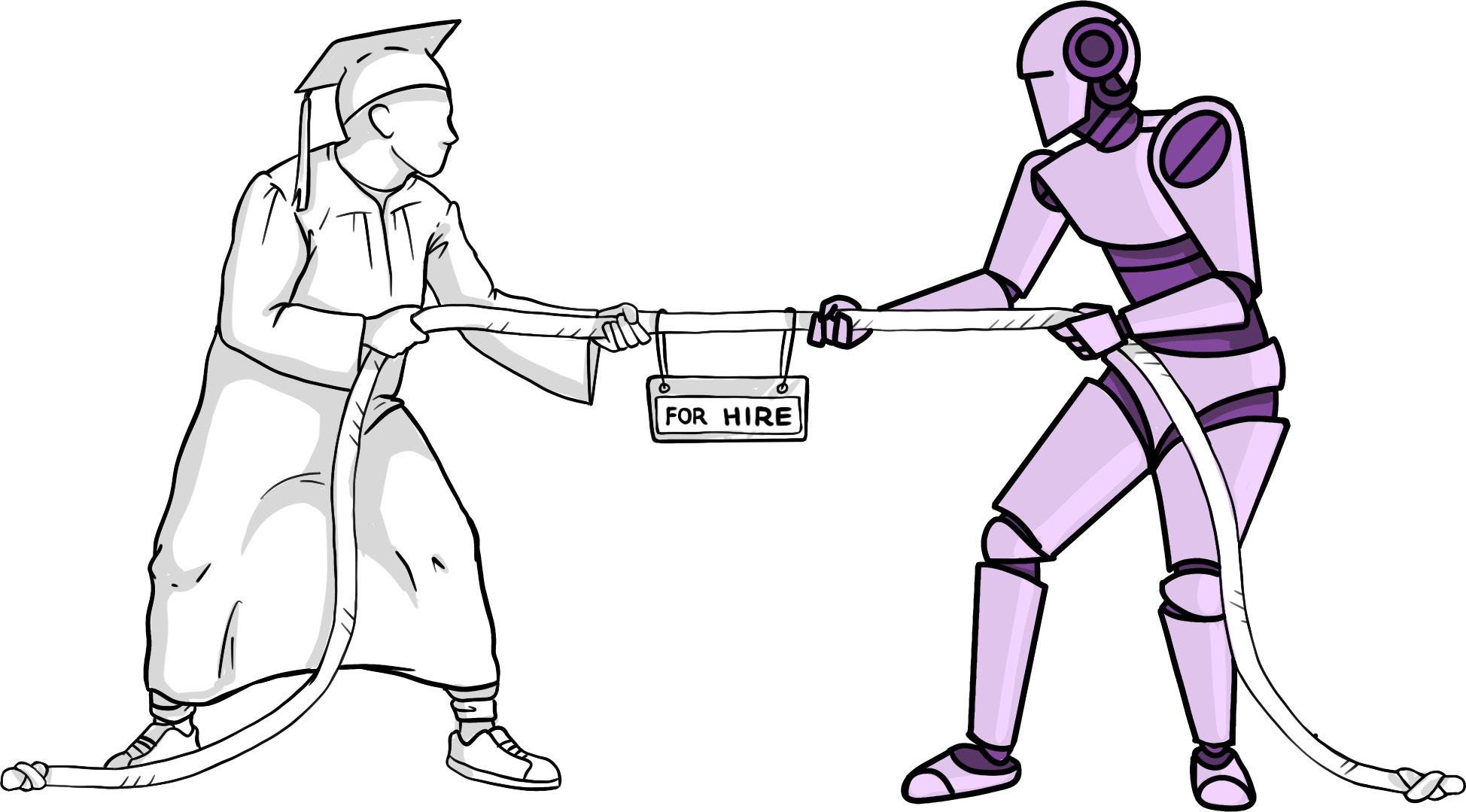
In Stanford’s “Canaries in the Coal Mine” study, jobs for 22- to 25-year-olds in the most AI-exposed roles declined by 13% between 2022 and mid-2025, even after accounting for broader economic shifts. By contrast, employment among mid-career engineers (35-49) grew by about 9%. What’s driving this gap? The paper notes that the decline is concentrated where AI automates tasks rather than where it augments human skills, and that firms are adjusting via fewer hires, not via wage cuts.
Signal Fire reports entry-level tech hiring dropped 25% in 2024 despite market recovery. The World Economic Forum’s 2025 Future of Jobs report found 40% of employers expect to reduce headcount as AI automates tasks. Go to any technical subreddit and you’ll hear echoes of this all over the place, including how recruiter outreach on LinkedIn has also dropped drastically. But then on freelance platforms, AI slop cleanup gigs are exploding. Engineers are literally being hired to fix AI’s code. Offshore outsourcing, which isn’t new by any means, may have a role to play too, but let’s not go down that potential AI slop rabbit hole.
If the entry ramp to junior engineering roles keeps narrowing, the entire talent pipeline starts to shrink, leaving fewer skilled engineers a decade from now.
Generative AI can write code fast, but speed doesn’t equal progress.
“Vibecoding” describes the growing trend of directing AI by prompt, shipping code that looks correct, but often skipping the comprehension that makes it sustainable. Here’s what that looks like in practice:
AI drafts five minutes of boilerplate.
Human tests it. Bugs emerge.
Human prompts AI to fix it. The fix breaks something else.
Hours later, the loop continues.
Instead of shipping clean code in an hour, teams burn two to three hours chasing phantom bugs. Nobody owns the logic and the architecture becomes opaque. That’s vibe debt. And it compounds silently across systems.
At Stratus10, we’re confronting this head-on by embedding human checks into every AI-assisted workflow. AI can amplify output, but only when our guardrails, standards, and human judgment stay firmly in place.
The risks multiply when inexperienced engineers (or non-engineers) are the ones prompting the model.
One of the biggest challenges with vibe coding is that LLMs don’t have a local environment where they can accurately test the code they generate, so any fix for a bug is based only on their current context and your prompt. This leads to a frustrating loop of asking AI to fix one issue only to introduce another, resulting in efficient, unnecessary code that expands the code base and makes debugging increasingly difficult.
Common vibe coding failures include:
False confidence: Code looks correct but hides logical gaps.
Loss of understanding: Humans patch symptoms instead of root causes.
Regression cascades: Fixes break other components.
Missing observability: No logging or diagnostics for debugging.
Security gaps: Weak validation, boundary checks, or error handling.
What starts as a small AI-assisted shortcut can quickly balloon into a brittle, oversized codebase no one fully understands. One senior engineer can clean it up, but if there’s no one left to learn from that process, the cycle repeats indefinitely.
The emergence of jobs for “AI cleanup” specialists is a direct symptom of bad AI code.
Across freelance and gig platforms, demand for AI code repair has surged. NPR station, KUOW, reported senior engineers managing 20–30 cleanup contracts at once. On Fiverr (though data is opaque), multiple sources report that job listings for vibe-code repair or AI code fixes have exploded.
We’re effectively paying a cleanup tax by outsourcing the consequences of overreliance on AI. Businesses may celebrate short-term productivity, but then absorb long-term rework costs. The margins, quality, and morale all take a hit.
AI isn’t going away, and neither should our discipline. From the trenches at Stratus10, here’s what we’ve found to work so far:
Enforce human ownership
No prompt-only pull requests. Every merge must be reviewed, rewritten if necessary, and fully understood by a human. The engineer should be able to explain the logic, identify potential bugs, and account for edge cases.Encourage experimentation with accountability
Allow engineers/teams the time to build and document the guardrails, guidelines, and structure for AI to generate code that adheres to your standards and goals. Give them freedom to trial and error and get comfortable with what the AI can do. Then, establish a workflow that allows them to use AI but also have a level of confidence that they understand the code being generated and that it meets specifications.Embed tests, contracts, and property checks
All AI-generated output must conform to your coding standards, include unit tests, and meet security requirements. Never treat AI as an unbounded author—its work needs constraints.Monitor rework metrics
Track how many AI-originated pull requests lead to rework or rollback. Compare mean time to restore (MTTR) for AI patches versus human patches. If AI fixes consistently require more cleanup, adjust the policy.Preserve apprenticeship opportunities
Even if workload volume drops, carve out mentored tasks (such as bug fixes, instrumentation, small modules, etc.) for junior engineers. Require them to engage with systems and understand the architecture, not just issue prompts. Human cognition must stay in the loop.Budget for “cleanup debt”
Plan explicitly for the technical debt of AI-generated code: refactoring, rearchitecting, replacing. Don’t expect AI code to remain stable indefinitely. Many “quick wins” only look efficient on day one; by day thirty, they can become liabilities if you’re not careful.
If we continue chasing velocity by replacing human growth with machine output, we’ll hollow out our talent base. In a decade, many companies won’t have the mid-level or senior engineers needed to stabilize, scale, or secure their own systems.
But it doesn’t have to go that way. The distinction between those who thrive and those who collapse under AI debt will hinge on one decision: using AI as augmentation, not replacement.
Leaders who keep humans in the intent loop, and who defend mentorship as part of their engineering culture, will be essential in establishing the path for the next decade of software. If we can’t commit to intertwining AI with human experience and learning, we’ll all have to deal with the repurcussions of AI slop, unsustainable debt, and skill loss.
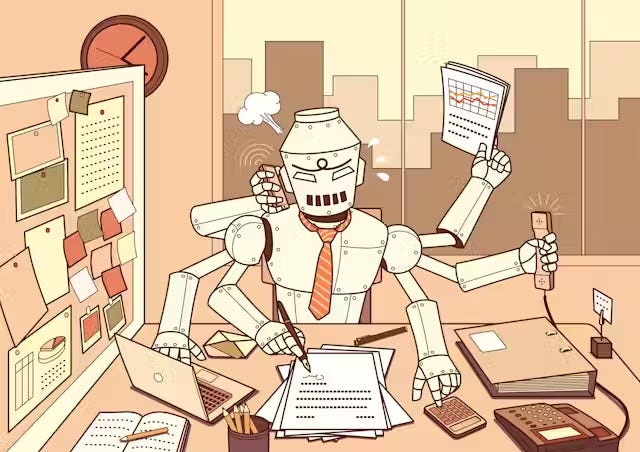
Is your organization encountering AI slop? If so, how are you counteracting those outputs? What is your approach to dealing with the tasks junior engineers often handle?
Drop a comment below or on my LinkedIn.
Comments
Nothing yet. Say the first thing.
Sign in to join the conversation.