
A man on the train pointed at my four-year-old disabled daughter and said:
“Can you get that to stop? It’s annoying for everyone else.”
That.
He called her “that.”
This is the story of how we got there. And why this will be my last Substack.
We got invited to the Hawks v Geelong game at the MCG on Easter Monday. 90,000 people. The biggest game of the round.
The invitation came through Indi’s special school, via Variety Victoria - a charity that creates inclusive experiences for families like ours. Free tickets. An accessible entry point. A sensory room on site. Additional OTs available throughout the day. A chance for families with kids with disabilities to go to the footy and actually be supported.
I went in with zero expectations about watching the game. That wasn’t the point. The point was a chance to be normal for a few hours. For Indi, who gets ruled out of so much and for Harper and Beckham, who miss out as siblings more than anyone realises.
We were sold an inclusive event. Thought through. Safe spaces. Trained support on hand. What followed has left me numb. Defeated. Shaken. Twenty-four hours on I’m still angry. Still upset. So now I’m getting it out into words.
We get the train down from where we live into the city. Indi absolutely loves it. She’s autistic and she loves trains - I know it’s a bit of a trope, but it’s so true. She just likes the feeling. Seeing things pass by. The freedom. The bars to sit against by the window. She’s in her element.
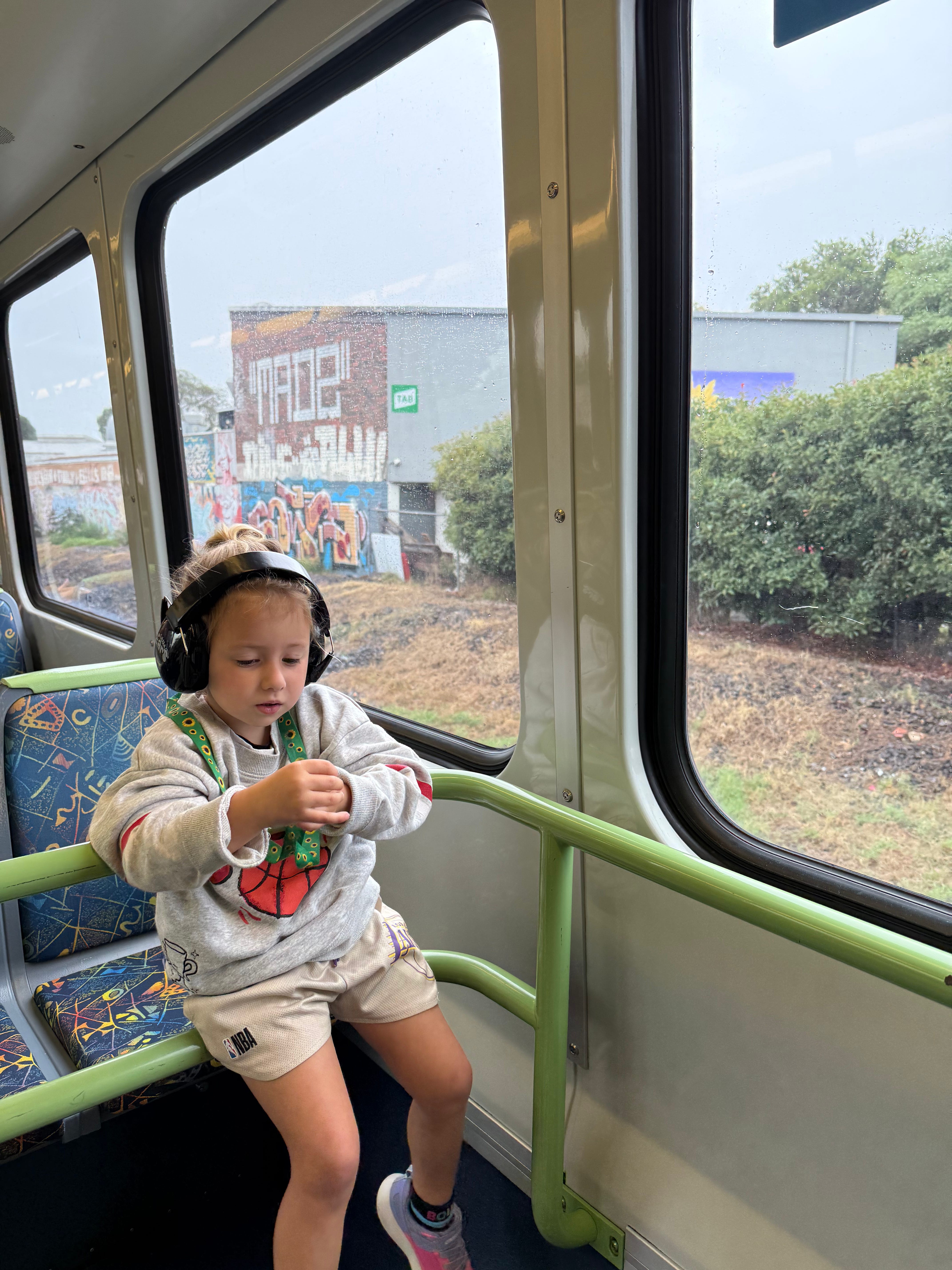
We get into Richmond Station. I chuck her on my shoulders and we head towards the ground. It’s packed, but we’re doing good.
We get told to go to a particular spot where the tickets are. It’s a bit harder to find than we hoped, but these things happen. When we get there, they tell us to go to a specific gate - there’ll be a woman with a clipboard who has our name. So we find the gate. We find the woman. She says go through here, you’ll be sorted.
So we go through to the security point. And bear in mind - this is the accessibility gate. The gate specifically for families like ours.
The two people on security were the most unwelcoming people you could put in that role. I know it’s a generic job for a lot of people, but come on - if you’re going to staff the accessibility gate, pick people who are kind. Patient. Who smile. That’s just basics.
Anyway, we get through security. We go to the guy with the scanner. He looks at us and says, “Where are your tickets?” We explain we got sent through. He says they’re not here - we need to go somewhere else.
We’ve just got four young kids all the way through the gate and security. And now we have to go all the way back out to get tickets.
It’s fine. I leave everyone there. Take Indi with me. We find the right place, get the tickets, walk all the way back through. The same security people who watched the whole thing unfold then wanted to search me again on the way back in. I get the rules. But you’ve just watched me walk out and back with a child on my shoulders. Read the room.
Still - we’re going to have a great day.
Through the accessibility gate, with free tickets for a disabled child, we’ve been placed on Level 4. Right at the top. One row back from a massive overhang.
I’m not complaining. It was a free ticket and the fact the Hawks, the MCC and Variety are even doing anything is great. But it was funny. Of all the places you’d put a child with sensory needs, literally the last place you’d choose.
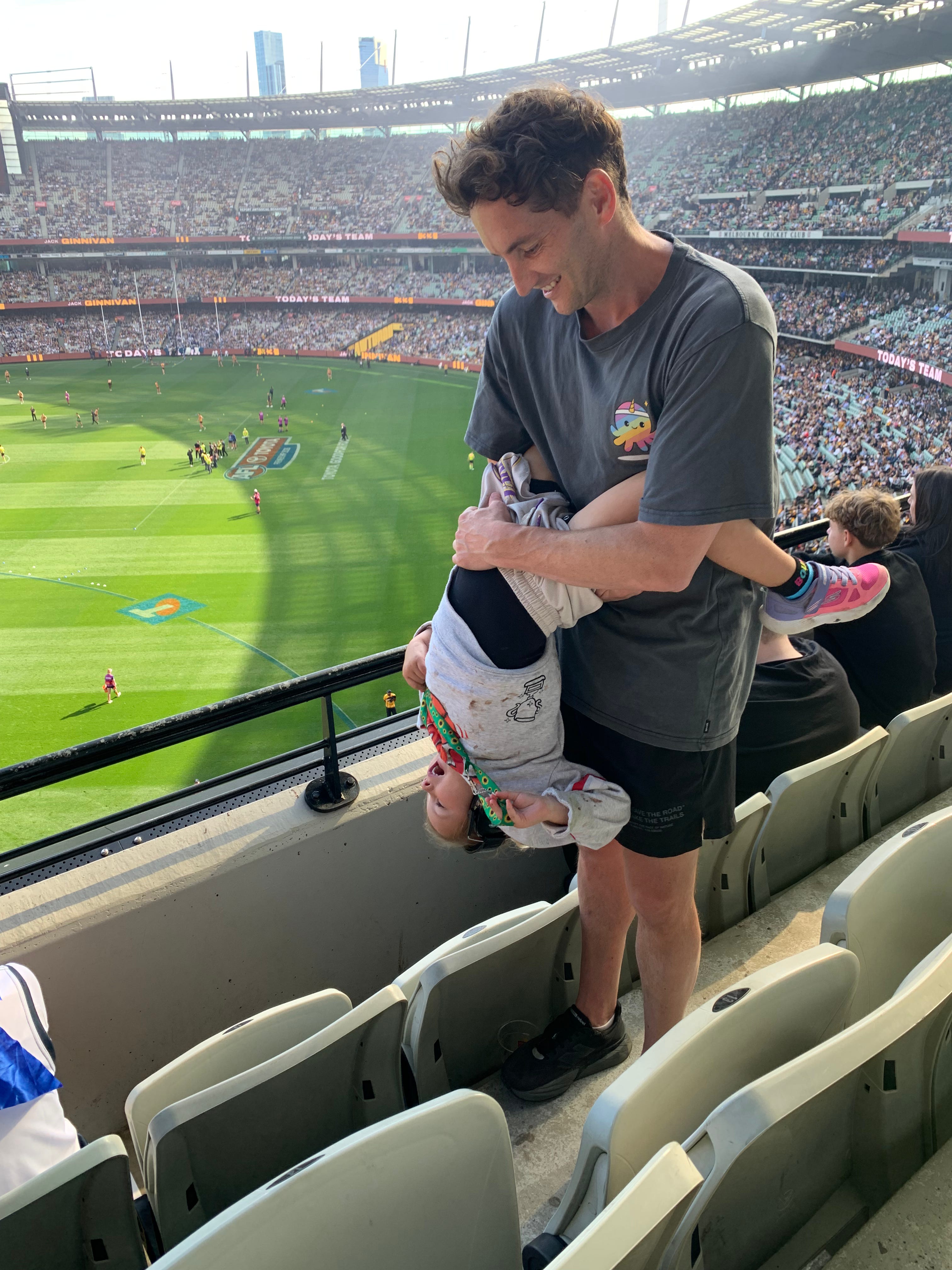
We get all the way up there and I think - right, let’s find out where the nearest sensory room is. The one they’ve heavily advertised. The one we’ll need to get to quickly when things start to shift.
So I ask. And the answer is: all the way back down. Not even the ground floor. Below the ground floor. Four levels back down.
So the tickets for families with disabled kids are on Level 4. And the sensory room built for families with disabled kids is in the basement. That’s a full venue trek with a dysregulated child when the moment comes. And the moment always comes.
Fair enough. Probably just put the accessible tickets closer to the accessible room next time. But still - we can work with this. We’ll figure it out.
One more thing. They advertised additional OTs on hand throughout the day. Easy to find. There to help. We were at the MCG for four hours. In and around the ground, the concourse, the sensory room. We didn’t see a single one. Not one person who could offer trained support. Now I don’t want to sound ungrateful - but if you’re going to make the claim, back it up. And if you can’t back it up, just don’t make the claim.
Thanks to some Milo ice cream and a couple of lollies, we actually made it through the first quarter. I went in with zero expectations, so to get through a full quarter with Indi sitting on my lap, Harper just about managing, headphones on both of them - I was pretty impressed.
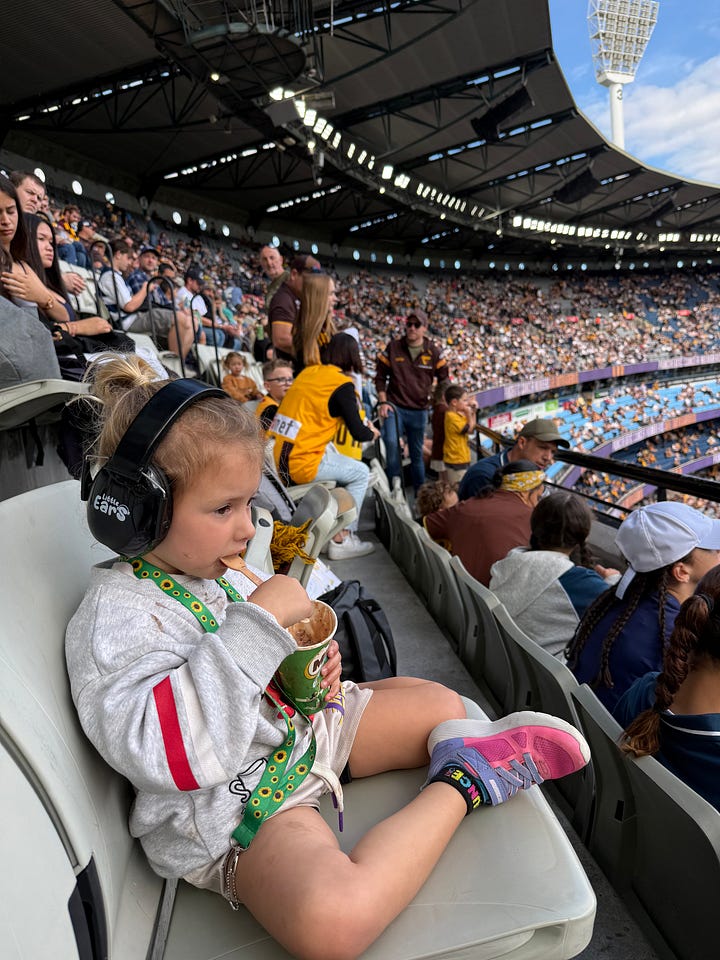
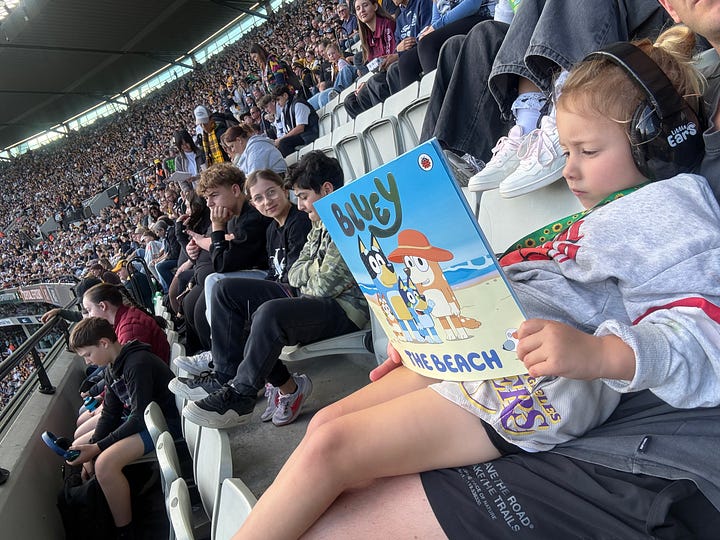
But I know not to push our luck. I can read their spoons. I can see where things are heading. So I decide to proactively take them down to the sensory room for the next phase and see how we go.
So it’s me, on my own. A four-year-old disabled girl who elopes, jumps, climbs everything - so she’s on my shoulders to keep her safe. And Harper holding my hand. She’s not the easiest at the moment.
We get to the sensory room and there’s a man standing outside wearing a sunflower lanyard.
No “Hi, how are you doing?” No “Come this way.” No warmth at all.
The first thing he decided to do was tell me off for having Indi on my shoulders.
Not asking questions. Not being curious about why a dad might be carrying his daughter like that. Just telling me off.
I said - yeah, I get the health and safety bit, but she’s disabled. She elopes. After a few years of caring for her, i know, this is actually the safest place for her to be.
He didn’t engage with that. At all. For someone wearing that lanyard, someone working the door of that room - just wow.
We go in. We get led into a dark sensory room. There’s a woman lying on the floor with a blanket over her. There’s a mum with two young kids playing. Indi and Harper go in. I whisper to them - go grab a toy and just chill out and see what happens.
And look, with the best will in the world - it’s a sensory room, but Indi is a four-year-old nonverbal autistic girl. She doesn’t know quiet. She knows her world. She makes noises. She moves. That’s how she regulates. That’s how she exists.
I’m just letting them be and do what they need to do - which is exactly how the room is advertised. A safe space. A place to decompress.
This man comes back in. Rushes over. “You need to tell them to be quiet.”
I almost laughed. Mate - she’s disabled. She’s nonverbal. She doesn’t understand “be quiet.” And this is a sensory space. Surely this is the safe zone. For her. For kids exactly like her.
He didn’t ease off. He doubled down. As in - if you don’t keep them quiet, you won’t be allowed here.
I try every single day to see the best in people. To give them the benefit of the doubt. To make environments work for our kids. But at that point, I was done.
I took a step back and said to him: “You’d be my guest. You go have a chat with her. Let her know she needs to be quiet. And see what happens.”
What are you not seeing here?
And here’s the bit that really got me. When I said she’s disabled, he said - “Oh, we didn’t know that.”
One - you did know that. Because I told you upstairs when you told me off for carrying her. Two - she’s wearing a sunflower lanyard, which means hidden disability. She’s got massive headphones on. And you’re wearing a sunflower lanyard yourself. Even if you didn’t know, you should have known. And if you don’t know what that lanyard means, you shouldn’t be wearing one or working here.
I was frustrated. Upset. The mum sitting nearby was looking on having heard the whole thing. I said to the girls - right, let’s go. I thought this was an accessibility space. It clearly isn’t.
A woman working there came up to us. She said, “Sorry about that. Have the girls tried the other room?”
What other room? We’d only been shown the one room. Nobody mentioned another option.
She took us through to a second space. Big room. Podium seating. Beanbags. A massive TV on the wall, silent, with headphones for anyone who wanted to watch the game. About twenty people in there. All different types of kids with different needs - some needing quiet, some needing to move, some needing to make noise. And it worked. For all of them.
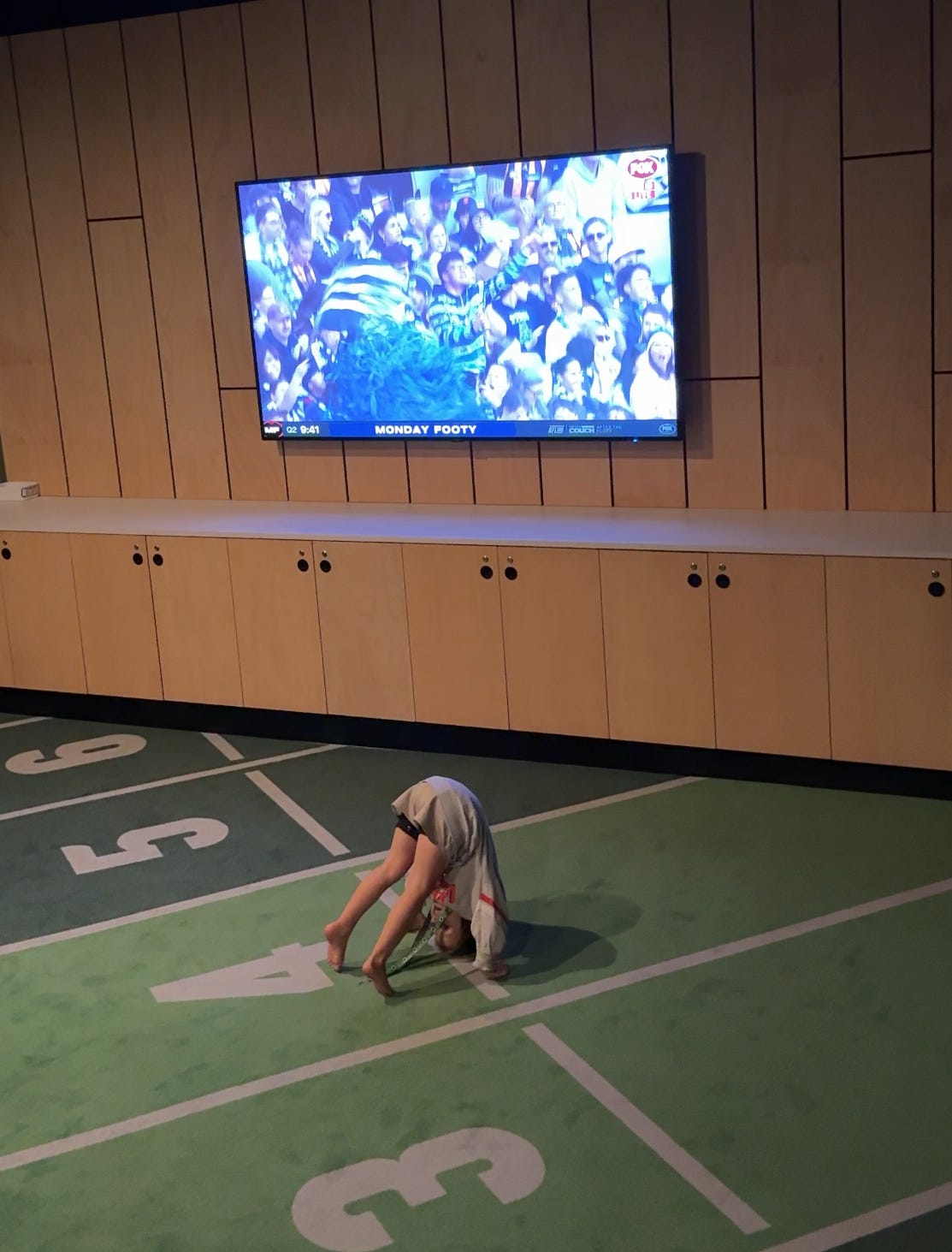
Indi was having a great time. There were steps - she was going up and down, jumping a little. The floor of this room had a running track printed on it. She was running in circles on it, spinning, just being herself. The atmosphere in there was good. Families happy to be around each other in a space that felt safe.
And then this guy comes back in.
“No running allowed in here.”
Not in a calm voice. Not a “what can we do to make this work for the kids?” Just a flat rule.
No running. In a sensory room. With a running track printed on the floor. For kids who need to move.
I said to the girls it’s time to go. Harper proceeded to have a meltdown about leaving because she was having such a lovely time playing with another girl. And honestly, I didn’t blame her. But we didn’t have a choice. We clearly weren’t welcome or accepted.
The woman came back again. She could see what had happened. She said, “I’m really sorry. Come through here.” And she took us to a third room that apparently no one’s allowed in. Dark. Quiet. A fish tank glowing on the wall.
We hung out in there for a bit. And I just told her how things like this make us feel.
I said - look, we’re on day three of a two-week school holidays. I’m a dad. I’ve got three young kids. I would love to be able to take them out to places, but we simply can’t because one of our children is disabled and accessibility and inclusivity are still a million miles from where they need to be. For once, we got advertised something that might actually be a safe space for her. And we’ve come down here and at every turn, it’s been the opposite.
So what do I do? I’ve got two weeks of them at home. And we’re stuck. Because we can’t go out. And if we stay in, what kind of life is that for them? It isn’t good for them. The type of brains they have - they need to be out and about. They need stimulation and movement and the world.
She could tell I was upset. Not shouting. Not swearing. Not complaining. Just a dad being beaten down by years of having to fight for any glimpse of normality and inclusivity. I gave her some specific feedback - you shouldn’t let people work in this space who don’t understand what it actually means. She said she’d speak to someone. She really tried. And I appreciated that.
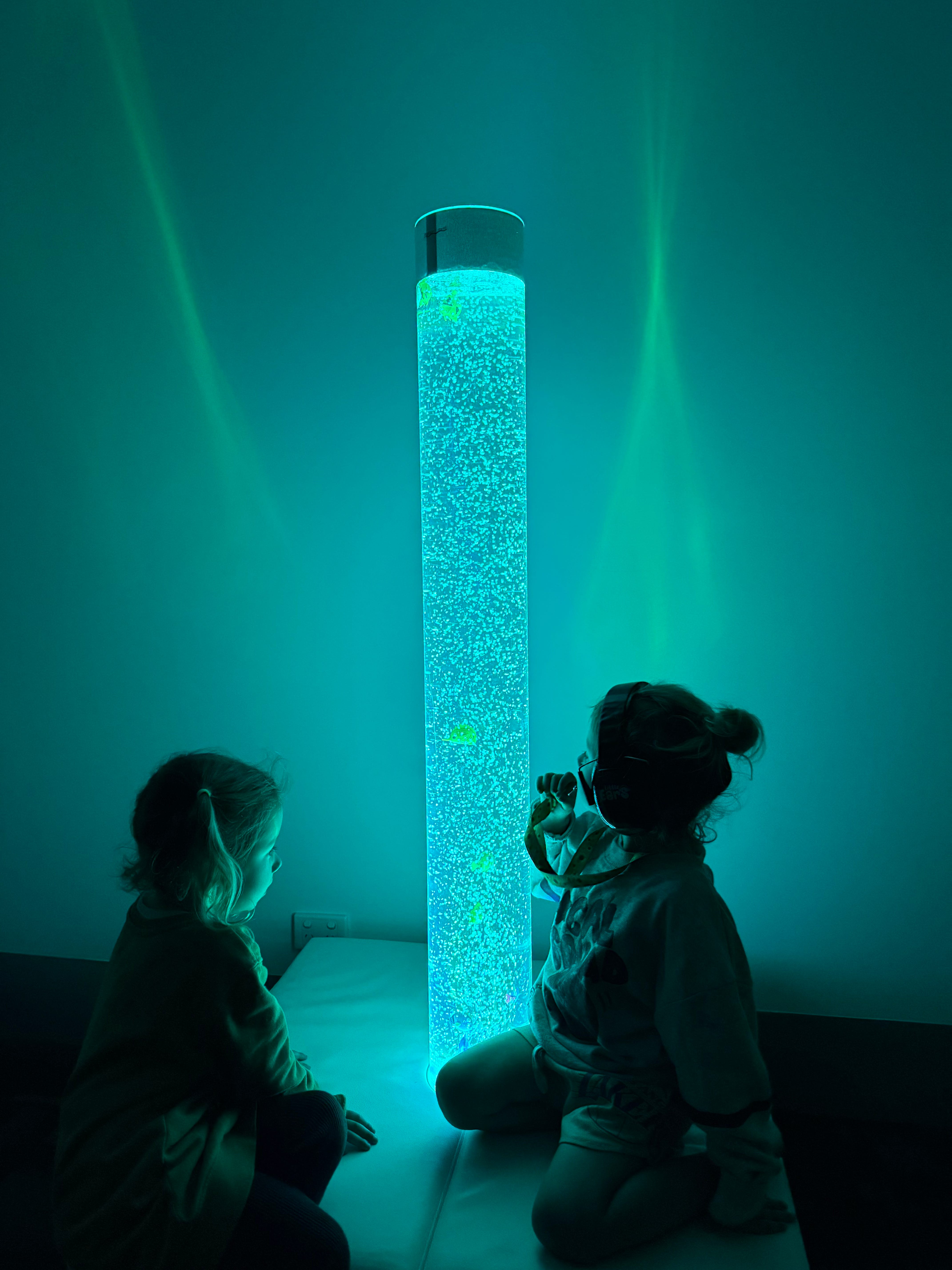
After ten minutes in the fish tank room, I went back upstairs. I said to the girls - I think we’re just going to go home. We said goodbye to everyone on Level 4 and left what was turning into an incredible game.
We walked outside. Indi on my shoulders - she weighs quite a lot now, she’s strong and athletic. Harper struggling. Not poor behaviour struggling - something else. That kind of struggling where a four-year-old is trying to process a day that asked too much of her.
I’m doing everything I can to be patient. Standing outside the MCG. I can hear the game in the background. Indi on my shoulders. Harper on the ground, falling apart. Fifteen minutes go by. People walking past. Four policemen walking past. Nobody says anything.
So I picked Harper up. One kid on my shoulders, one under my arm. Two lots of about twenty kilograms. And I started walking from the MCG towards Richmond Station.
Halfway down, I hear a beep behind me. A golf cart pulls up. A man jumps out and says - “Hey, my boss saw you were struggling. He sent me down to help you.”
In that moment, I just needed someone to see us.
I don’t know who sent him. But that small thing - seeing a dad struggling and doing something about it - helped more than he’ll know. We got on the golf cart and he took us down to the station.
We get on the train. It’s busy. No seats anywhere. I find a little corner by the door and sit on the floor, trying to keep Indi still and give Harper a big compression hug to break the meltdown.
A woman gets up from one of the yellow accessibility seats. Comes over. Says - “Hey, come take these seats.”
We sat down. Harper’s still struggling. But at least we had a seat.
Two minutes later, the woman comes back with a little chocolate egg. “I’ve only got one, but will this help her?”
Yes. It did. Chocolate is a prime breaker of meltdowns.
She rode the train with us for about half an hour. And as she got off, she tapped me on the shoulder and said: “You’re doing a great job.”
I’m trying not to cry at this point. You have no idea how much it means when someone says that. It costs nothing. And it means everything.
So we’re on the way home. It’s been a tough day, but we’re getting through. Maybe we can finish on that nice note.
We’re sitting in one of the four-seaters, chatting to the people next to us who are watching the game on their phone. Harper’s next to me trying to stay awake. And Indi’s on the other seat, face up against the window, stimming away. Her usual stuff. She wasn’t dysregulated. She wasn’t having a meltdown. She was just being her. Some movements. Some noises. Just Indi.
Out of nowhere, a man comes down the carriage. Taps me on the shoulder. Points at Indi.
“Can you get that to stop? It’s annoying for everyone else on the train.”
That.
He called my daughter “that.”
I don’t even know where to start.
First of all - don’t ever refer to my daughter as “that.” Second - she’s disabled. Not that it should matter, but she’s disabled. She’s got the lanyard on. She’s got the headphones on. She’s not doing this on purpose to upset you or annoy everyone else on the train. It’s just her.
The man realised he’d made a mistake and started to back off. He didn’t apologise. Just started retreating.
I said - that is discriminatory. It’s abusive. And it’s disgusting. Apologise or go away.
I was not quiet. My voice was raised. Everyone else on the train sat there and watched. They could all see what he’d done. Nobody said a word.
He scurried back to his seat.
I sat there for five minutes. Holding Harper’s hand. Trying to keep Indi safe. Shaking. On the verge of tears. How dare he say that. How dare he decide who is and isn’t allowed on a train. What privilege does he think he has?
Even saying the words back now makes me feel sick.
I asked the woman sitting across from us - if you’re staying on for a few more stations, can you watch Harper for two minutes? I need to go and speak to this man.
I couldn’t say nothing. I’m so done saying nothing.
So I went up to him and said - how dare you say that to me? How dare you call her “that”? Why couldn’t you lead with kindness? If you were really that disturbed by how she was behaving, why couldn’t you come up and say “hey, I can see your daughter’s having a tough time, is everything okay?” Why not lead with empathy?
His response: “I can’t be expected to know everyone on the train.”
I’m not asking you to know everyone. I’m asking you not to call a four-year-old girl “that” and demand she stops existing because it’s inconvenient for you. You shouldn’t say that to anyone - disabled or not. It’s discrimination. And it’s abuse.
And then the final punch.
He apologised. But not for what he did. He apologised that I have a disabled child. Like he had pity on me.
He didn’t say sorry for his actions. He said sorry that my daughter exists.
I went back to my seat. I couldn’t say anything more. If i had stayed, I’d have done or said something stupid.
I got back to my seat and the woman across from us who’d watched it all gave some kind smiles. I could feel in her eyes she was asking if I was okay.
We rode the train for another fifteen minutes. Got off. Walked out of the station. Allie was there to pick us up.
I got in the passenger seat. Allie had put Harper in her car seat. And Allie said to me - “Harper says there was a horrible man on the train.”
“Yeah. There was.”
And with that, I sat down, still shaking, and burst into tears.
I’d just spent five hours trying to give Indi, Harper and Beckham a slice of normality and inclusivity. A day out. Something that most families don’t even have to think about. And at every single turn, something or someone blocked it.
The sad part is - this isn’t a one-off for us. This is the norm.
There were glimpses of incredible humanity in that day. The man in the golf cart whose boss saw us struggling. The woman on the train with the chocolate egg and the tap on the shoulder. Those moments are everything. And hopefully when I look back at the photos years from now, those are the bits I’ll remember.
But right now? I’m done.
I don’t have it in me anymore. To fight for acceptance. For the last twenty-four hours I’ve felt numb. Defeated. I keep reliving the conversations over and over. And I just don’t know what to do, what to say, or how to be.
I know that Indi and her siblings deserve a world that isn’t shaped like this. I just don’t know what to do about it anymore. It’s hard enough fighting for Indi, let alone fighting for other people to understand.
So here’s my feedback. For anyone who’s listening.
MCG and MCC - don’t waste your money on sensory rooms and accessibility gates unless you’re prepared to back it up with the right people. Your current setup isn’t fair on anyone who walks into that venue with an expectation you’re not willing to meet. The staff working in and around that sensory room and on the accessibility gate did not understand what that space is for or who it’s for. Either the training isn’t happening, or the training isn’t landing. Either way, it’s not close to where it needs to be.
Sunflower Lanyard scheme - I’d suggest speaking directly with the MCC and finding out what they’re actually doing with your program. There’s a significant gap between what that lanyard is supposed to represent and what’s happening on the ground. The lanyard is supposed to be a symbol of empathy and understanding. Not a uniform for someone who happens to work near a particular room.
Everyone else - be kind. If you see someone who looks like they are struggling, they possibly are. Be the woman on the train. Be the person who sent the golf cart. You have no idea how powerful that can be. And if you have it in you, speak up. Don’t be a passenger, sitting back watching as someone else suffers.
This will be my last Substack. At least for now.
I just can’t be the voice of this anymore. I need someone else to stand up and say something. Because I don’t have the fight left.
At some point, someone needs to listen and act. Until then - I just don’t know.
Sharing this with love, for everyone who’s followed along. Maybe I’ll be back. Maybe I won’t.
Hope you had a happy Easter.
Love Orrin and THAT indi xoxo
If you know a parent who’s ever been made to feel like their child doesn’t belong in a public space - send this their way. Maybe it helps them feel less alone. Maybe it reaches someone who can actually change things.
If you want to tag the organisations involved, here’s who should see this:
Melbourne Cricket Ground (MCG)
Melbourne Cricket Club (MCC)
Hawthorn Football Club
Hawks Community Foundation / The Inclusion Project
Variety Victoria
Autism Spectrum Australia (Aspect)
Hidden Disabilities Sunflower
AFL
Aspect co-designed the sensory room at the MCG. The room itself isn't the problem. The people operating it are. Aspect should know that.
🔗 Links
Comments
Nothing yet. Say the first thing.
Sign in to join the conversation.