
We’re just gonna say it. We have a chip on our shoulder.
It isn’t large and it’s not necessarily uncomfortable but it’s a chip.
And we’re fine with it. Really. We’re fine.
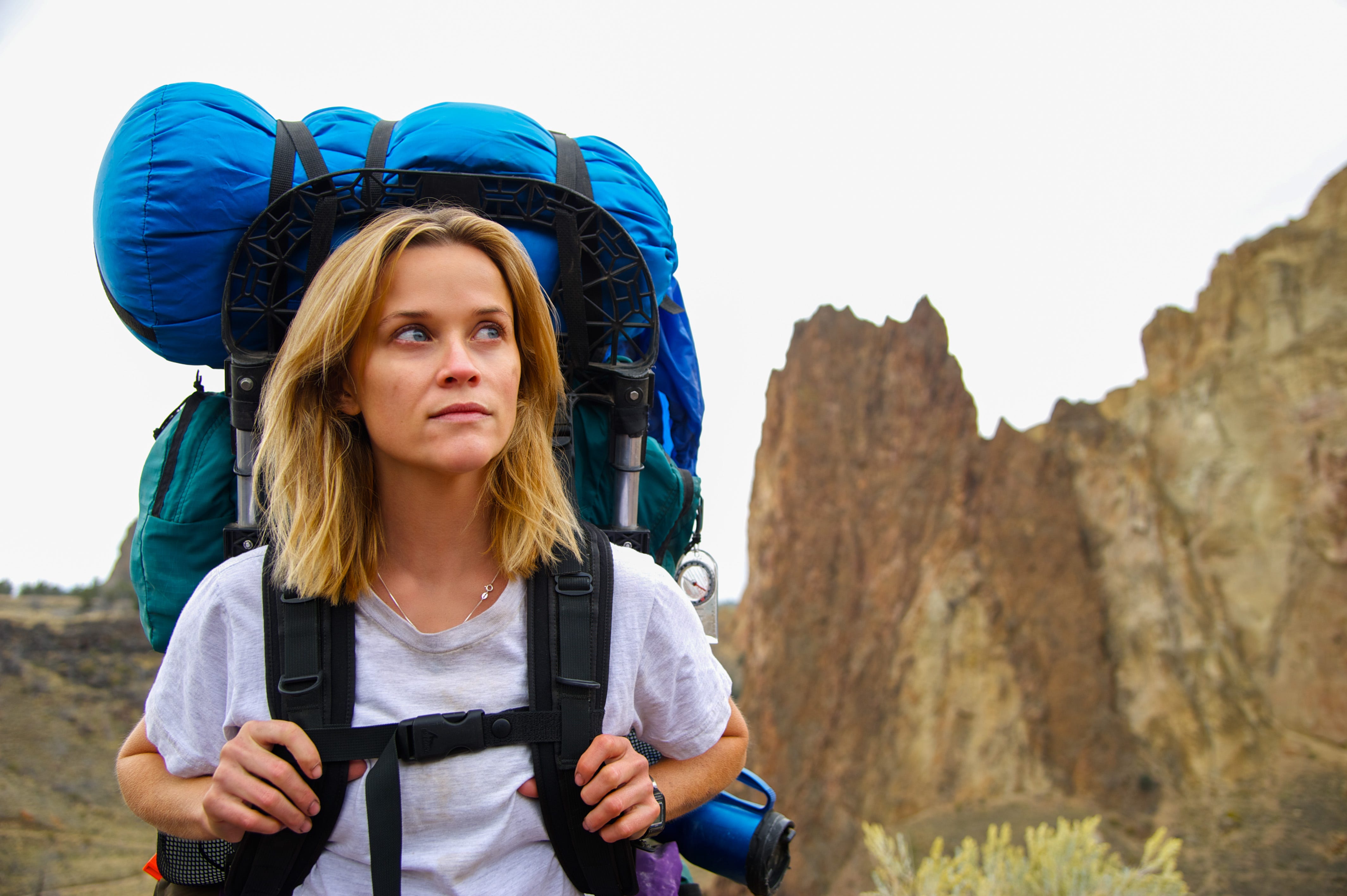
Let’s say, for argument’s sake, there’s a project looking for a Pacific Northwest location. The calls are made. The location lookbooks are sent. The scouts fly in. The meetings over drinks are had. And they love it. Love the light. Love the look. Love the people. Love the beer. The list goes on.
And then there’s a silence. It could be for a few days or a few weeks. But it’s very noticeable. After the lookbooks have been, well, looked at. After the scouts fly home. After the beer is drunk.
There’s always a meeting. Somewhere in a room on a lot with a lot of Decision Makers. “Oh, the light.” “Oh, the look.” “Oh, the people.”
And then it’s going to Vancouver, BC.
We get this a lot. We make the trips. We sit in the rooms. We hear the assurances that it’s a triangle, it’s a pyramid, it’s all three things - the crews, the infrastructure and the incentives. And then projects that are set here in Oregon fly further north to Canada. Or, even worse, they head to Malta or Albania without even a wing tip to the story’s location setting.
And if it’s not BC or Eastern Europe, it’s California. We get it. There’s more stages, more equipment, more crew. And there’s that dreaded additional incentive for bringing second season television series back into the state (for the record: we hate that incentive, California, just sayin’).
And Oregon sits in between the West Coast Production Titans of California and British Columbia like a middle child at the dinner table being reached across for condiments. (Well, at least we have company. Please pass the bread, Washington, and, by the way, Train Dreams is so good!)
We live in a moment where money is king. A moment where consolidation is Paramount (see what we did there?). We respect that. We know that our industry would not exist without our southern neighbor. (Although it must be said that some of the earliest silent movie studios were here in Oregon before the invention of sync-sound drove them out of business.)
But it’s fine.
It’s completely fine.
British Columbia has a 28% basic production services tax credit, up to 35% for regional or distant locations, with no cap, no annual limit, and the infrastructure of a province that decided decades ago to become the third-largest film production center in North America and then proceeded to do exactly that.
But it’s in Canada. (And we love Canada, but, you know, you gotta go through customs and immigration going in and coming out, and who knows where that can lead these days?)
And, yes, California has even more. The backlots. The standing sets. Lots of crews. (Maybe too many?) The institutional memory of a century of professional filmmaking packed into a metropolitan area that has been doing nothing else for so long that the industry is essentially a utility.
(Did we mention that additional second season incentive? Boooooo.)
We respect that. We always have. These are real advantages.
Our point is: if you’re a small or moderate or medium sized series or indie, you’re going to get lost in those places. You’re going to have cast stopped at immigration. You’re going to lose crew to higher hourly rates midstream. You’re not going to get your calls returned.
And you probably can’t afford any of those soundstages and backlots anyway.
You want the light, the forests, the coast, the high desert, the mountains, the rivers. And, above everything else, the crews. The talent. People who are used to your budget level, your challenges, your aesthetic. The vendors and the community treating your project as special. Treating your story as something that means something and should be made with care and experience.
Not to mention great food, beer, wine and coffee. (You’re just not gonna get better coffee. Seriously.)
And that’s Oregon.
For a moment, let’s consider ease of use, customer service and speed of payment.
The Oregon Production Investment Fund has been running for more than 20 years as a direct cash rebate, not a tax credit, not a transferable certificate requiring a broker and a four-month timeline and a discount, but actual cash, post-audit, delivered on a known schedule. In an industry where independent producers live and die by what’s accessible in their bank account, this mechanism is worth more than the percentage suggests. It is applied to all people working in Oregon. No secondary market. No broker in the middle.
And regional uplifts that sit on top of that.
We’d put our 4-6 week rebate payout up against any other program, especially California and British Columbia. If you’re a sophisticated film finance mathematician, run that timeline through your finance fees and interest reserve calculations and see what it means in terms of savings. If you’re a producer thinking about cash flow and the often unbudgeted costs of supporting your project in its post-completion phase, stop for a moment and imagine a rebate arriving in your bank account before you reach your first festival.
And we’ll go through your budget, line by line, and give you the most accurate rebate estimate you can get. From anywhere. (And we’re probably the only ones who will do that with any accuracy…and we do it for free.)
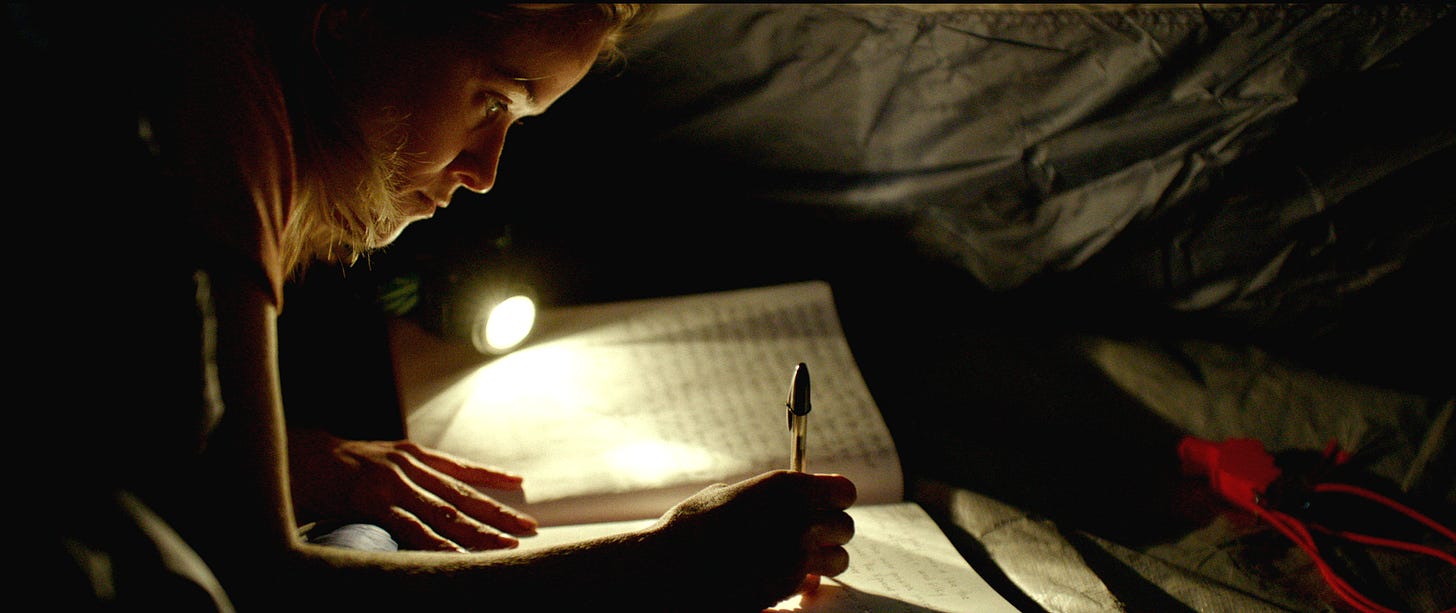
Oregon is not saying this to be competitive. Oregon is simply making a factual clarification for the record.
And.
(…as if we have to say more…)
It’s a great place to live. Meaning: it really is a great place to live. Just check out the wine tours, the Gorge, the waterfalls, the Coast, the Painted Hills…Crater Lake.
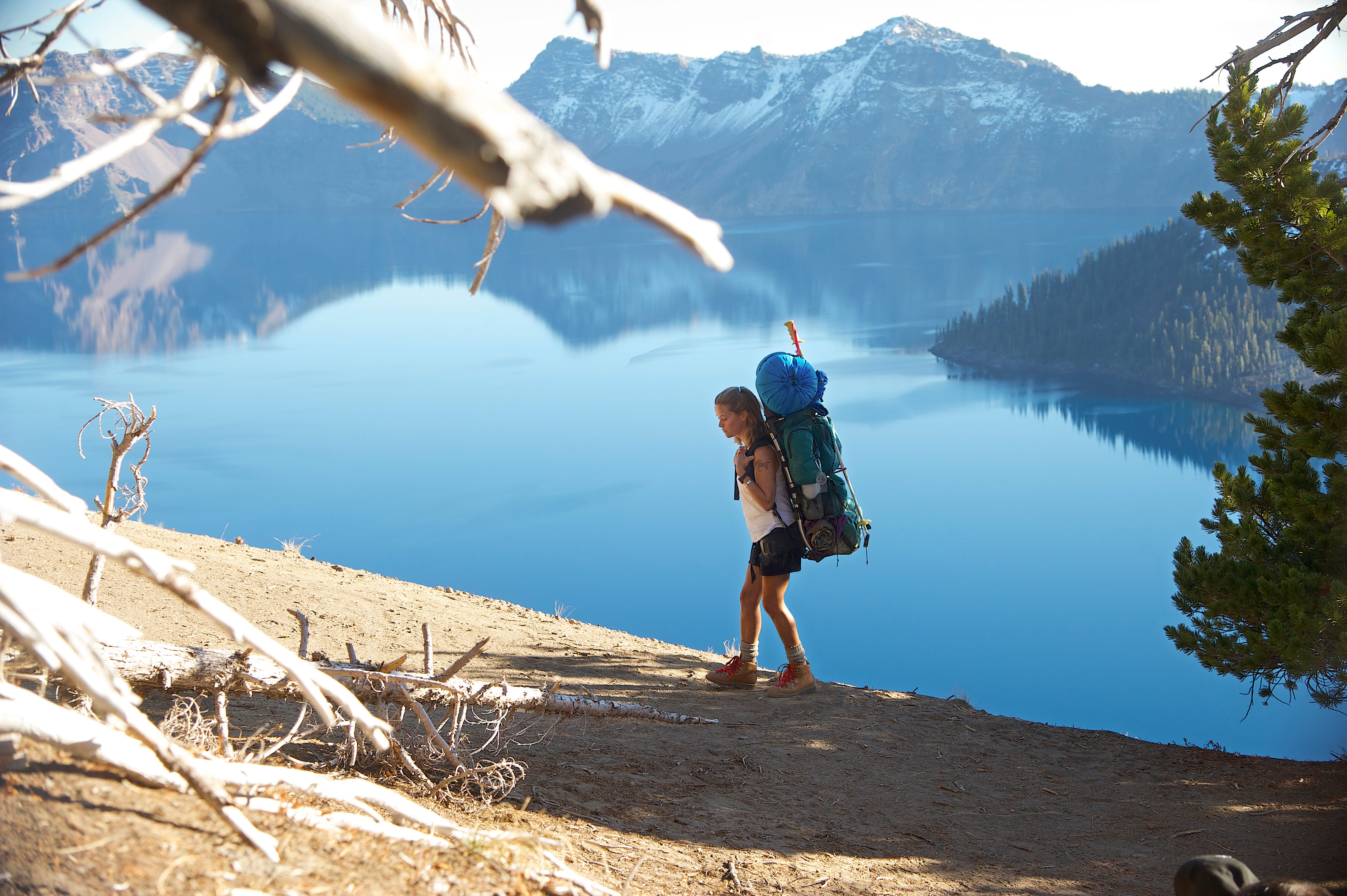
(Come on, Crater Lake!?! Have you ever…?)
The chip on our shoulder, if we’re being honest about it, comes from a specific and recurring experience.
We try to do things right. We try to be honest and helpful and responsive. Not that others don’t do this, we know they do. But, again for the moment, let’s consider our cash rebate, experienced crew, established vendor network, extraordinary landscape, quality of life, a century of institutional knowledge, a film office that returns calls quickly and with answers.
Oregon has been making the case since 1909 and its state film office has been helping to sell that case (longer than any other) since 1968.
The thing about having a chip on your shoulder is that it is, at its core, just a refusal to accept a misclassification.
Oregon is not a place to shoot your background plates while doubling our state in British Columbia. It is not a discount California. It is not even Hollywood North.
It is a specific place, with a specific film ecosystem, producing specific stories that could not be made anywhere else, and doing it through a program structure that is - in the mechanics of how it reviews budgets, pushes your project to the top of the list and how quickly it actually pays filmmakers - more producer-friendly than the programs in the places that might get the phone calls first.
This is genuinely significant. It is also the kind of thing that happens in a state that has been quietly patient, consistent (and frankly a little annoyed) for several decades and has decided to keep building anyway.
The chip is not going away.
We just choose to think of it as ammunition.
No posts
Comments
Nothing yet. Say the first thing.
Sign in to join the conversation.