
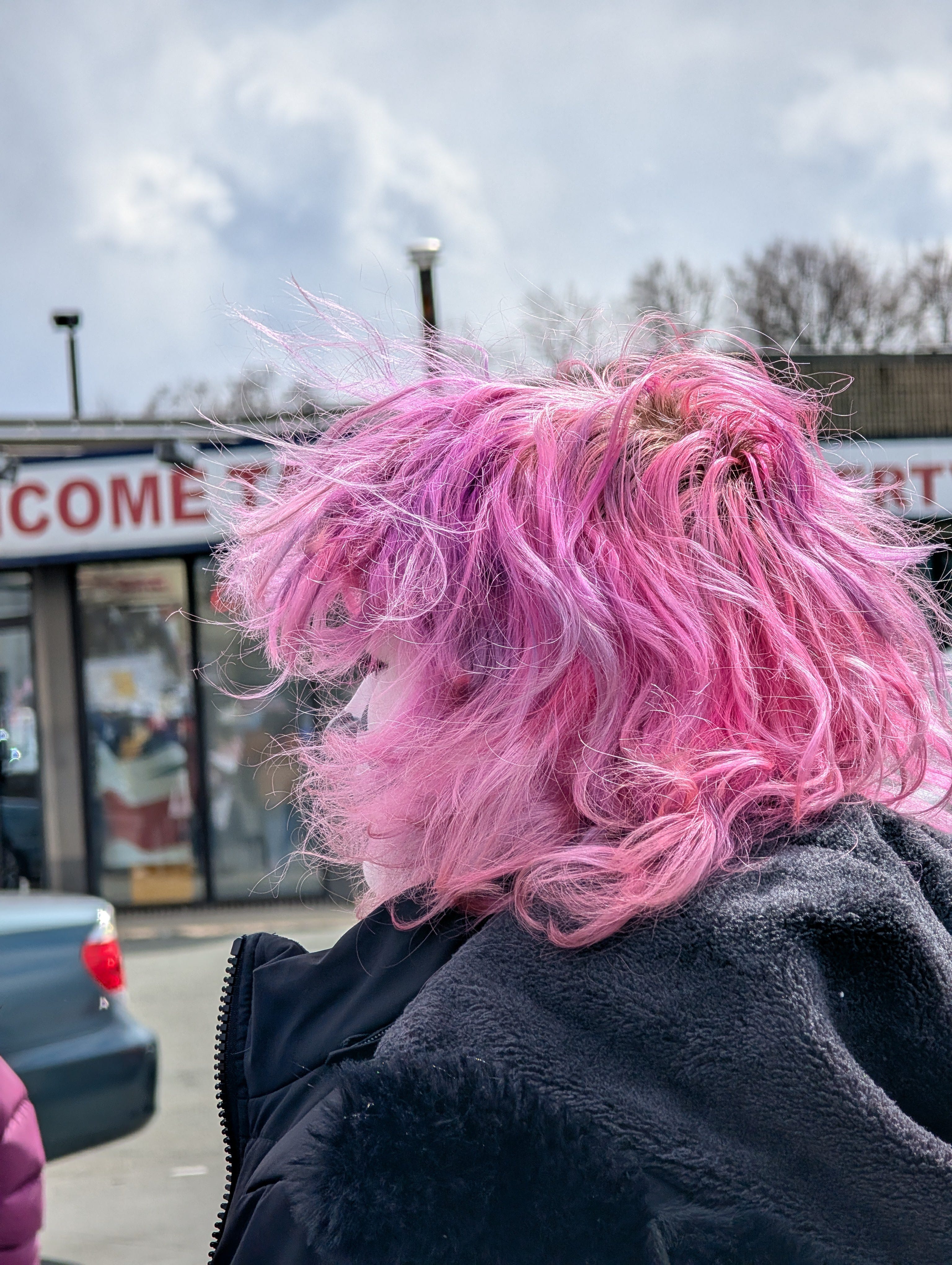
The statistics are enough to make you weep. More than half of all eligible voters under thirty didn’t bother to vote in 2024.
In a hugely consequential election that would determine a lot of what happens to them in the future. School shootings and gun control. Climate change. Book bans. School loans. Jobs. Why on earth don’t young people get out and vote?
Based on research conducted by the Tufts University Center for Information & Research on Civic Learning and Engagement, lack of information about the voting process is the biggest barrier.
“Among youth who didn’t vote, nearly half (48%) had seen little or no information about registration…Providing civic information about the electoral process to young voters remains a key tool for ensuring they feel informed enough to participate.”
Voting is hard. It’s even harder when you’re young. Registration is based on your address, and kids move around a lot. Moving in with your girlfriend? Splitting up with your obnoxious room-mate? Not many twenty-somethings are going to think, oh, dear, really must notify the Board of Elections about that address change.
Absentee ballots are increasingly complicated to obtain. Election Day catches most college kids far from their polling place, and in many states the deadline for applying for an absentee ballot falls spang in the middle of October mid-terms, when students have a few other things on their coffee-addled, frazzled minds.
Voting is all about deadlines. The lives of young people are full of those: classwork, job applications, trying to figure out health insurance and car payments. Who needs one more deadline to cope with?
According to a Tufts university study, 10% of young (under 30) voters weren’t aware of registration deadlines. More than 20% said they didn’t have enough information about when or where to register and vote. And a whopping 37% said they forgot or were too busy on Election Day.
Aaarrgh. Kids, right? But tut-tutting over the fecklessness of youth will do no one any good. We know better, we elders with experience—it’s our job to teach, to help, to encourage. So how can we help remedy this situation?
Contact.
The Tufts study went on to say that in 2022, only half (54%) of youth were contacted by any type of political party or organization about the election. Young people who were contacted in any way were far more likely (29%) to report that they voted than those who were not contacted.
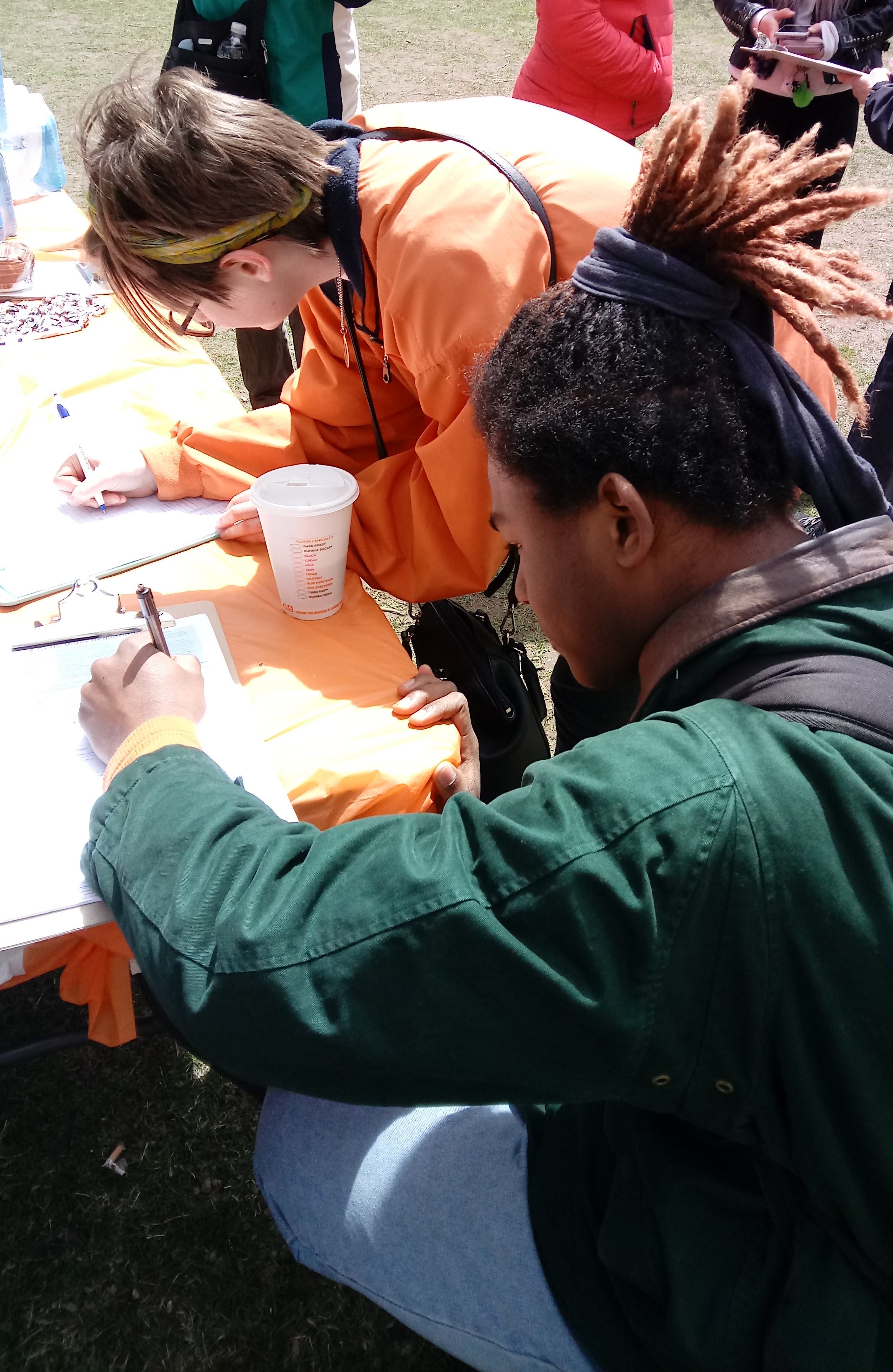
Registering to vote—used to be you had to take a pen and fill out a long boring form—something kids just adore doing. But these days, you can register on line. Check out VOTE.ORG. It’s a non-partisan website, used by millions, crammed with information.
On this handy site you can not only register to vote, you can:
—find out what’s on your ballot
—check your registration status
—discover your polling place
—track your mail-in ballot
—and (I love this) get e-mailed reminders to vote. This is exactly what kids need. I wish I had a nickel for every young person who’s said, “Oh, that was today?” when asked if they voted. Primaries and local elections, of course, are especially easy to miss.
So that’s our challenge—to think of ways to contact young people, to give them the information they need to vote. Dates, times, places. Most kids want to vote. They want to be heard, to help out, to make the world a better place. It’s up to us to show them how.
Dear Friends,
Are you furious about the state of the world and wondering what to do about it? I hope you’ll continue to check out The Optimistic Activist.
Every now and then I post some ideas for doing something. How to get out the vote, spread the word, and support progressive candidates. Ideas for simple but effective activism. As easy, as practical, as do-able as I can make them.
Together, I think, we can really make a difference.
“Optimism is a strategy for making a better future.”
--Noam Chomsky

No posts
Comments
Nothing yet. Say the first thing.
Sign in to join the conversation.