
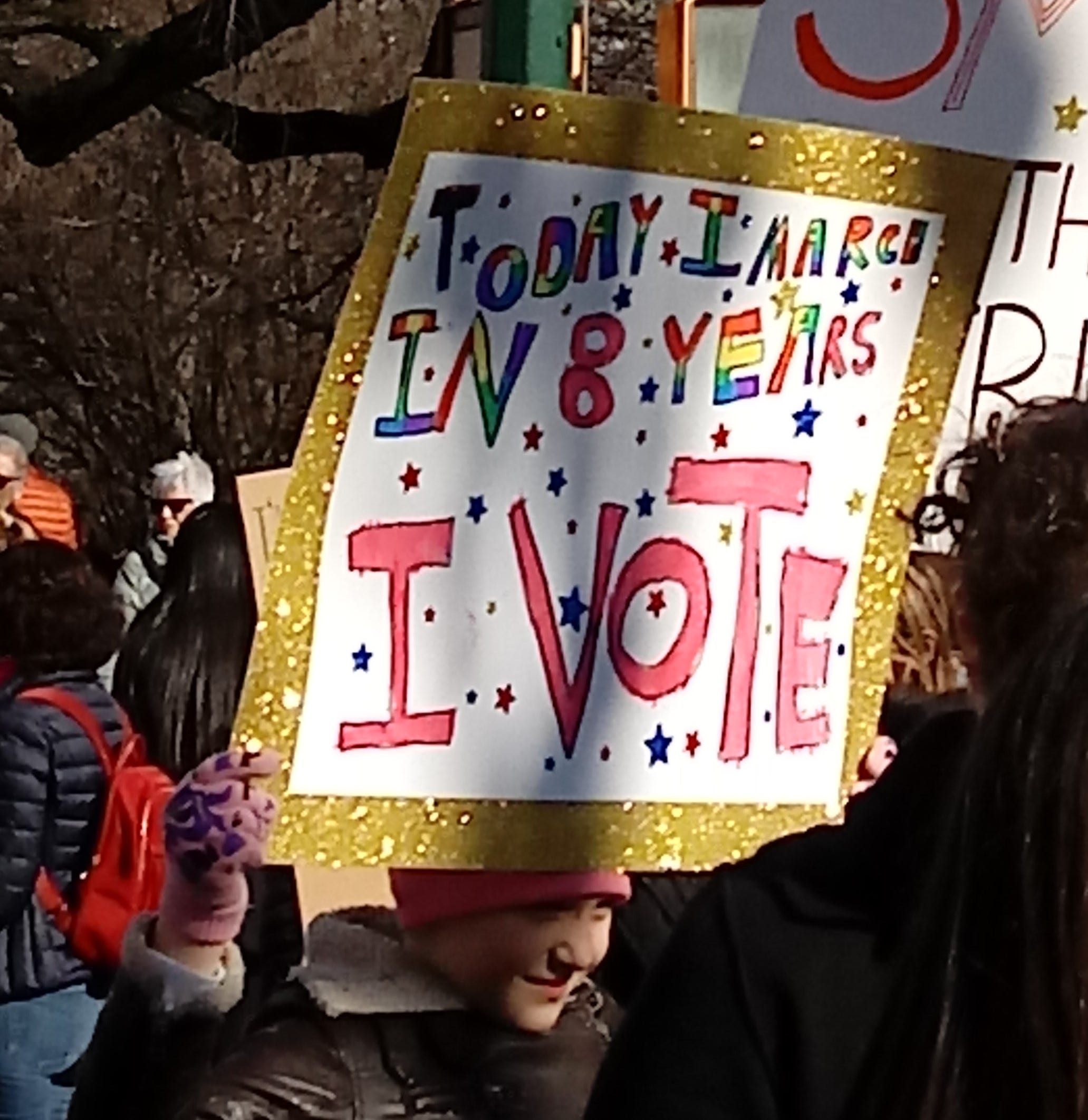
Looking out across the sea of heads at a No Kings protest, or a weekly corner honk’n wave, I see mostly gray-haired ones. What’s going on? I thought kids were supposed to be the rebellious ones. Back in the good old days, didn’t it used to be kids marching to bring sanity to their elders? Remember the signs that read: “Don’t Shoot, We Are Your Children”? Activism, these days, seems to have become the province of senior citizens.
Many organizations are scratching their heads over this phenomenon and trying to figure out how to attract more young adults to the world of activism. But here’s a question to ponder—what about actual children? How young is too young to get involved?
As every organized religion knows, if you want to start the kids off right, you gotta get’em young. Vacation Bible School, anyone? They start off little Christians at age 4. But for most kids, politics and political activism are dim echoes from a distant adult word. Even in high school, they’re insulated from the sorrows and turmoil of the world, concentrating on grades and their social lives and how to get into the right college.
So how can we get children appropriately involved? And I don’t mean 18-year-olds. Like the good folks at the Evangelical pre-schools, I’m talking four years old and up.
I think there are three things to consider—three main actions we need to take if we want to responsibly prepare kids to join in the work of making a better world.
Number one—Explain. Kids want to understand the adult world. They have endless questions. So what shall we tell them? They don’t yet need to know the full, unvarnished, soul-shattering truths. But sheltering them from all bad news does them no favors in the long run.
Kids have a strong sense of justice that seems to be innate. How many times have you heard a toddler wail, “But that’s not fair!” Mostly they apply the concept of fairness to themselves, of course, as in wanting their fair share of the cookies. But children can very early understand the idea that we all have a right to be treated fairly.
You’d think that the issues of politics and the process of elections would be too tough for kids to understand. Until you break it down to the simplest level. In the classes I teach for two-year-olds and up, they instantly grasp the concept of how elections work. We’re going to vote for our favorite ice cream flavor. Hands up: who likes strawberry? Who votes for chocolate? Yay, chocolate wins. It’s that simple.
Yes, but actual elections—the complicated system of primaries, platforms, political parties and third party candidates? Even for adults, it can be confusing.
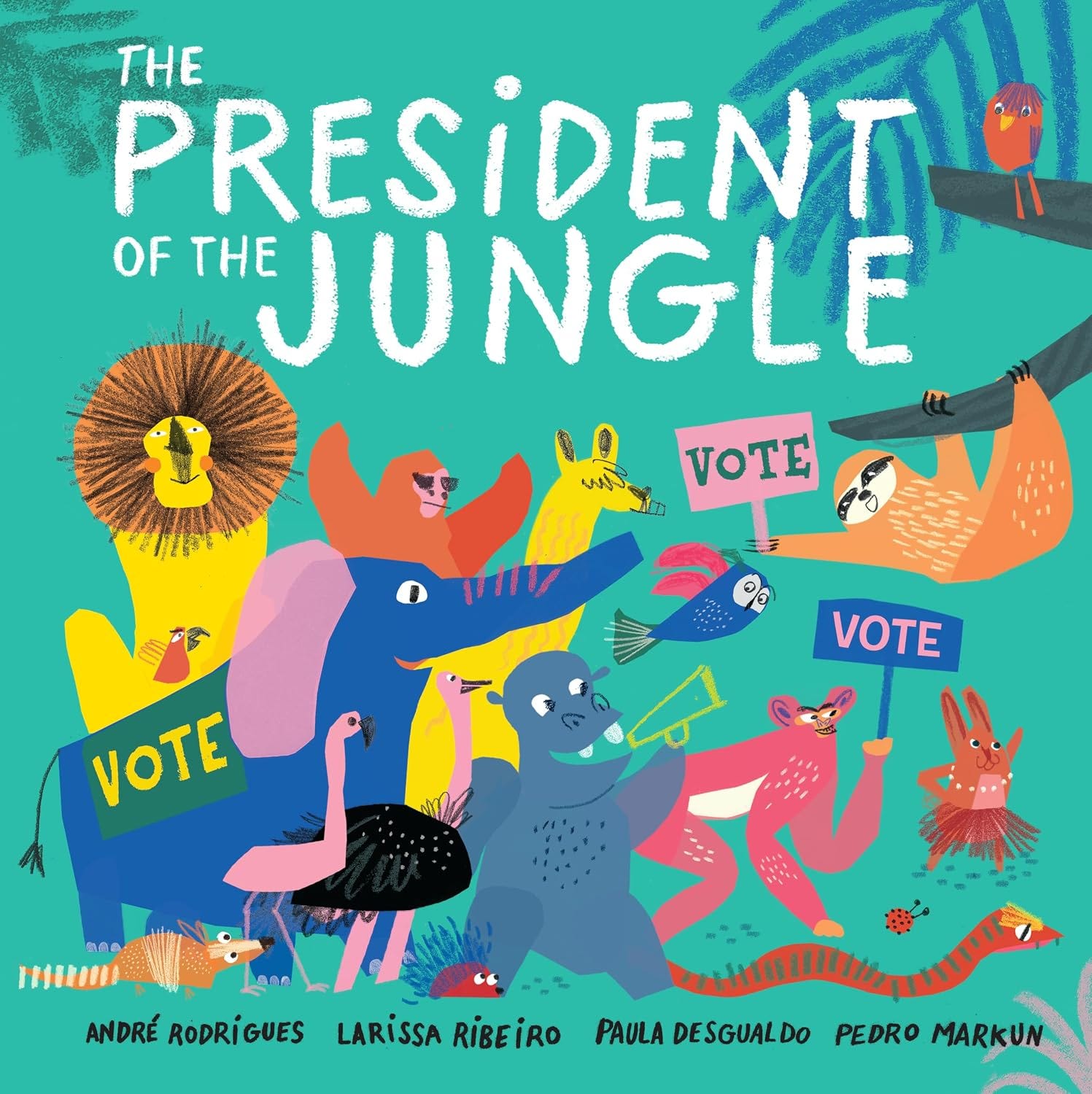
I’m a book-oriented person, so I often reach for a book to help make sense of the world. Check out this children’s book, it’s an absolute classic, and like all great children’s books, it works for any age: The President of the Jungle. The citizens of the jungle are tired of Lion, their selfish, self-absorbed king, and after he diverts the river to fill his private swimming pool they decide it’s time for a change.
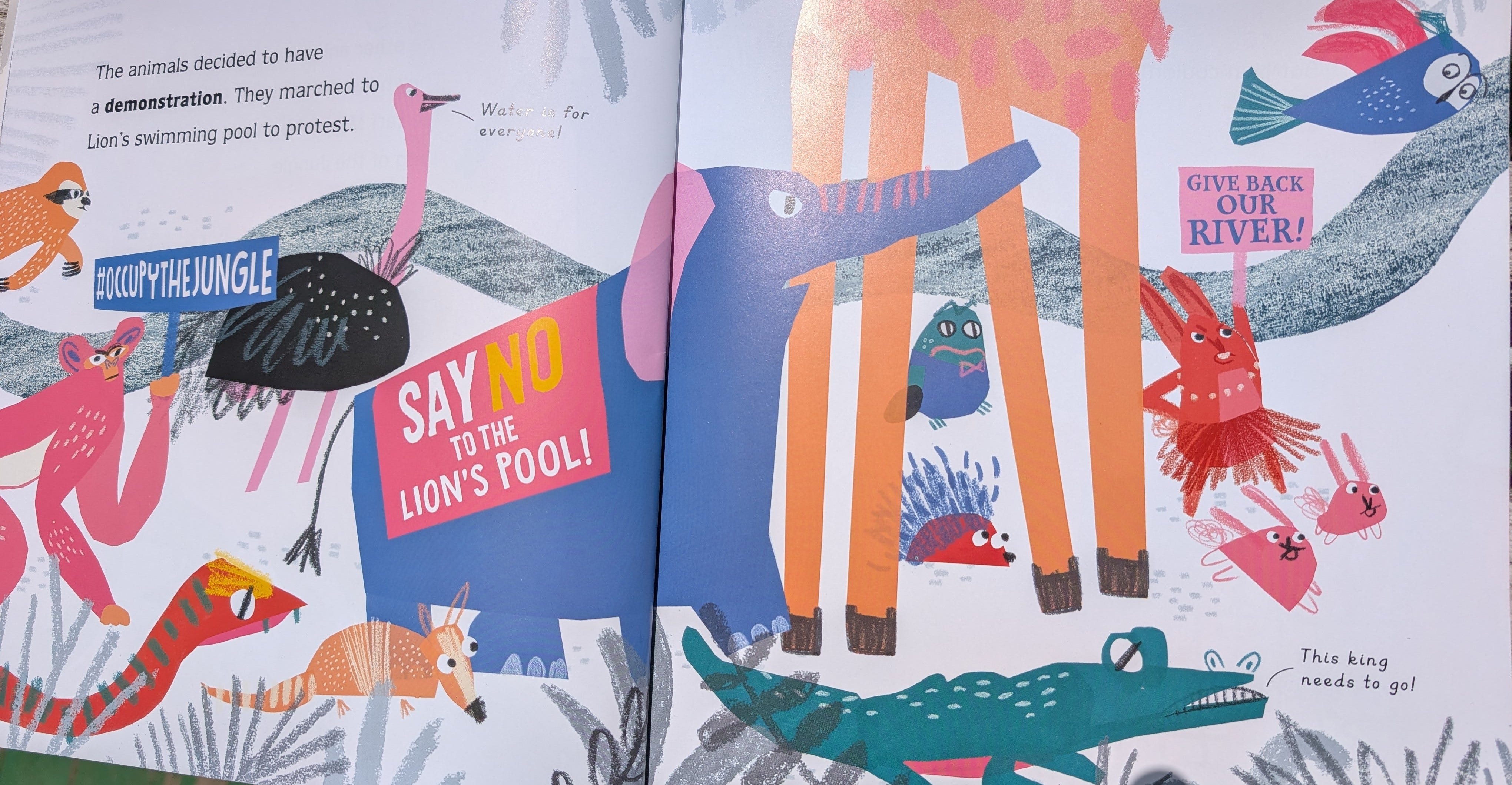
The animals plan to elect a president instead. A campaign follows, with candidates, debates, and rallies. The incumbent Lion runs, too, but is disqualified after he tries to rig the election. Some candidates, like Monkey, just insult their opponents but have no constructive ideas to improve jungle life. In the end (spoiler alert) Sloth wins, by running on the platform of a government that will help everyone. It’s such good fun (more on that later) and it clearly explains the basics of the electoral system, and why voting is so important. Interestingly, it’s a Portuguese book, translated from the Portuguese by Lyn Miller-Lachman. Some ideas are universal.
Second—consider the emotional impact. Only parents and caregivers can decide how and when to introduce difficult emotional concepts, and of course all kids are different in how much information they’re ready to absorb. There are no easy answers here. How do we explain to a child about a dad murdered in front of his sobbing three-year-old? I don’t know.
But again, I find that children’s books often provide a path to discussions. A fictional look at a tough topic can be a start. Lillian’s Right to Vote is based on a true story about a fiery centenarian casting her first vote. Her slow walk up a steep hill to the voting booth symbolizes the on-going struggle for civil rights.
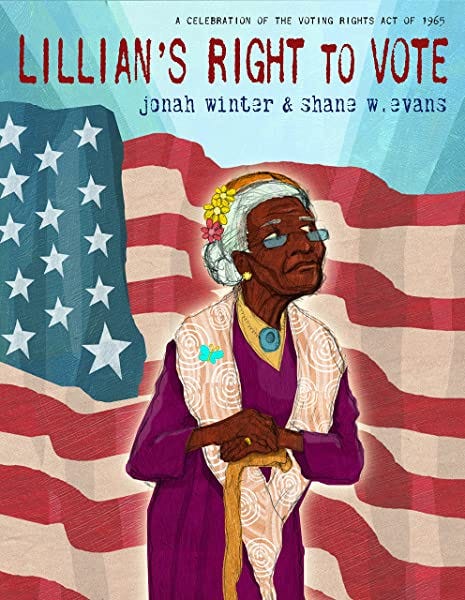
She recalls her ancestors sold on an auction block, and the struggles of the Jim Crow era. She remembers her days marching from Selma to Montgomery, and how it led to the Voting Rights Act.
This is not The Cat in the Hat. Although it’s a “picture book”, i.e. a tall thin book with lots of pictures, it delves into difficult topics. Slavery is tough to explain to kids. An illustration of a Black man and woman standing on an auction block is stunning, shocking. Thought-provoking. A conversation-starter. This would, by the way, be an excellent book to donate to a school or a Little Free Library, if you happened to feel so inclined. (One of my hobbies is to keep a few good books in the trunk of my car, and pop them into any Little Free Library I happen to come across.)
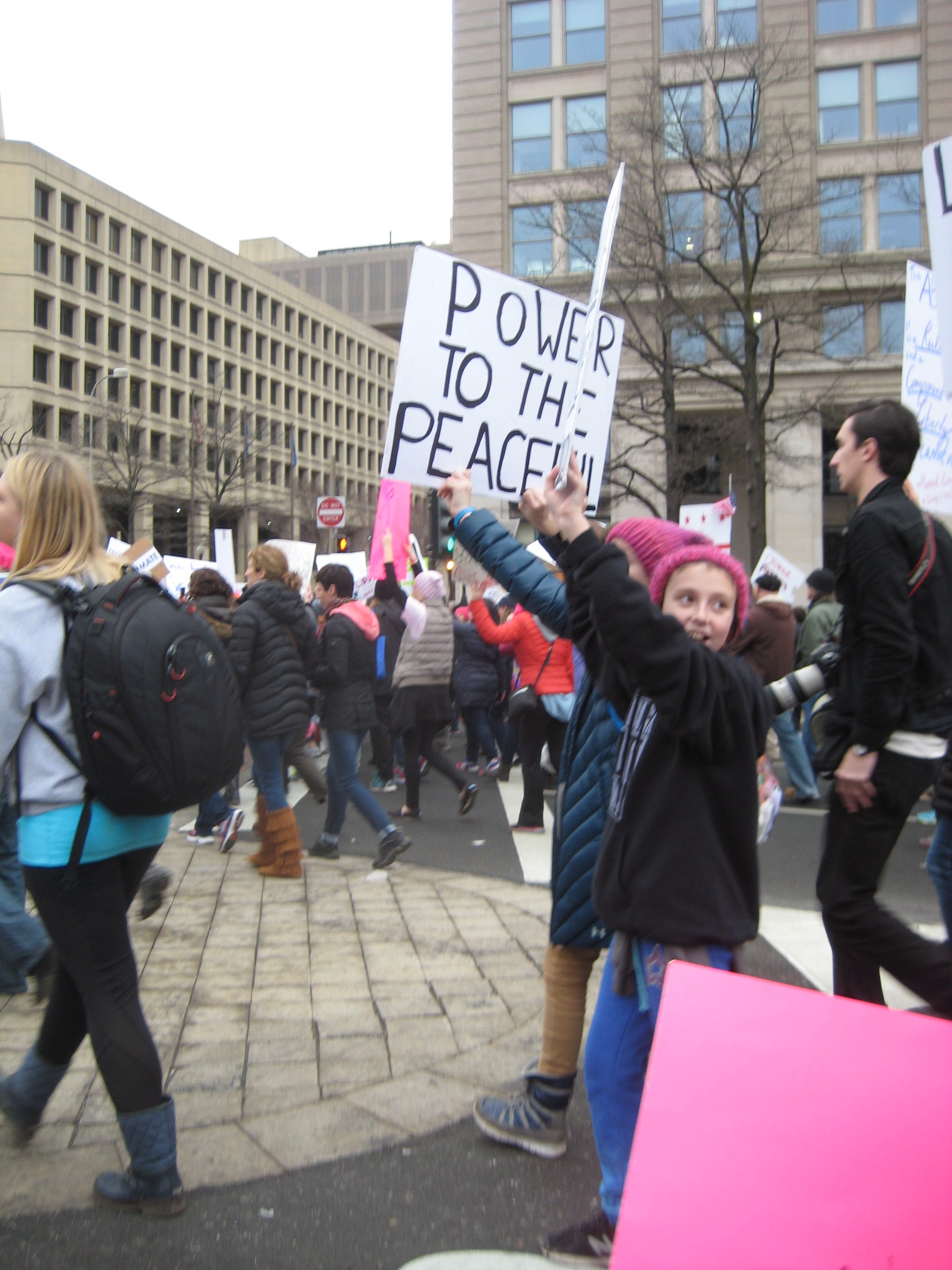
Number 3: FUN.
Let’s consider fun. Having fun—that’s what kids want to do. Fun seems frivolous, trivial. It’s only for kids, right? But psychologists and educators are starting to look at the serious importance of fun.
Think about the World Cup. The nutty Norwegians doing that rowing thing. Americans were astonished, and delighted, by how much fun some of the other countries seemed to be having with sports—which way too many people take way too seriously. According to the National Alliance for Youth Sports, something like 70% of kids quit organized sports by age 14 because it isn’t fun anymore. Children stick with sports longer, with a greater chance of becoming life-long and perhaps even world class athletes, if sports programs are fun.
There’s research to back this up. Dr. Amanda Visek at George Washington University has developed FIT, or Fun Integration Theory. (If you don’t believe me check out some light reading such as Visek, A. J., Achrati, S. M., Mannix, H. M., McDonnell, K., Harris, B. S., & DiPietro, L. (2015). The Fun Integration Theory: Toward Sustaining Children and Adolescents Sport Participation. Journal of Physical Activity and Health, 12(3), 424-433. Or Visek et al. (2018), “Perceived importance of the fun integration theory’s factors and determinants: A comparison among players, parents, and coaches” in the International Journal of Sports Science & Coaching.)
And it may be heresy to say so, but it seems to me that activism, as well being deadly serious, is perhaps…could be…should be…fun.
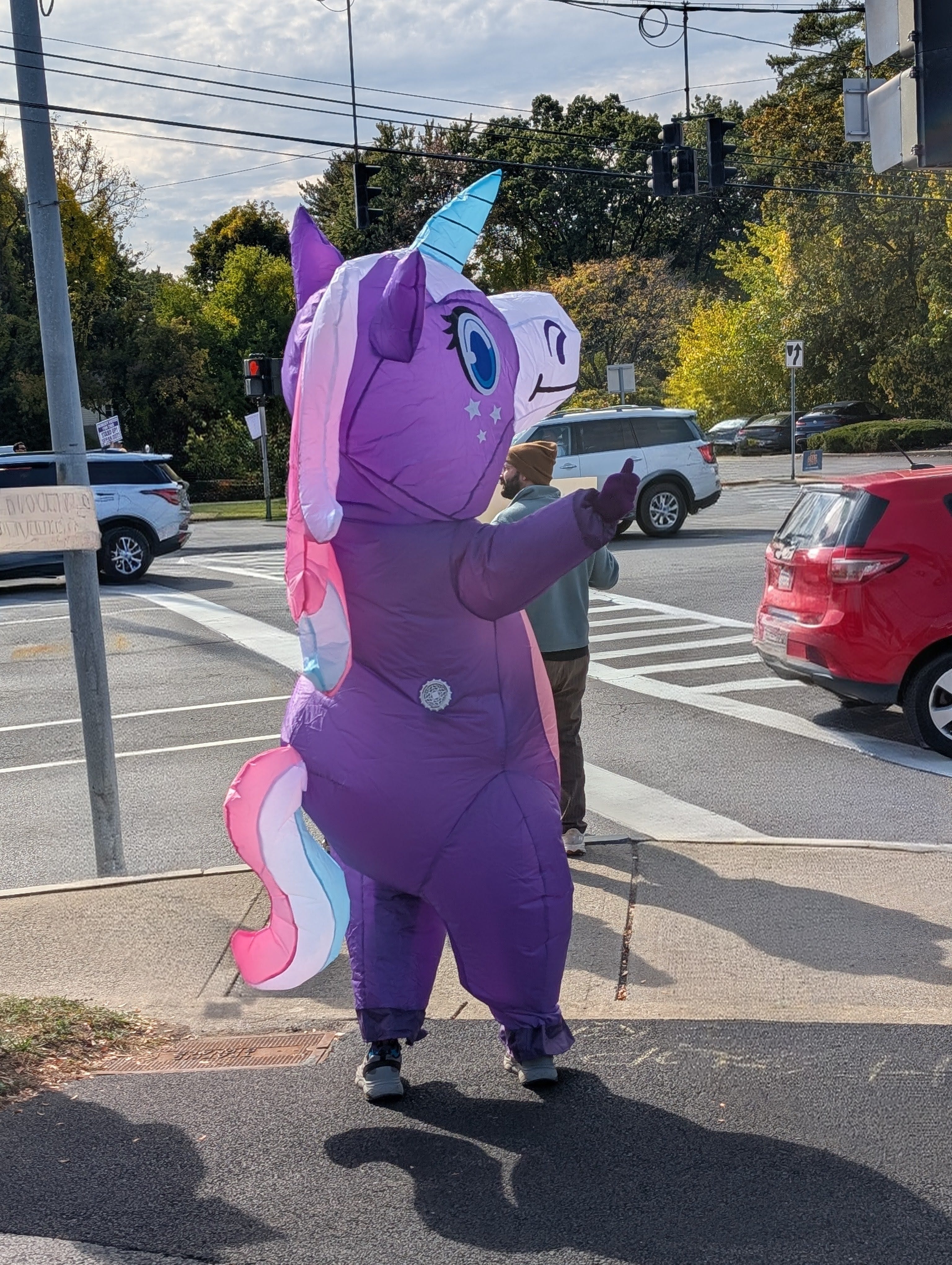
I rarely see kids at streetside protests. And that’s too bad, because there’s nothing more fun than all those kooky costumes and signs, people tooting horns and banging drums. I think of the guy in the inflatable frog suit, or the person skateboarding down the street holding a flag aloft while wearing an Uncle Sam beard, and I wish there were more kids there to laugh out loud.
I can see the hesitation of parents in bringing kids to protests. There’s a potential element of danger, depending on where you live, and obviously we want to keep children far from ICE thugs and tear gas. And some of the signs people hold up use language that would make a sailor blush—yet another reason I deplore the F*CK TRUMP signs that use profanity and hurl insults.
But lately I’ve been giving some thought to FIT. As a theory, it seems like a no-brainer, really—if it’s fun, kids will want to do it. It’s a basic human truth, not just for kids. If it’s fun, anyone would want to do it. Can we apply a little Fun Integration Theory to our activism efforts?
The analogy with sports breaks down, of course, because the main goal of playing a fun game is to have fun, whereas activism has far larger goals. But fun can be the entry point, the first step that leads to deeper understanding of the issues at stake.
So I think we should consider ways to make activism more kid-friendly. Where to start? Free cookies? Signs that are thought-provoking or funny instead of bitter. And it can move beyond street protests—I think we should encourage kids to write their congressional reps about about protecting whales, adopt a panda, hold a bake sale to raise money for a cause they care about. I think it’s never too early for kids to get involved, to ask questions—and to get mad at the manifold injustices of the world. That’s not fair! Maybe I can do something about it.
You never know what it might lead to.
Dear Friends,
Are you furious about the state of the world and wondering what to do about it? I hope you’ll continue to check out The Optimistic Activist.
Every now and then I post some ideas for doing something. How to get out the vote, spread the word, and support progressive candidates. Ideas for simple but effective activism. As easy, as practical, as do-able as I can make them.
Together, I think, we can really make a difference.
“Optimism is a strategy for making a better future.”
--Noam Chomsky
No posts
Comments
Nothing yet. Say the first thing.
Sign in to join the conversation.