The Open Markets Institute is a non-profit organization dedicated to stopping monopolies, strengthening antitrust law and competition policy, and promoting fair democracy for all.
OMI Legal filed an amicus brief in the U.S. Court of Appeals for the Fourth Circuit urging the court to allow an antitrust lawsuit, CareFirst v. Amgen , that challenges Amgen’s use of acquired patent rights to extend its monopoly over the blockbuster drug Enbrel.
CMDG director Courtney Radsch explains that courts are beginning to hold Meta, TikTok, and other platforms accountable for harmful design choices that allegedly prioritized engagement over child safety, challenging their ability to hide behind Section 230.
OMI’s legal team filed an amicus brief in the U.S. Court of Appeals for the Tenth Circuit urging the court to reverse a lower court decision that shielded a no-hire agreement between grocery giants Kroger and Albertsons from antitrust liability.
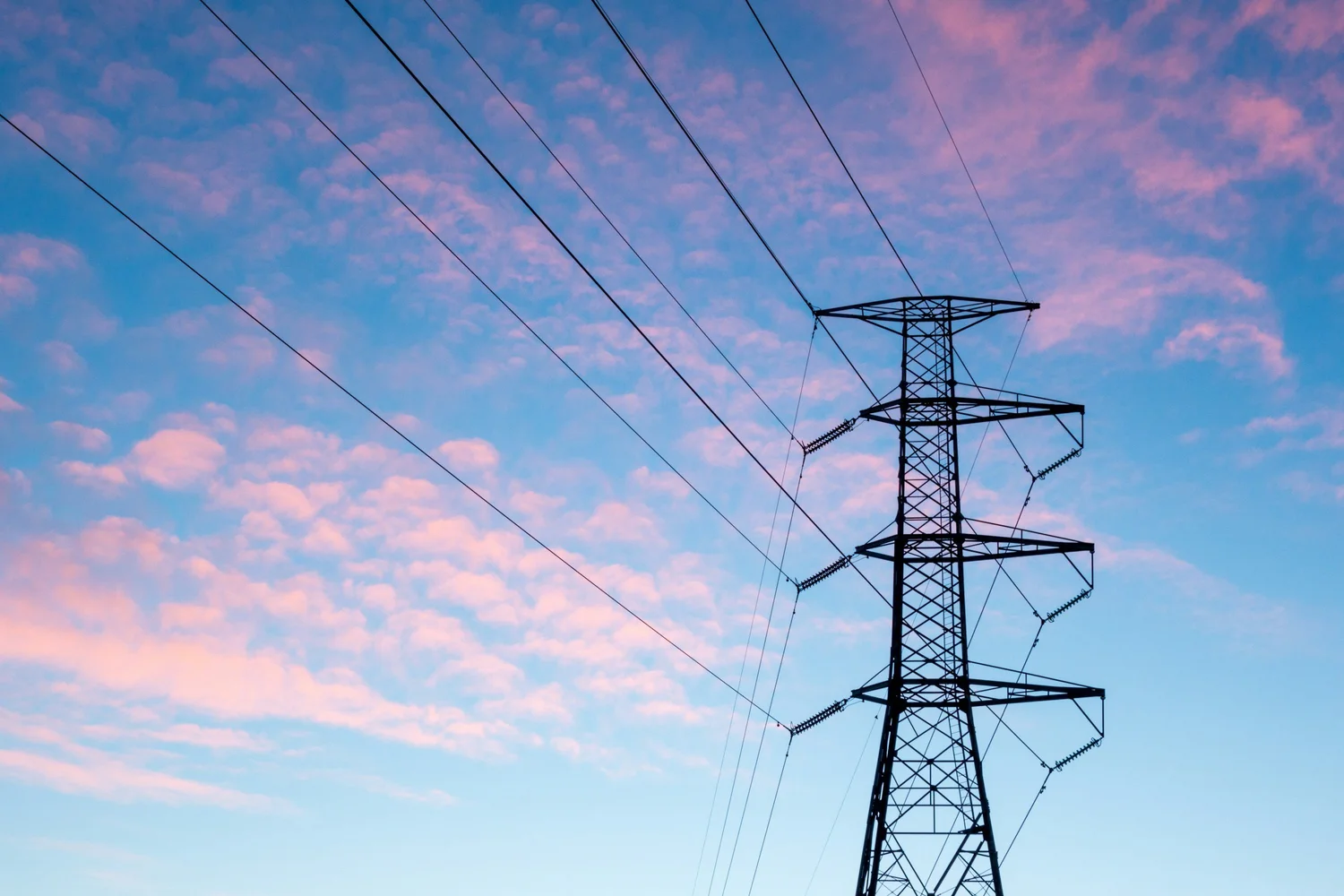
A century ago, the US power industry was dominated by sprawling, heavily indebted holding companies until their collapse forced the federal government to break them up. Legal director Sandeep Vaheesan explains how the pattern is repeating, with mega-mergers and buyouts advancing a debt-heavy business model at the expense of households and communities.
“This decision effectively places FCC Chair Brendan Carr in open defiance of Congress, and it gives us yet again another reason to call for removing him from his post,” said CMDG director, Dr. Courtney Radsch.
Open Markets filed an amicus brief urging the U.S. Court of Appeals for the D.C. Circuit to prohibit Google from continuing to pay billions of dollars each year to preserve its monopoly over internet search.
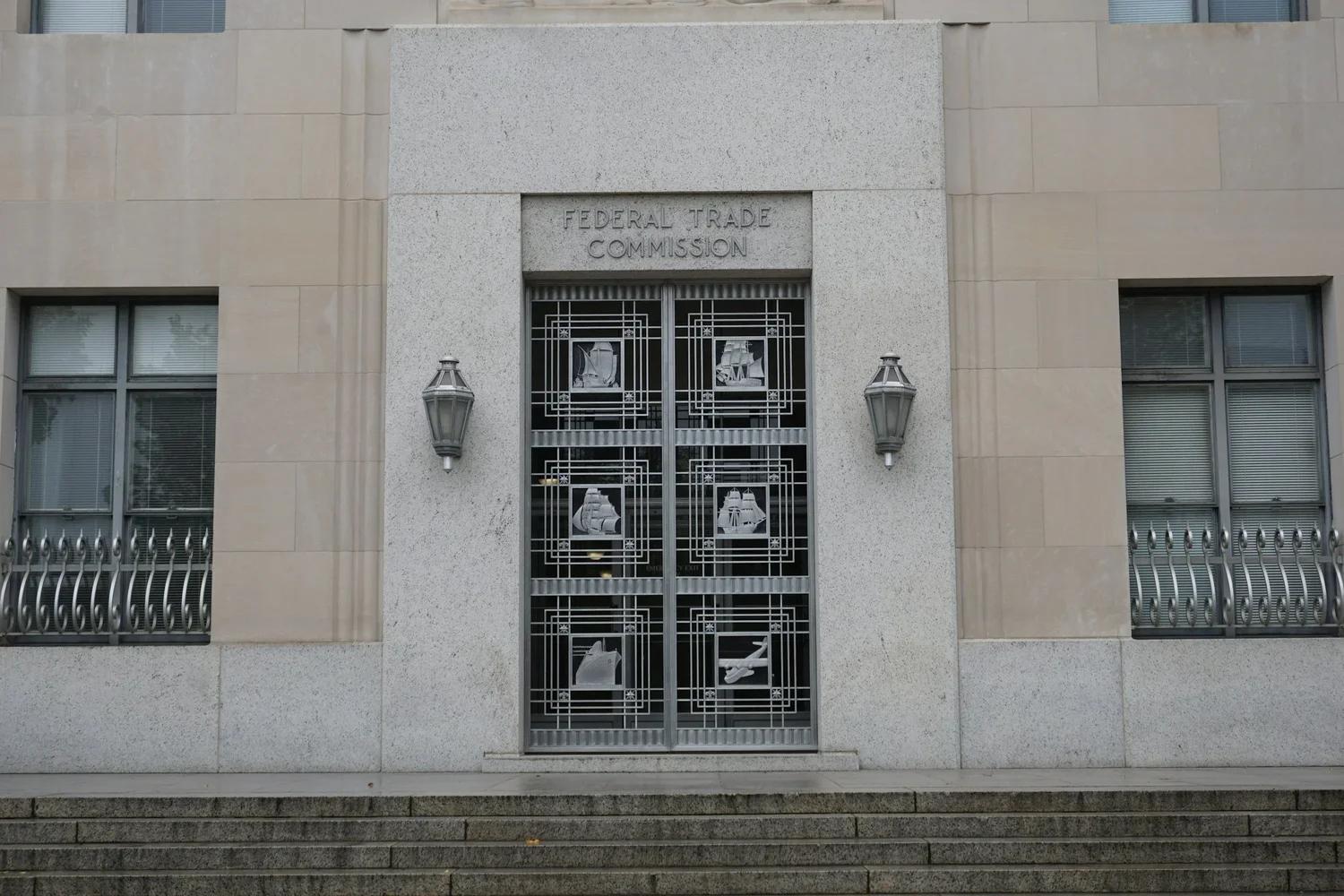
The Center for Media and Digital Governance (CMDG) at the Open Markets Institute urged the Federal Trade Commission to withdraw its proposed policy statement on AI accuracy, warning that the agency is attempting to use consumer protection law to undermine state AI safeguards while advancing a legal theory that exceeds its statutory authority.
Open Markets senior fellow Matt Scherer co-writes tothat the AI boom has become a debt-fueled speculative bubble that could trigger a broader financial crisis unless regulators strengthen safeguards, increase transparency, and commit to no AI bailouts.