


Today, OpenAI announced our investment in generating another 3.2 GW of compute as part of our commitment to making AI accessible to as many people as possible. Making AI accessible for many, not just a few, means being able to count on sufficient compute. To help illustrate the meaning of this additional compute and democratized AI, we’re devoting a special edition of The Prompt to a look at how people already are using our tools to solve problems and bring ideas to life.
If you find this helpful, make sure you’re signed up for the next issue.
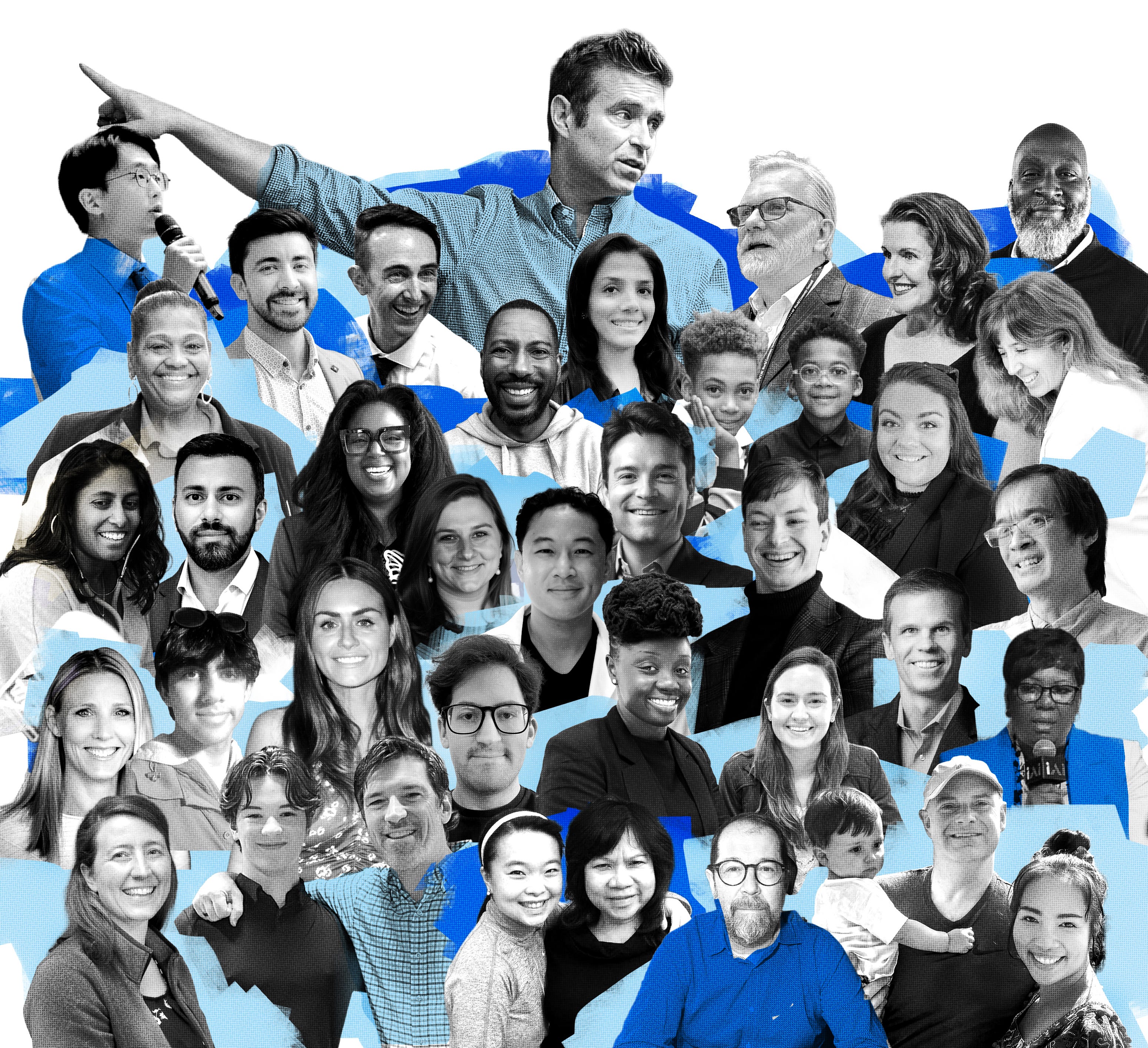
There’s an AI story that’s even more important than what the technology can do.
It’s what people are doing with it.
Around the world, about 1 billion people use ChatGPT every week across 180 countries and territories. They’re not spending their time running benchmark tests or debating artificial general intelligence. They’re turning ideas into businesses, learning new skills, navigating big systems like health insurance or taxes, prepping for job interviews, building software, and solving problems for themselves and others.
That shift, from capability to utility, is the clearest signal yet of where AI is headed.
General-purpose technologies all tend to follow a similar trajectory. Their biggest breakthroughs eventually stop being the story. Electricity ceased being remarkable as it became available almost everywhere. The internet became transformative because billions of people used it every day.
AI seems to be entering a similar phase.
Of the billion or so users of OpenAI’s tools every week, more than half are women. More earn less than $100,000 than more than $100,000. Users span every major age group; we have more adult users both under and over the age of 30 than any other frontier lab. This user base, together with our investments in the infrastructure needed to generate the compute that powers AI, is our springboard toward making AI a global utility.
We believe that like electricity, AI should be available for people, businesses and institutions to use as much as they need, where and when they need it. This is where Americans are, too. They believe that:
AI should be free and accessible, instead of kept in the hands of a few (62% to 38%).
The best tools should be made available to everyone, not just big companies (66% to 34%).
Free and accessible AI is the way to make AI safer for everyone (65%, vs. 35% believing AI should stay in the hands of a few).
Our job is to make that AI cheaper, better, and more abundant over time so that more people can use it to build, solve problems, and expand what they’re able to do. That’s what’s driving our Texas, Michigan, Georgia and future Stargate sites within and outside the US.
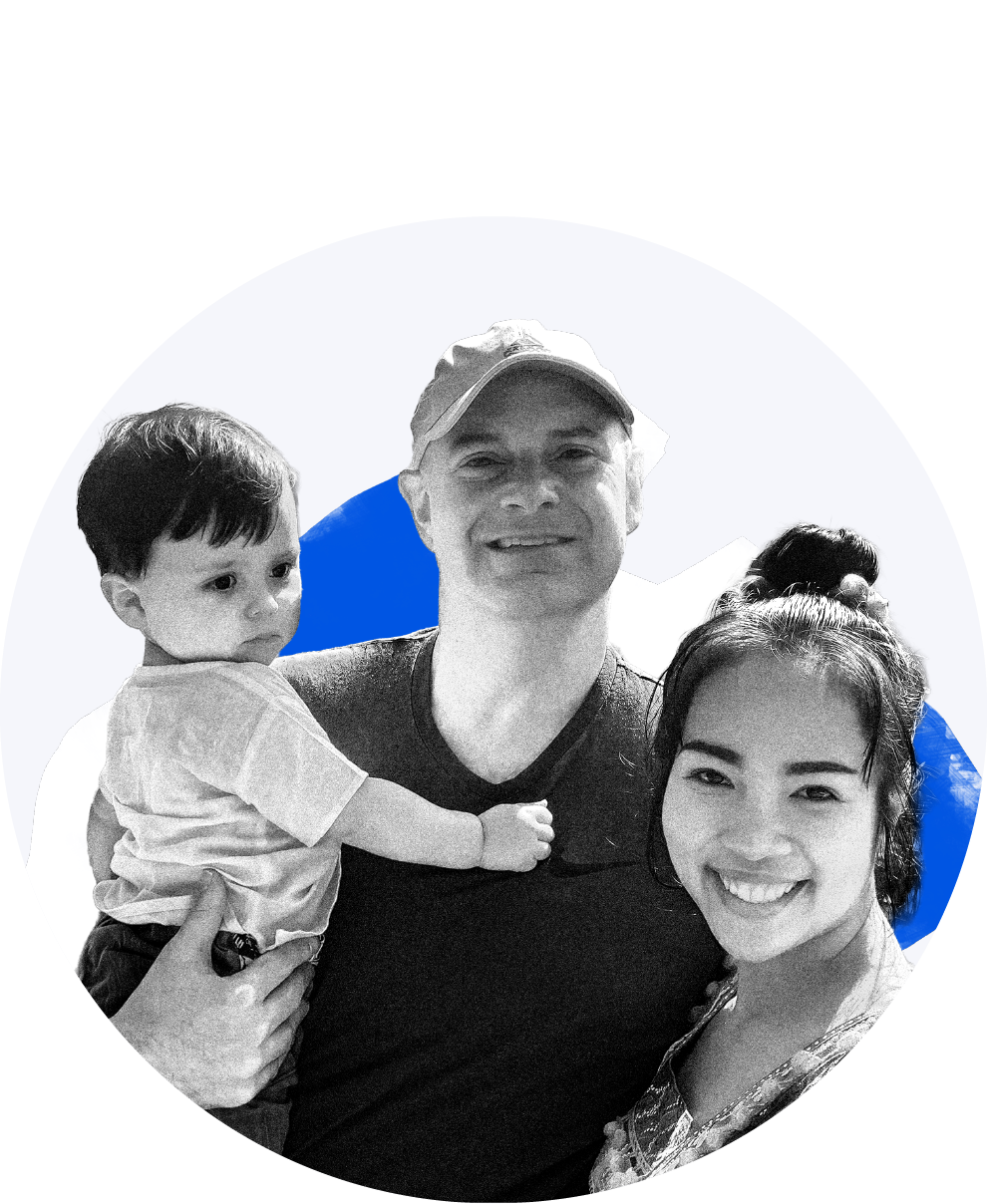
ChatGPT helped Matthew Rosenberg and his wife launch Bangkok Rush Thai Kitchen with fewer costly missteps. It broke down market research, pricing, and unit economics so they could see whether a lease made sense. When it did not, it mapped an alternative path: running legally from a home kitchen, with a clear checklist for permits, inspections, and compliance. After launch, ChatGPT kept operations tidy by organizing tasks, drafting customer replies, and supporting marketing plans and margin tracking.

AI as a utility can transform how people deal with systems, institutions, and actors against which they feel disadvantaged. According to our privacy-preserving analysis, in a recent given week:
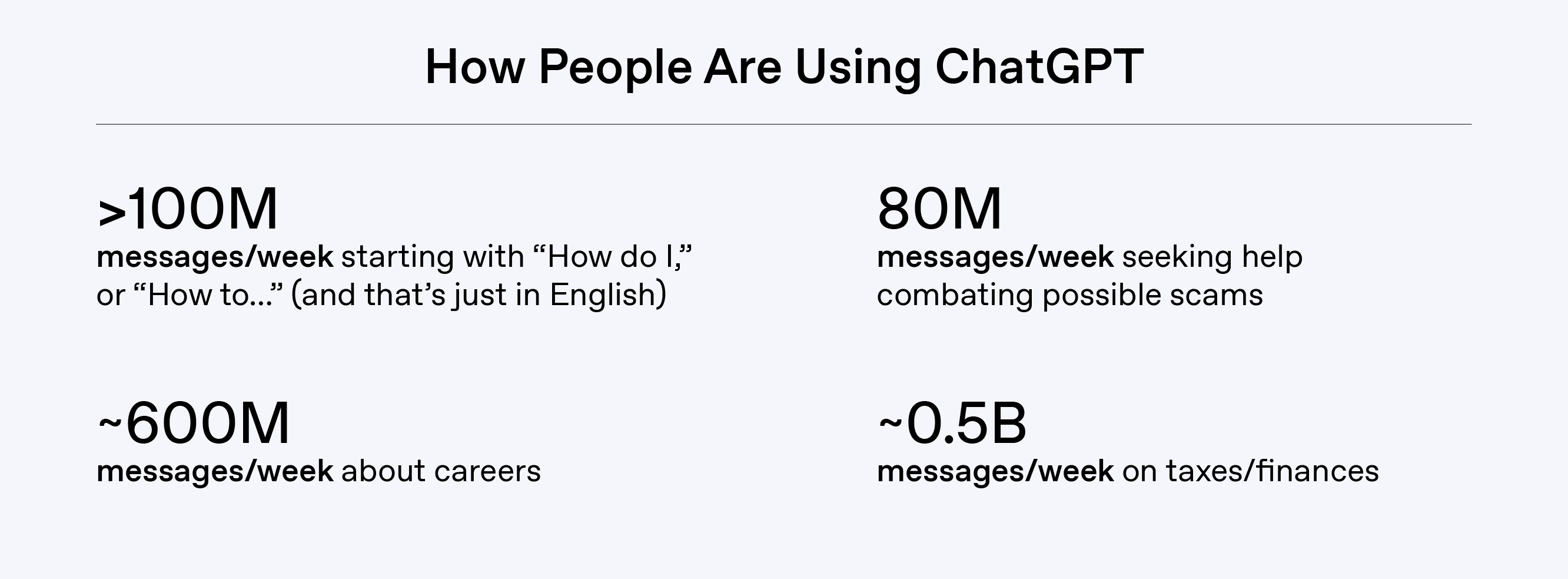
More than 7 million messages sought help navigating the US health insurance system and healthcare costs.
Globally, 80 million messages sought help with identifying possible scams.
Nearly half a billion messages on taxes/finances.
Nearly 600 million messages about careers – for advice on how to stand out in an increasingly difficult job market, and for help with negotiating compensation/titles/levels, promotions, career switching, and interpreting performance and management feedback. One in six of these messages were sent in the US.

Jaxsen Day, a doctoral student at the University of Texas at Austin, uses ChatGPT to reduce the extra labor that visual impairment can impose on academic research. Before ChatGPT, he had to hunt through inaccessible databases, run OCR on PDFs, and fix broken reading order before a screen reader could make material usable. Now custom GPTs can find a paper from a citation, summarize it by section, and let him question the text by voice, saving hours or days while supporting his accessibility research.
By making light and power constantly available, electricity gave people more hours in the day and scaled their ability to produce, create and learn. Our tools give people more hours in their day by helping them get things done faster and without requiring their active participation. Codex automations are allowing people to schedule recurring workflows, with some 150,000 users creating new automations each week. Codex is also giving people scaled ability, helping them multitask more efficiently, with about half of users running multiple tasks in tandem each week.
As this graphic shows, ChatGPT is still used more during daylight hours; check out the time of highest volume where you live. But we also see juxtapositions of people using ChatGPT for information when professional services aren’t available. For example, in a given week, seven out of 10 health-related messages in the US were sent outside of clinic hours (after hours on weekdays and during weekends).
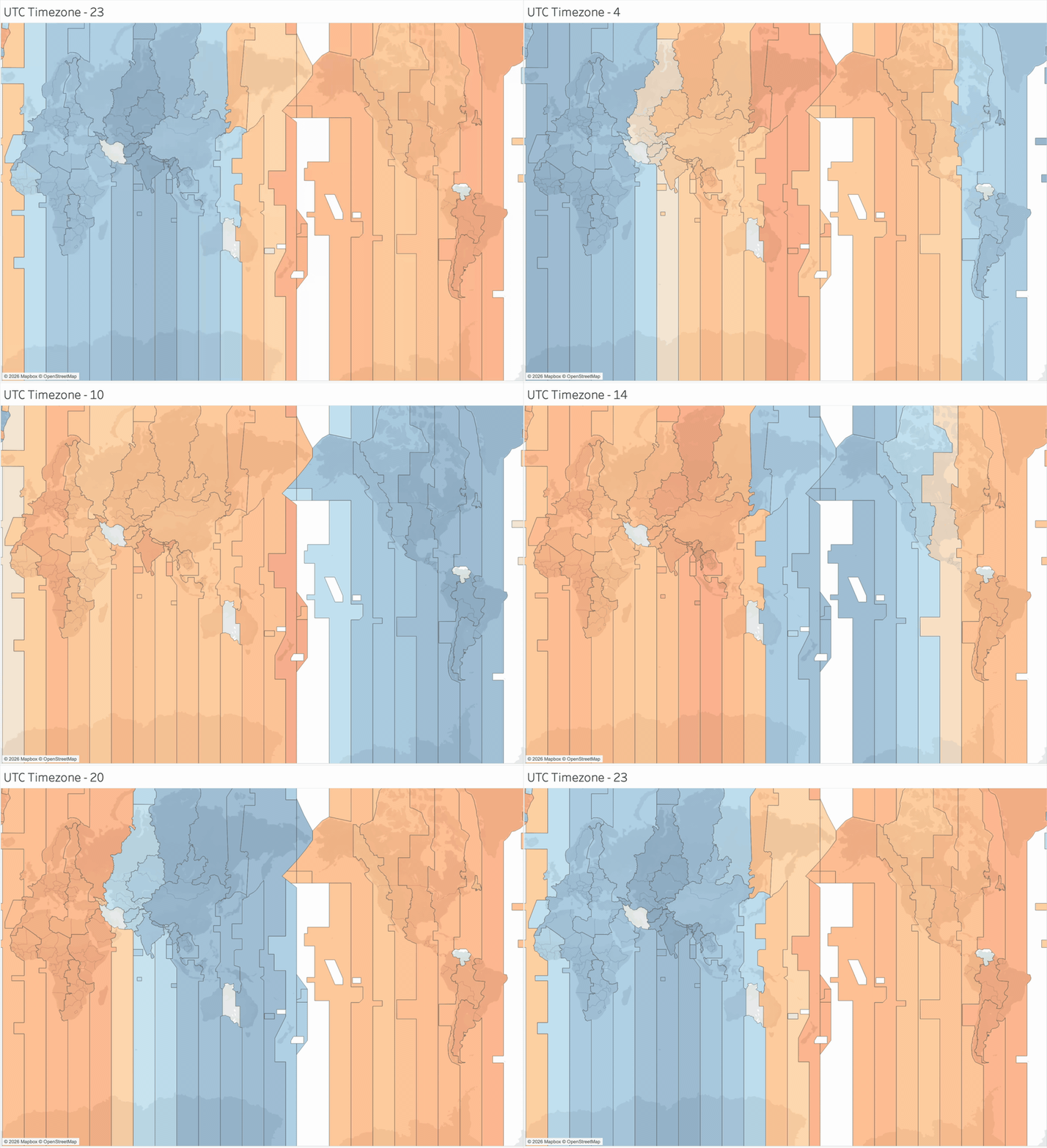
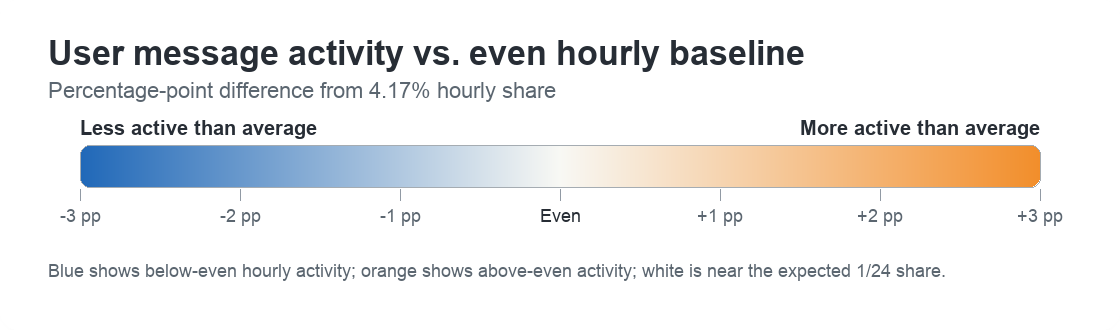
But we also see juxtapositions of people using ChatGPT for information when professional services aren’t available. For example, in a given week, 110 million messages ask health questions outside of clinic hours and on weekends – that’s the vast majority of all health-related questions put to ChatGPT. And we see users deploying Codex during evening hours or overnight to tackle projects while they’re doing something else, like sleeping.

In rural Montana, Dr. Marjorie Albers uses OpenAI-powered tools to protect time for patients and reduce after-hours paperwork. An AI scribe drafts visit notes from the conversation, which she reviews and edits before filing. That cuts documentation time and makes follow-up instructions clearer. She also uses AI to quickly check clinical references and guideline details when a case is unusual. The result is more attention during care and less administrative drag outside the clinic.
Also in a given week, over 100 million messages start with “How do I,” or “How to…” – and that’s just messages in English. Useful technology doesn’t have to announce itself as historic; it just starts helping. And a single conversation can cover what used to require many searches, scattered tabs, lost time and confusion. Starting a small business is tough; in March 2026, at least 4 million Americans used ChatGPT for help with starting, running, or planning a business.
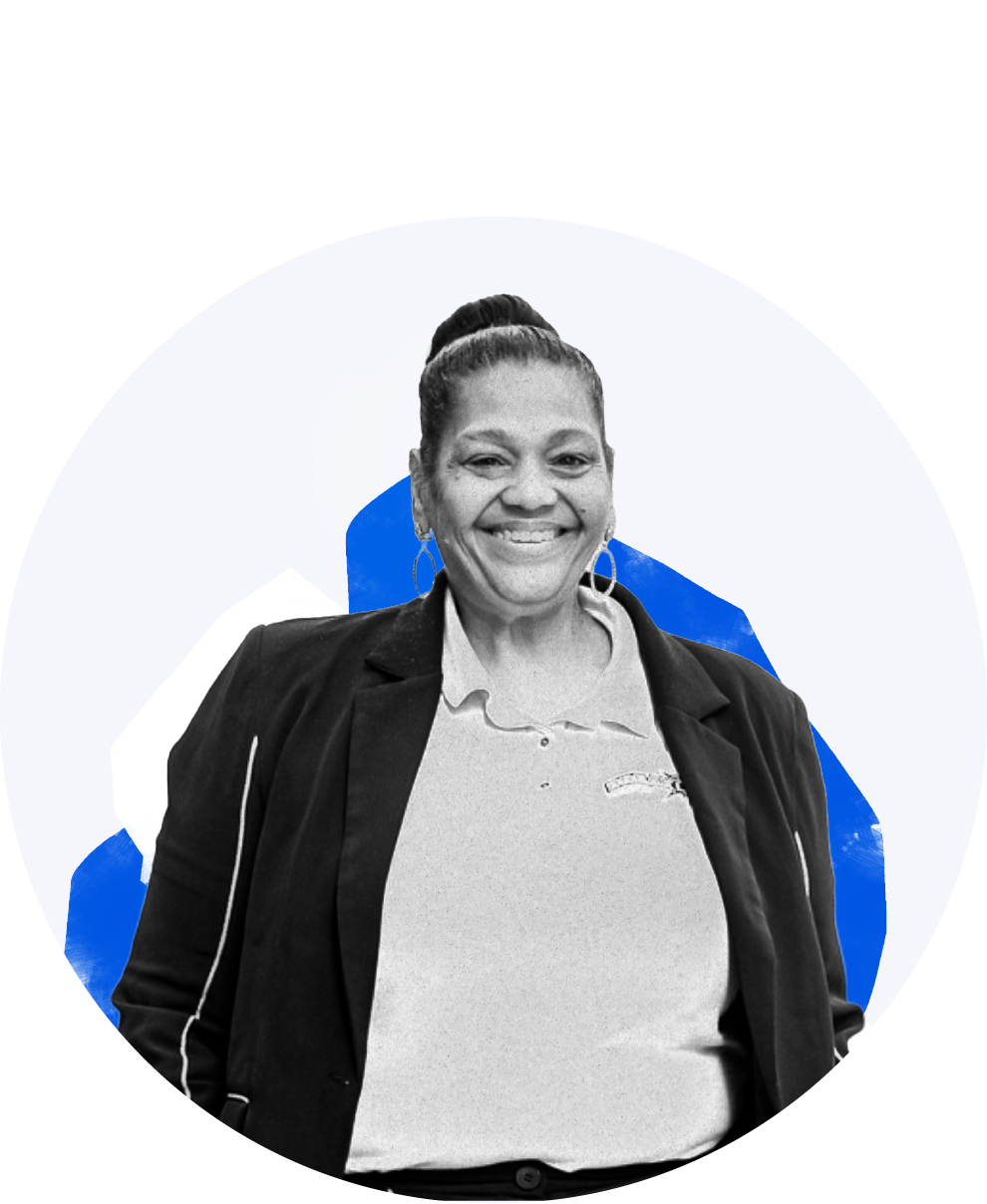
Kaija Pack uses ChatGPT to run and grow Break Life Houston, a family-operated business with limited time and staff. It helps with practical tasks that usually sit on the owner’s shoulders: researching competitors, drafting clear answers to pricing questions, and refining messaging that explains what customers receive for the price. ChatGPT also produces outreach and customer-communication drafts quickly, which supports efforts to fill slower weekdays and keep operations steady while marketing and sales continue to move.
The AI story is no longer primarily about AI itself — it’s about what people are doing with it. Every week, hundreds of millions of people turn to AI to navigate complex systems, learn new skills, solve practical problems, build businesses, advance their careers, and reclaim time in their day.
That is what utilities do. They become part of the background infrastructure of everyday life: available when needed, helping people accomplish things that would otherwise be harder, slower, or out of reach. Our task is to keep making AI more capable, more affordable, and more accessible, so that its benefits reach everyone, not just a fortunate few.

Designer and breast-cancer survivor Allison Leeds used ChatGPT to turn scattered recovery experiences into a structured resource for patients. She analyzed thousands of public stories and paired them with research on color and emotion to design a set of weekly art cards timed to recovery milestones. ChatGPT helped synthesize themes, organize the content, and keep the product coherent while she managed treatment and surgery. The same workflow supported building a small business that offers patients and caregivers a practical way to navigate the emotional side of healing.
Graphics created by Base Three using ChatGPT.
No posts
Comments
Nothing yet. Say the first thing.
Sign in to join the conversation.