
Every year, Emergency Preparedness Week shows up quietly in early May.
It’s led by Public Safety Canada, and the message is straightforward enough that most people nod along and move on:
Know the risks. Make a plan. Get a kit.
And then life continues.
Until something breaks.
A few years ago, a family in Winnipeg lost power during a late spring storm.

At first, it felt like a minor inconvenience.
Phones still worked. The fridge stayed cold. Everyone assumed it would be back on within a few hours.
It wasn’t.
By the end of the first day:
The house was getting colder
Battery levels were dropping
The food situation started becoming a question
By day two:
The grocery stores were picked clean
ATMs were offline in some areas
Nobody really knew how long it would last
They weren’t careless people.
They had good jobs, a stable home, and a general sense that they were “prepared enough.”
But they didn’t have:
Enough stored water
A real plan for communication
Backup ways to get information
Cash on hand
Nothing catastrophic happened.
But everything got harder than it needed to be.
That’s the gap Emergency Preparedness Week is trying to close.
Preparedness is not about extreme scenarios.
It’s about removing friction when normal systems fail.
In a place like Winnipeg, that can look like:
Spring flooding that cuts off access to parts of the city
Winter storms that knock out power for days
Infrastructure failures that disrupt services
Supply chain hiccups that empty shelves faster than expected
The issue is not whether these things happen.
It’s how ready you are when they do.
Most people skip this step, which makes everything else weaker.
If you don’t understand your real risks, your preparation becomes random.
Start simple:
Are you in a flood-prone area?
How often does your area lose power?
What are the most common emergencies locally?
Preparedness becomes practical when it’s specific.
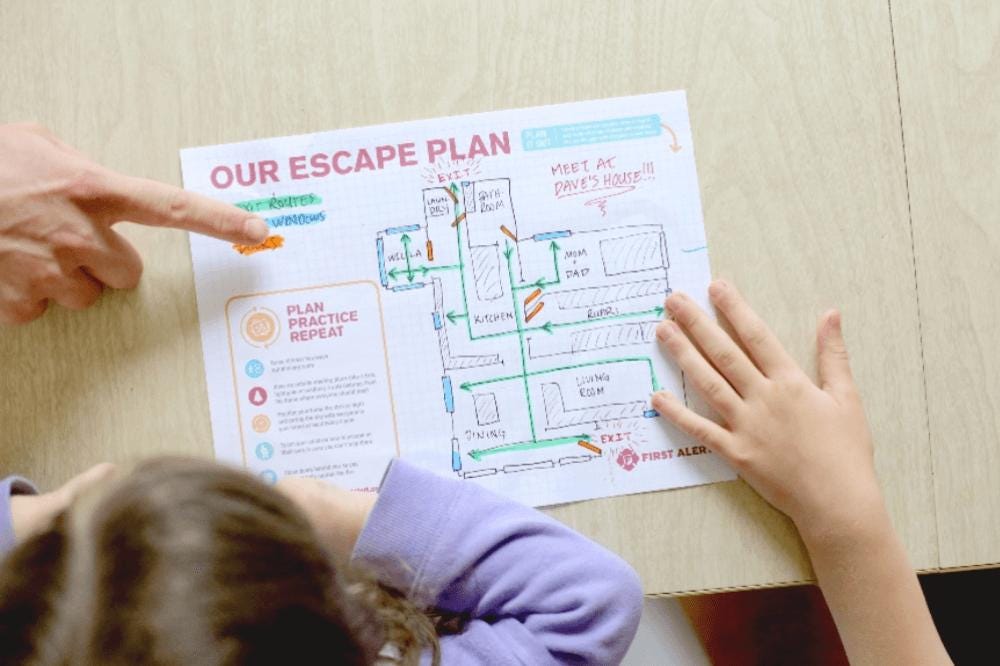
A plan does not need to be complex. It needs to be clear.
At minimum, your plan should answer:
Where do we meet if we’re separated?
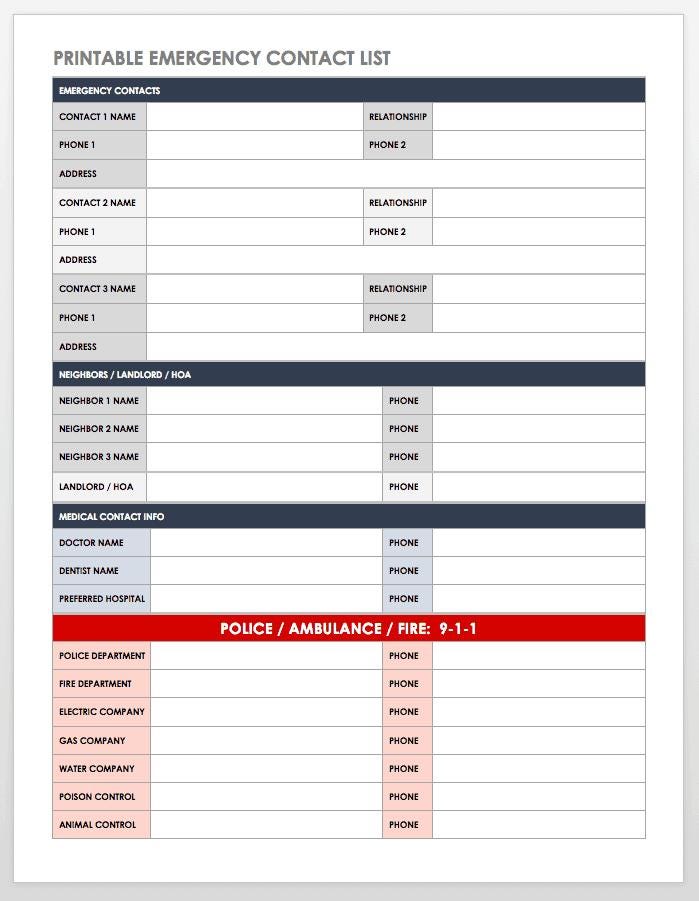
How do we communicate if phones fail?
What is our exit plan if we need to leave quickly?
Who is responsible for what?
Write it down.
People assume they will “figure it out” in the moment.
That assumption fails under stress.
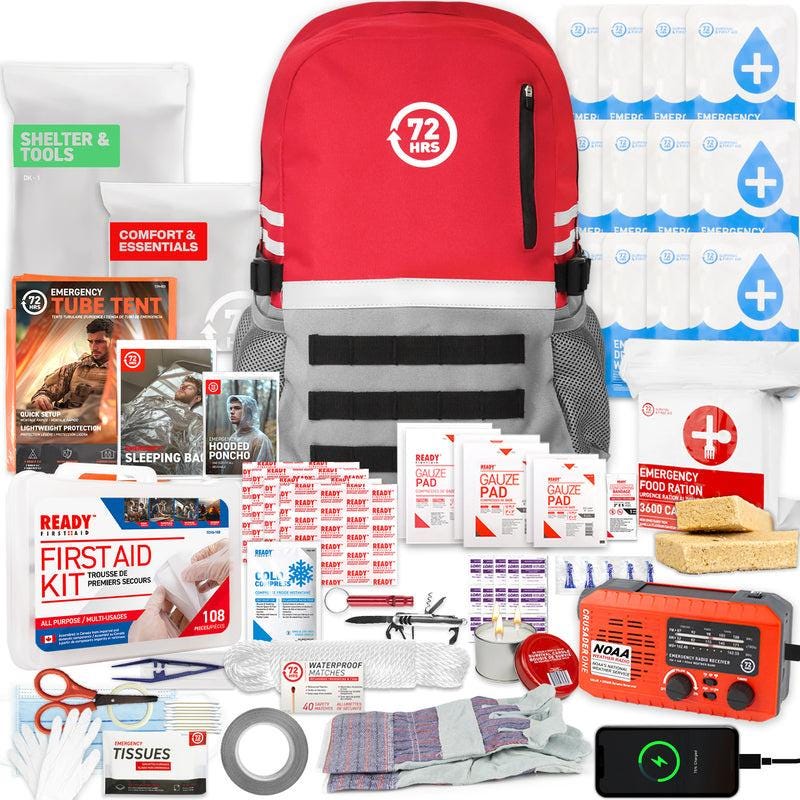
The standard recommendation is a 72-hour kit.
But most kits are incomplete.
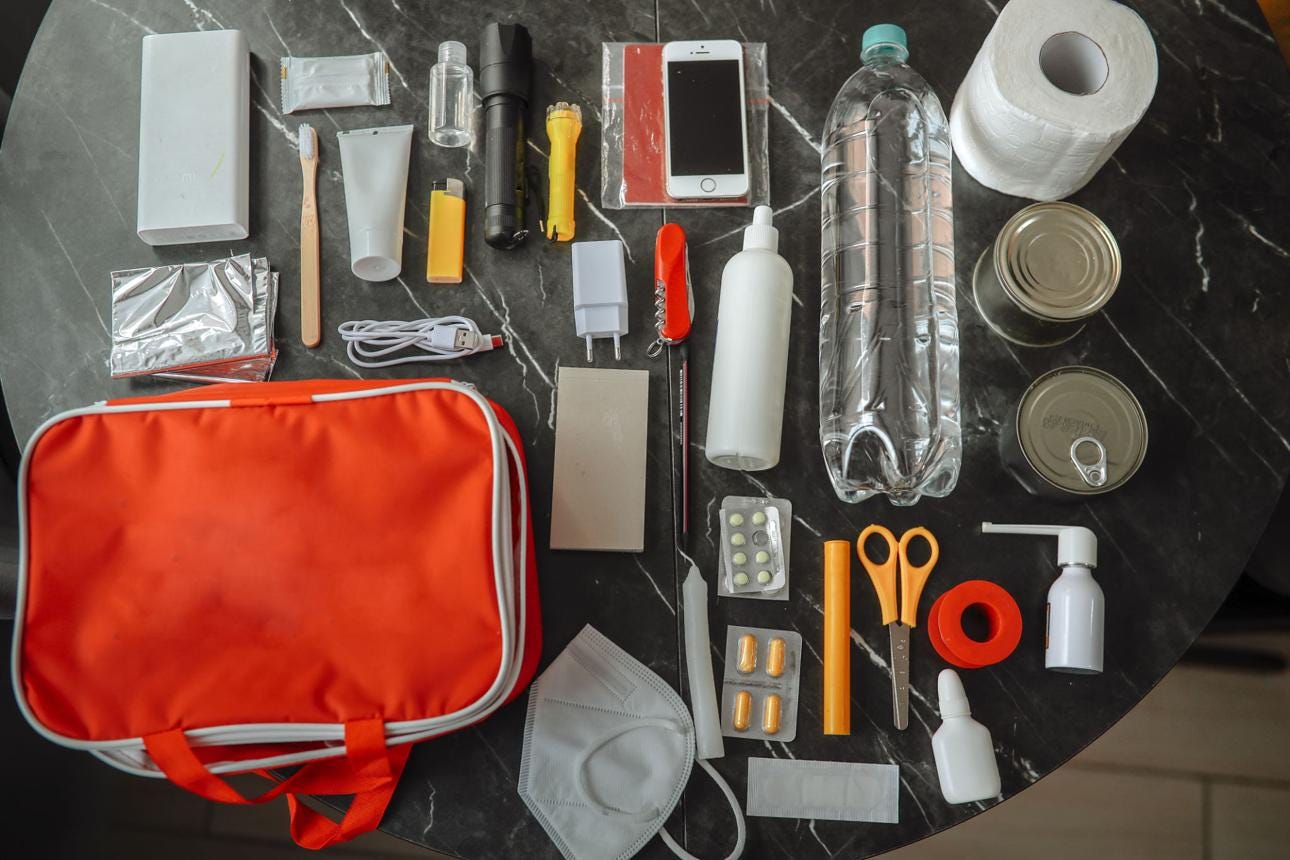
A functional kit includes:
Water, at least 2 litres per person per day
Non-perishable food
Flashlight and spare batteries
Battery-powered or hand-crank radio
First aid supplies
Personal medications
Cash in small bills
Copies of important documents
This is not about having “some supplies.”
It’s about having enough to operate without help.
There’s a pattern that shows up again and again.
1. They prepare mentally, not physically
Reading articles and watching videos creates a false sense of readiness.
2. They underestimate time
Three days without power or access to stores feels very different when you’re in it.
3. They rely on systems that fail first
Cell service, debit machines, and supply chains are not guaranteed.
4. They never test anything
A plan that has never been used is not a plan. It’s a theory.
Instead of treating it like a reminder, use it like a deadline.
A simple approach:
Day 1 – Identify your top risks
Day 2 – Write your plan
Day 3 – Buy missing supplies
Day 4 – Organize documents into a grab-and-go binder
Day 5 – Run a basic drill
Day 6 – Fix what didn’t work
Day 7 – Store everything properly
You can do more, but this alone puts you ahead of most people.
Preparedness is changing.
It’s moving away from stockpiling and toward capability.
What matters more now:
Can you make decisions under pressure?
Can you communicate without relying on one system?
Can you adapt when your plan breaks?
Gear helps.
But capability is what carries you through.
Emergency Preparedness Week is easy to ignore because nothing is happening right now.
That’s exactly why it matters.
You don’t prepare in the middle of a crisis.
You prepare in the quiet window before it shows up.
Most people wait until they feel the pressure.
The small group that doesn’t are the ones who move through problems differently.
No posts
Comments
Nothing yet. Say the first thing.
Sign in to join the conversation.