
Every Black person knows the feeling.
You walk into a room, a corporate office, a gated community, a country club, or a weekend getaway and you look around, and you realize:
I am the only one here.
Instantly, everything feels off. A constant nagging question creeps into your gut:
If things go sideways right now, who is actually going to have my back?
Society loves to tell us that this is just anxiety, it’s just “imposter syndrome.” We are told we are just being paranoid, or that we need to embrace “diversity.”
But there is a huge difference between embracing diversity and being the diversity.
That anxiety isn’t paranoia. That’s your survival instinct, forged by centuries of betrayal.
We are consistently sold a lie, that proximity to whiteness equals progress.
We are told that if we just speak the right way, get the right degree, integrate their spaces, and climb their ladders, we are finally safe.
We are told that being the “only one” in the room is a sign that the room is becoming more inclusive.
But history tells a different story. Proximity without your community isn’t progress.
It’s exposure. It’s a target.
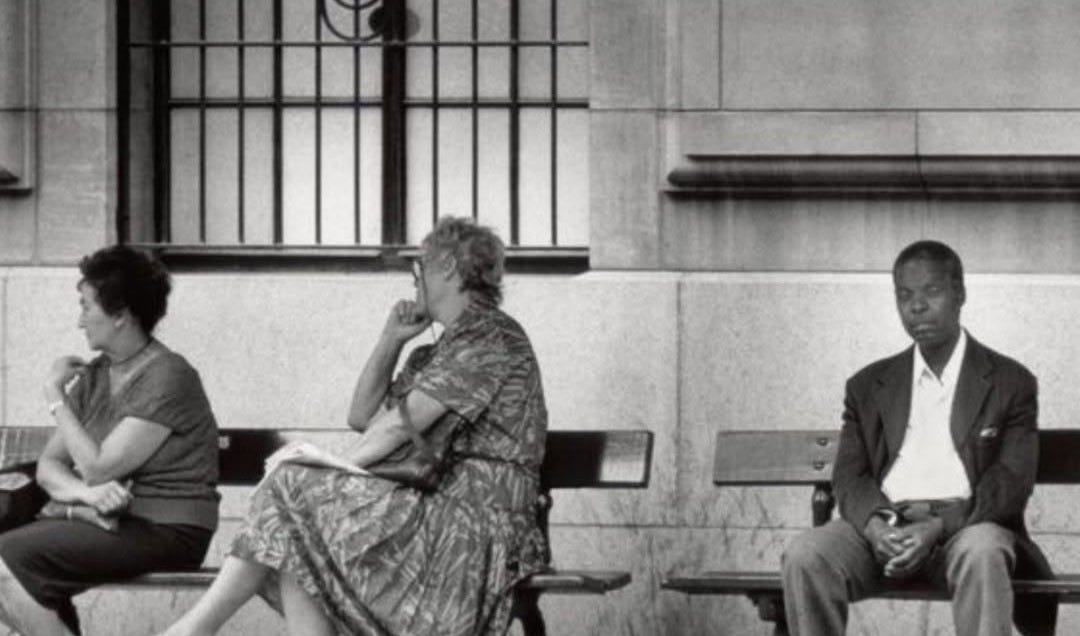
This trap is not a new phenomenon. The blueprint for this kind of isolation was drawn over a century ago.
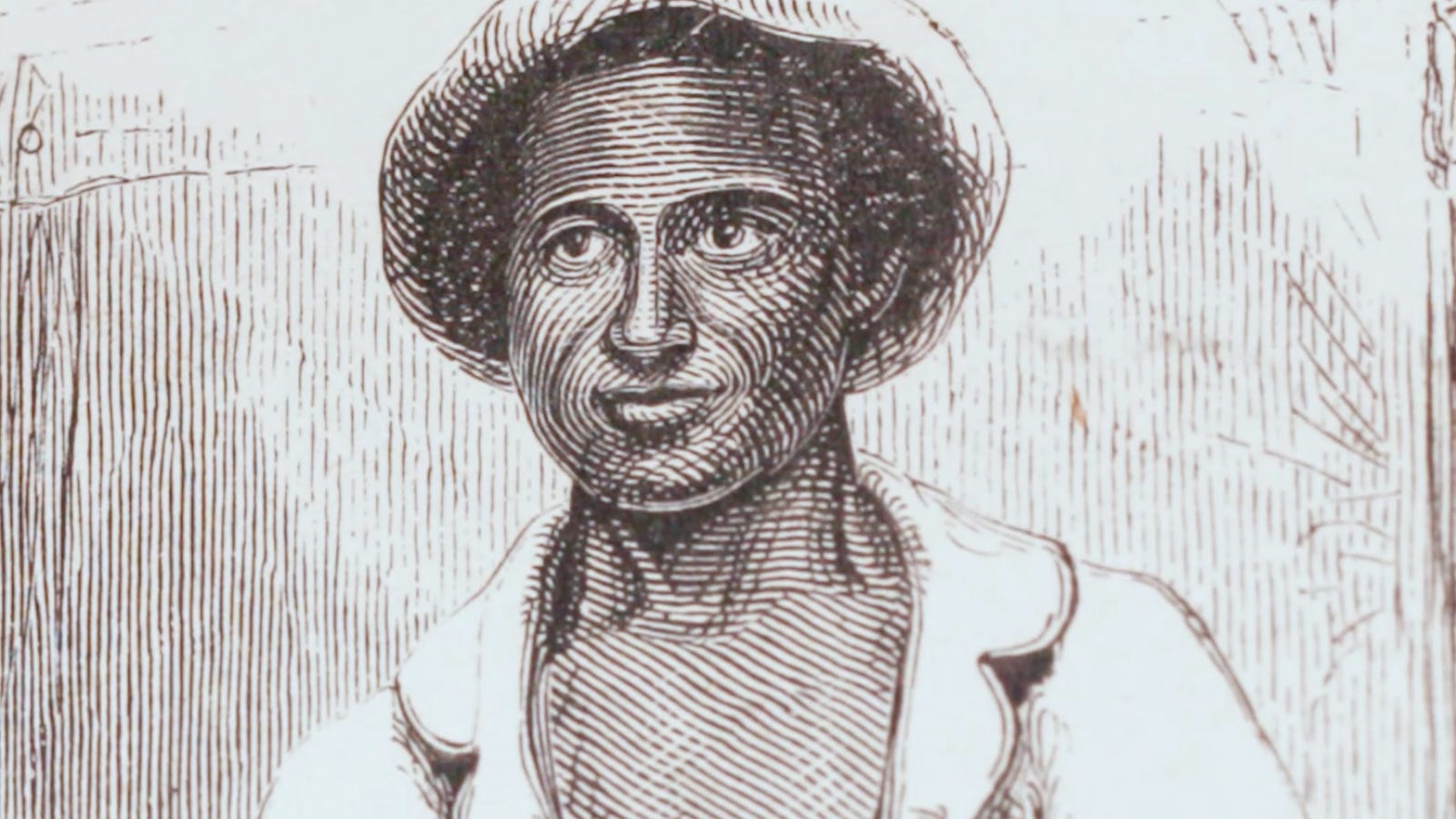
Take the story of Solomon Northup.
Most people know him as the man who was kidnapped and enslaved in “12 Years a Slave,” but they miss how he was targeted.
In 1841, Northup was a free man living in Saratoga Springs, New York.
He was a working violinist, a family man, and a freeman.
Two white men, Merrill Brown and Abram Hamilton, approached him. They didn’t come at him with whips or chains; they came with an opportunity.
They presented themselves as friends and business partners. They offered Northup a highly lucrative gig traveling with their circus to Washington D.C.
They broke bread with him. They acted as his advocates and did everything they could to make him feel like a peer.
Northup trusted them, and he stepped outside of his community.
But the isolation was the entire point.
Once they got him to D.C. a slave-holding territory at the time, where he had no Black peers to anchor his reality, no community to notice he was missing, and no network to watch his back that “friendship” died.
They drugged him, stole his free papers, and sold him into enslavement for $650.
Because Northup trusted the wrong white acquaintances in an isolated white space, twelve years of his life were stolen. He was beaten, starved, and forced to labor in the swamps of Louisiana.
The rules of their friendship changed the second his “friends” realized they could extract value out of the situation.
Black folks continued to learn this lesson the hard way, and by the 20th century, we literally had to write the manual on how to avoid the trap.
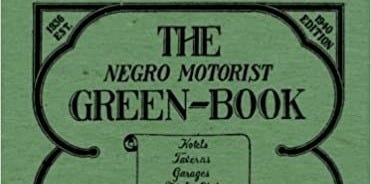
This led to the creation of the Green Book in 1936.
Victor Hugo Green didn’t write a travel guide for the scenery. He wrote it because Black families were finally getting a little bit of money, buying cars, driving into white spaces, and getting hunted.
Green understood that relying on the “kindness” or friendship of white strangers in some random town was a dangerous game.
You couldn’t just pull into a random gas station or sleep at a random hotel, because you could just disappear and no one would ever know what happened.
The Green Book mapped out safe spaces because entering a white space without a Black network meant putting your safety at risk.
By 1962, it had a circulation of over two million copies, this is because we understood the deadly reality of white isolation.
America desperately wants to believe we are past this.
They tell us that if we dress right, speak right, and “fit in,” we get a pass.
But that pass is an illusion.
The danger of isolation didn’t stop in 1841, it didn’t end in 1936, and it’s not going to end in 2026.
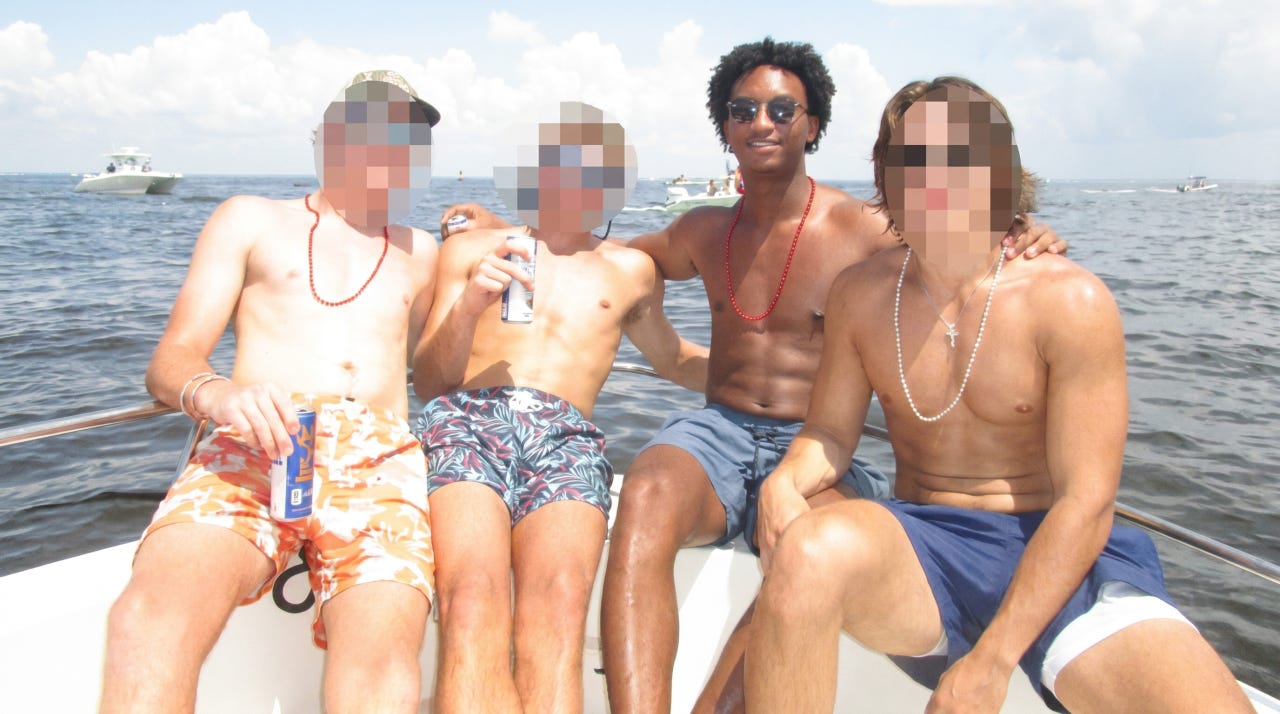
Look at Nolan Wells. In July of 2026, Nolan was an 18-year-old college freshman with his entire life ahead of him.
He did exactly what society tells us to do.
He assimilated, he built relationships across racial lines. He got on a boat with three white friends for a Fourth of July trip to Horn Island, a remote spit of sand ten miles off the Mississippi coast.
He stepped completely outside of his safety network.
We don’t need to play detective or convict anyone to see the tragedy of the situation. Just to be clear, the specifics of the criminal case aren’t the story here.
The story is the terrifying exposure of being the only Black face in white spaces.
Because what we do know is this: When things got weird, when the stakes got high, Nolan had no one to watch his back. His “friends” got back in the boat and went home.
They left someone who was supposed to be their homie behind on that island.
And now, his family is met with deleted text messages, conflicting stories, and a wall of lawyers hired by the very people Nolan thought were his friends.
This is exactly what happens in these white spaces.
You lose the ability to verify your own reality.
The moment things go sideways, the very first thing they are going to do is close ranks.
History has shown us the playbook. They will blame you, they will call you a nigger, and protect their own.
You will always be the convenient scapegoat.
We put ourselves in extreme physical danger when we prioritize the illusion of inclusivity over the reality of the world we live in. You cannot out-assimilate the color of your skin, and trusting people who have no investment in your survival could be a life-or-death gamble.
So the next time your gut tells you things are getting weird in a primarily white space, stop and ask yourself:
If a situation needs to be de-escalated, who is going to do it?
If the police are called, who is going to vouch for your character?
If things turn sideways, who is going to make absolutely certain that you get back home?
If the answer is nobody, you are in danger.
Find your people and get the hell off the island.

Before we get out of here, I need to acknowledge a massive milestone.
This month, One Mic History officially crossed 4,500 subscribers.
That is 3,500 folks who have decided that independent, unapologetic Black history is worth their time and their investment.
I want to send a massive thank you to our newest paid supporters: Janell, Martie L., and a OG, Betsy B.,
Y’all aren’t just supporters; you are the producers of this platform.
To show my appreciation, I’m adding all paid members to the credits of my YouTube videos. I have one linked at the bottom of the newsletter.
When you see those videos, know that you are a vital part of why that story is being told.
I see you, and I truly thank you for building this with me.
Listen: How Harlem Musicians Outsmarted Segregated Clubs
History books sell you that the Harlem renaissance just happened by magic, but the truth is, it was a carefully planned, paid-for operation that changed Black culture forever.
If you would like to support my work with a one-time donation via my Buy Me a Coffee.
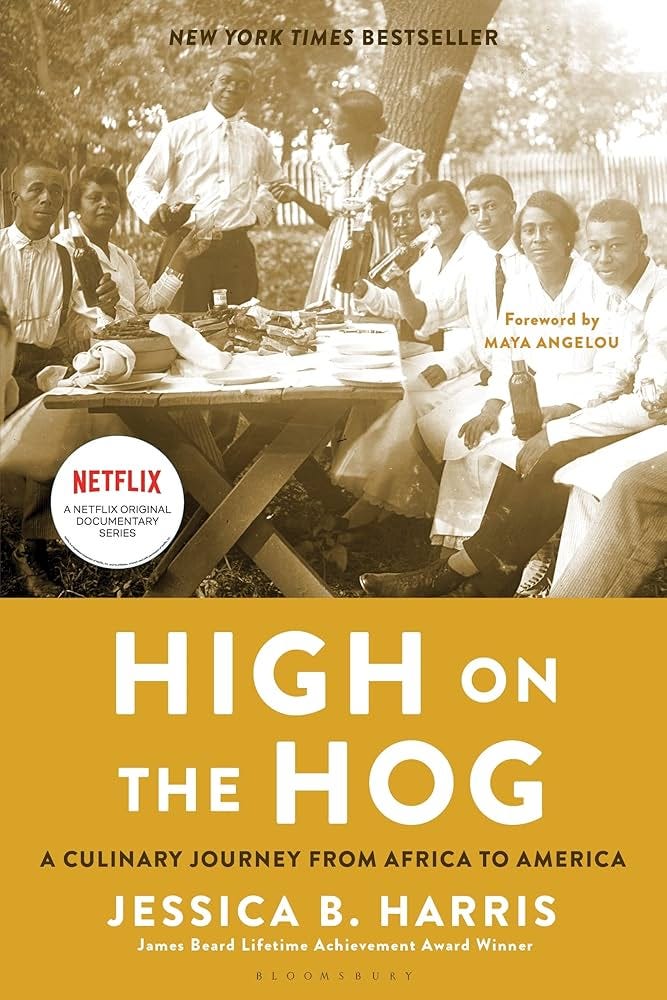
This month we’re reading “High on the Hog” by Jessica B. Harris.
From chitlins and ham hocks to fried chicken and vegan soul, Harris celebrates the delicious and restorative foods of the African American experience and details how each came to form such an important part of African American culture, history, and identity
Grab the book and join the discussion.
Additional Reading:
Alex Haley, “The Autobiography of Malcolm X”
Joshua Bloom and Waldo E. Martin Jr., “Black Against Empire”
Laurent Dubois, “Avengers of the New World”
Sources:
Elijah Anderson, “Black in White Space”
(Note: These are Amazon affiliate links for transparency. No pressure at all.)
No posts
Comments
Nothing yet. Say the first thing.
Sign in to join the conversation.