Oncotarget is a primarily oncology-focused, peer-reviewed, open access journal. Papers are published continuously within yearly volumes in their final and complete form and then quickly released to Pubmed. Oncotarget is now indexed by MEDLINE, PubMed and PMC/PubMed. Read about the Oncotarget Scientific Integrity Process: https://www.oncotarget.com/scientific_integrity/
BUFFALO, NY – August 25, 2026 – A new precision oncology paper was #published in Volume 17 of Oncotarget on August 14, 2026, titled “Systematic methodological flaws in DNA contamination assessment of mRNA vaccines: A critical analysis of Achs et al. (2025).” The article was led by first and corresponding author Kevin McKernan from Medicinal Genomics, Beverly, Massachusetts, along with co-authors…
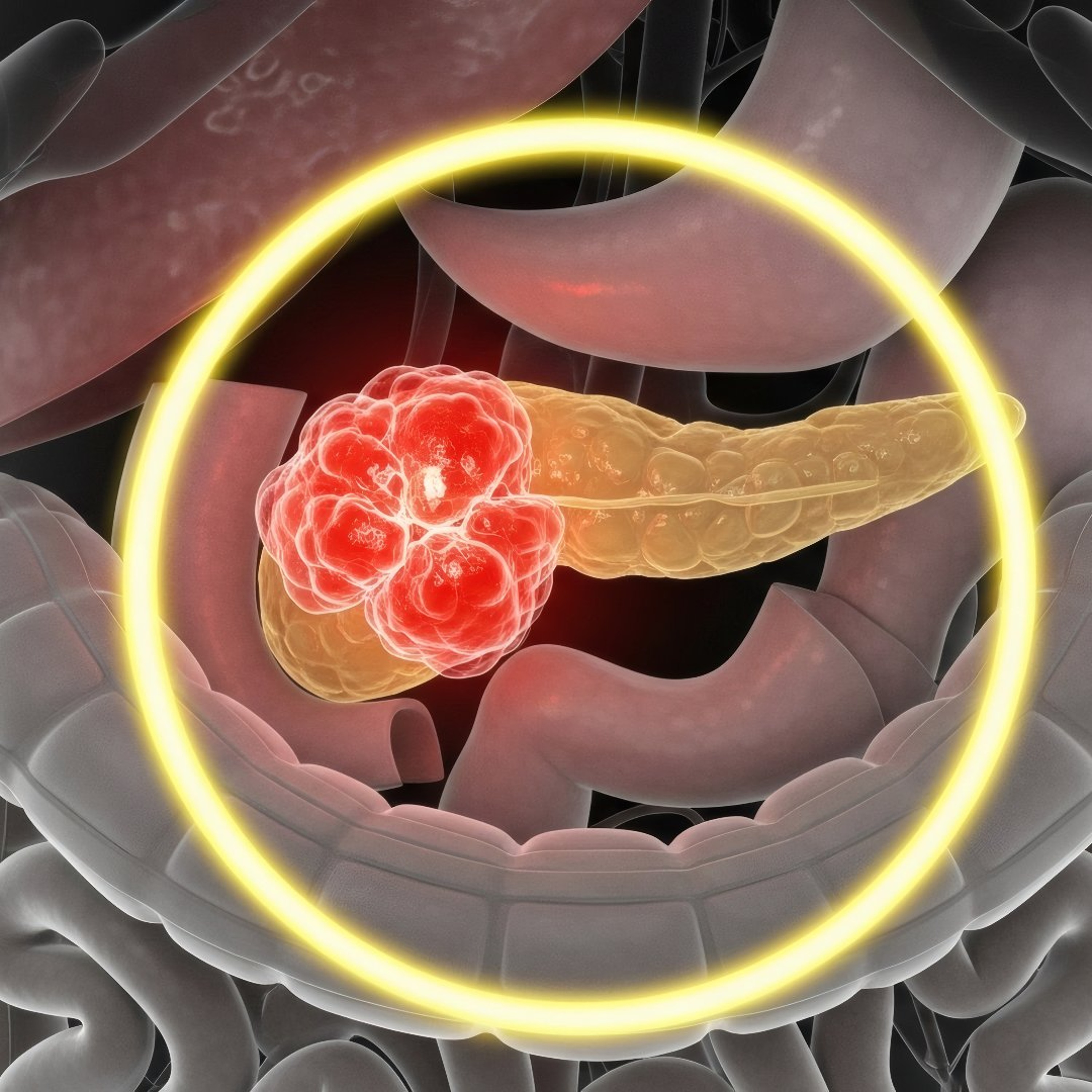
Pancreatic cancer remains one of the most difficult cancers to treat, in part because mutations in the KRAS gene are extraordinarily common in pancreatic ductal adenocarcinoma (PDAC). These mutations keep growth-promoting signals switched on, allowing cancer cells to proliferate and survive. Although drugs targeting certain KRAS mutations have emerged in recent years, they work against only a…
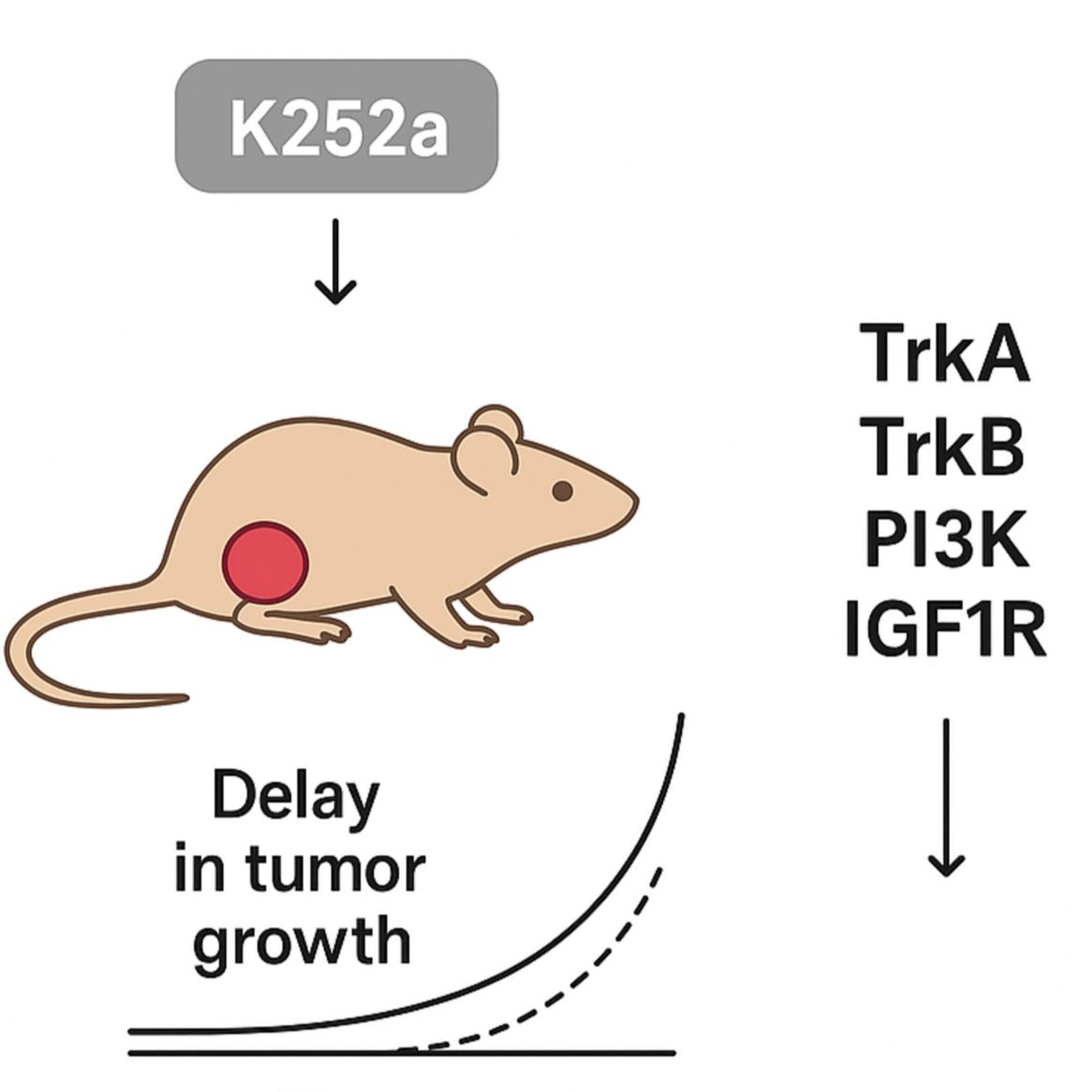
BUFFALO, NY – August 10, 2026 – A new #research paper was #published in Volume 17 of Oncotarget on August 7, 2026, titled “Delayed growth of SK-ES-1 Ewing sarcoma tumor xenografts is associated with reduced Trk and IGF1R pathway markers.” The study was led by first author Bruna Almeida dos Santos and corresponding author Caroline Brunetto de Farias, primarily affiliated with the Federal University…
Colorectal cancer does not develop in isolation. Cancer cells exist within a complex tumor microenvironment made up of fibroblasts, immune cells, blood vessels, and extracellular matrix. Increasing evidence suggests that these surrounding cells and structures can influence whether tumors grow, regress, or evade the immune system. A research paper published in Volume 17 of Oncotarget, titled…
Nutrition plays a critical role in cancer care, yet it is often overlooked. Many patients experience weight loss, muscle wasting, treatment-related side effects, and changes in appetite that can affect their ability to tolerate therapy and maintain quality of life. Although nutrition specialists can help manage these challenges, access to specialized nutritional care remains limited in many…
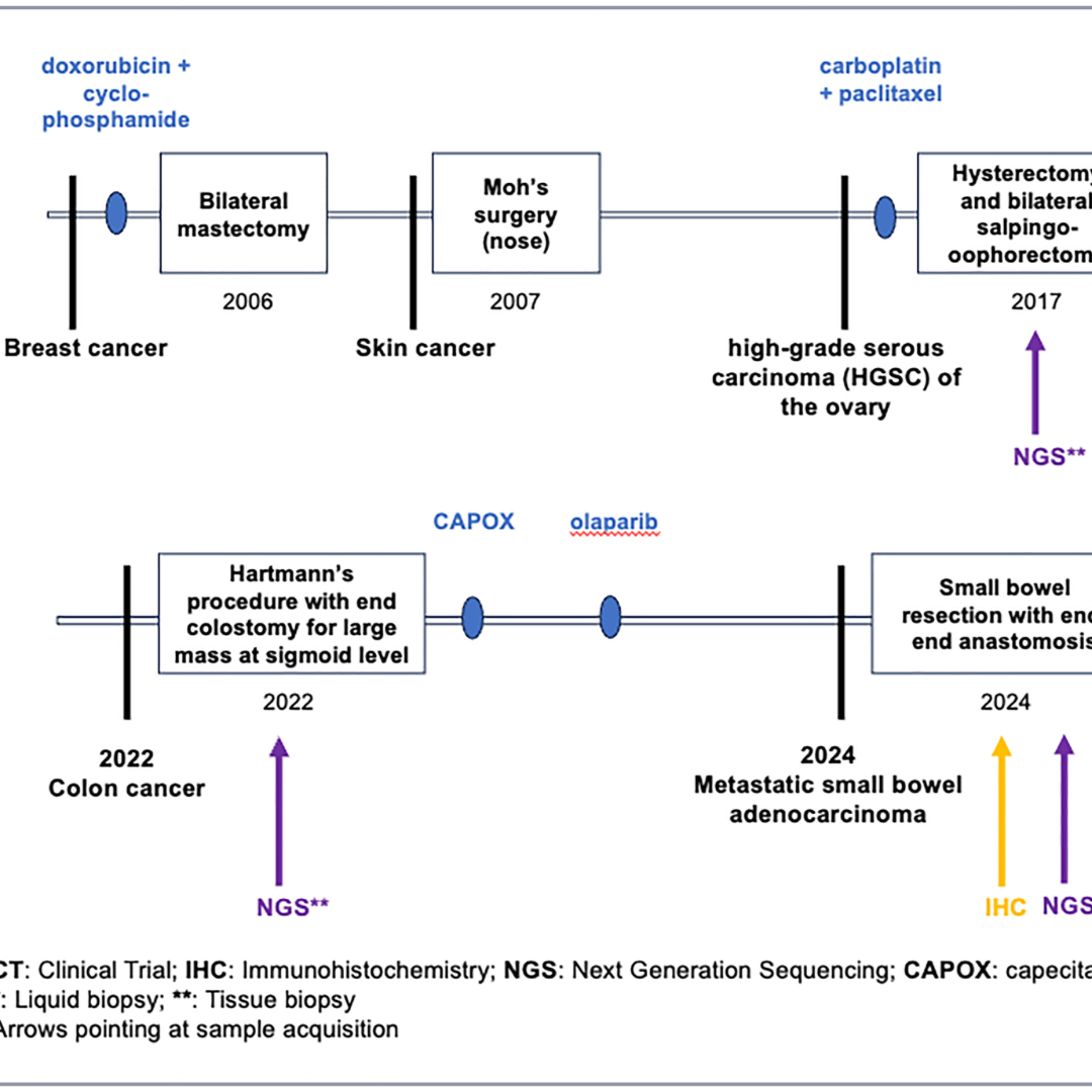
BUFFALO, NY – July 22, 2026 – A new #PrecisionOncology paper was #Published in Volume 17 of Oncotarget on July 21, 2026, titled “WIN-MTB-2024017 – WIN International Molecular Tumor Board: A 48-year-old female with multiple primary cancers.” The study was led by Oncotarget Editor-in-Chief, Dr. Wafik S. El-Deiry, from the Worldwide Innovative Network (WIN) Association – WIN Consortium and Legorreta…
Gastrointestinal stromal tumors (GISTs) are the most common mesenchymal tumors of the digestive tract. Although many GISTs can be effectively treated with targeted therapies, their response to treatment depends largely on the specific genetic alterations driving tumor growth. Advances in molecular testing have transformed the management of these tumors, allowing clinicians to tailor treatment…
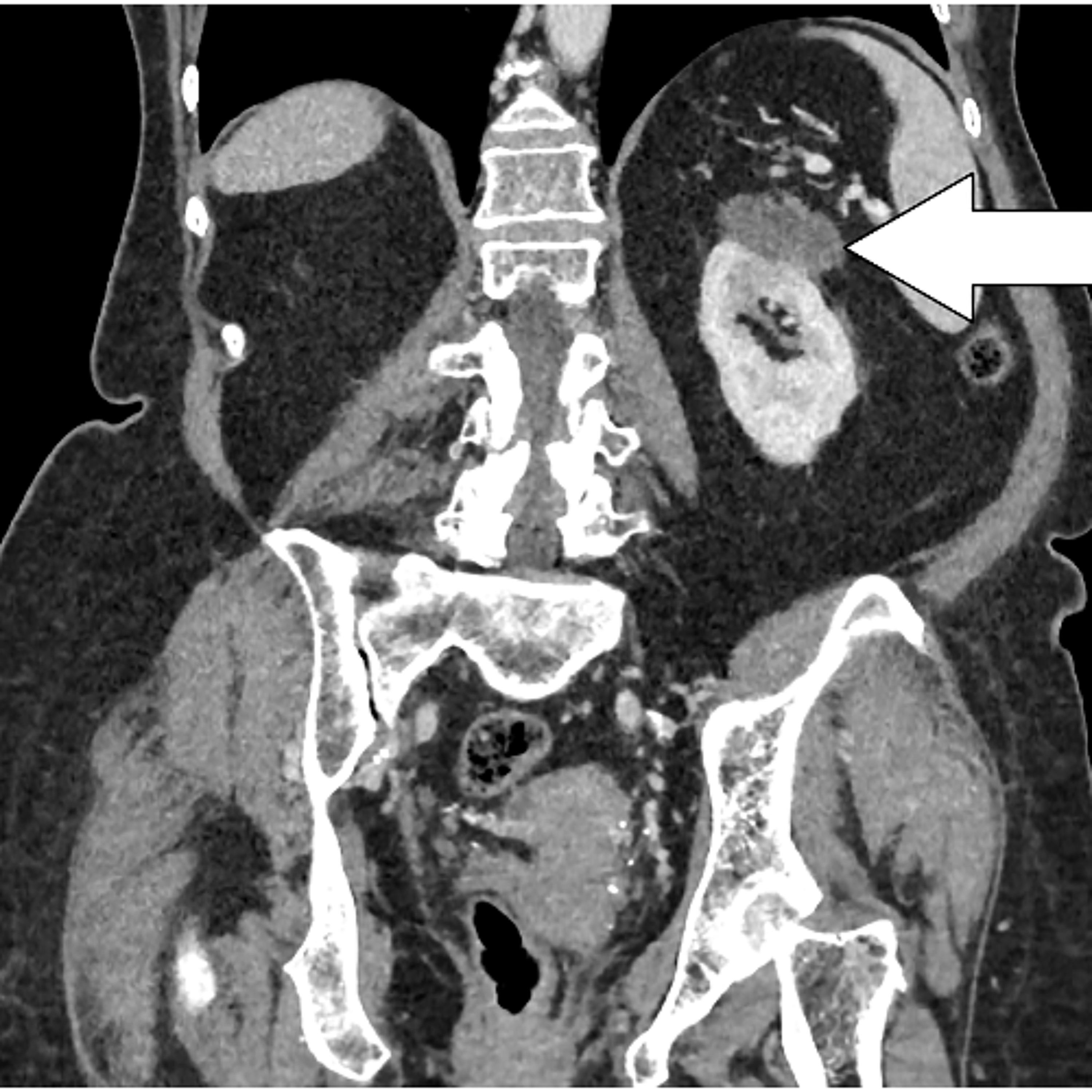
BUFFALO, NY – July 6, 2026 – A new #casereport was #published in Volume 17 of Oncotarget on July 2, 2026, titled “Renal oncocytoma: Α case report and literature review.” The study was led by first and corresponding author Areti Kalfoutzou from the Second Propaedeutic Department of Internal Medicine, Attikon General Hospital, National and Kapodistrian University of Athens, Greece. Renal oncocytoma…
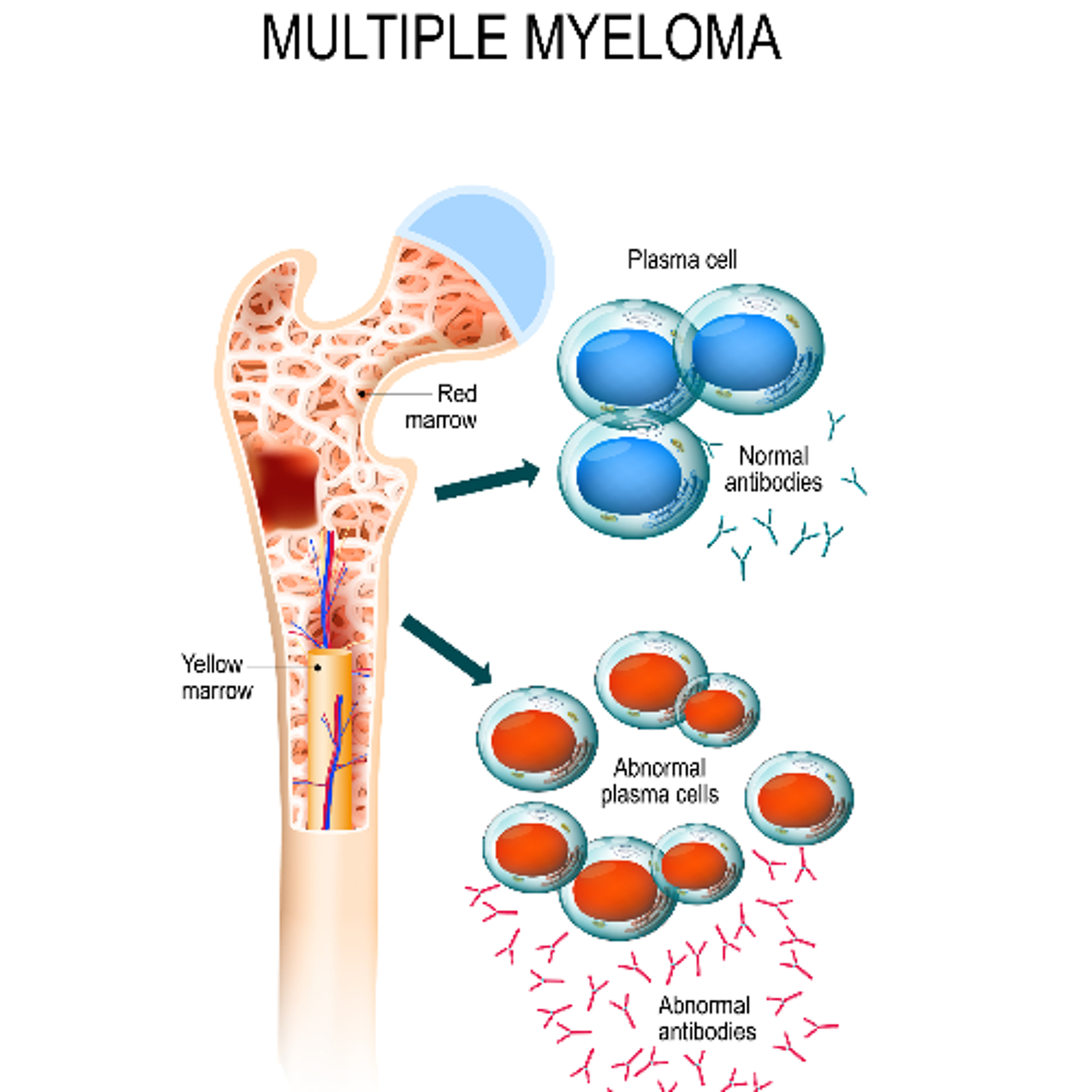
Multiple myeloma is the second most common blood cancer in the United States and has long been considered a difficult disease to treat. For decades, treatment options were limited, and survival remained poor. However, the therapeutic landscape has changed dramatically over the past several decades with the introduction of stem cell transplantation, targeted drugs, immunotherapies, and more…
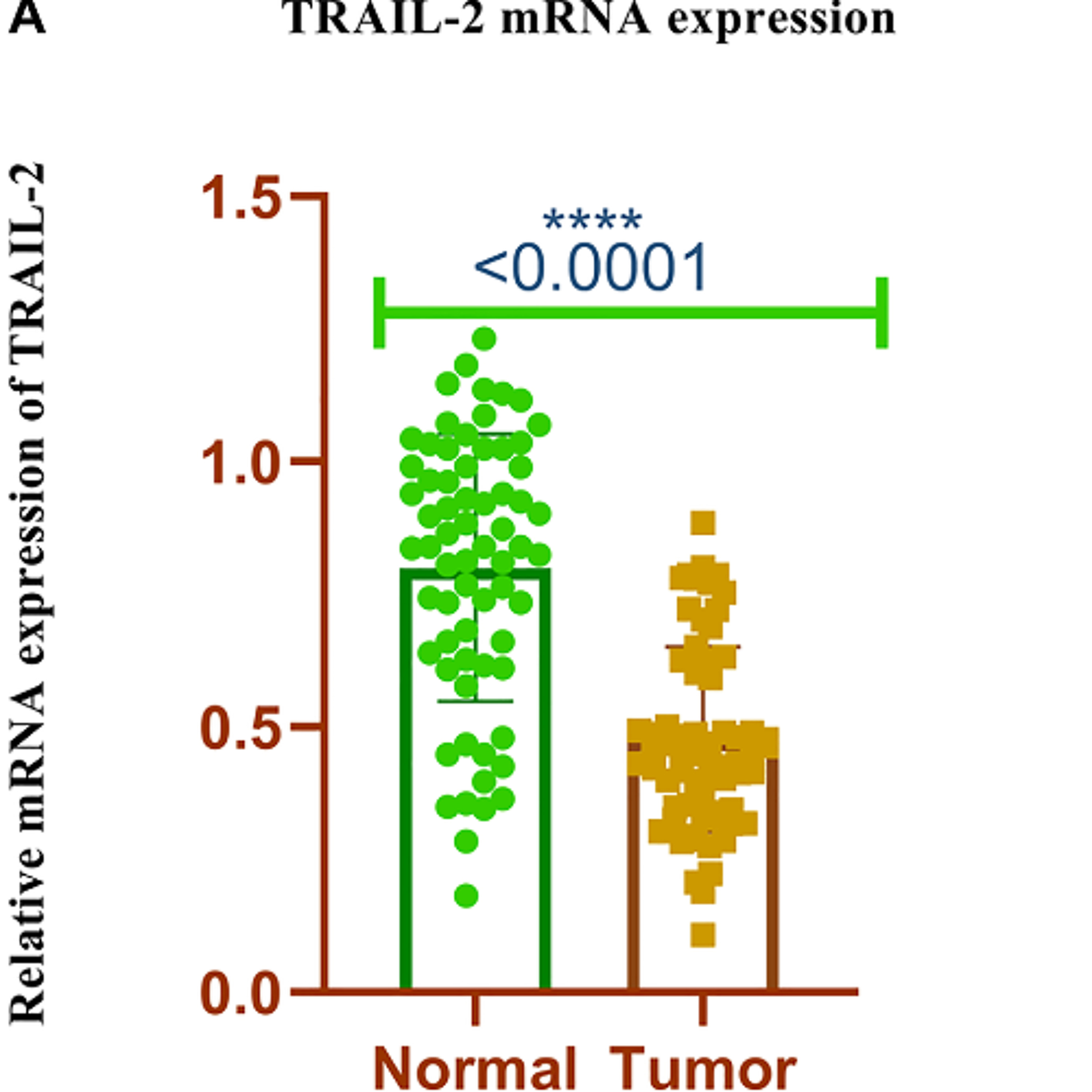
BUFFALO, NY – June 24, 2026 – A new research paper was published in Volume 17 of Oncotarget on June 9, 2026, titled “TRAIL-R2 in the shadows: Epigenetic silencing and clinical implications in breast cancer.” The study was led by first author Nuzhat Khursheed from the University of Kashmir and corresponding authors Asia Asiaf from the Central University of Kashmir and Showkat Ahmad Ganie from the…
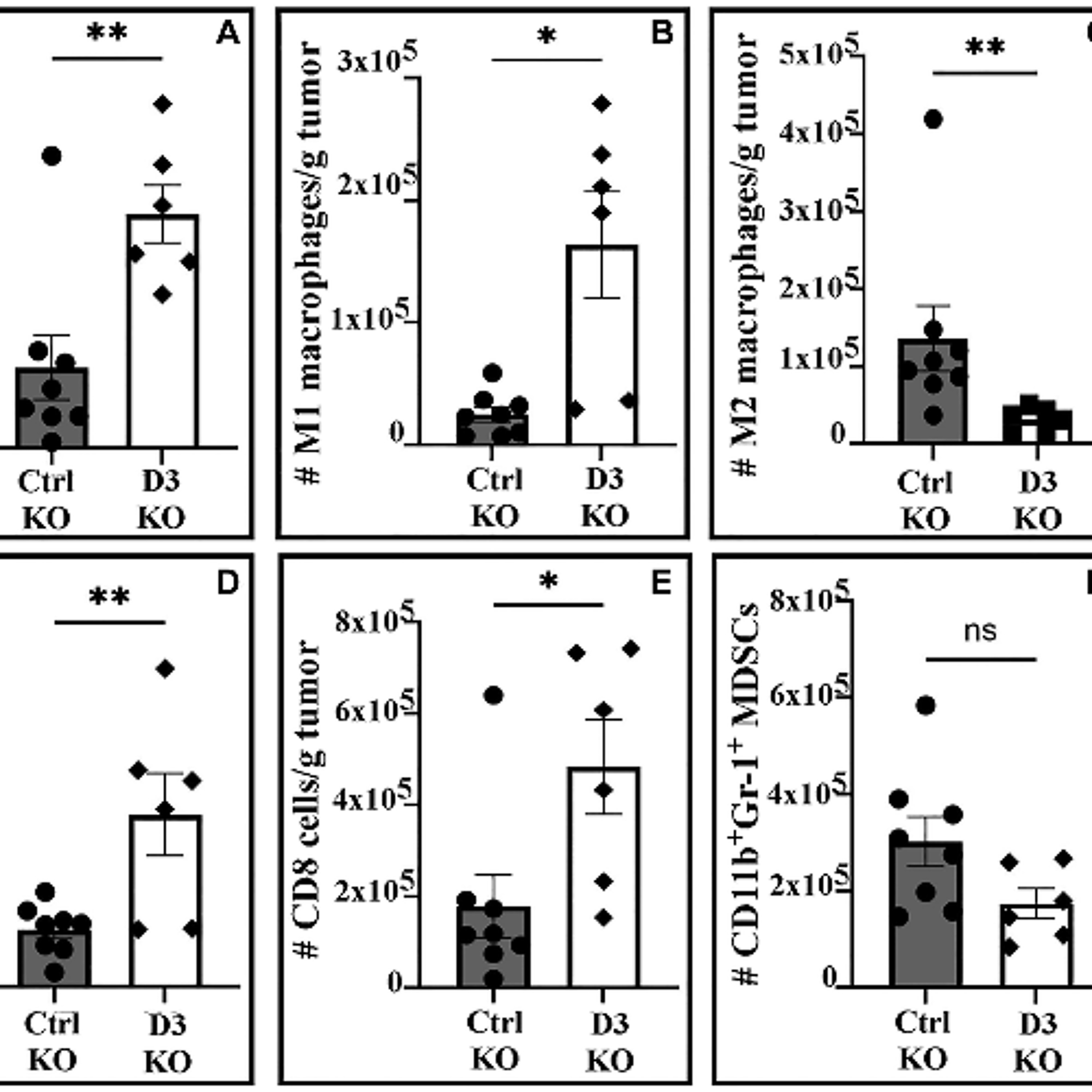
BUFFALO, NY – June 17, 2026 – A new #research paper was #published in Volume 17 of Oncotarget on June 8, 2026, titled “DHHC3 interferes with antitumor immunity in melanoma cells.” The study was led by first author and corresponding author Chandan Sharma and corresponding author Martin E. Hemler from the Department of Cancer Immunology and Virology at the Dana-Farber Cancer Institute. Melanoma is…
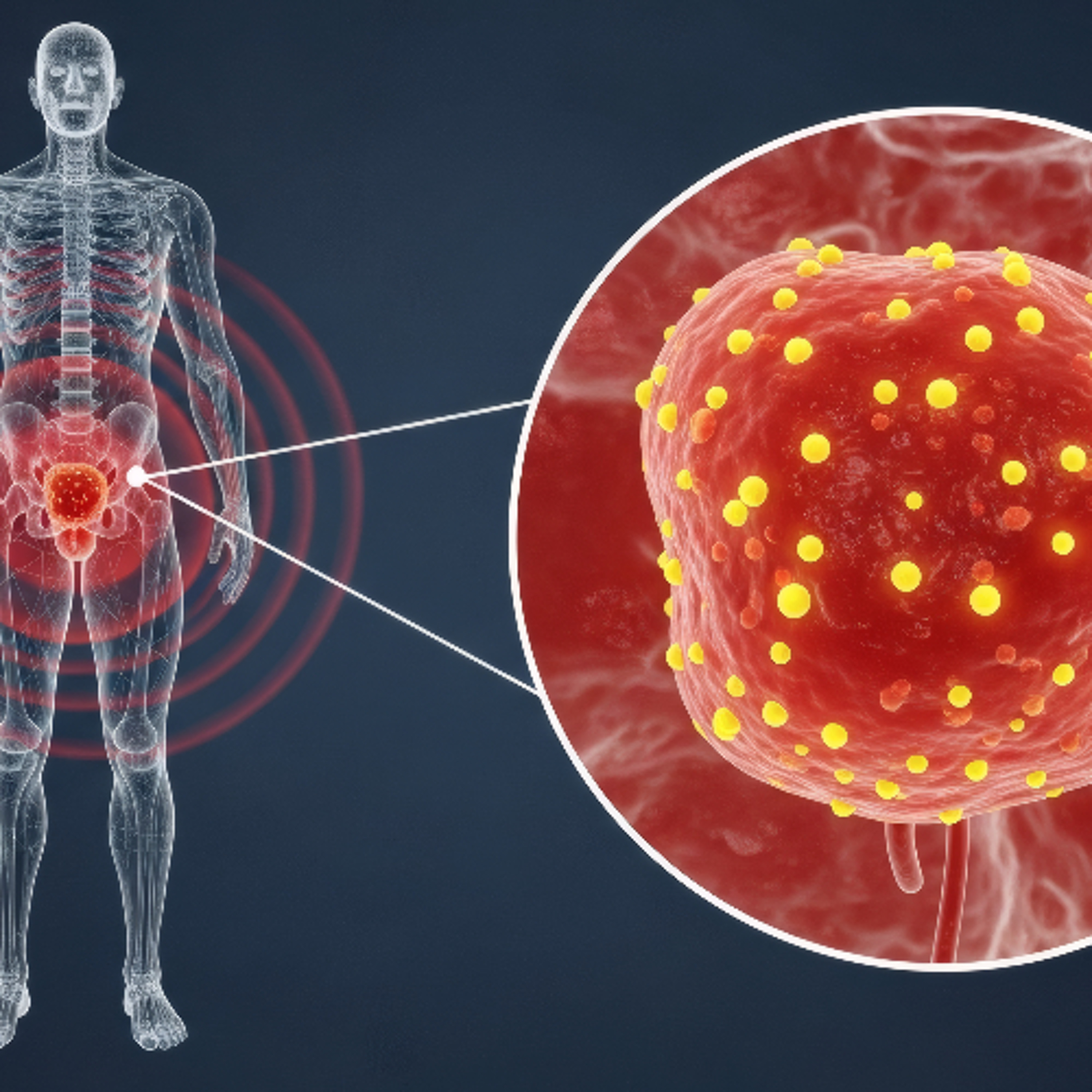
Prostate cancer is the most commonly diagnosed cancer among men and remains a leading cause of cancer-related death worldwide. While age, family history, and genetics are well-established risk factors, researchers have increasingly focused on the role of metabolic health in prostate cancer progression. Obesity, insulin resistance, type 2 diabetes, and chronic inflammation have all been associated…