
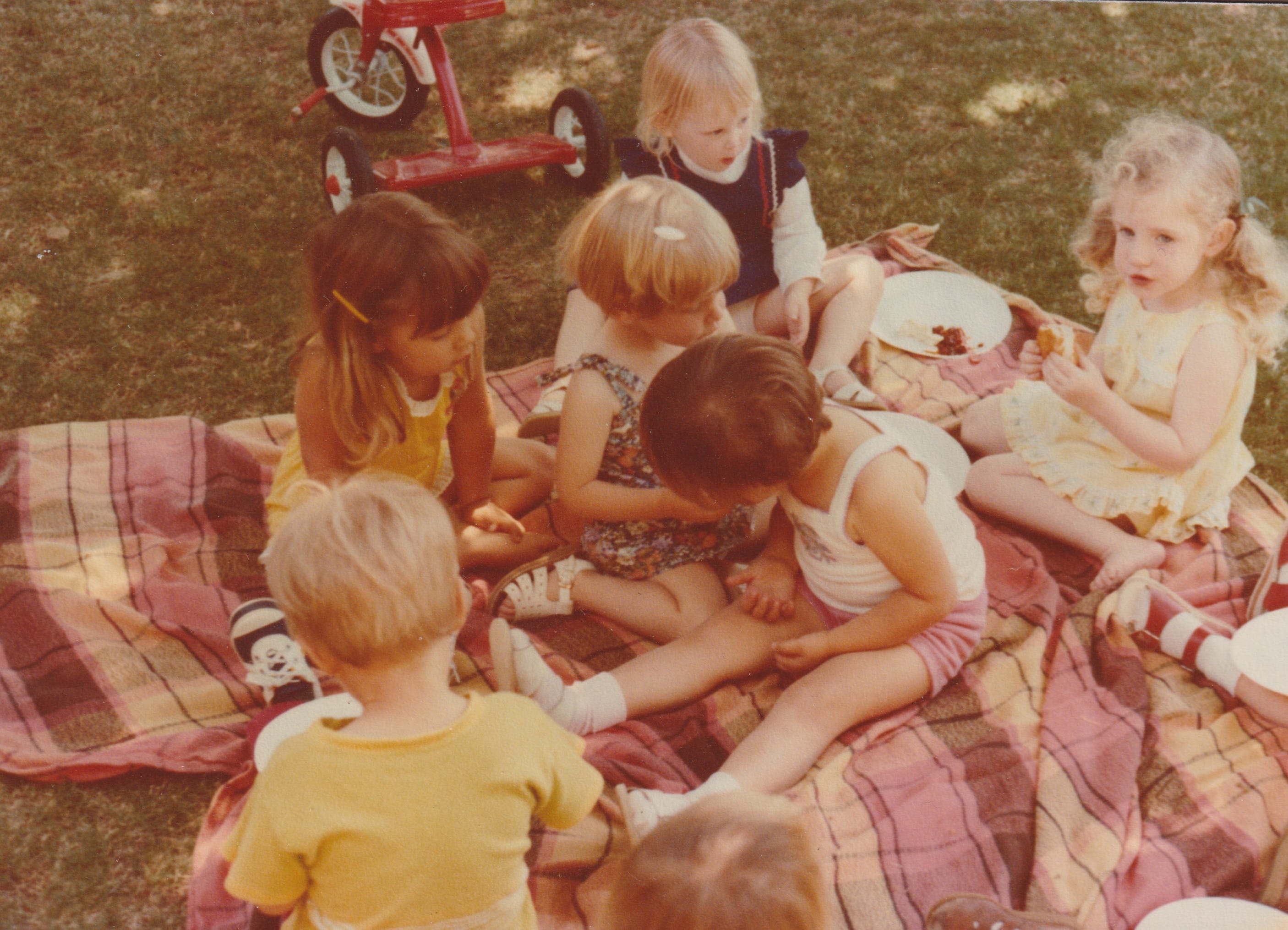
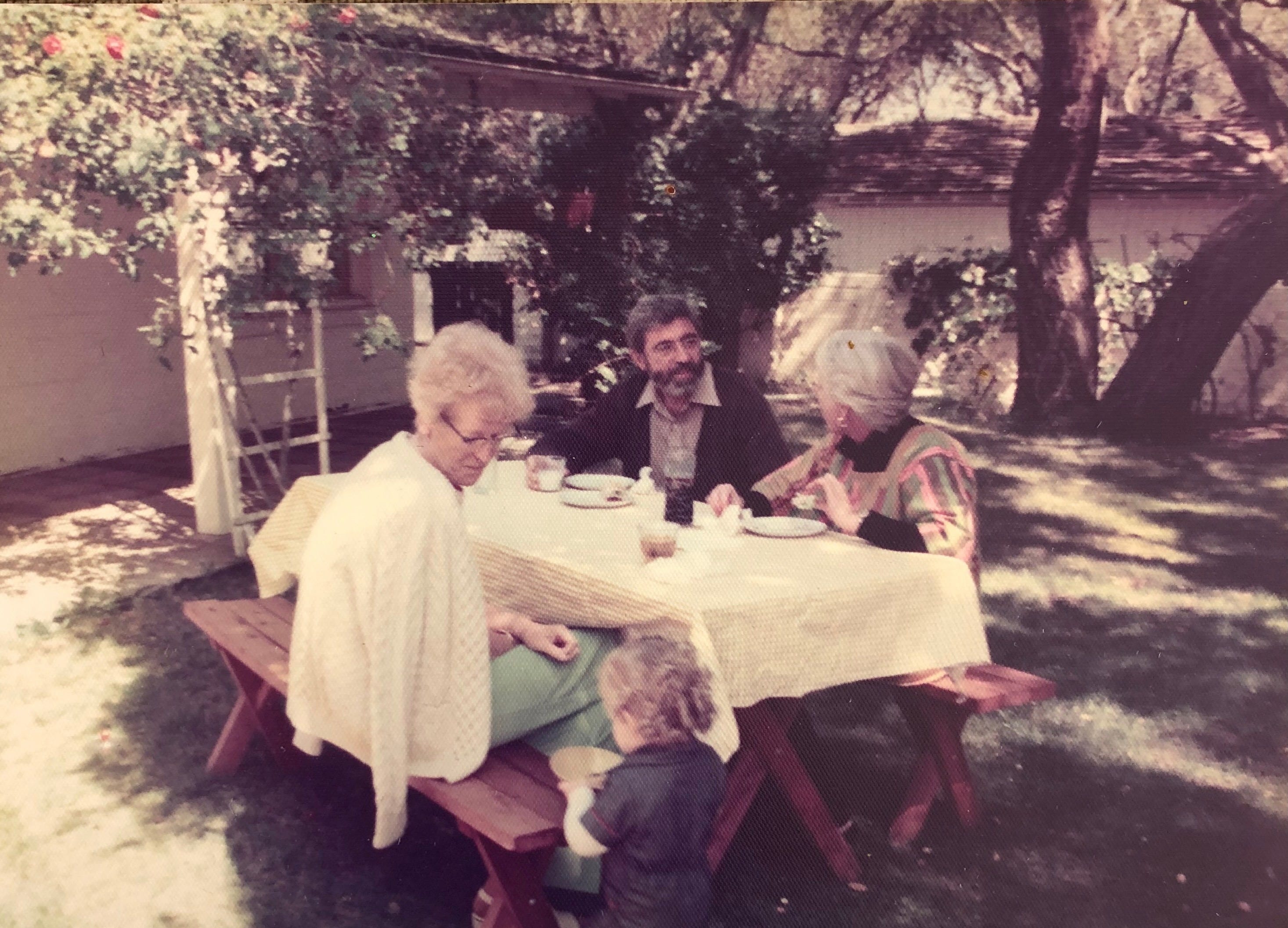
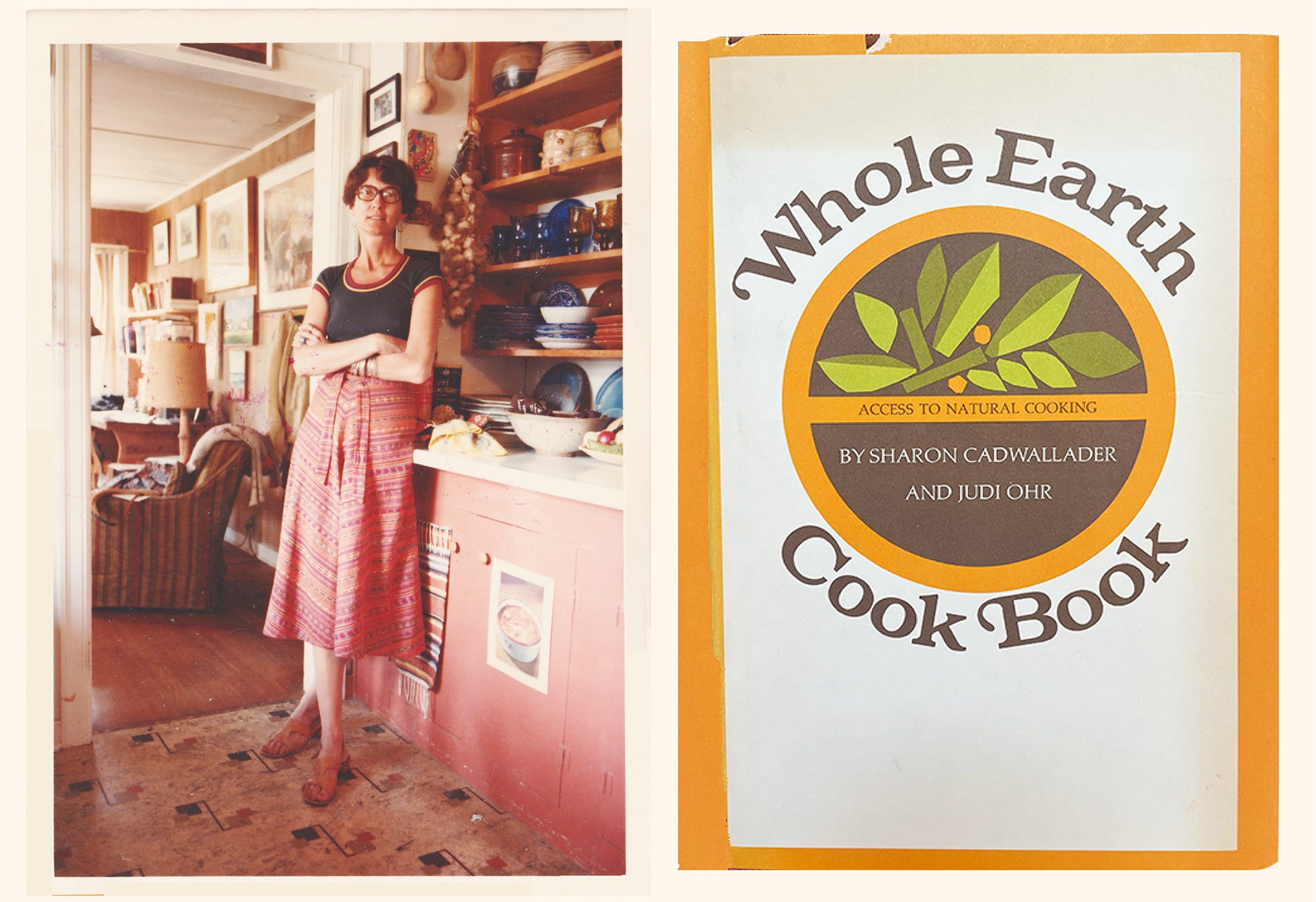
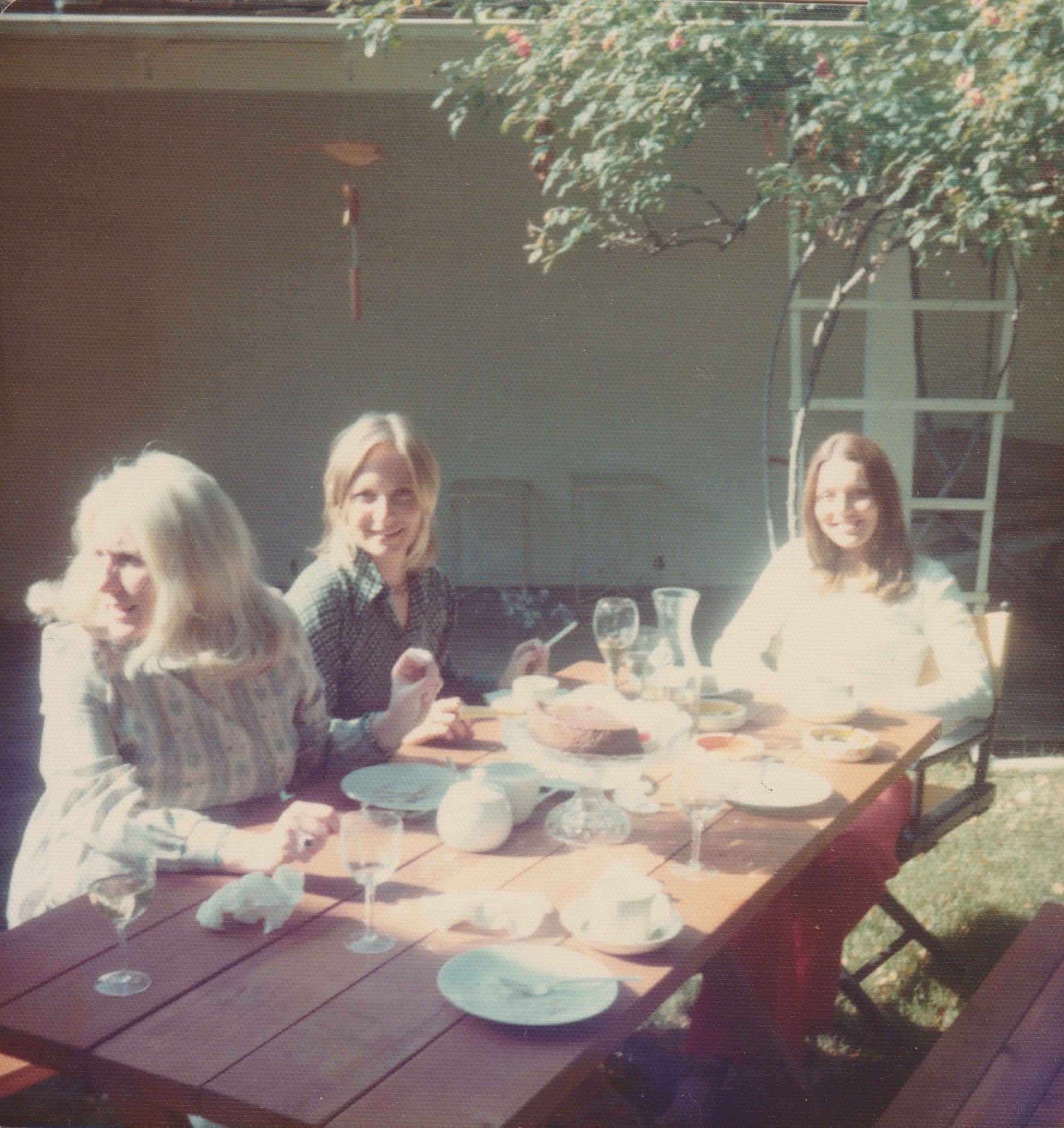
The synapses of belonging in my mind entwine food and writing and art. This is due to the specific social circle of my parents, notably the influence of my mother’s best friend and my beloved godmother, Sharon Cadwallader . Sharon was a chef, restauranteur, and food writer; she and her friends entertained with their own style in my foggy, sensual, intoxicating childhood in Santa Cruz, California. Inextricably connected to these food memories is an appreciation for the local agriculture that supported our lusty food life. As a little girl, any time we left the confines of town on a family road trip, I’d watch acres of lush farmland fan out through the window along Highway 1 -- rows of artichokes, broccoli, apples, carnations, strawberries. Farming was not abstract to little Californian me – it was all around and woven into our sense of geography. I’ll never forget elementary school trips to the Martinelli’s Sparking Cider facility in Watsonville, just south of Santa Cruz (gorgeous, matte-skinned apples) and the Odwalla juice factory in Davenport along the cliffs just a few miles from the famous Maverick’s big wave surf spot. As far as I could tell, any kid in beachtown bohemia could typically identify the local geography that begat was sat on their dinner plate. Palate, landscape, and culture formed a sensual belonging. I am still impacted by these associations today: two recent studio projects illustrate this.
Wine was an unquestioned, uncontroversial part of our domestic food life growing up in beachtown bohemia -- a bottle of simple local wine was always on the dinner table (and even at lunch!) in the same fashion as French, Italian or Spanish families. Do you sense this aspect of California’s food culture changing? I do. I first spoke about this shift with my friend Hana-Lee Sedgwick, a sommelier, writer, and native Santa Barbaran. She’d just come back from a magazine assignment in the Santa Ynez Valley and had listened to winemakers express anxiety about the forces that jeopardize the California wine community. The contemporary hurdles are many: climate change, water, the expense of biodynamic farming in general, ICE raids, the changing definition of 'healthy living" as disseminated on wellness podcasts by people who eat only bars and protein shakes. The latter cultural attack felt like something worth addressing in my studio work. “Wine is our culture!” I thought. “You don’t abandon your culture for a health fad.” The produce we grow here -- including grapes for wine -- is integral to my affection for the Golden State and our legacy of easy, beautiful meals. I sought a way to celebrate this cornerstone of our cultural identity without being a shrill antagonist.
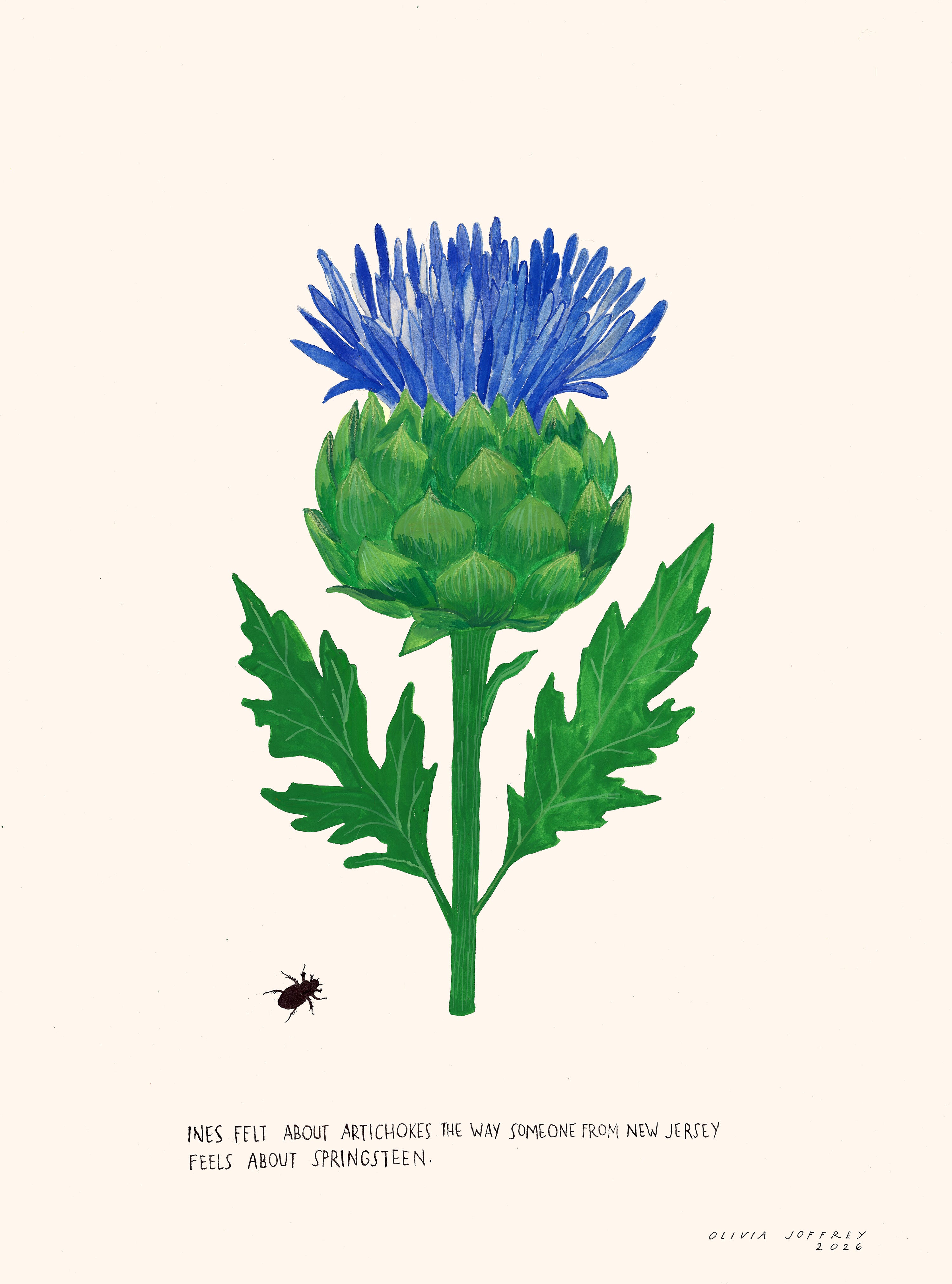
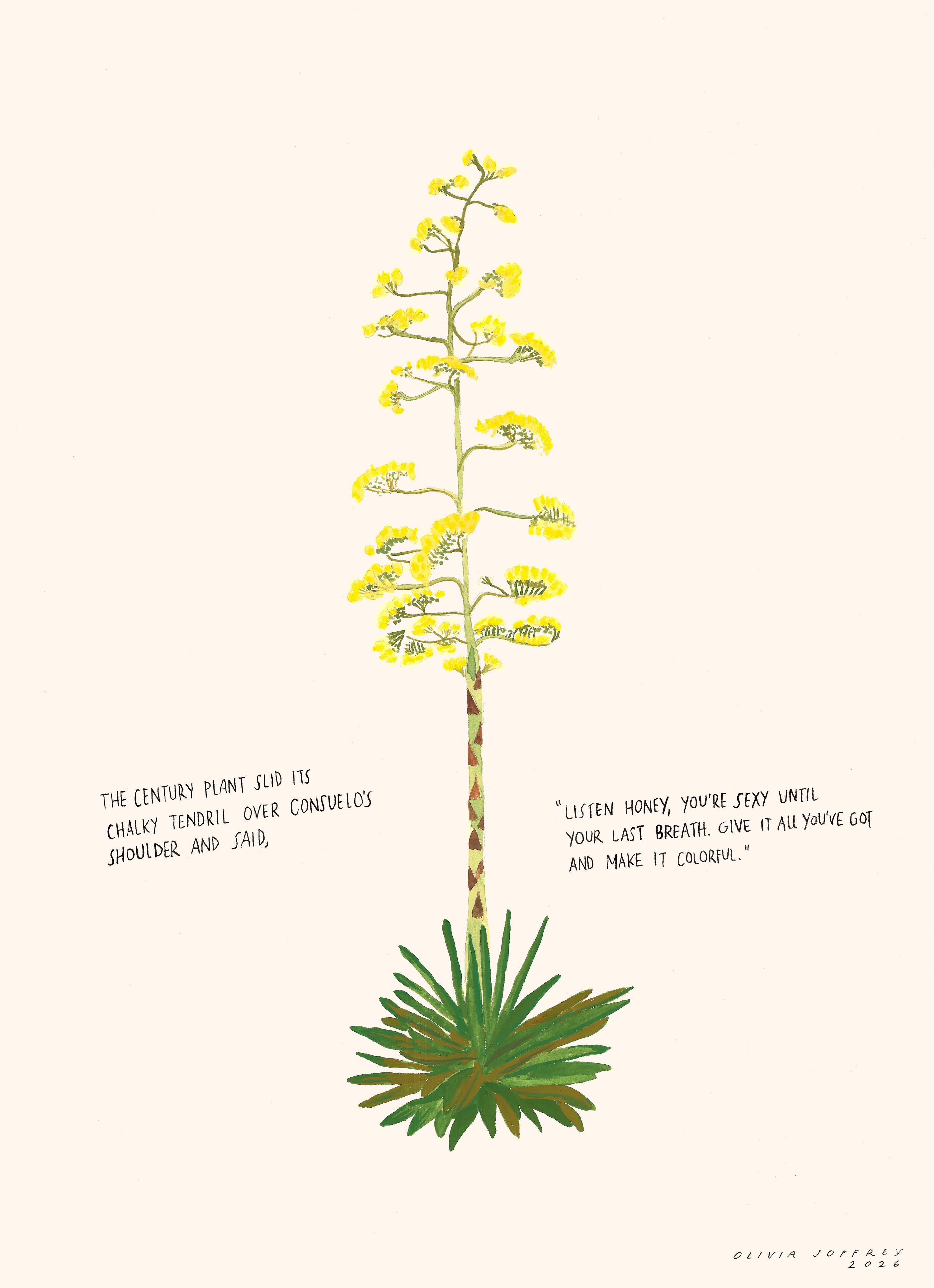
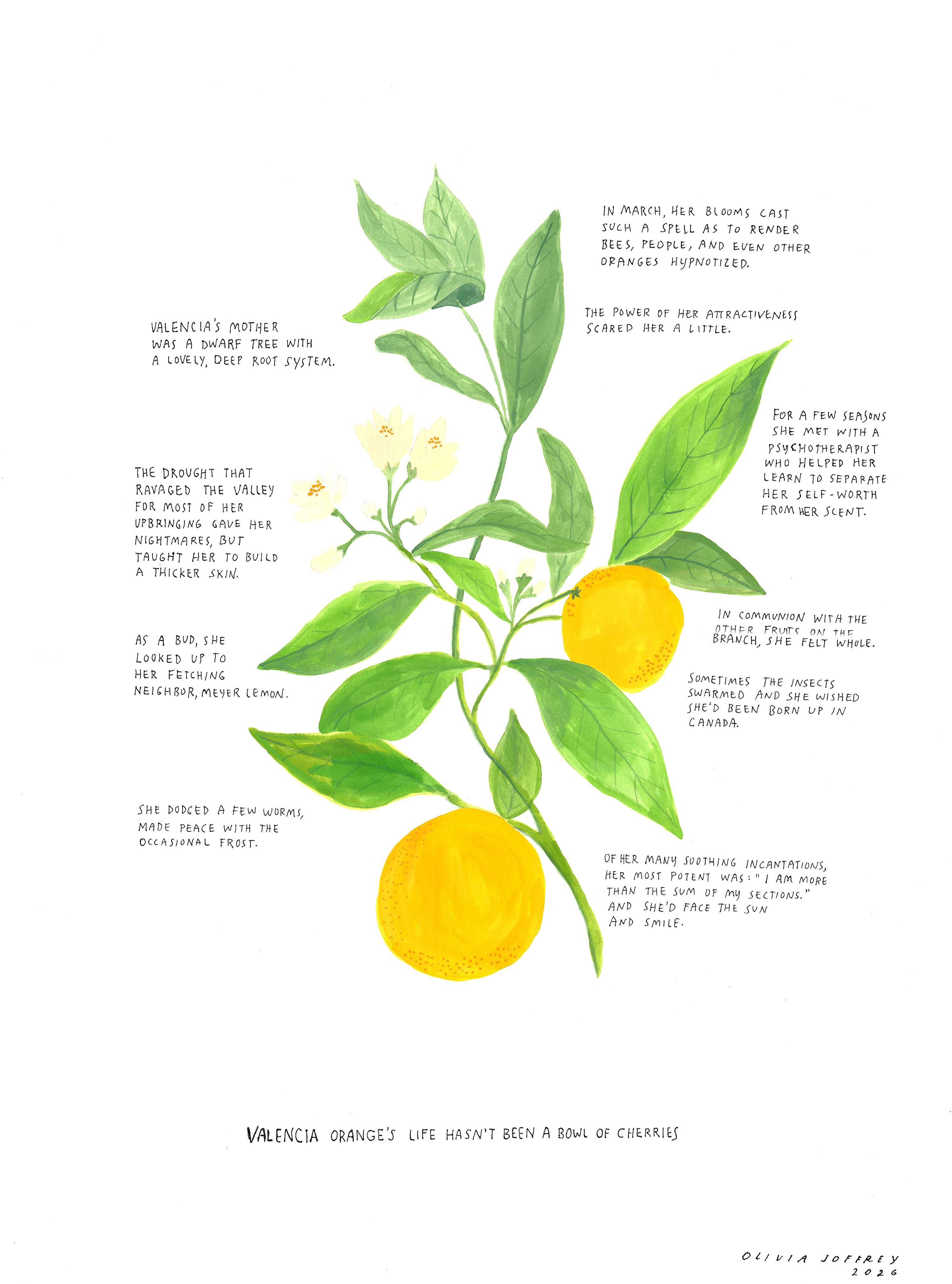
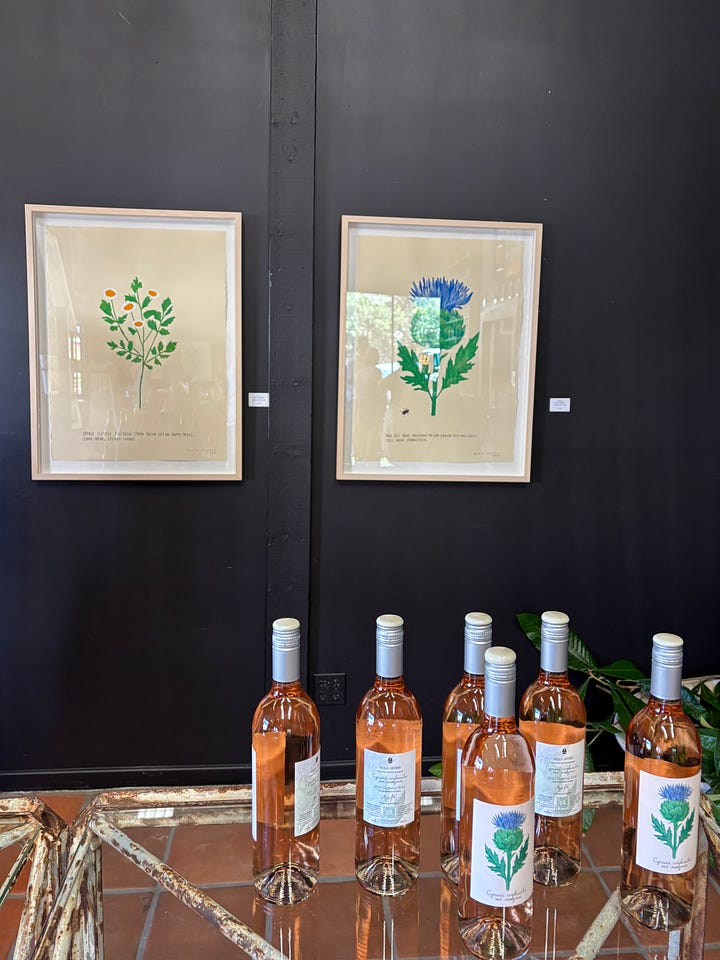
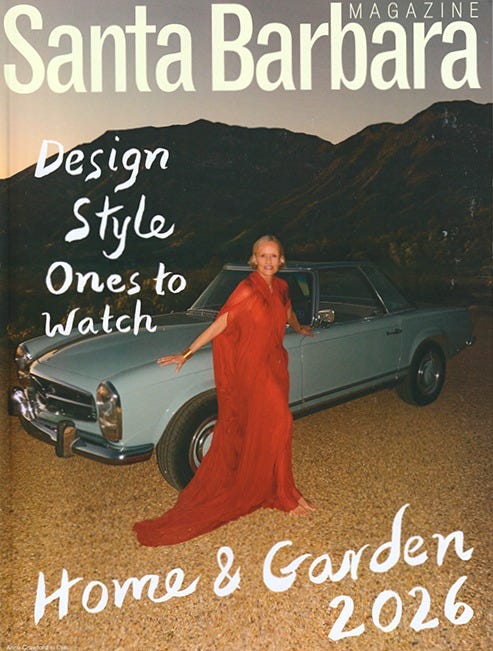
Only a few days after seeing Hana-Lee, I met Bion & Anna Rice of Artiste Winery & Gallery at a party. They’d been tapped by Santa Barbara Magazine to create a series of limited edition wines for the 50th anniversary of the magazine. Each of the magazine’s four cover artists created wine labels, me included. My Spring 2025 House & Garden cover — a gouache illustration of a Spanish colonial house — graced the label for a bottle of rose. Anna Rice & I spoke about the tender state of California’s wine industry and hatched a plan to work together on a celebration of our region’s wine agricultural heritage. For a year I mulled on this concept, looking for the most intimate non-preachy way to communicate this allegiance between agriculture, wine, and place. It occurred to me to personify local plants – are they not like our beloved family members, the California poppy, an artichoke plant? The result was an art show, nine large format botanical paintings with prose entitled Plants are People Too, that also feature labels for three of their wines. The show is up until June 30, 2026 at their tasting room and gallery in Santa Ynez. To see a list of works with prices click the button below.

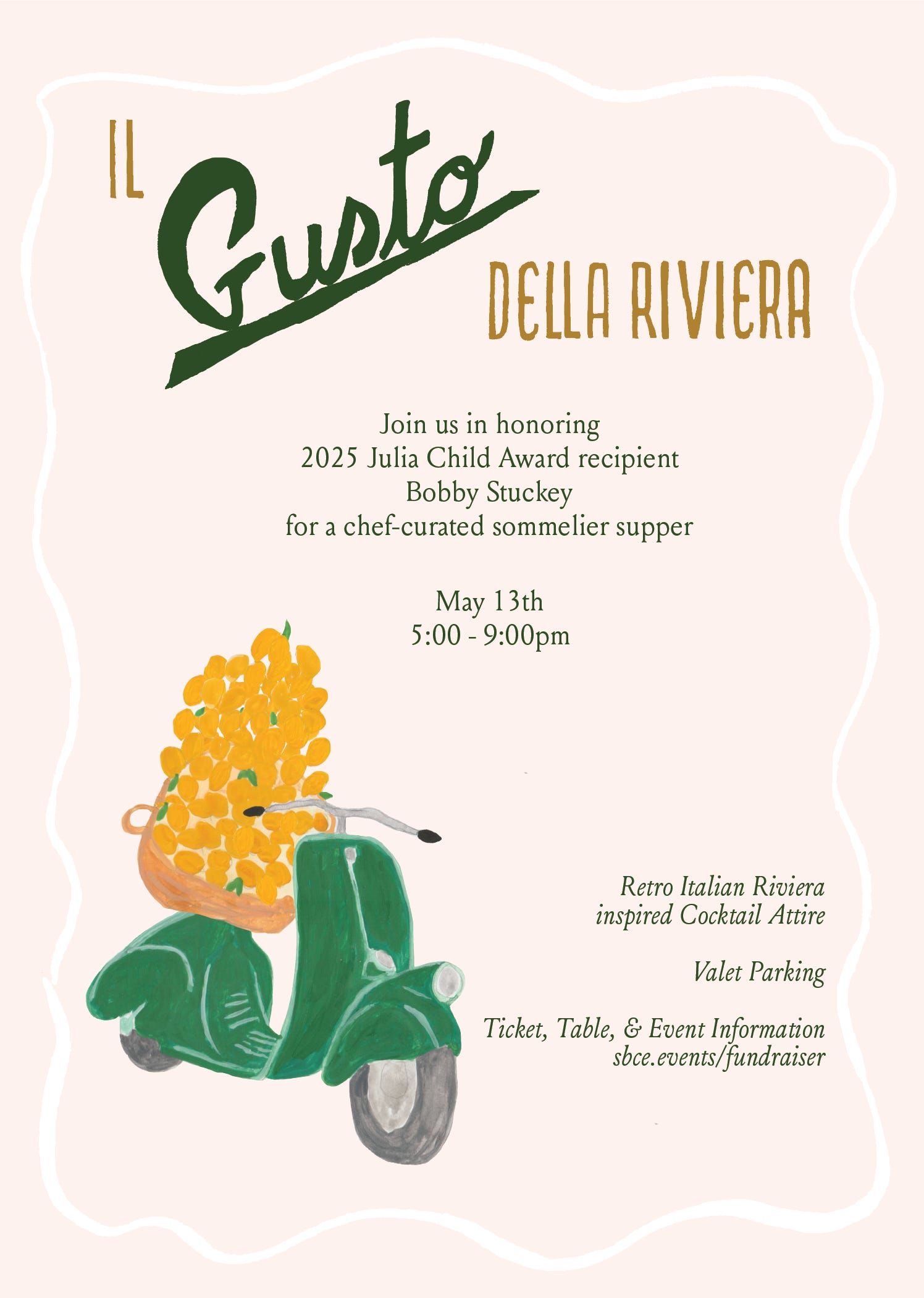
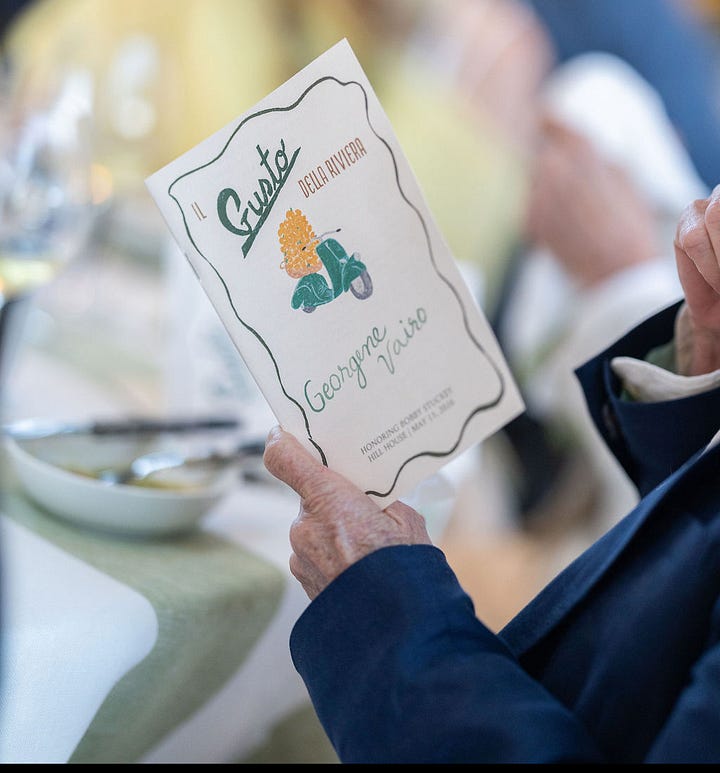
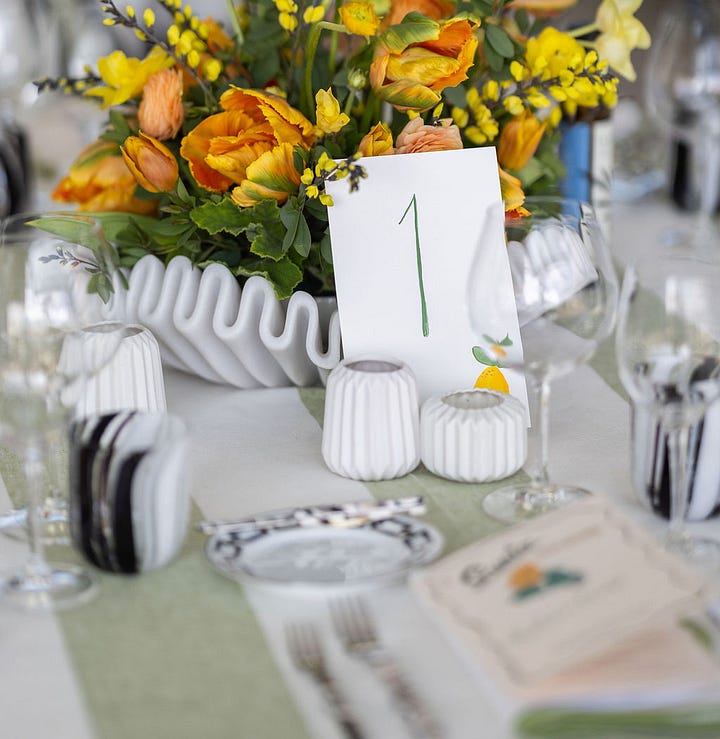
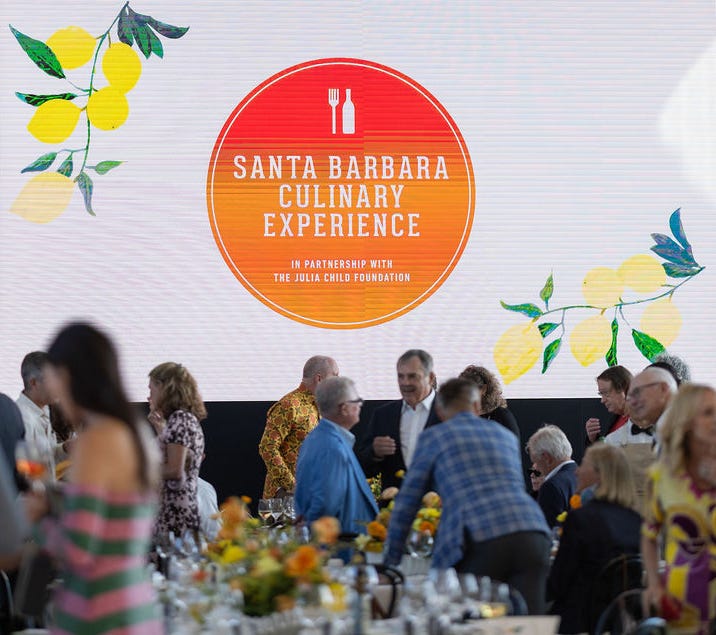
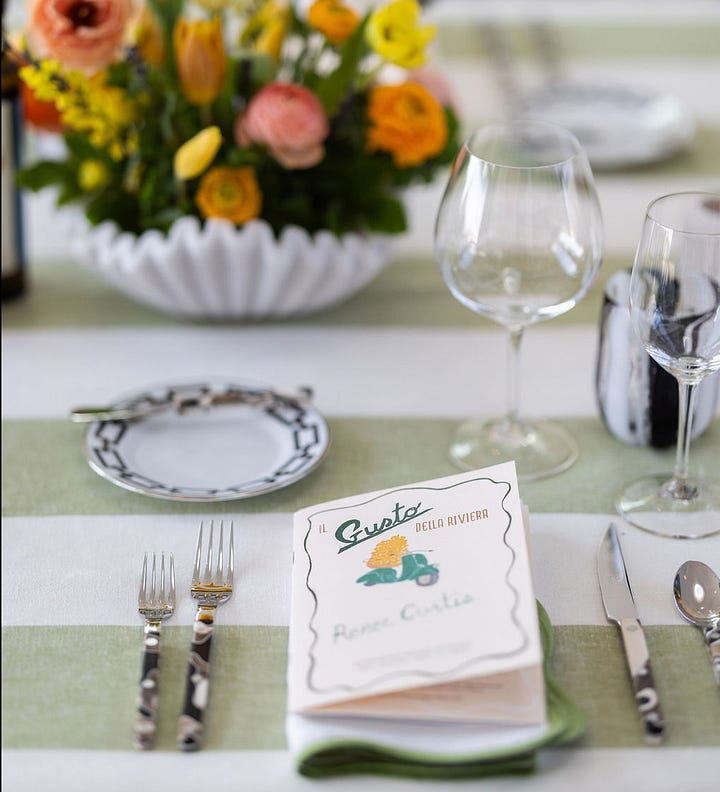
A second recent studio project, for the The Santa Barbara Culinary Experience — a project of The Julia Child Foundation for Gastronomy and the Culinary Arts (Julia was a beachtown bohemian for years) — involved creating a complete visual identity for the nonprofit’s annual gala at a local hillside estate. Chaired by Val Rice, the Montecito author of Lush Life: Food & Drinks from the Garden, the mood of the event was to be Italian Riviera — inspired by elements of Italy and California’s parallel citrus-and-ocean-spray sensibilities. I loved contributing to this organization’s work — their mission is to “shine a light on our local culinary, hospitality, tourism, artisan, and small business communities.” They also make grants to local organizations making a difference in Santa Barbara County’s food system. From the photos it looked like an extraordinary party, packed with people who feel the same passion for our state’s cultural legacy of agriculture and beautiful eating and drinking.
These feelings about food, land and belonging formed early before I could articulate them. M. F. K. Fisher’s writing, however, coalesced these feelings into a sort of personal religion after I read her essay “Pacific Village” in a seminar in college called “Women’s Autobiography” (shout out to brilliant Dr. Carolyn Lougee.) Fisher, the lauded 20th Century writer of Consider the Oyster, confirmed my childhood observation that writing about food could be a serious and yet totally joyful literary genre. The New York Times credits Fisher with creating "a whole language of food — a syntax, a rhetoric, a poetry of eating." Thirty years later she is still one of my favorite writers. If you want a great story about taking a streetcar from Whittier to Laguna Beach (before the advent of LA freeways!) to go musseling, read As They Were. The same sacred real estate in my head is occupied by late Pulitzer Prize winning Los Angeles Times food critic Johnathan Gold. Yes, yes, I can see a pattern emerging… Food and land and self. Identity and ritual and memory. I’m going to keep making art in this arena — I love it so much I could eat it.
I love getting creative with clients, like this fresh lettering project for Santa Barbara Magazine. Please send a note if you or your business would like to create some illustration or copywriting magic in 2026.
Beachtown Bohemia is paywall free. You can support me by liking this post (heart button at the top) and sharing it with anyone you feel would appreciate it.

Comments
Nothing yet. Say the first thing.
Sign in to join the conversation.