
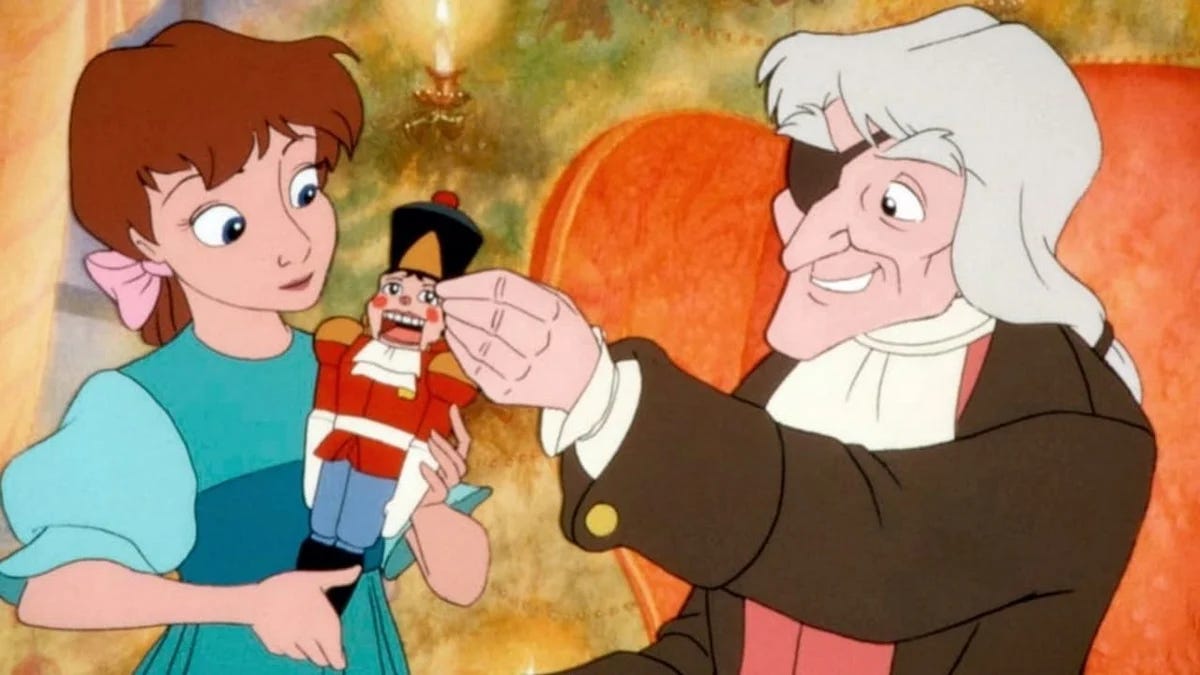
I believe the phrase “right person, wrong time” fits films and shows far better than it fits people, because in human relationships, it is mostly a comforting form of coping. It is a way to avoid interrogating why a relationship didn’t work, a vague romanticism that dresses up disappointment as inevitability, fate, but in media culture, it is a lens through which we can actually measure timing, reception, and resonance, because some stories do not fail due to poor quality, flawed execution, or lack of talent. They fail because the world was not ready for them, audiences were distracted, executives and companies were hesitant, or cultural appetites were unformed. In these cases, failure is a matter of environment, a temporal mismatch between the work and its space, which leaves brilliance unnoticed, unread, unstreamed, or flopped, only to be rediscovered years later with a shock of recognition. I can’t count the number of times I’ve watched films and shows and wonder why nobody else was obsessed with them.
We like to believe that good art rises naturally to the top, that quality is somehow self-evident and will eventually be rewarded on its own merits. This is a belief that is both deeply comforting and almost entirely false, because art does not exist in a vacuum but inside platforms, marketing strategies, audience maturity, cultural anxieties, and trends we insist on pretending are not trends, all of which decisvely shape whether something is seen, shared, dismissed, or buried; a film released in 2015 is not competing with a film released in 2023. After all, they are operating in different economies, different attention, different emotional and political landscapes, playing entirely different rules with different definitions of success, and this is why timing so often emerges as the real protagonist of cultural reception; the invisible hand that determines which works are canonised, which are prematurely written off, and which are only understood retroactively, years later, once the world has caught up to them. This imbalance is so consistent and structurally embedded that it cannot be dismissed as a coincidence, and it leads directly to my first case.
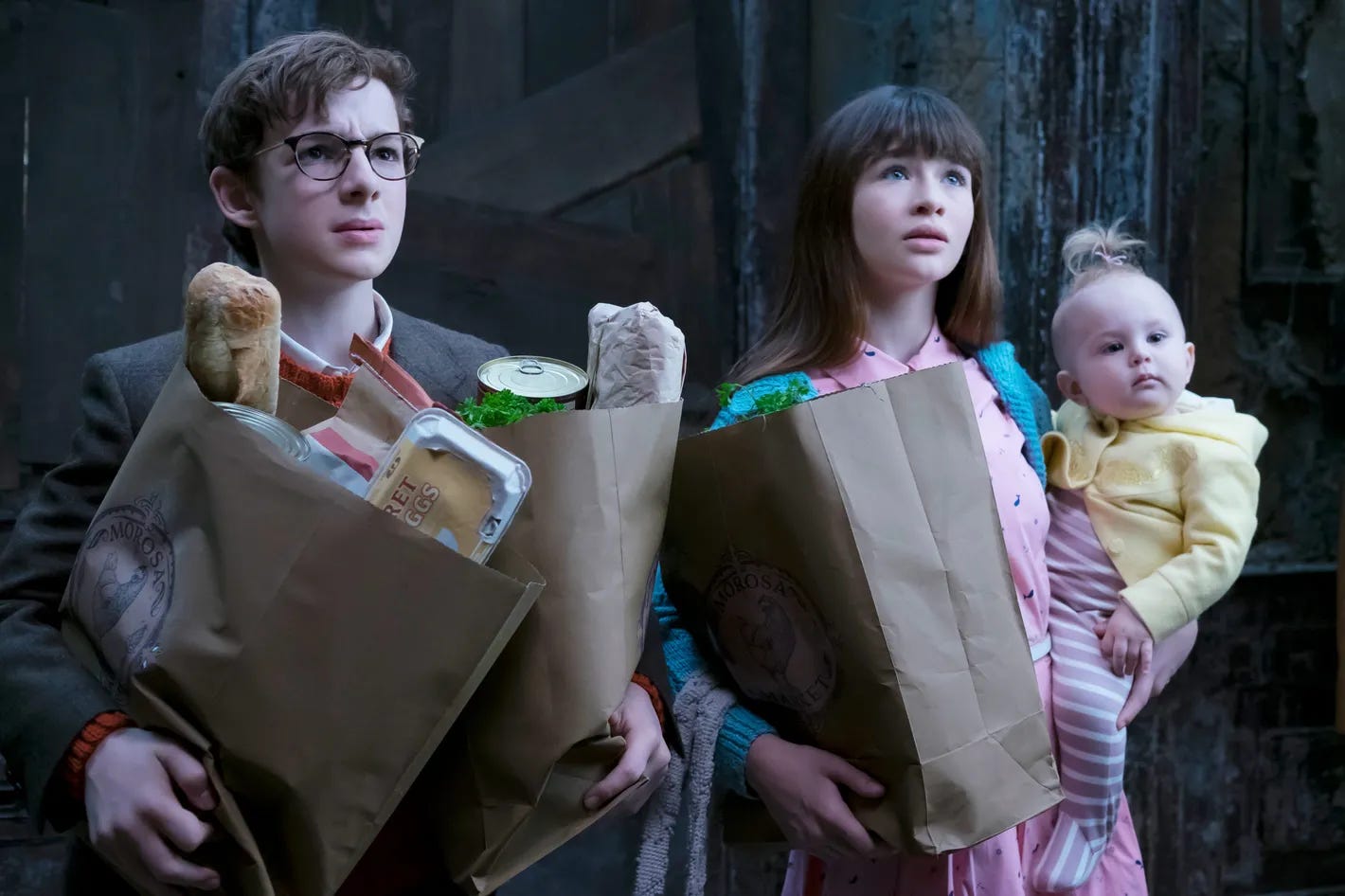
If A Series of Unfortunate Events had been released after Wednesday, it would have eaten it alive, and this is not nostalgia talking but pattern recognition at work because the comparison exposes how brutally timing determines cultural dominance. Wednesday was marketed as quirky and gothic, whereas A Series of Unfortunate Events is actually dark, absurd, nihilistic, and genuinely cruel. There is a difference between Hot Topic-coded rebellion and existential despair in tailored coats. Visually, A Series of Unfortunate Events is committed to meticulous set design, exaggerated theatricality, and a coherent aesthetic vision that felt narratively controlled, a Jim Carrey-adjacent absurdism without the chaos of Jim Carrey himself. Wednesday thrived on TikTok-ready moments that are moody enough to signal edge but polished to circulate endlessly online. Additionally, by 2022, nihilism had gone mainstream, trauma had become content, and viewers were once again primed for irony and emotional bleakness. A Series of Unfortunate Events walked so that Wednesday could run.
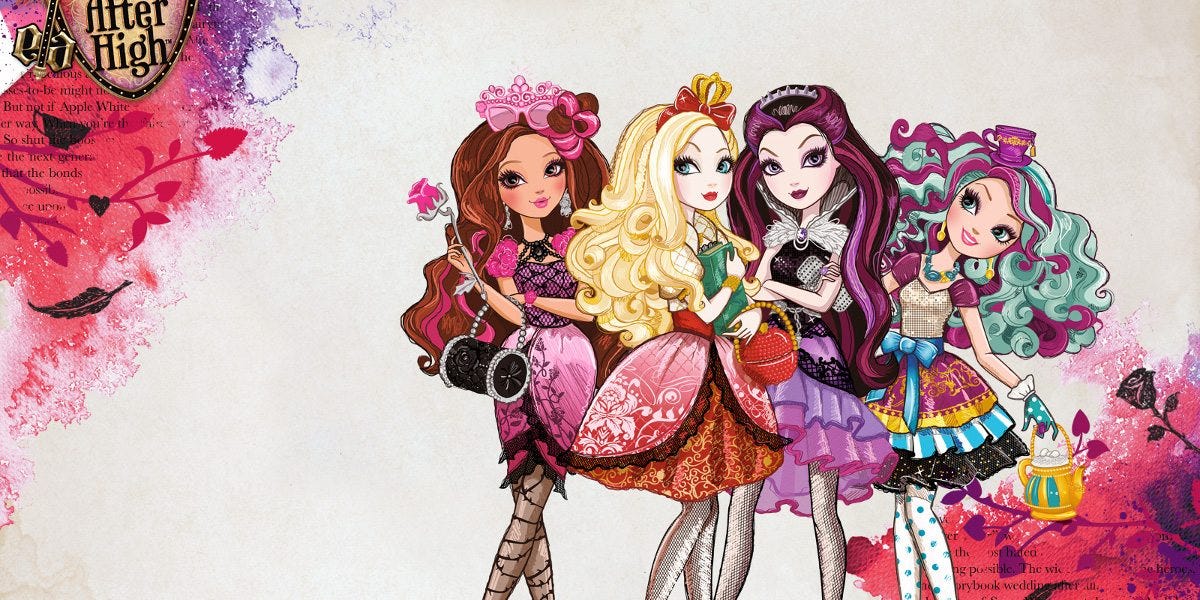
If Ever After High were released today, it would not merely enjoy a solid fandom or settle into cult-favourite status, but would become a full-blown phenomenon because its core concept of what happens when you refuse the narrative assigned to you is no longer niche or abstract but sits at the very centre of the 2020s dominant cultural anxiety. Ever After High asked questions that were surprisingly mature for a children’s franchise: what if destiny is just inherited pressure, what if tradition is a cage, what if choosing yourself costs you community. However, when Ever After High originally aired, Disney’s Descendants led to its cancellation, resulting in declining doll quality, Disney removing licensing for the princesses, and decreasing sales, which affected it. If it were released now, in a generation obsessed with reclaiming, rewriting, and interrogating inherited narratives, it would have been insufferably popular and deservedly so. Its themes would’ve endlessly dissected, its characters reframed as case studies, and its conceptual ambition finally met with the audience maturity it always required; right concept, wrong era, and a casualty of timing that was so stark.
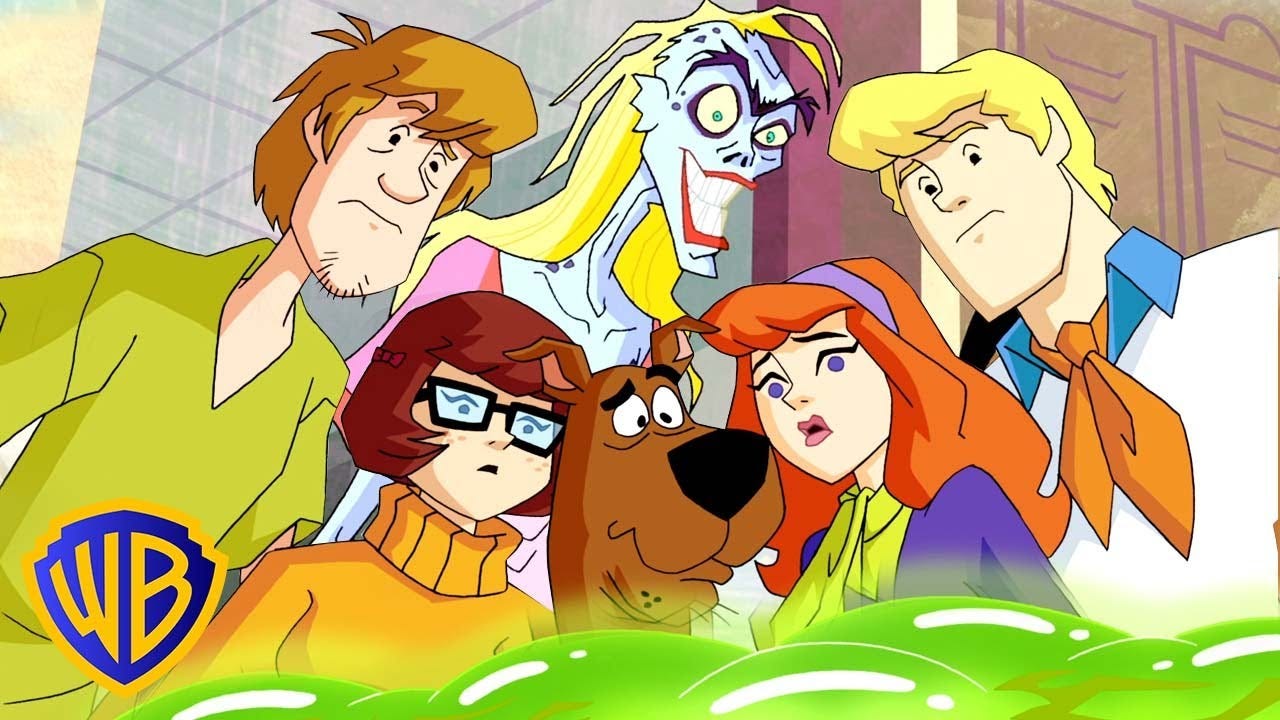
I am going to say something controversial and stand by it with my full chest: Scooby-Doo! Mystery Incorporated is the best Scooby-Doo interpretation ever made, not the funniest, not the most iconic, but the best, because it understood what adaptations are actually supposed to do, namely respect the original while refusing to be trapped by it, deepening the mythology, introducing serialised storytelling, and trusting its audience to follow long arcs, emotional continuity, and genuine stakes; it treated Scooby-Doo not as disposable episodic fluff but as a world worth investing in, and that ambition is precisely why it struggled in its moment, arriving when the franchise was still expected to reset every episode, when audiences were not yet fully acclimated to children’s media that carried lore, consequences, and tonal darkness, and when executives remained visibly nervous about cartoons that dared to be “too dark” or too narratively cohesive; released now, in a post-Gravity Falls, post-Over the Garden Wall cultural landscape where serialised animation is celebrated rather than feared, Mystery Incorporated would be praised as brillant, held up as a model of how to evolve legacy properties with care, but instead it was misunderstood, filed away as a strange experiment rather than recognised as a show operating years ahead of its audience.
Honourable mentions for Atlantis: The Lost Empire (2001) and Sleeping Beauty (1959); both films should’ve been successful and popular during their time. It’s such a shame they flopped.
“In my experience, sometimes a movie just hits at the wrong time, gets the wrong press, or gets the wrong representation, and it gets misunderstood.” — Willem Dafoe
No posts
Comments
Nothing yet. Say the first thing.
Sign in to join the conversation.