
I ran into someone last month at a pop-up in Indiranagar and she goes, “Wait, weren’t you at that karaoke night in January?” I was. I barely remembered her. Four months later, same room, different event, completely by accident.
Except it wasn’t an accident. The more I thought about it, the more I realised we kept ending up at the same kinds of things. Same circles, same part of the city, same energy. We didn’t plan to be in each other’s orbit. We just kept making the same choices about where to spend our evenings, and those choices kept putting us in the same rooms.
That’s when it clicked.
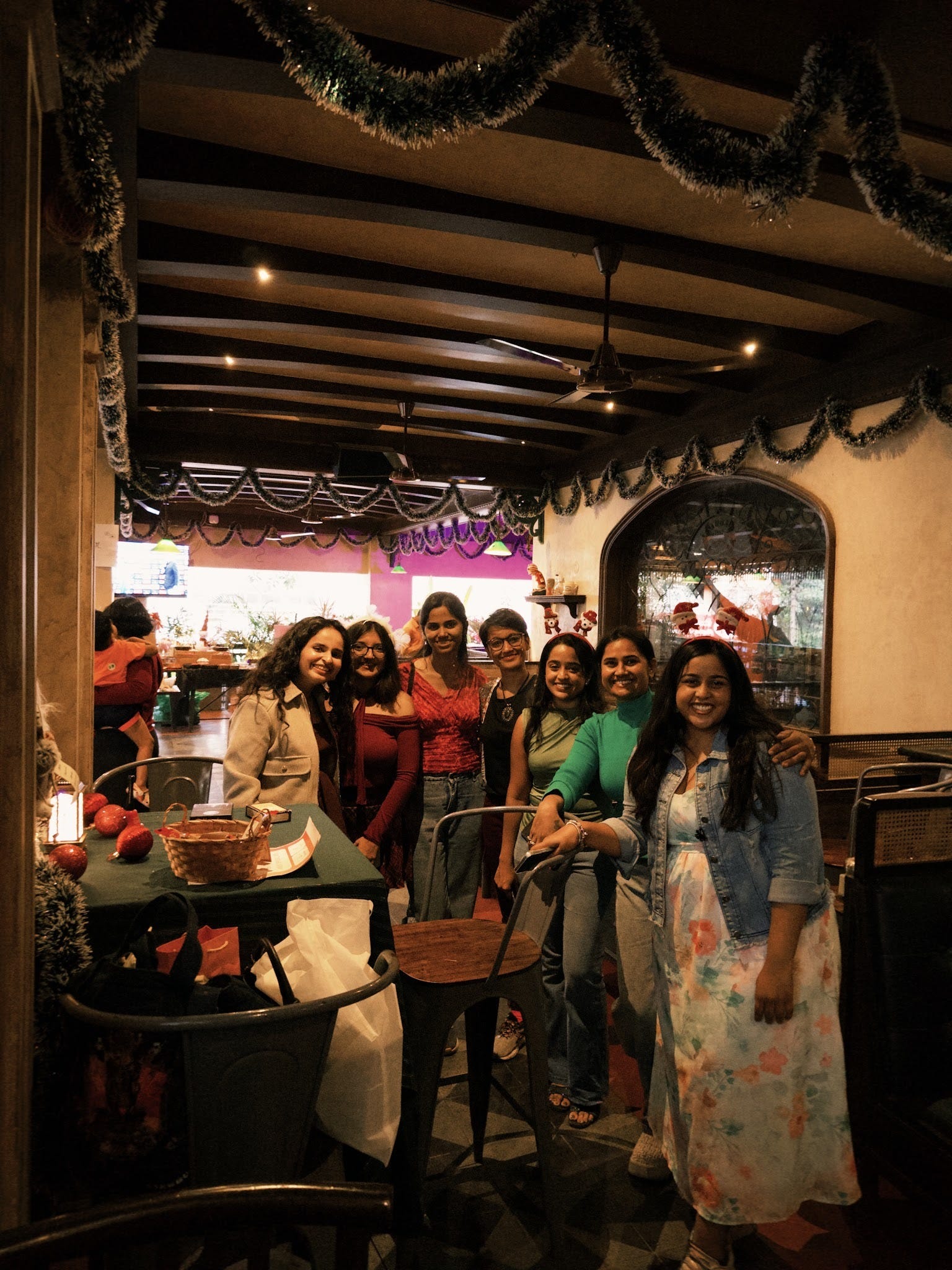
Your Instagram feed is just a mirror of everything you’ve ever tapped on. Every like, every save, every reel you paused on for three seconds — you trained it without realising. Nobody sits down and designs their feed. You just keep consuming, and over time the algorithm builds this hyper-specific version of the internet that’s basically a portrait of your habits. It knows you better than most of your friends do. Scary, but true.
Your offline life works the exact same way. You just never thought of it like that.
The rooms you keep walking into, the events you keep saying yes to, the hosts you keep going back to — you’re building an algorithm there too. Except this one doesn’t live on your phone. It lives in the people you end up surrounded by, the opportunities that randomly land in front of you, the ideas that pop up because you happened to be in the right room on a Tuesday night. You’re training it every single weekend — every time you pick a pottery class over a bar, a community dinner over Netflix, a stranger’s event over plans with the same five people. You’re feeding it data. And it’s feeding you back a life.
The difference between your online algorithm and your offline one? Instagram’s is designed to keep you on the app. Your offline algorithm actually changes your life. And I don’t mean that in some vague inspirational way. I mean it literally.
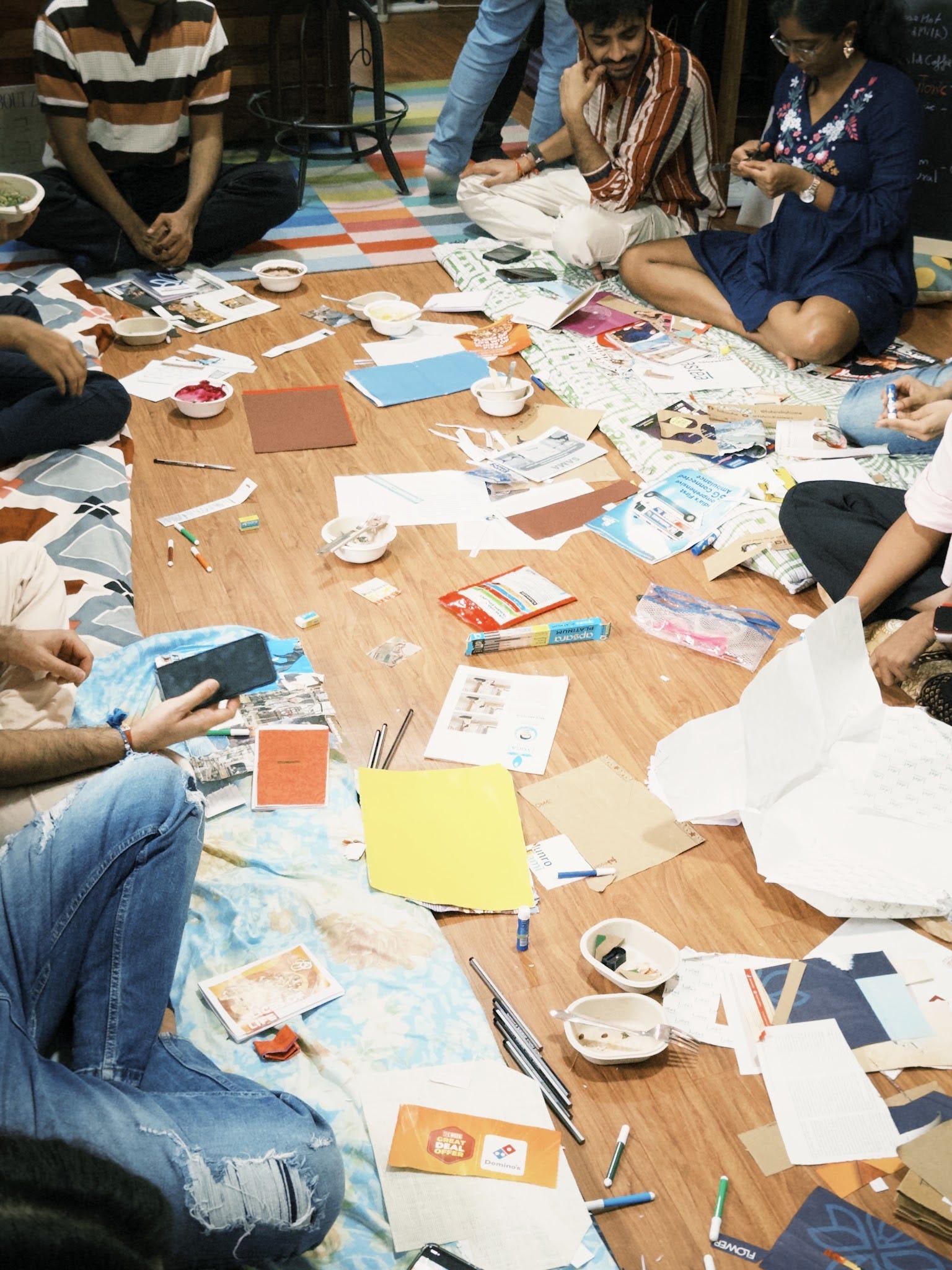
The wild part is that I’ve actually watched this happen. Up close, repeatedly, across hundreds of events.
I know people who found co-founders because they kept showing up to the same Wednesday evening thing. Not at some networking event with lanyards and bad coffee — at a casual weekly meetup that neither of them took seriously at first. They just kept going because the vibe was good, and somewhere around week six they realised they’d been circling the same idea from different angles.
I know couples who met because a host sat them next to each other at a dinner. Not a dating event. Just a dinner. The host noticed they’d both come alone and made a call. That call changed two people’s lives. The host probably doesn’t even remember doing it.
I’ve seen two strangers grab chai after a workshop and come back a month later with a full collab — a dinner where you make your own plates first. Nobody planned that on a spreadsheet. It happened because they kept choosing the same rooms.
And it keeps compounding. That’s the thing nobody tells you. A pottery founder meets a supper club host at someone else’s event. They vibe, exchange numbers, grab chai the next week. A month later they’re running something together. Both their audiences show up. Now someone who came for pottery discovers the supper club. Someone from the supper club tries a sound bath the pottery founder recommended. Someone from the sound bath ends up at a book swap that someone at the supper club mentioned in passing. The circles keep widening. Not because anyone ran an ad or posted a reel or had a marketing strategy. Because people who trust each other said “you should check this out.”
That’s literally how the experience economy grows. Not through budgets or growth hacks or influencer partnerships. Through people being in proximity long enough to trust each other, and then building something together. Every interesting collab I’ve seen this year started the same way — two people were in the same room, and one of them said “we should do something.”
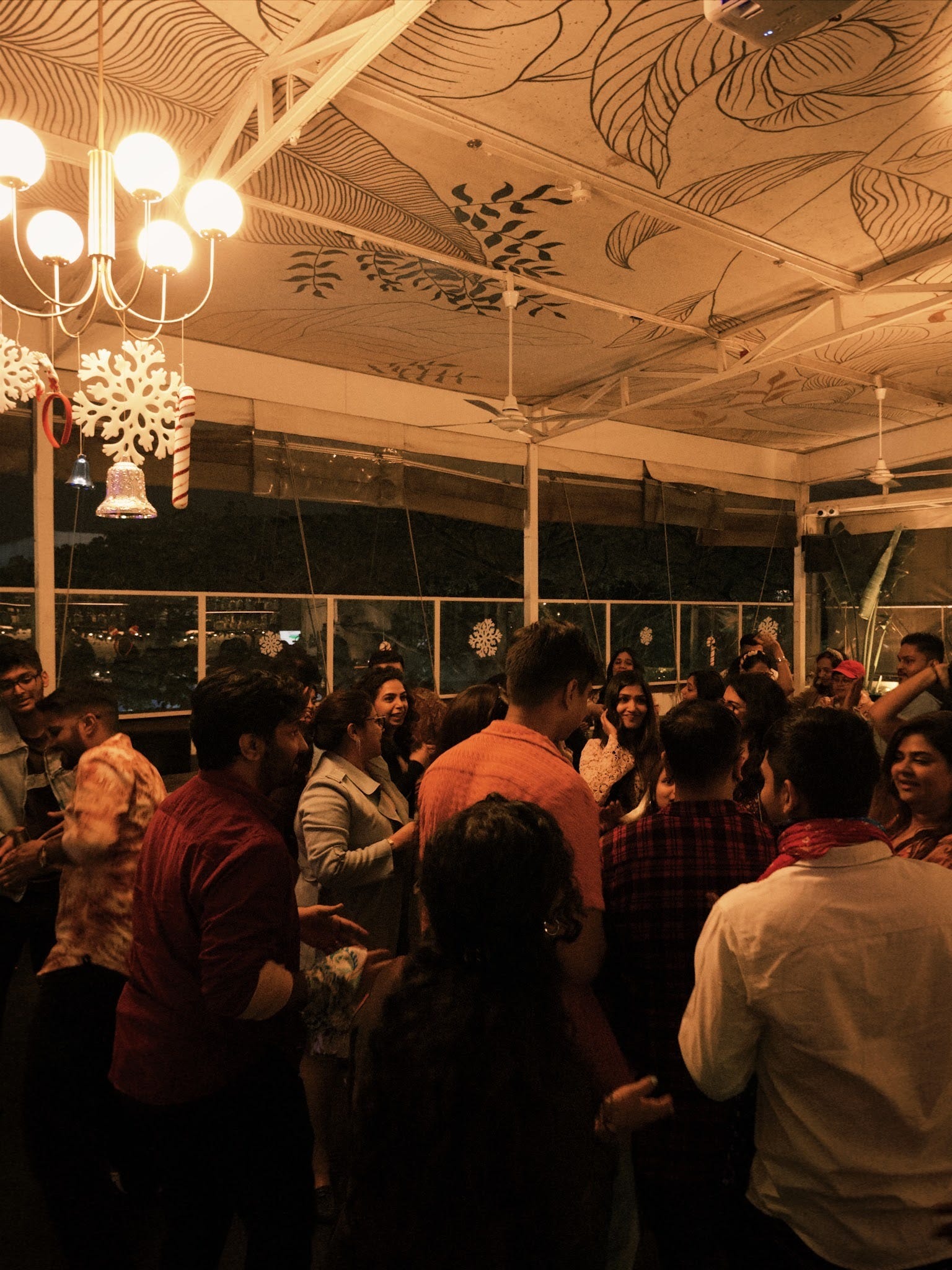
And here’s the part that lowkey bothers me.
We’re SO intentional about our online consumption. We mute people, we unfollow accounts that annoy us, we curate our explore pages, we have strong opinions about what belongs on our feed and what doesn’t. We get that what we scroll through shapes how we think. We treat our online inputs like they matter — because they do.
But our weekends? We’re so passive about them. We go wherever someone suggests. Same restaurants with the same friend group every Saturday. Same routine. Someone says “let’s do something” and we end up at the same four places we always end up at. We don’t think of our offline time as something we’re actively training. We don’t think of the rooms we walk into as inputs that shape our outputs.
But they are. Every event you go to, every conversation you stay for instead of dipping early, every time you say yes to something where you don’t know anyone and it feels slightly uncomfortable — you’re feeding your offline algorithm. And unlike Instagram’s algorithm, this one doesn’t sell your attention to advertisers. It doesn’t optimise for engagement. It just quietly builds you a life. Introduces you to people. Opens doors you didn’t know existed. Gives you stories you actually want to tell.
I started being more intentional about this a while back. Saying yes to things I’d normally skip. Going to events alone — which, if you haven’t done it, is genuinely one of the most uncomfortable and rewarding things you can do. Staying an extra thirty minutes instead of leaving when it got comfortable. Talking to the person next to me instead of checking my phone. Small shifts. Not dramatic.
And the difference is wild. The people I’ve met in the last six months, the ideas I’ve been exposed to, the things I’m working on now — almost all of it traces back to a room I almost didn’t walk into. A Thursday I almost skipped. A conversation I almost didn’t start.
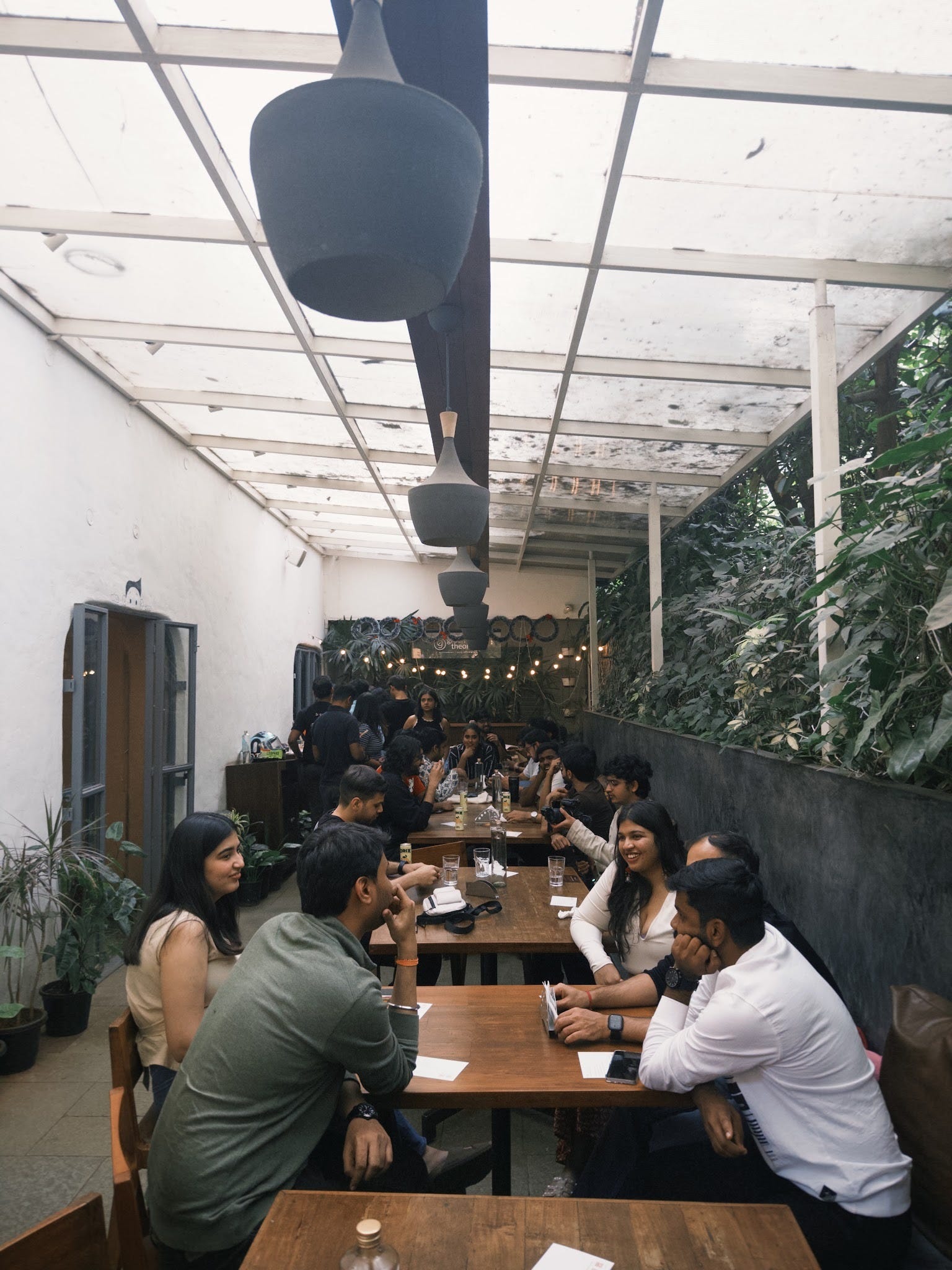
So yeah. Show up to things. Different things. Weird things. Things where you don’t know anyone and you feel slightly out of place. That discomfort? That’s the algorithm working. That’s how the interesting stuff starts.
Your feed will never introduce you to your next co-founder. A room might.
Train your offline algorithm. It’s the only one that actually matters.
If you’ve experienced this — a friendship, a collab, a whole new chapter that started because you kept showing up to the same room — I want to hear about it. Reply to this email.
Thanks for reading The Touch Grass Collective ! Subscribe for free to receive new posts and support my work.
No posts
Comments
Nothing yet. Say the first thing.
Sign in to join the conversation.