
I used to spend hours planning my Clash of Clans base.
Not playing. Planning. Sitting there thinking about where to put the cannons, how to arrange the walls, which troops to train for the next attack. There was a whole strategy to it. You had to think three moves ahead. You had to coordinate with your clan, actual people, real conversations, shared goals. You won together or you lost together. And when you lost, you rebuilt. No shortcuts. Just figure out what went wrong and try again.
I didn’t realise it at the time but that game was teaching me something. That the planning is part of the reward. That coordination with real people is how you actually win. That effort and outcome are supposed to be connected.
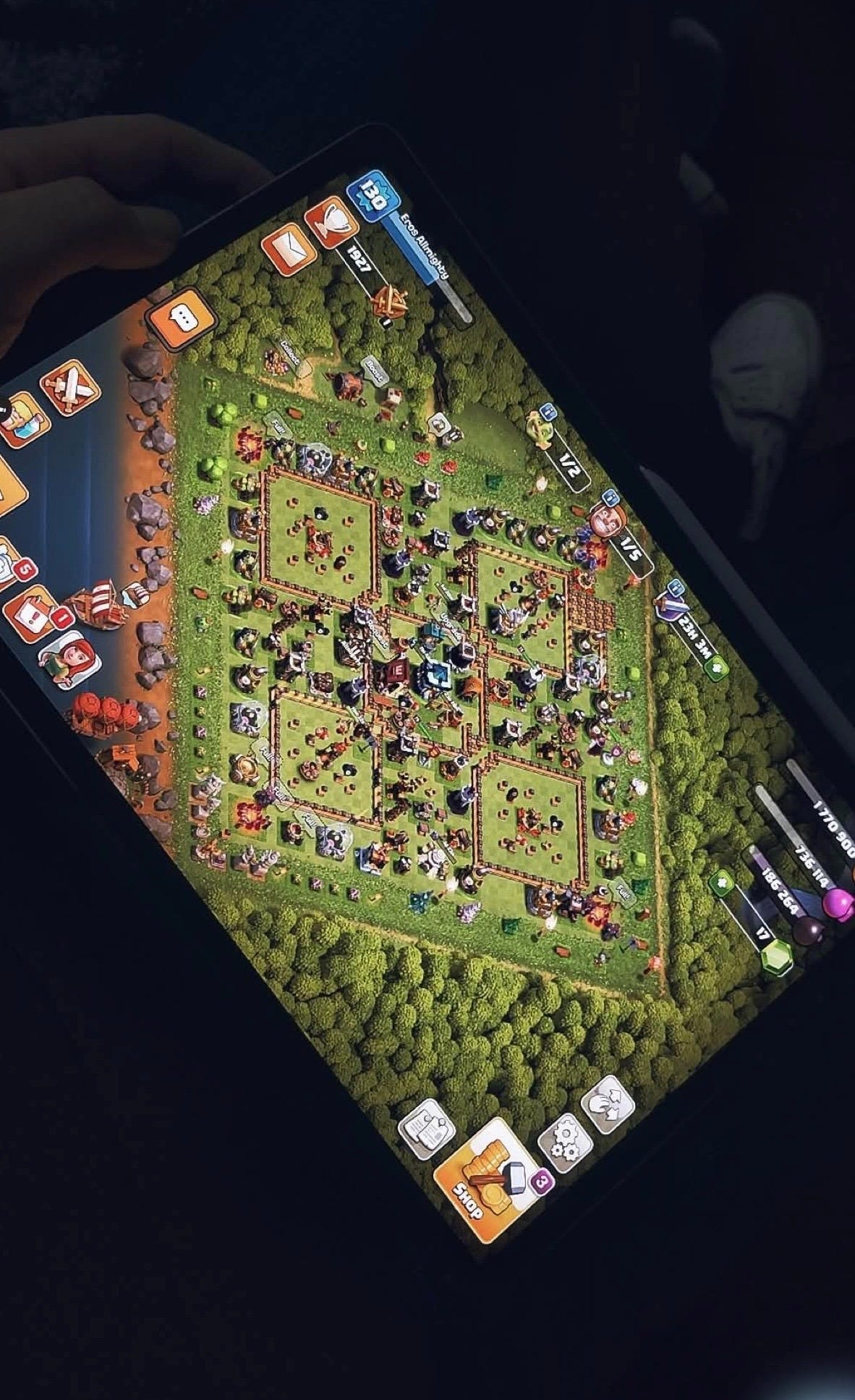
I thought about that this week when I saw a post going around about how 90s and early 2000s games shaped the way people think differently from today. The argument was simple: old games taught you to fail, restart, and keep going. Today’s games are designed to give you dopamine for just showing up. Log in daily. Collect your reward. Feel like you’re progressing. You don’t have to earn anything, the game is engineered to make you feel like you did.
And I kept reading it thinking this isn’t just about games. This is the entire internet.
Think about how most of what we consume online works now.
Instagram gives you likes for posting. TikTok gives you views for existing. Duolingo gives you a streak notification for opening the app. LinkedIn congratulates you for being “in the top 10% of connectors this week.” Every platform is running the same playbook to simulate progress, trigger dopamine, keep you coming back. You feel like something is happening. Usually nothing is.
The problem isn’t that these things are fun. The problem is that we’ve been so thoroughly trained by this loop that we’ve started applying it to real life too. We make a plan and feel like we’ve done the thing. We save a recipe and feel like we’ve cooked it. We follow a host on Instagram and feel like we’ve been to their event. The simulation of the thing is replacing the thing itself.
And slowly, without noticing, the tolerance for actual effort, the kind that doesn’t come with a notification, goes down.
Real experiences don’t work like this. And I think that’s exactly why they hit different.
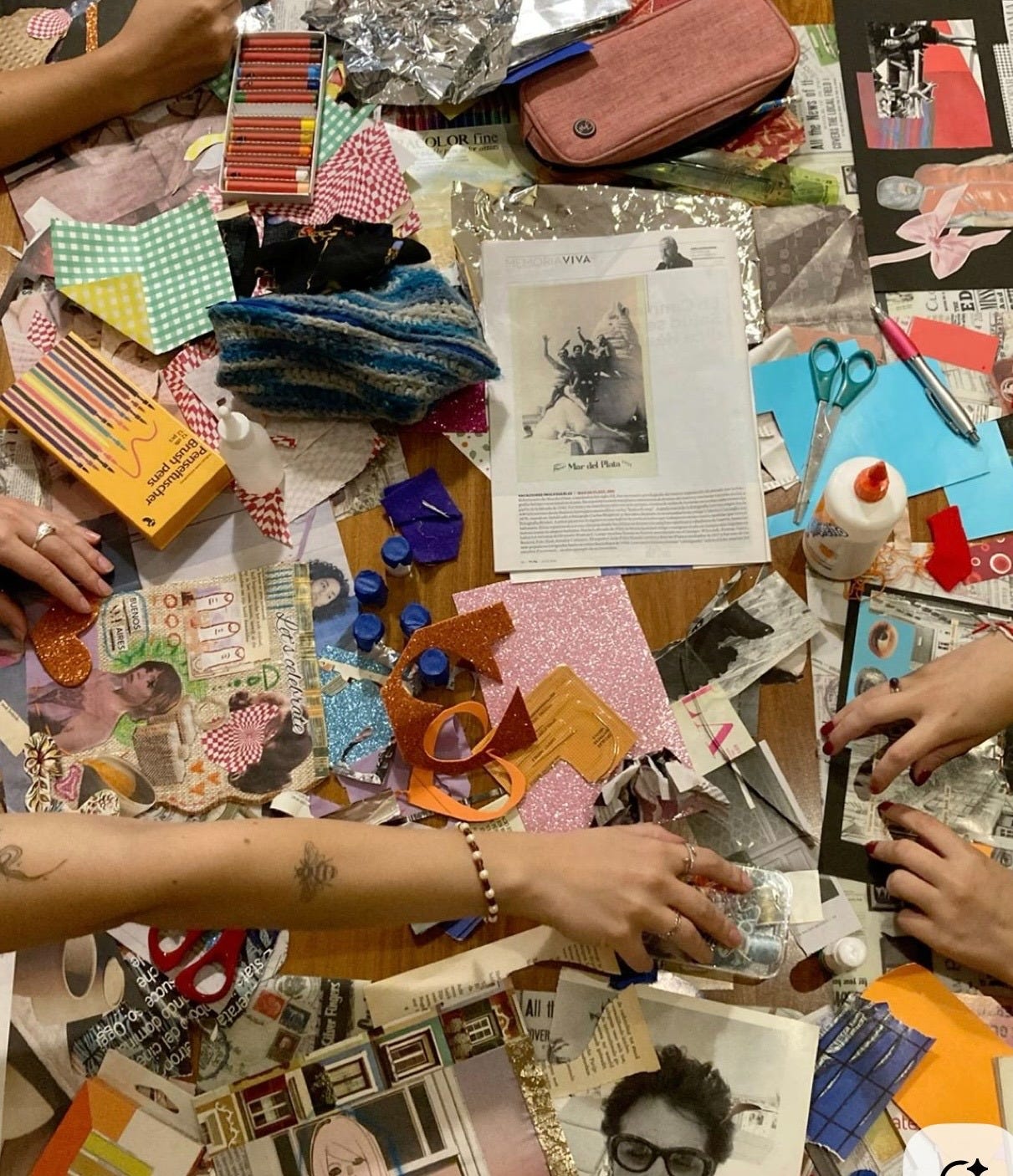
When you show up to something a pottery class, a supper club, a run club at 7am, a room full of strangers, there’s no algorithm making it comfortable for you. Nobody’s nudging you toward the next step. The discomfort is real. The awkward first five minutes are real. The conversation that goes somewhere unexpected is real. The reward at the end of it, the feeling of having actually been somewhere, actually connected with someone, is real because the effort was real.
You can’t get that from a notification. You can’t simulate it. You have to show up in person and let the room do what rooms do.
The Clash of Clans thing comes back to me because of the clan part.
The actual game was fine. But the reason I was so invested was the people. The clan chat. The coordination. The shared wins. The guy in Singapore who had a completely different attack strategy but it somehow worked. The feeling that we were building something together, even if it was just a fictional village on a phone screen.
That feeling didn’t come from the game’s algorithm. It came from real people choosing to show up and coordinate. The game was just the room. The people made it real.
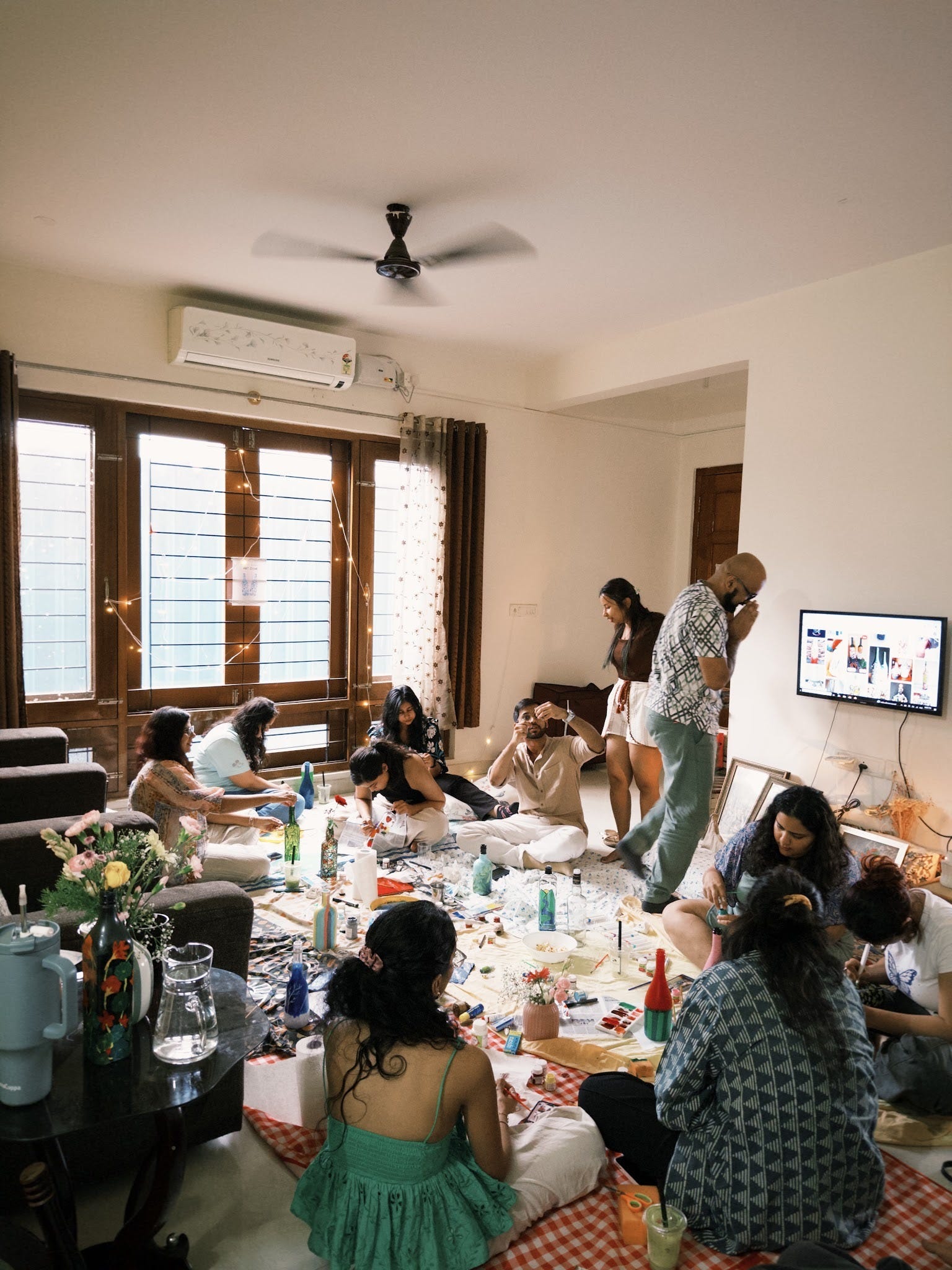
That’s what offline experiences are. A room where the algorithm can’t reach you. Where the effort is yours, the discomfort is real, and the reward actually means something because you didn’t just log in to collect it. You showed up, stayed present, and let something happen.
We built Offlyn because we kept seeing people who wanted that, who were tired of the simulation, tired of following things and saving things and watching things and never actually doing anything. People who wanted to be in a room, not just watch one through a screen.
And we kept seeing hosts who wanted to build those rooms but didn’t have the infrastructure to do it properly. So we built the infrastructure. The ticketing, the venue connections, the brand partnerships, the whole stack. So that the people who want to create real experiences actually can.
The game reward feels good for about thirty seconds. The memory of a really good night out lasts a lot longer.
Log off. Show up somewhere. The planning is part of the reward, I promise.
If this hit close — reply to this email. Or if you’re thinking about hosting something real, we want to hear about it.
Thanks for reading The Touch Grass Collective ! Subscribe for free to receive new posts and support my work
No posts
Comments
Nothing yet. Say the first thing.
Sign in to join the conversation.