
I’ve been giving people the safe version of this idea. The version that sounds reasonable at a dinner party. But the gap between what I’ve been saying and what I actually believe is getting too wide. So here it is.
Something massive is about to happen to how we spend our time, our money, and our weekends. And almost no one is talking about it.
What did you do last Saturday?
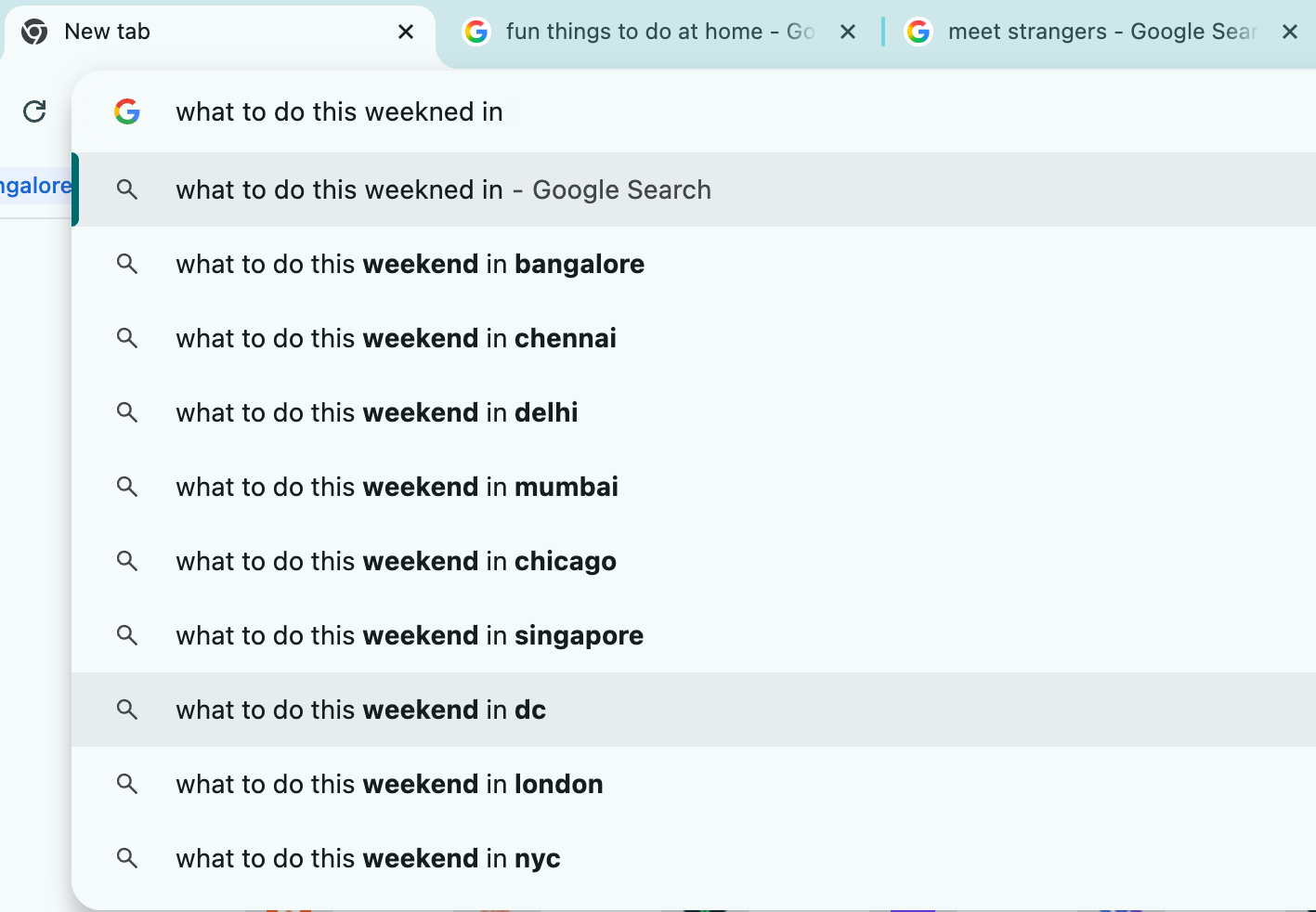
If you’re like most people in Bangalore, Mumbai, or Delhi, you probably scrolled through Instagram for an hour trying to find something to do. Maybe you ended up at the same brewery you’ve been to fourteen times. Maybe you stayed home. Maybe you made plans that fell apart in the group chat.
Now - what do you wish you had done last Saturday?
That gap is where a billion-dollar shift is hiding.
The thing nobody’s connecting
AI is getting absurdly good. Not “oh cool, it can write a poem” good. It’s replacing real work that real humans used to do. This isn’t some distant 2035 timeline. Companies are shipping products with a quarter of the headcount they needed two years ago.
Everyone talks about job loss, re-skilling, policy. But almost nobody is talking about the other side of that equation.
If AI handles the tedious parts of work - and eventually, a lot of the non-tedious parts too - people gain something we haven’t had at this scale in human history. Time. Not retirement time. Not unemployment time. Freed-up, creative, alive, what-do-I-actually-want-to-do-with-my-life time.
And when millions of people suddenly have that time, the answer isn’t going to be “more screen time.” It’s going to be the opposite.
The experience economy is already knocking
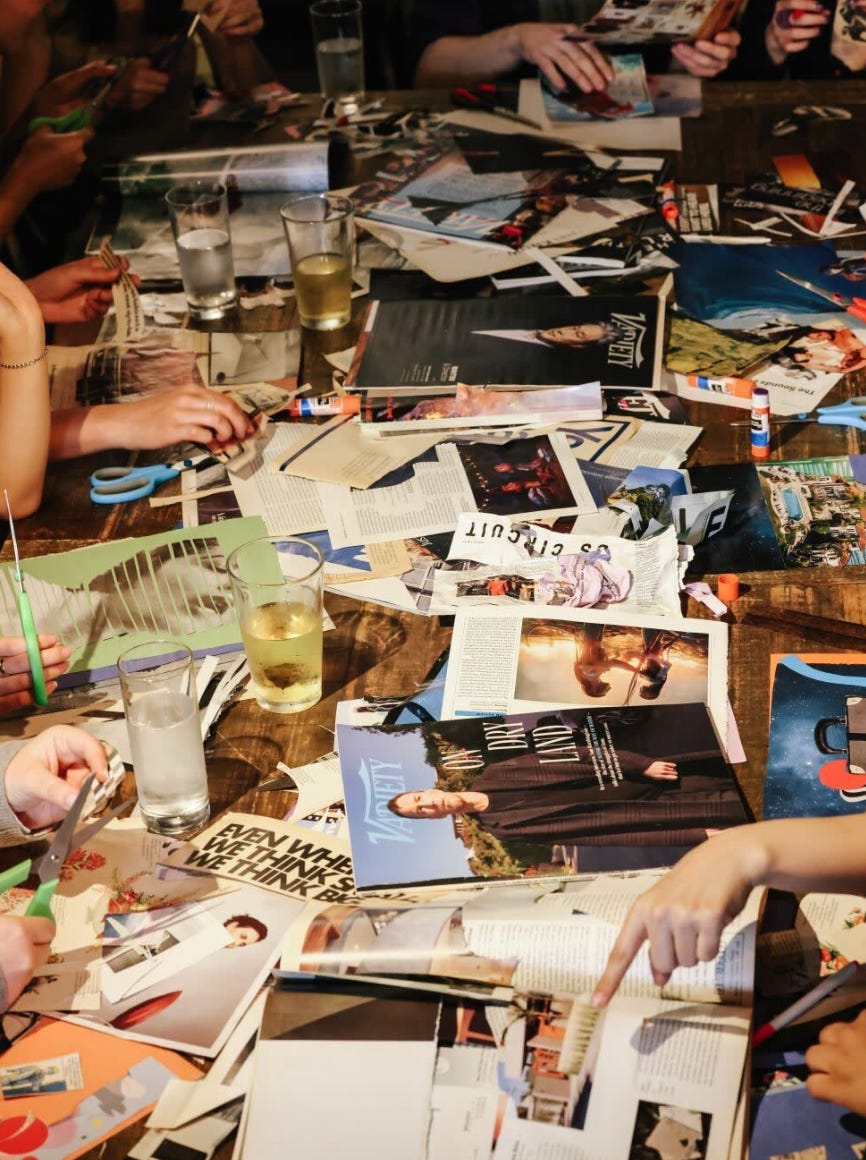
Look at what Gen-Z spends money on. It’s not cars. It’s not houses (they can’t afford those anyway). It’s concerts, supper clubs, pottery classes, curated workshops, rooftop yoga/fitness mixers.
This isn’t a trend. This is a generational rewiring of what “spending” means.
Now layer the AI shift on top of that. A generation that already values experiences over possessions - about to get dramatically more free time, more creative energy, and more existential motivation to figure out what makes them feel alive.
What happens next? An explosion of experiences. Not created by companies or event management firms. Created by regular people. Your neighbour who’s obsessed with Japanese whisky hosts a tasting. A college student who loves astronomy organises a stargazing night. A home cook who makes the best biryani in Koramangala opens their kitchen on Sundays.
Everyone will be a host
We’ve already seen this movie. Ten years ago, “everyone will be a creator” sounded insane. Now your uncle makes YouTube videos and your 19-year-old cousin has a podcast with more listeners than most radio stations.
The same thing is about to happen with real-world experiences.
The barriers to hosting used to be enormous - venue, budget, promotion, ticketing, logistics. But those barriers are dissolving. AI can help you plan an event in minutes. Social media gives you distribution. Venues are becoming flexible - cafes, terraces, parks, living rooms. The cost is approaching zero.
What remains is the one thing AI can’t do: the human part. The taste. The curation. The vibe. The reason twenty people show up to your thing and not someone else’s.
That’s the new currency. Not credentials. Not capital. Taste.
And India - with its density, its diversity, its 700 million people under 35 - is sitting on the biggest untapped experience economy in the world.
So where do you go to host something?
This is where the story gets frustrating.
Right now, in India, your options are listing platforms built for large event organizers and ticket sellers. Platforms where you create the experience, bring the people, do all the work - and then the platform charges you for the privilege of being listed.
The host creates the supply. The host brings the demand. And the platform takes a cut from the host. This is like charging the chef for letting them cook in your restaurant while the chef also brings all the customers.
These platforms were built for a world where hosting was professional. But we’re moving into a world where the host is the product. Where twenty people show up because Priya is hosting, not because it’s at some specific bar.
And for that world, there is no platform in India. Not one.
The math is simple
The constraint in the experience economy isn’t demand. Everyone wants to do cool things on the weekend. The constraint is supply. There aren’t enough people hosting. And you don’t solve a supply problem by taxing your suppliers. You solve it by making it irresistible to become one.
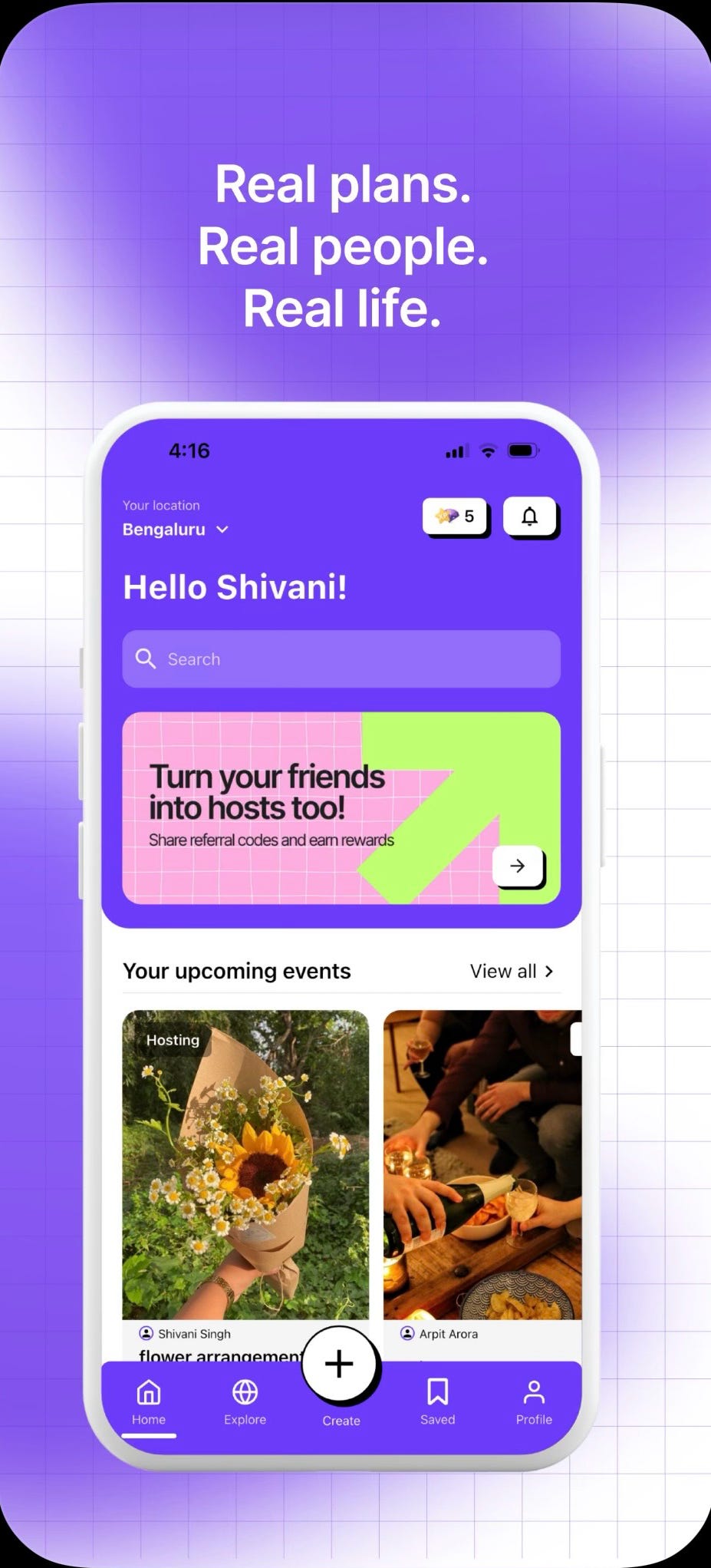
A host-first platform empowers hosts with tools, reach, and a way to build an audience. Make hosting so easy and so rewarding that more people host more things. That’s the flywheel.
What’s actually at stake?
This isn’t just a business opportunity. It’s a cultural shift.
We’re living through a loneliness epidemic. We crave connection but default to isolation. Mental health is collapsing, especially among young people. And the antidote isn’t another app that keeps you scrolling. It’s getting off your phone and into a room with other humans doing something that matters to them.
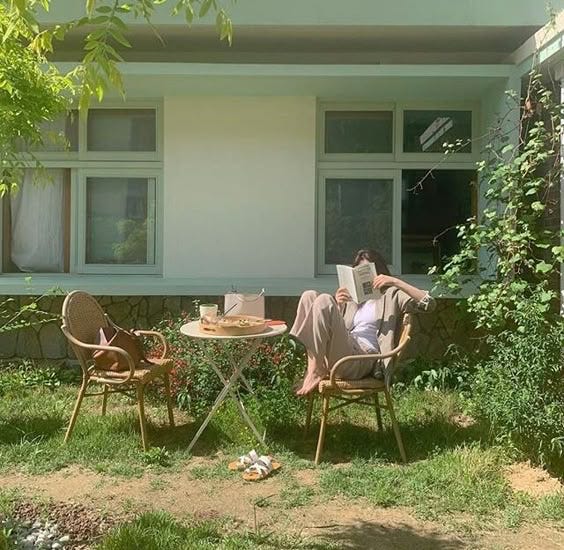
The irony is beautiful. The most advanced technology we’ve ever created might end up pushing us back toward the most human thing we can do: gathering together, in person, around something we care about.
So what now?
If you’ve been feeling this pull - to host something, create something, bring people together - the wave is real, and it’s early. You don’t need permission. You don’t need a platform (though a good one would help). You just need a thing you care about and the willingness to invite people into it.
And if you think this is just startup hype: go look at what happened with the creator economy. Everyone said it was a bubble. Now it’s a $250 billion industry. The experience economy is the same story, except it happens in real life, and the total addressable market is every human being who’s ever been bored on a Saturday night.
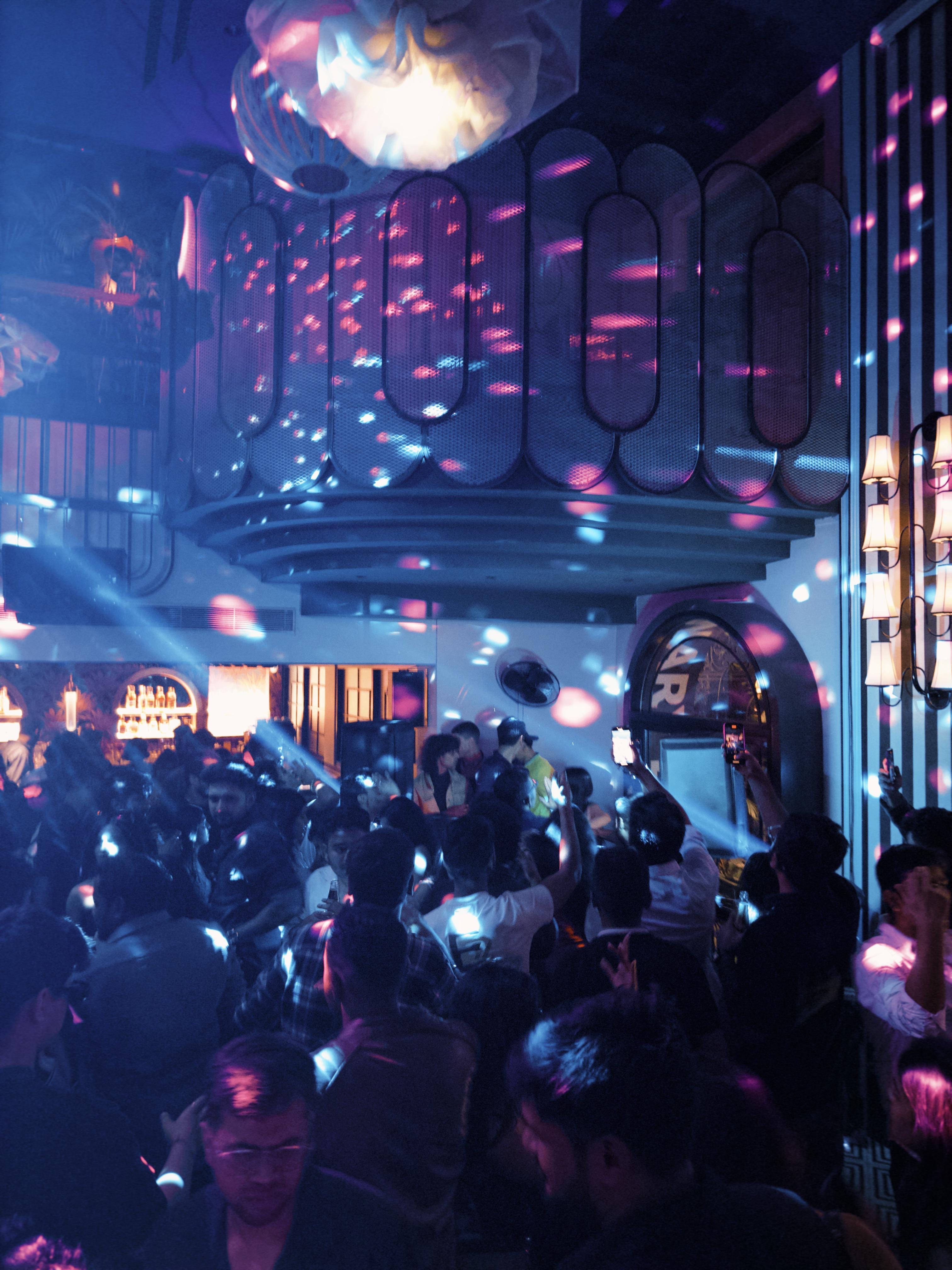
The infrastructure for this shift doesn’t exist yet. Not in India. Not really anywhere. But whoever builds the platform that truly puts hosts first - that treats them as creators, not inventory - will own the next decade of how people spend their free time.
The experience economy is coming. And nobody in this country is ready for it.
But we could be.
Article by- Arpit Arora
Co-founder Offlyn
No posts
Comments
Nothing yet. Say the first thing.
Sign in to join the conversation.