
A couple of months ago I told one of my besties, Billie — a creative director and podcast alumni — about this seasonal salon idea I had called The Thinking Room.
A hand-selected group of the highest minds we know or admire, getting offline and thinking out loud together in an era increasingly designed to think for us.
She got it immediately and agreed it’s the exact thing we need right now — an invitation to put the phone away and connect on intellect and ideas, not social media.
Over the last 15 years, Billie and I have had the distinct privilege of attending a lot of PR events. When we first met as beauty editors in 2011, we would attend five or more a week. For a few years there, I saw Billie more than I saw my husband.
The good thing about PR events is they know what they are — experiences designed to raise awareness about a new brand or product. The unspoken agreement if you attend is that you’ll feature the product and share the event on social media. Perfectly understandable given the amount of money that goes into them.
One day I will write about the wildest events I attended on behalf of the titles I used to lead but one that comes to mind that Billie also attended was a private dinner at a villa about 30 minutes outside of Milan. She was already in Milan for fashion week and the brand flew me and some other editor-in-chief types in for it. Andrea Bocelli performed, I sat next to May Musk (yes, Elon’s mum) and met Boy George on the balcony. My late mum was a huge Boy George fan and I either FaceTimed her or took a video of him and I for her, I can’t recall because Milan! Champagne!
But what this means, ultimately, is these events are engineered for content capture not connection. That’s not to say meaningful connections can’t be made, but it’s harder. You have to fight for conversations that go deeper than what you do for a living.
The Thinking Room is a response to this reality. As writers, creatives, creators, artists, founders, strategists and specialists, what would become possible for us if we gathered in a room designed for deep connection not content creation?
What would come online (conversations, ideas, collaborations) in the act getting offline together and putting our beautiful brains to work for each other?
Well, I’m here reporting back. Billie and I hosted our first Thinking Room on Wednesday, July 15, and it was a screaming success.
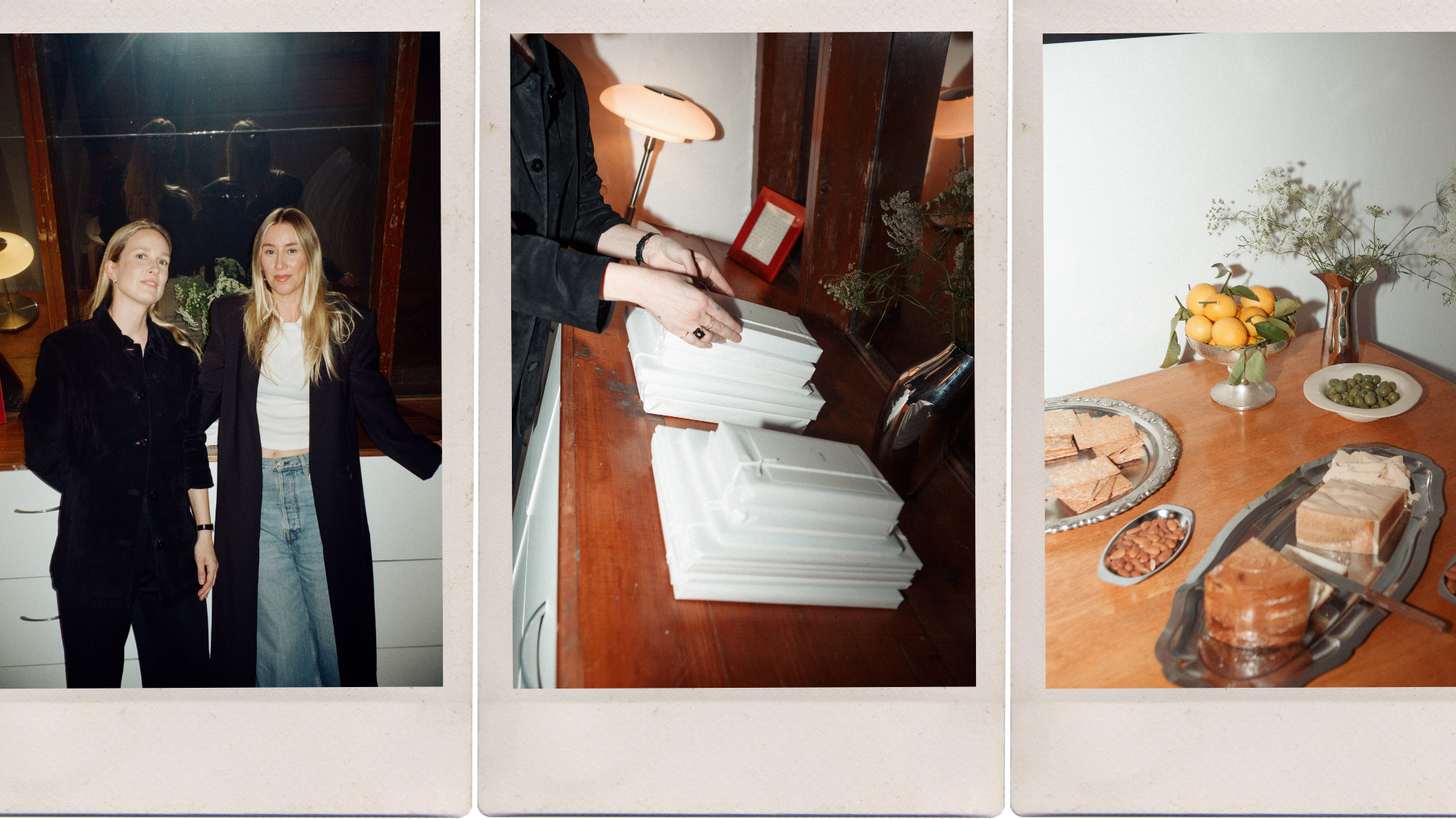
Each seasonal salon will have a different theme. We went back and forth on our theme for Winter 2026 but ultimately kept coming back to one of the most pressing and contentious topics in the age of algorithms and artificial intelligence: Taste, Curation & Creative Restraint.
We asked our guests to vote on their favourite provocation ahead of the evening:
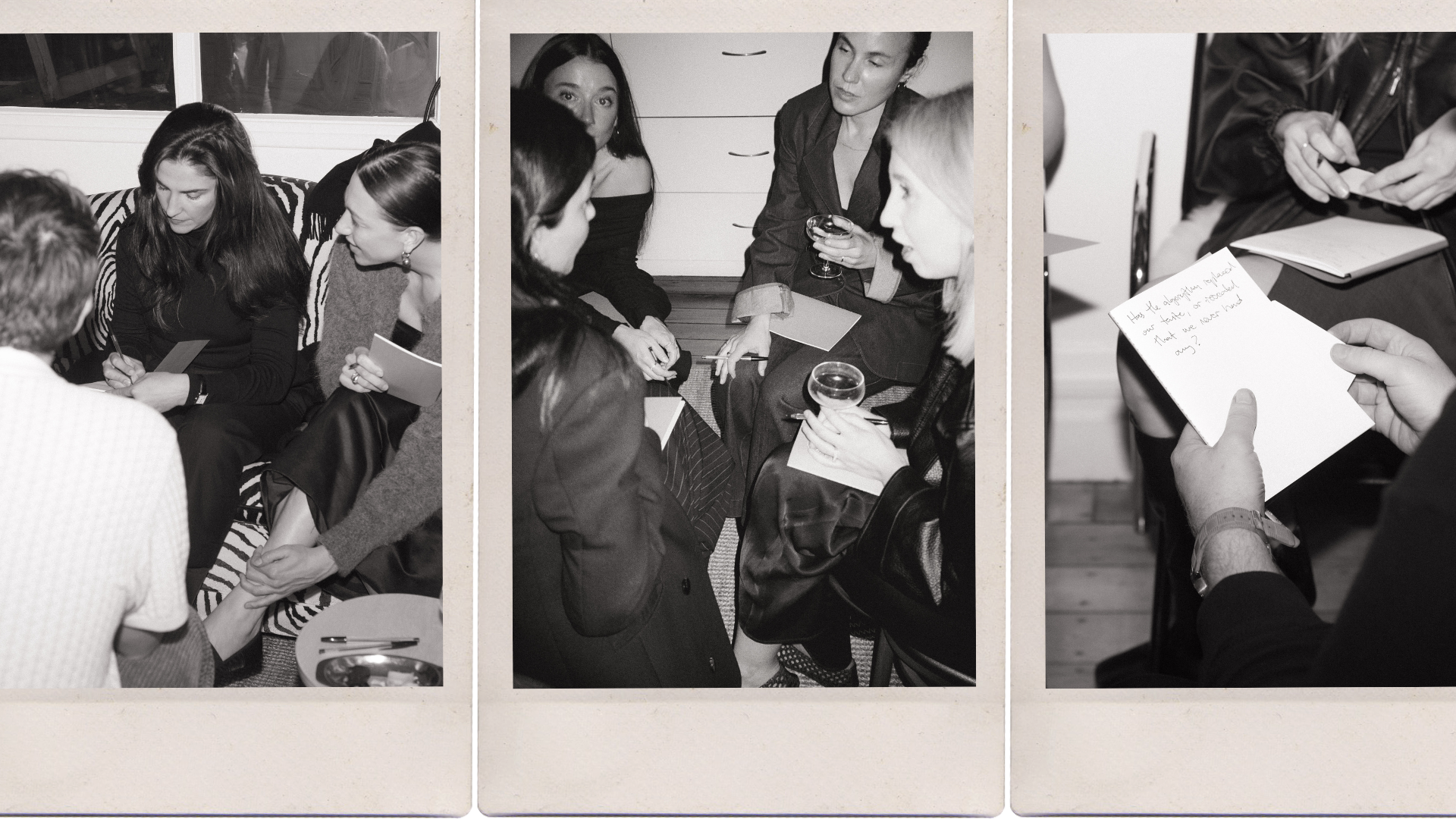
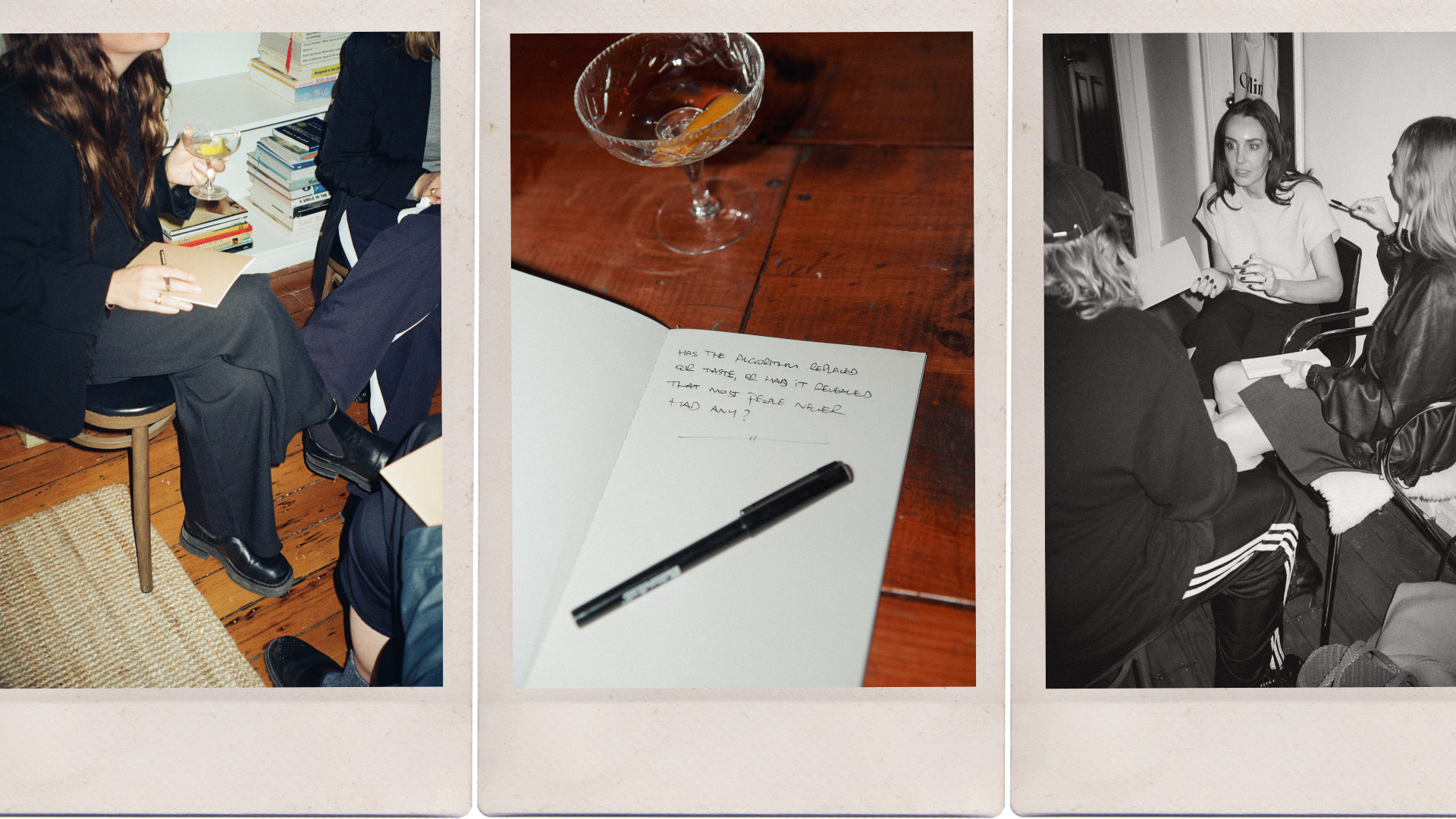
Has the algorithm replaced our taste or revealed that most of us never had any?
Is restraint a creative discipline or a luxury only the secure can afford?
Is curation an act of generosity or an act of control?
If everyone has access to everything, does taste still exist or has it become the last form of status?
The winner? Number one.
What's important to note, I think, is a provocation isn’t a discussion prompt. It isn’t asking for consensus or a considered middle ground. A provocation asks you to take a side. To have a position and to be willing to defend it, and in The Thinking Room specifically, to do that in front of people you don’t really know and without any access to Google or your favourite LLM.
Hello brain, welcome back.
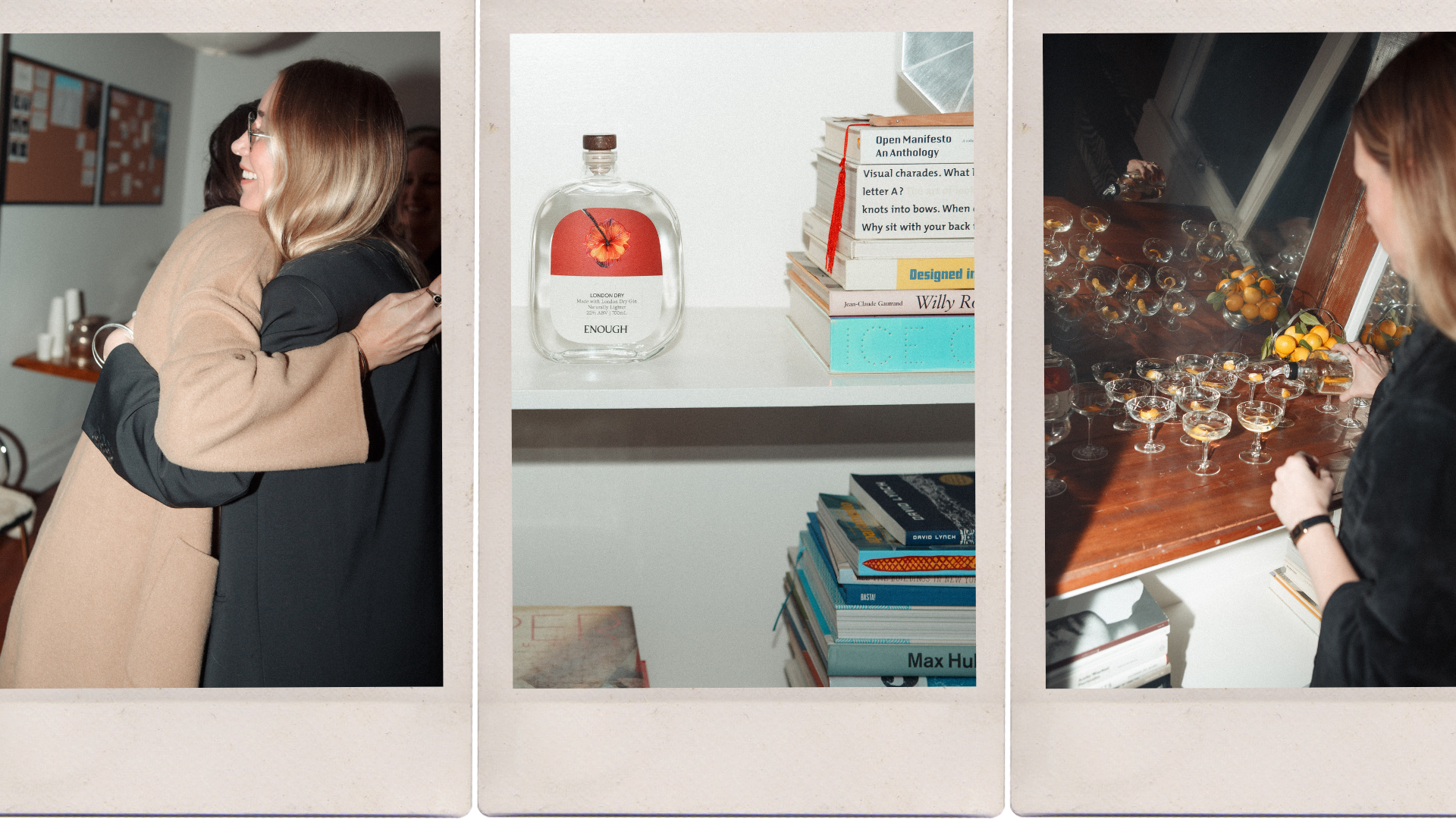
After about 30 minutes of mingling and enjoying mid-strength gin martinis kindly gifted by ENOUGH, we moved guests into four small discussion circles.
Deliberately creating friction in an increasingly frictionless world was a key motivator for me. I know there’s a specific kind of discomfort most of us spend our lives trying to avoid, and that is the discomfort of being assigned to a group. Being told where to sit and who to think alongside is trauma we left behind at school and university, and most of us have spent our adult lives engineering the opposite. We construct situations and environments where we are only ever in the company of people we have pre-selected for compatibility.
The Thinking Room gently challenges this and what I noticed as the groups settled into their discussion circles, is we all might need a moment to remember how to do this. A moment to familiarise ourselves with what awkward feels like and also what getting to know someone from scratch feels like. These days we meet people through the lens of the personal brand and the content they’ve provided on social media or even here on Substack.
People know us, what we think and what we believe without ever having met us. We come into most new interactions so informed that it almost eradicates the need for the meet-cute questions that actually create lasting connections.
Cancel culture has also taught us not to hold a firm position before we know whether that position is socially acceptable. We have been conditioned to sense-check our opinion before we fully release it to the world. We use content to feel the temperature of the feed before we commit to it being something we want to be known for, and this makes sense because it turns out the internet is just as permanent as print. People don’t forget.
We have also become so good at performing thought (being seen to be thinking) that the actual generation of it — in real time, in front of real people — requires a level of bravery we just haven’t had to summon in a long time. Depending on your age, maybe even ever.
Whether we want to admit it or not, we have begun to outsource the first draft of our thinking to search engines, LLMs and algorithms that serve us either the most likely answer (this is how LLMs work — essentially a sophisticated auto-complete) or the answer the platform has been paid to surface before we try forming an original opinion based on our own personal experience and worldview.
The rise of identity politics is the clearest evidence we have of groupthink and like anything that stops being exercised regularly, our minds will atrophy. Perhaps they already have? This is the cognitive debt we’re all reading about and it’s ultimately what we hope The Thinking Room will become a salve and a balm for — the increasingly rare art of original thinking.
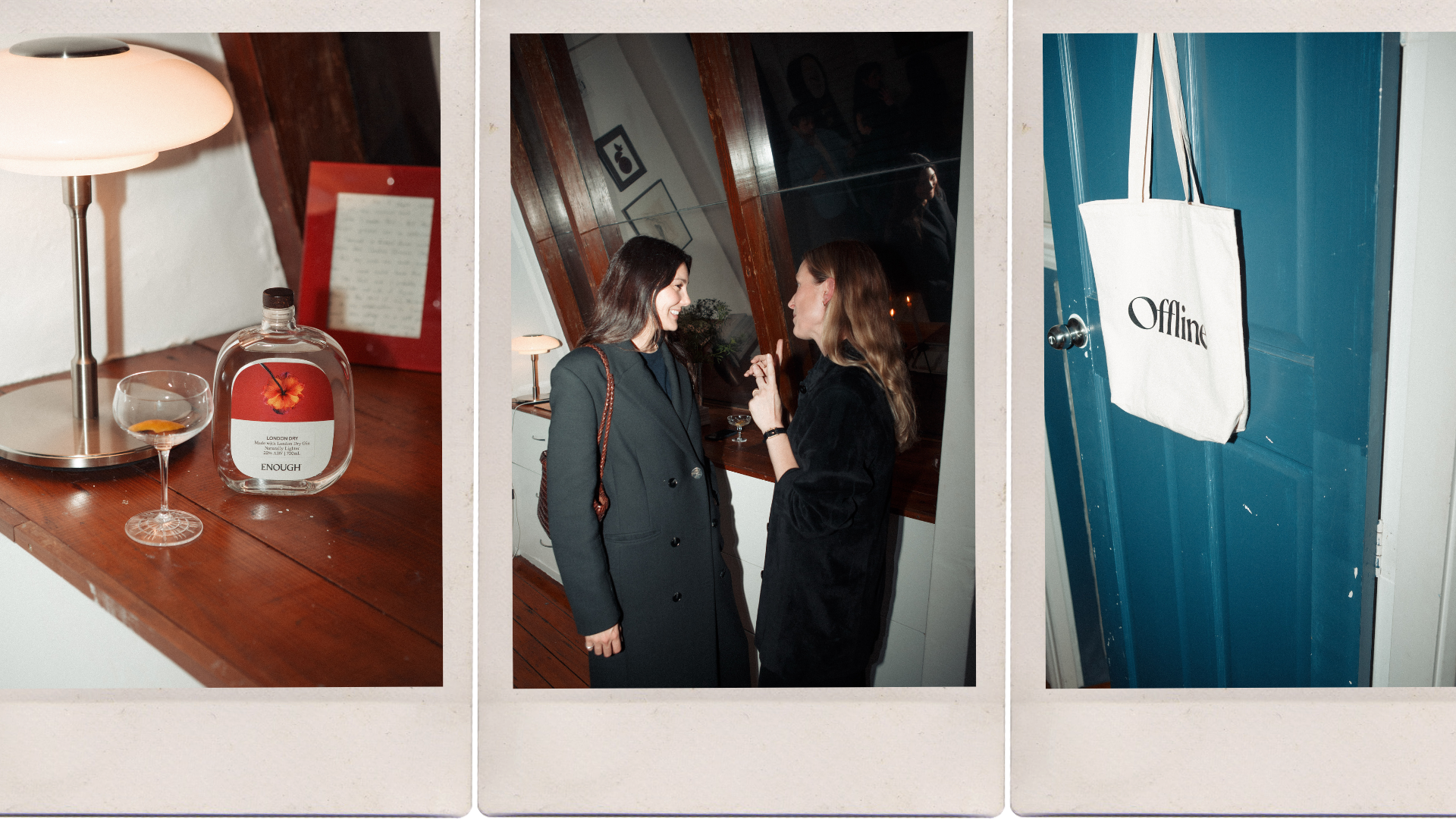
I hate to use the dreaded authentic, but it holds here. The Thinking Room is an offline experience and includes an invitation to guests to put their phones in the Offline bag hanging on the door. I was meant to pass it around and force everyone but I forgot. Wonderfully, a few brave souls did put their devices inside and there was something about seeing the phones in there that made my heart sing.
We’re doing it. It’s happening. I’ve been serving into this body of work about getting offline for eight years now and this event felt like an arrival in many ways. Like getting offline is no longer something we “should do”, it’s now something we want to and can’t wait to do when given the permission.
Permission.
Billie and I knew we’d have to grant permission not to document The Thinking Room in order for our guests to trust there was truly no expectation they’d share on social. The value exchange was their presence and the quality of their thoughts and in return, maybe they’d meet like-minded people they otherwise wouldn’t have met.
We are tribal in that way, I think. Artists hang with artists. Founders with founders. Technologists with technologists. What we’re doing with The Thinking Room is something different. We spent the most time on the guest list and each guest was asked to supply a short bio which I read out on the night.
This seems like a really simple thing. A courtesy, really. But we’re just not doing it anymore. So often we don’t know who we’re in the room with or maybe we do, but only because we’ve seen them on social media. But how do they talk about themselves? What do they want us to know?
Building the discussion groups was the fun part.
Thinking about energy and discipline and range — not just professional range but how people communicate ideas (something Billie and I could understand through receiving their work) and how they might hold disagreement.
Getting that as close to right as possible can only come from humans, not an LLM synthesising bios and matchmaking from there.
What Billie and I know for sure is what emerged on the night was the outcome of our shared networks and our deep experience in curation and facilitation. Guests kept calling it a high frequency room and that has to be the greatest compliment in a time where literally everything feels flattened by the algorithms and AI.
Group 1
A chef and stylist, a creator, author and TV commentator; a creative communications agency founder, an editor studying to become a psychologist and a venture builder deep in the emerging nature and climate markets.
Group 2
A creative director, head of partnerships at Substack, a principal ballerina and a conscious fashion founder.
Group 3
Creator partner at Spotify, a musician and producer who also works in solar energy, a communications director and a marketing specialist who also moonlights as a palliative care biographer.
Group 4
An art curator, a digital identity entrepreneur, a contemporary witch (and my co-founder, more soon!) and an intentional fashion designer.
Has the algorithm replaced our taste or revealed that most of us never had any?
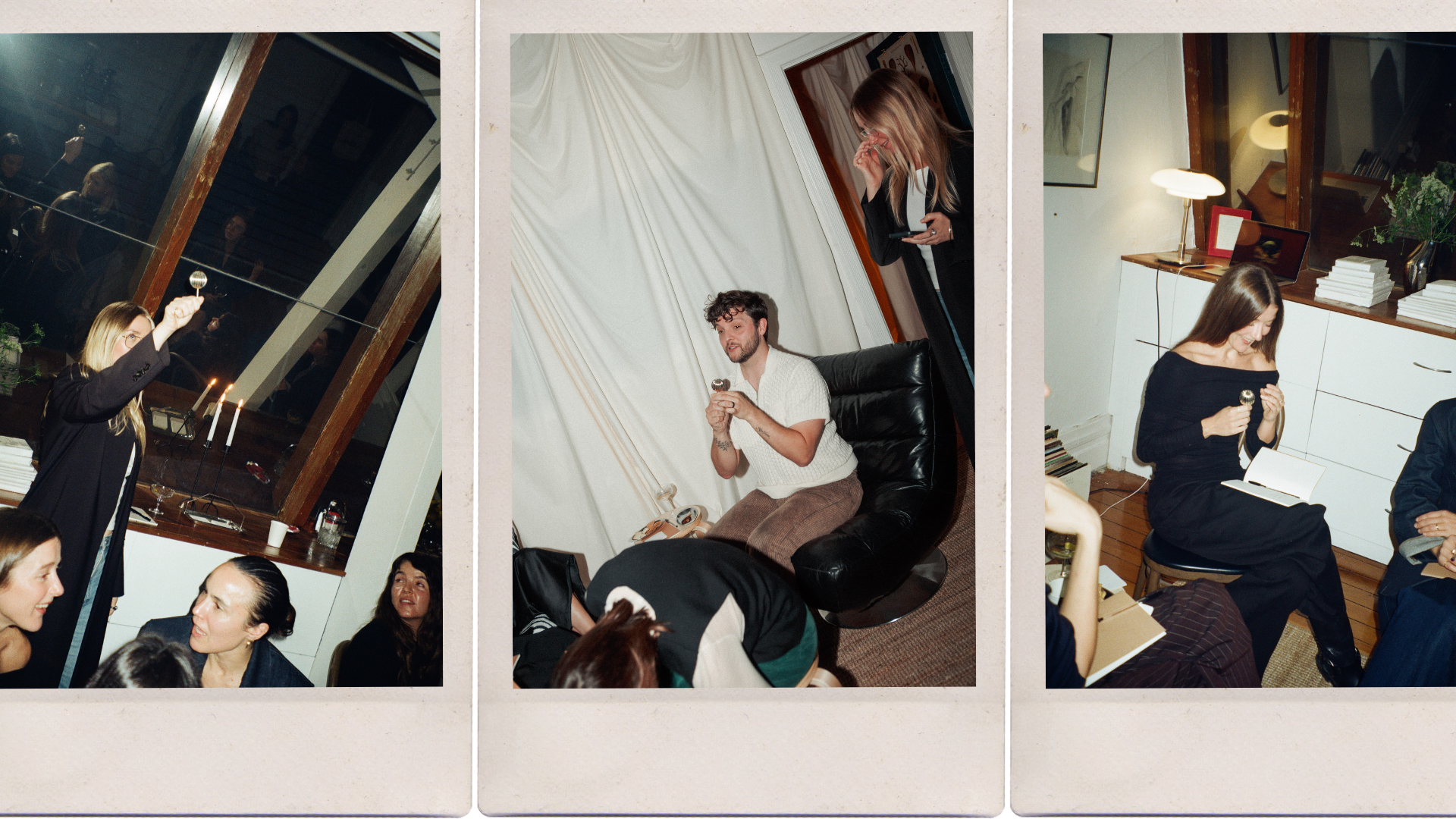
Each group had to select a speaker to share their stance on the provocation and knowing how easily discussions can be dominated by the most confident or articulate voices, I anointed my silver wine filter The Talking Sphere. A heavy, quite tactile prop that signalled who had the floor.
I’ve facilitated at least a hundred sessions over the last eight years and I’ve learnt a lot about the importance of playfulness. Life is so serious and we’re never without problems or hardship, but if we can find ways to be silly, to access that inner child again, it does wonders for the energetics of a room or a session. Serious and silly can co-exist.
So, what came through?
Group one took the cleanest position of the night and when challenged to take a side, believed the algorithm hasn’t replaced our taste but has, in fact, revealed that most of us never had any. They spoke about our tendency to blame the algorithm, and reminded us that before the algorithm we had teams of editors defining taste. We seem to feel comfortable with the editor but not the algorithm. Is Meta really the culprit?
Group two landed somewhere more layered. That we’ve always had an inclination toward what we like whether or not it’s deemed tasteful, and the algorithm is really just this generation’s magazine, newspaper or editor. It’s a choose your own adventure. They also brought forward a question sitting underneath the provocation: Who should get to decide what’s beautiful, what’s on-trend and what’s not?
Group three went further still. The algorithm has democratised taste and who is considered a tastemaker. It hasn’t replaced or revealed taste so much as changed our relationship to it, and also that it moves so fast we no longer have time to develop taste in the same way we used to. Some will go an inch wide and a mile deep — rabbit holes of specificity they’d never have found before — but most don’t.
Group four built on this reference. You can be so many clicks down a particular rabbit hole that you feel like you’re curating taste. That what feels like discernment might just be how far down one algorithmic path you’ve travelled. They also raised an interesting point about the soullessness of algorithmic recommendations starting to take their toll. There’s a lot more hollowness in buying something the algorithm serves us. It doesn’t feed anything within us and because it doesn’t nourish us in any way, can we even call it taste?
It’s no secret I like to talk and I like to think out loud. I think in public for a living. What I learnt about my role in The Thinking Room, though, was my own intellectual layer is not required. My role — and Billie’s, too — is to create the conditions for other people to bring theirs forward.
With social media and professional platforms like LinkedIn, we’re so used to needing to demonstrate our intelligence as a throughway to building authority and gaining opportunities. But in The Thinking Room, I realised in real-time that my interpretation wasn’t required.
It was clear the provocation was an opening to more questions and more discussion, and so instead of synthesising and drawing the threads together with my own commentary, I delivered them back to each other. Back into the groups they clearly didn’t want to leave (success!) and back into the conversation they hadn’t yet finished.
That’s when Billie and I looked at each other and knew this was something special. The conversations were still alive in the way they can only be when a group of people is truly thinking together vs. performing thinking.
I turned the music back up and Billie and I started to mingle. Absolute perfection.
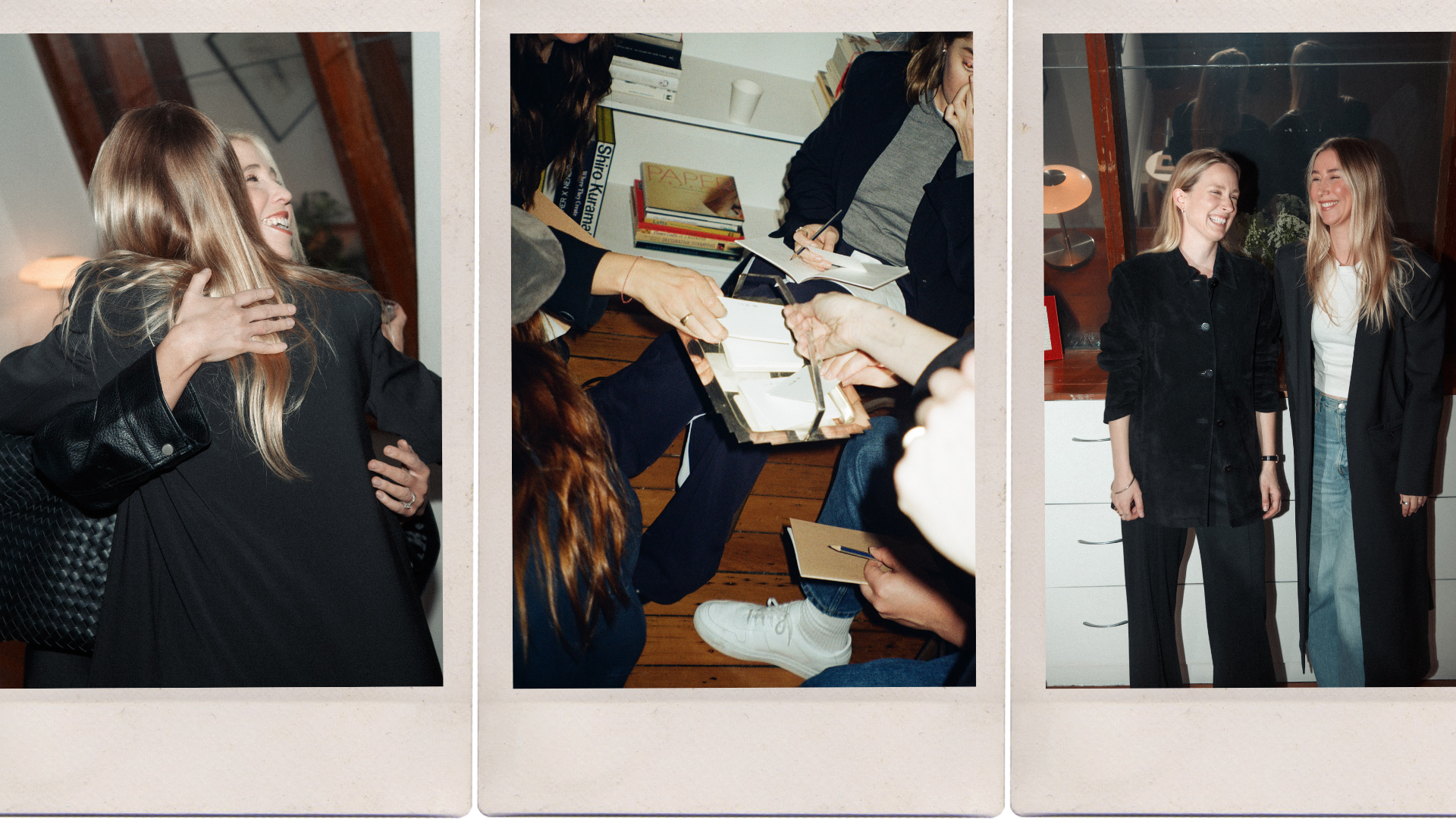
This is what we know we’ve created with The Thinking Room — not an event, but the conditions for authentic connection.
The icing on the cake was the physical cards we hand-stamped with the date so they could share their details with each other, and the secondhand art books we sourced and hand-wrapped for each guest. Leave it to two Cancerian mums to make it feel extra special.
We’re already planning our Spring Thinking Room and I want you to know more experiences just like this are coming for Get Offline’s wider community. Salons and gatherings designed around the same belief — that the connection we’re all craving exists offline in smaller, more curated, closed rooms.
Alison xo
Comments
Nothing yet. Say the first thing.
Sign in to join the conversation.