
One massive reason why digital coercion has crept up on us, with almost nobody fighting back, is that we’re chronically vulnerable to convenience and ease.
Tapping a card is less work that fiddling with coins. Doing banking online is less of a faff than standing in line at the branch. Spotify is easier than taking CDs out of boxes and sticking them in a player. Going through the e-passport gates is faster than lining up in front of a human officer.
When you also make a convenient thing free, you’ve got an offer most humans will struggle to resist. The money factor sweetened an already sugary deal, to the point that we were blind to any downsides.
Yep, we’re lazy by default and very easily led to the path of least resistance. Knowing what I do of nature, that’s normal for many animals (outside mating season, anyway). So no judgement there.
But we’re also supposed to be more intelligent than the birds and the beasts. We’re meant to be able to learn from mistakes and take lessons from historical behaviour that may, in retrospect, not have been in our own best interests. Especially when it comes to our own inventions.
Looking at history, it seems to me that there are many cases in which we should not have rushed headlong towards the simplest option, snatching at it like wild things fighting over a free banana.
When people say to me, “But it’s just easier to do it digitally!” and consider that a compelling, sufficient case to carry on regardless, I can’t help thinking about what playing the ‘easier’ card in the past ended up costing us. For example…
Steam trains, automobiles, aeroplanes...there’s nothing people love more than a faster way of getting from A to B. Given the mass adoption in question, it’s hard to exaggerate the effect of these technologies. Every one of them has been a game-changer. Every one of them has, on some level, redrawn both maps and economies. Particularly the automobile.
I think it’s putting it charitably to say that every one of them has also left the environment in a worse place than before its invention. As a smart person reading this newsletter, you don’t need me to spell out the role of our mobility addiction in the climate crisis.
If we hadn’t rushed headlong towards ‘easier’ and increasingly affordable modes of transport in the past, would this northern hemisphere summer be so terrifying? Might we putting out fewer fires?
First it was strip malls on the edge of town, built to serve a vehicle-based economy (see ‘redrawn maps’ above). Then it was Amazon and the rest of the internet’s online shopping providers. One-stop shopping has been singing its siren song ever since America’s post-war boom. The people cried, “Hell yes!” to ease and convenience.
Even now, most cannot or will not see the connection between easy retail and dying local economies. Although the phenomenon took a long time to reach some corners of the globe, it’s safe to say that high streets are in decline - or have already disappeared - everywhere since the pandemic.
If my language here seems like little more than rose-tinted nostalgia, let me put it in different terms. Convenient, easy shopping has cost us community, regional supply chains, social contact, local employment, varied produce and even biodiversity.
As a soothing bonus, easy access to goods at unrealistically low prices also made us forget how to repair or take care of things, leaving many humans wallowing in their own garbage.

Fast food? Microwave meals? I don’t think I’m making a bold claim when I say these convenience concepts are associated with less-than-ideal health indicators. I’m going to assume that’s not news to any of us.
At least this is an area where a lot of people are realising how badly we’ve been conned. Now we’ve got concepts like ‘slow food’ to steer us back to the what would, through most of history, have been called ‘food’. Some of us are trying to order direct from organic farmers as we try to rediscover our lost ties to the land and support local economies (see above).
It seems significant numbers of us are beginning to accept that Easier and Faster - along with their convincing sibling Cheaper - most definitely isn’t better when it comes to what we put into our bodies. If we could just broaden that attitude to a few other areas...
Have you ever considered getting rid of your smartphone? Your Google or Apple account? You probably didn’t need long to figure out that such things are near-impossible tasks. But how did we get to an absurd place like that?
Convenience. Ease. Little to no cost.
Nearly all of us fell for it and I’m no exception. Camera, photo storage, messaging, free calls worldwide, email, apps, app store, tickets, bookings...all in one place! One account for everything! Woohoo! Few of us considered the downsides, like the fact that companies like Google would get more powerful than governments. Or that they would start force-feeding us AI whilst we were trussed up in their ecosystems and dependent on their devices.
Now, of course, people are seeing the drawbacks of our mass acceptance. ‘Big tech’ is now a pair of dirty words and plenty of people are trying to push back. The only point I want to make here is that it was the offer of a smooth, convenient, free-or-cheap experience that got us into this mess. And that we should be stubbornly cynical when someone else promises us the same thing - government digital ID, anybody?
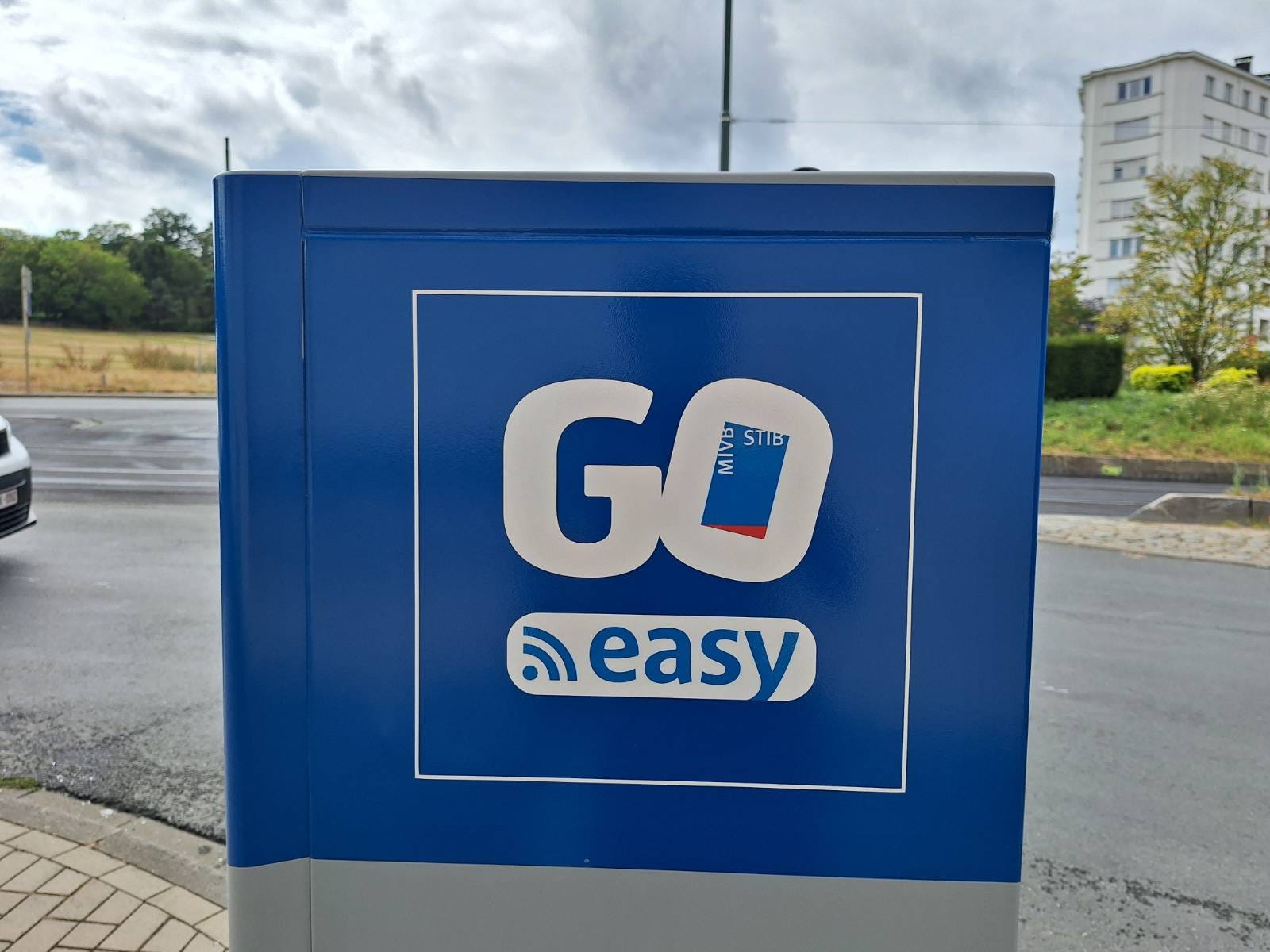
Forgot to buy the newspaper this morning? No problem! Somebody will have posted a couple of Instagram links in a chat group during the course of the day. Never mind who (or what) created those posts - you’re informed! All you had to do is click! And better yet, all that ‘news’ was free!
Maybe being a member of the endangered journalist species makes me bitter and this last entry on the list is a personal indulgence. But I don’t think it’s a massive revelation to point out that professional, informed, independent, ethical and properly sourced reporting requires an actual time commitment from somebody. So, it’s reasonable that it should cost money too. Specifically the consumer’s money - because advertising and click payments don’t nestle well with that word ‘independent’.
It’s so easy to click the free link. So easy to download that pirated PDF. So easy to jump on the AI slop ship. It’s convenient. It’s fast. We lap it up, yet wonder why free press, democracy and accountability seem to be fighting a losing battle to gibberish or low-resistance content.
You can make a similar case for most of the creative arts or forms of content we know. It’s all being strangled by the free and the easy. Hopefully it’s not too late for this one to be turned around...
***
I’m tempted to add something about how the convenience of Artificial Intelligence stopped us from using our brains, and ultimately robbed us of the power of thought… but who am I to claim a crystal ball? Still, it may be worth thinking about our track record when it comes to grabbing at things that make our lives easier.
In the meantime, maybe I’ve given you a few more reasons to get serious about resisting digital coercion? By which I mean not only boycotting, complaining and taking political action, but also thinking twice about using that AI corner-cutter, downloading that app, dinging that card or clocking that free content link.
Convenience is digital coercion’s rocket fuel, but if we learn to recognise ‘easier’, ‘quicker’ and ‘free’ as historically dangerous words, perhaps we’ll be a little less likely to succumb to temptation.
Did you enjoy the read? Hope so - it took quite a bit of work! Now it’s your turn to get involved. Don’t be afraid - it could be as simple as taking a photo! Here’s all you need to know about how you can take action and help.
We’re not a big faceless organisation; we’re a bloke working in his spare time to make the world a better place! And hearing from you is the rocket fuel we need. Questions? Doubts? Feedback? Struggling for motivation? Ideas? We’re listening!
Offline Rights is free, because non-profit campaigns to make the world a better place should be accessible to all. However, Offline Rights will be a lot more effective if we can build a team and work on this full-time without having to waste energy on a day job. So, if you are able, please donate by buying us a virtual coffee!
Comments
Nothing yet. Say the first thing.
Sign in to join the conversation.