
I don’t go to the movies anymore.
People no longer know how to behave, and I always feel like I’m potentially one incident away from cancellation or my first arrest. So I stay home. Or I go to live theater, where ticket prices are high enough that usually people are mostly docile, if not refined. Sophisticated, even.
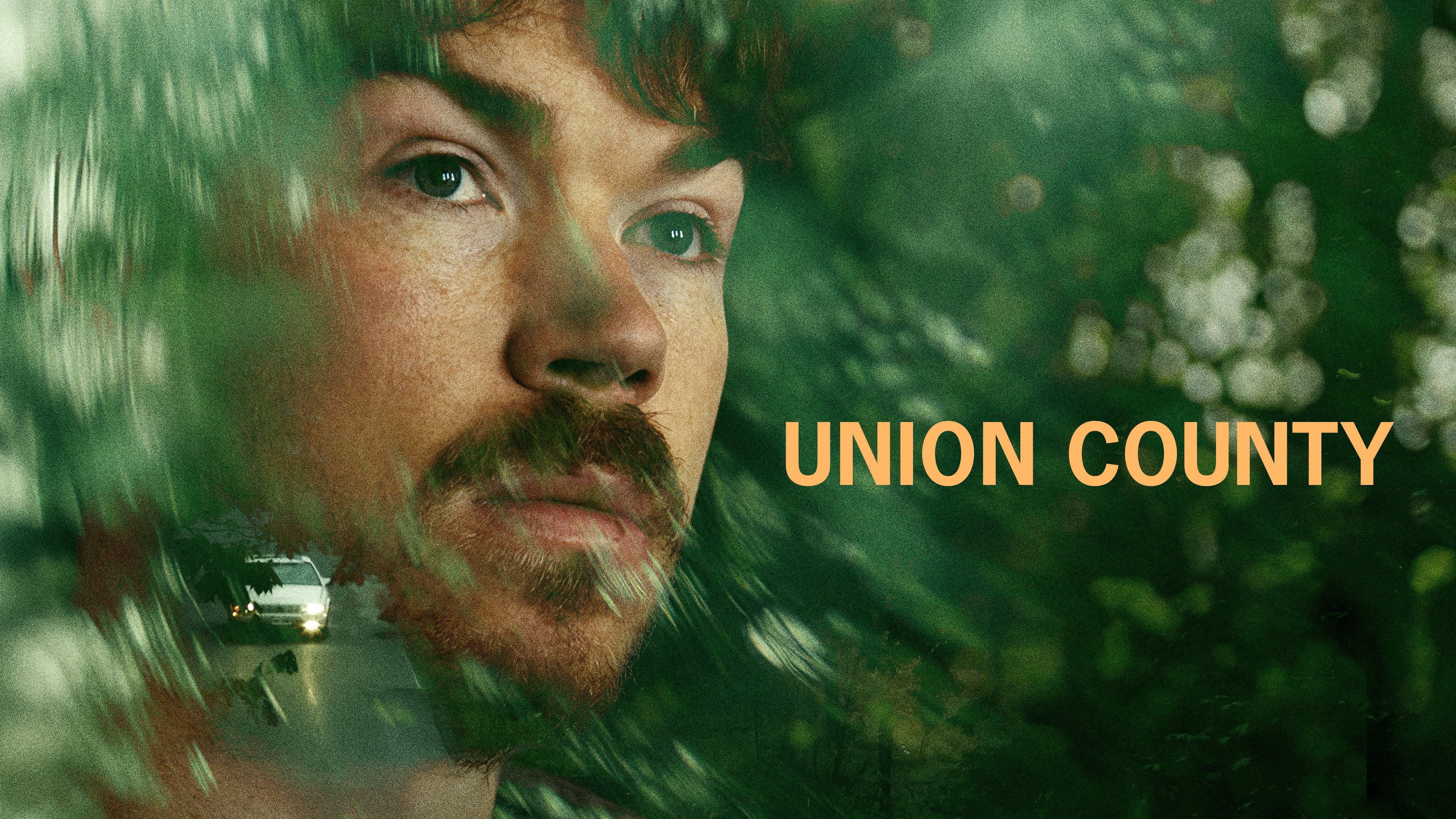
But when I saw there was an independent film called Union County, set in the place where I grew up, I knew I needed to see it.
I got to the theater early. Another man was already there, sitting alone. He looked vaguely familiar and seemed very much like he did not want to be bothered. So I didn’t speak to him. But I wanted to.
I wanted to know why he chose this film. And I wanted to tell him why I was there, too. Instead I just ate my Twizzlers in silence, hoping no one would come in and sit next to me.
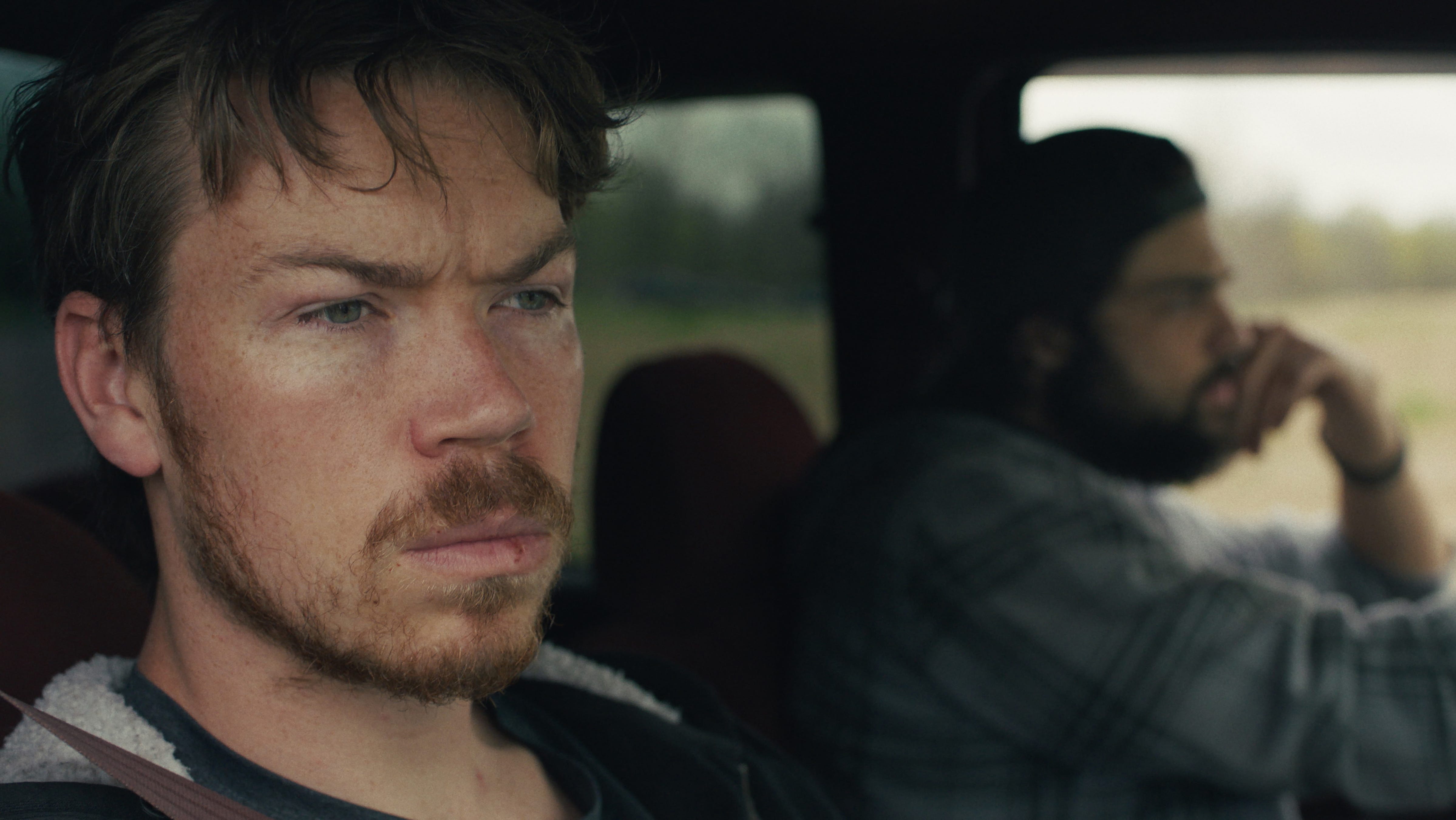
I read somewhere that director Adam Meeks chose to shoot in the spring, when the grass was green and the fields didn’t look brown, as they do in so many Midwestern stories. It looked like home, where not much happens a lot of the time.
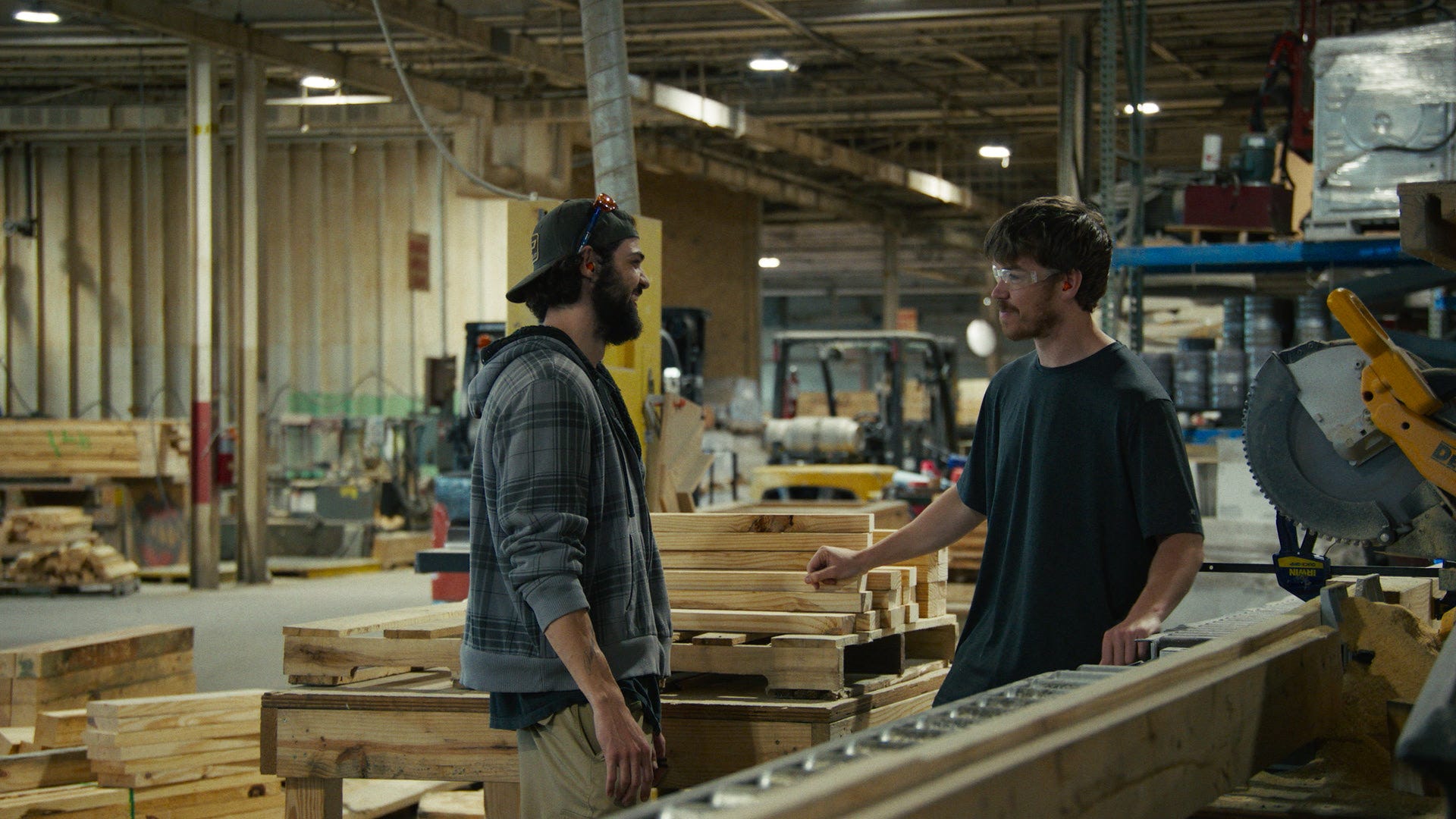
Appropriately, Union County is not particularly interested in plot. The film moves slowly and quietly. There are long stretches where very little happens, at least in the conventional sense. People drive. They work. They look at one another. A lot of the action happens wordlessly.
And then someone would say something ordinary, and I’d start crying.
The film follows Cody and Jack Parsons, foster brothers navigating addiction and a county drug court program in rural Ohio. Will Poulter plays Cody. Noah Centineo plays Jack. They appear alongside a supporting cast made up largely of people from the actual Ohio recovery community — a judge, a social worker, and people in recovery sharing their stories without pretense.
Those people wrecked me. There was something about watching someone simply tell the truth of their own life that got to me. Cody, by contrast, evoked nothing from me at first. No empathy, no connection.
But by the end of the film, I realized that distance was intentional. He had to earn his vulnerability. When he finally smiled upon learning he’s being phased up in drug court, I smiled with him.
Centineo as Jack is astonishing. He is broken and impulsive and desperate, but somehow still bursting with life. There’s a boyish enthusiasm underneath everything that addiction has done to him.
At one point, Jack asks Judge Kevin P. Braig whether he watched the Reds game the night before. It’s such a small thing. Yet perhaps the most profound moment in the entire film.
I spend a lot of time observing people’s attempts to connect with others. And I’ve noticed that sometimes people’s desire to connect doesn’t land well. For those in the throes of addiction, that often looks and feels like manipulation. Us therapists like to pathologize behavior and give it a label. “Antisocial Personality Disorder” comes to mind.
But underneath all that, someone is still asking, in the only way they know how: Do you see me? Do I matter to you?
The film’s recovery professionals are extraordinarily compassionate. Maybe more consistently compassionate than those of us who actually work in helping professions manage to be. We get tired. We get impatient. We have boundaries. Phones do not always get answered in the middle of the night.
Cody’s recovery liaison, Annette Deao, actually does this work. Do I think she really answers her phone in the middle of the night when a client calls? I actually hope not, for her sake. But in the world of this film, I was really glad she did.
This film could have become recovery-porn. But instead, these weren’t stories being told about addicts. They were people telling stories about being human.
Theatre Six was at the far end, around a corner. The nearest exit would have dropped me straight outside. Instead, I walked all the way back to the lobby, where the employees were waiting for the next group of patrons to arrive.
I said “Thank you” and wished them a good day. I just couldn’t bear to walk out of there completely alone.
Kirk Sheppard is a proud member of the American Theatre Critics/Journalists Association. He writes about Cincinnati theatre—but mostly about being human. Check out kirksheppard.com for more information.
No posts
Comments
Nothing yet. Say the first thing.
Sign in to join the conversation.