
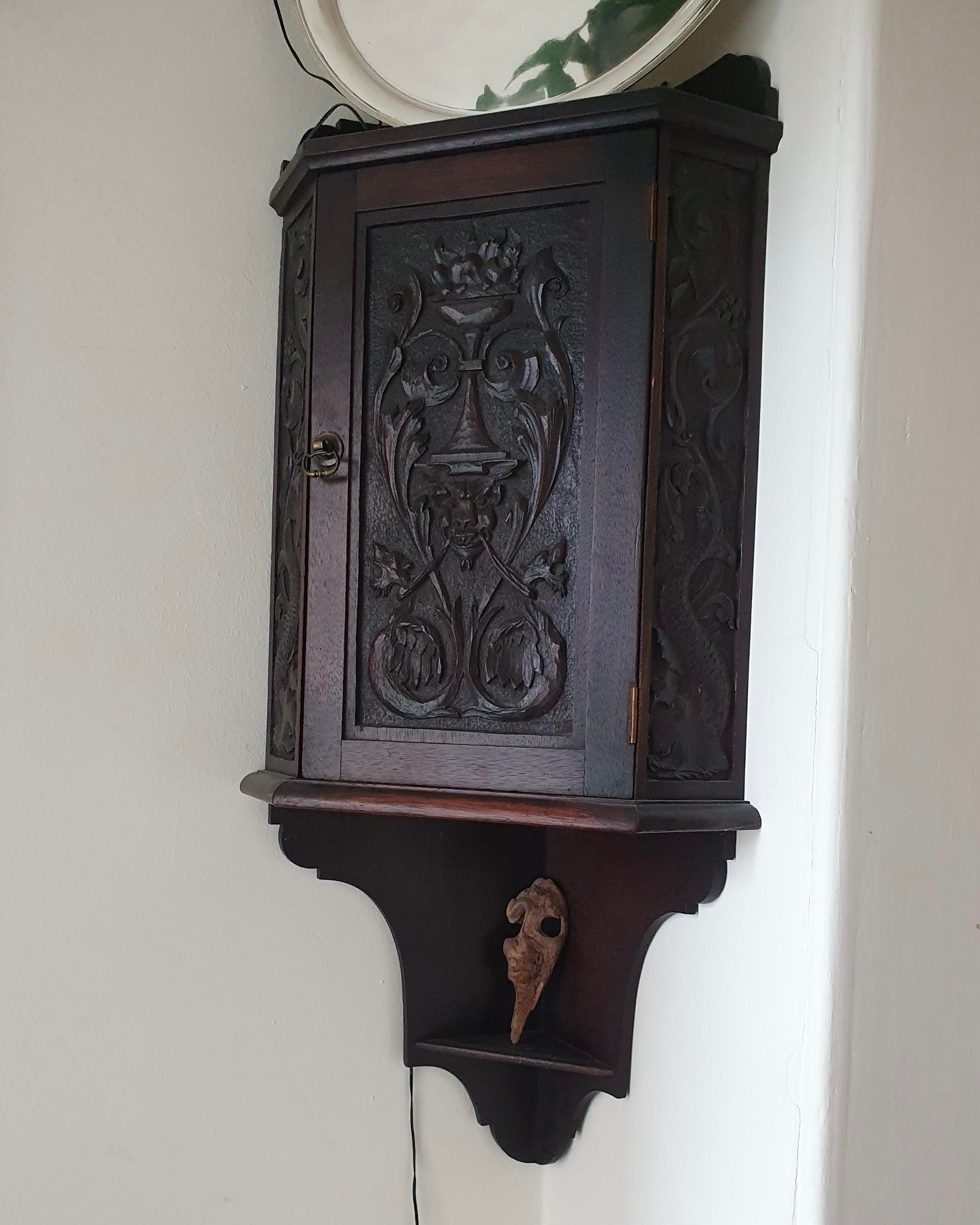
Throughout my childhood, this cabinet hung in a corner of the ‘front room’, over the piano, We used this room very little. North facing, it was cold and remote from the living hub of the house and only came alive at family Christmas parties and in summer months when the setting sun shone through the windows and created a pleasant evening warmth. In a way, the cabinet was as neglected as the room, always there, empty and scarcely attended to. It holds some unexpressed, nebulous meaning in the family: my father kept it after my mother died, we took it in when he died but found no place to put it, and it has now passed on to our son Matthew, who has at last found a use for it in their dining room to hold special wine glasses.
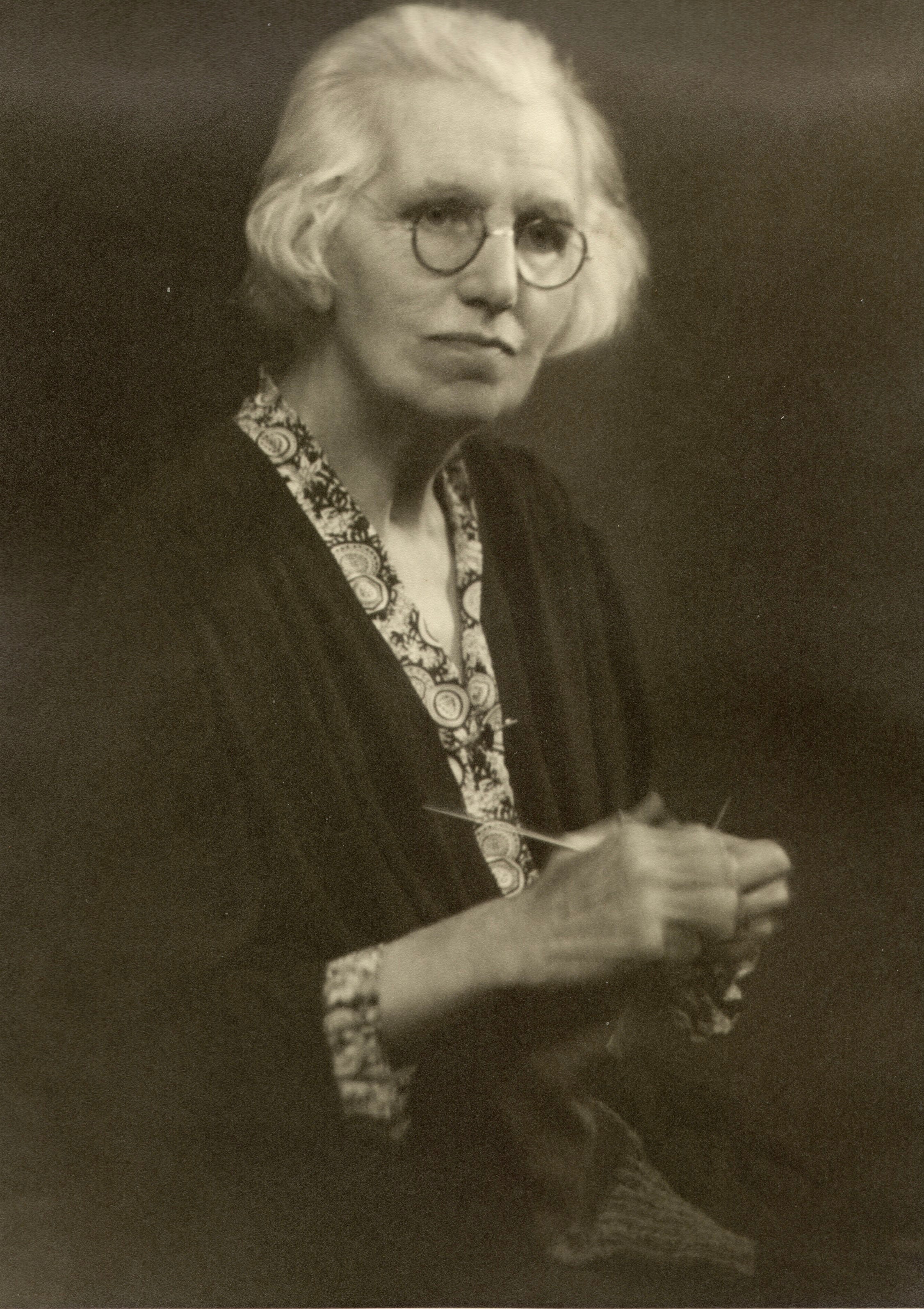
This cabinet carries a collection of hazy stories of uncertain provenance about my paternal grandmother – Kate Alden Reason – and my father’s family of origin. We have a framed photograph of Kate in her later years. She looks pretty forbidding!
It seems – and I have no idea how I know this, for no one ever told me anything about my grandmother directly, or indeed where the cabinet came from – that the woodcarving on the cabinet is by Kate. This is itself quite an impressive achievement, for the wood – some kind of tropical hardwood – is skilfully worked in three panels (although I gather the joinery to assemble the cabinet was completed professionally). It also seems that Kate learned woodcarving as part of her occupational therapy while in a mental hospital for clinical depression. Can this be true? Would sharp tools have been allowed? My father never mentioned his family, never spoke of his mother. My own family avoided discussion of distressing events and would never have been able to talk about something we now call ‘mental health’. I suspect I gleaned these impressions from disparaging comments from my mother about Kate’s ‘breakdown’; and through the gossipy conversations about our family I had in later years, after all the principals had long died, with my big sister Ann.
Poor Kate!” I can imagine Ann saying, “Married to that dreadful man Will who was more interested in his foundations for the poor in East London than in his own family! Enough to make anyone depressed and suicidal!”
My grandfather, Rev Will Reason, was a man with a mission. A Minister in the Congregational Church, an avowed Christian Socialist, secretary to the Conference on Christian Politics, Economics, and Citizenship, and according to his obituary a man of ‘goodness and saintliness’, of ‘noble character and clear vision of what a Christian man ought to be’. Will met Kate through her brother Percy Alden, Liberal then Labour MP, who was a passionate campaigner on social affairs. Will and Percy worked devotedly for the Mansfield House Settlement in East London, a Christian project providing services and activities to help members of the local community. And Will was relatively well known: my prospective father-in-law, also a clergyman, had Will’s books in his study at Little Eversden Rectory and asked, on first hearing my name, if I was related to the Rev Will Reason. But we learned little of him at home. Ann recollected to me that she once said to our father that she was sorry never to have met her grandfather, to which he replied to the effect, “Oh, you would not have liked him. A dour and austere man”. It is pertinent that the effusive obituary in Social Service contains no mention of wife and children. Scarcely a family man.

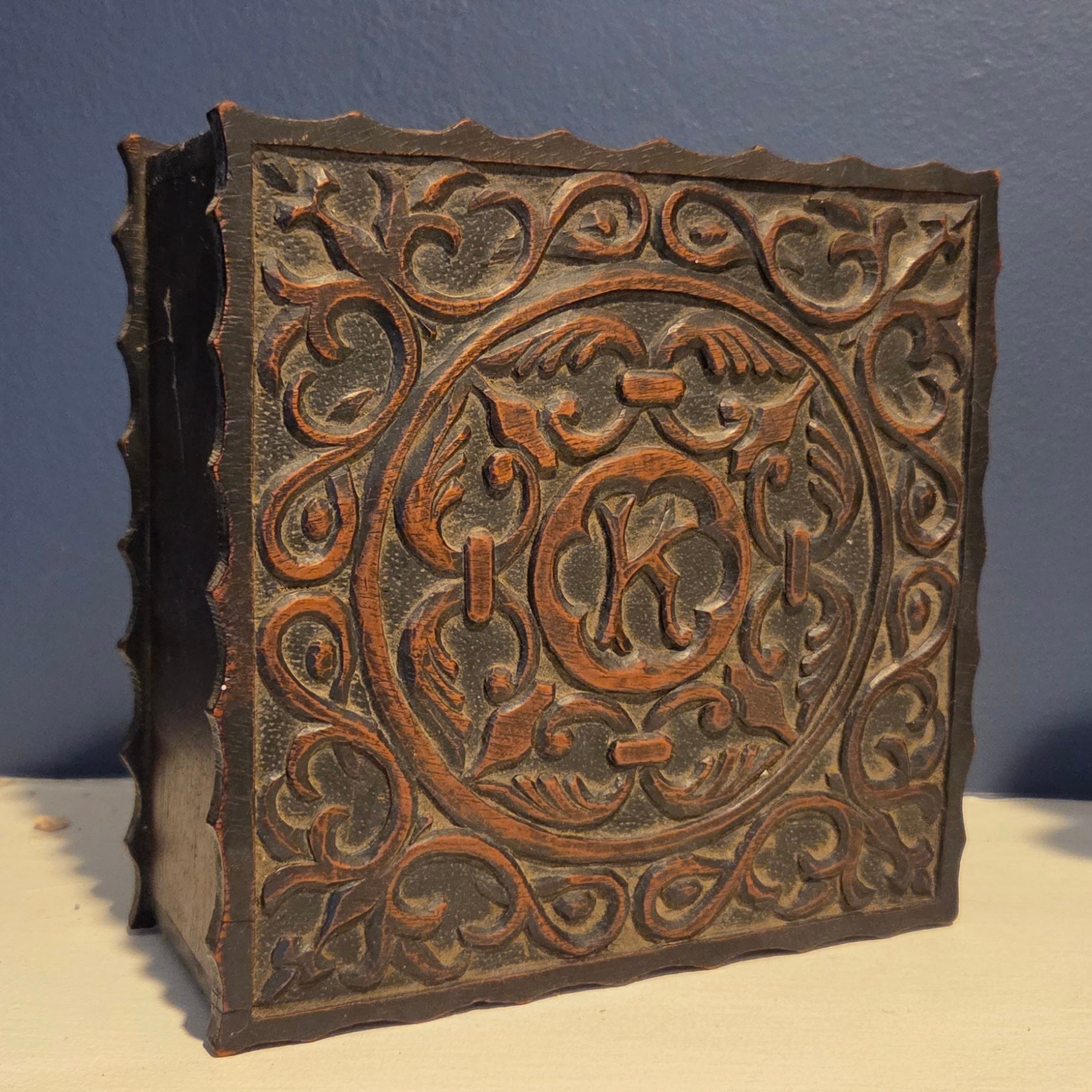
In this account Kate (almost) disappears; but she remains with us through her woodcarving. It doesn’t really matter whether or not these were part of an occupational therapy; they hold her presence with us so long as the stories are told, as long as we can run our fingers round curves in the wood that her fingers crafted. Her great grandson Tim has another example of her work of which I was unaware, an intricately carved box.
There are lots of these shadowy, scarcely-told stories of a good Christian family, effused equally with love and goodness, neglect and oppression. At times they echo faintly in our contemporary life. Tim also writes a ‘testament’ to my father, his grandfather: ‘It’s all too common to look at how cycles of behavior perpetuate themselves in families; it’s more rare to remember when they’re broken... but my impression was that Grandpa moved away from what he saw in his parents, was drawn to the lively and fun-loving Whittlestones [my mother’s family]’.
As poet Robert Bly says, ‘the object itself… links with the human psyche’, so this wooden cabinet holds shadowy intimations of complex family dynamics and how they do, and do not, echo through the generations.
No posts
Comments
Nothing yet. Say the first thing.
Sign in to join the conversation.