
Hola! Welcome to A Year in Oaxaca, a twice-weekly newsletter about life in Mexico. Please click on the pequeño corazón (the little heart) if you like what you’ve read, and/or the revolving arrows (the restack button) to help this newsletter reach even more adventurous and curious people.
Paid subscribers can access the entire archive for A Year in Oaxaca—more than 260 guides, journal entries, photo essays, and news analyses—by clicking here. It’s paid subscriptions that allow me to take the time to write this newsletter. If you’re able, please consider upgrading your subscription. Your support is enormously appreciated!
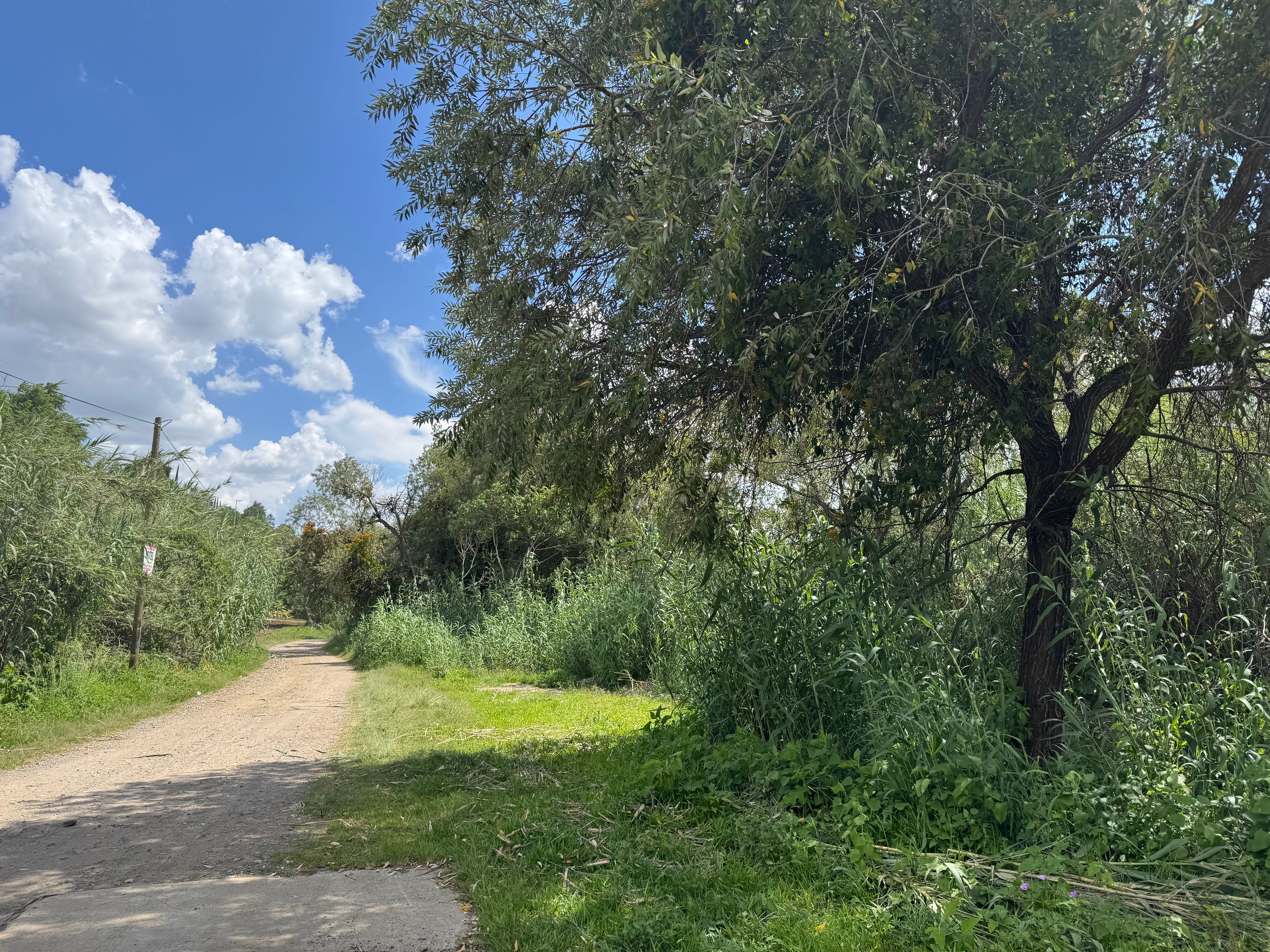
July gently landed with warm days. The breeze weaves through our palm trees and gently shakes the hibiscus blossoms growing from the bushes that envelope the south side of our Mexican home. The sky breaks daily with rain, the valley is lush and green. But for us, it will never again be summer.
People change countries for all sorts of reasons, and we tend to label people who do so to survive as immigrants and those who do so for reasons of upward mobility as expats. It’s a dichotomy I don’t agree with—I consider us to be and describe us as immigrants. But if you, like we were, are fortunate enough to be considering a life elsewhere for reasons of comfort, moving to get away from bad weather or a disagreeable (or destructive!) climate is completely justifiable. My adolescent years were spent in New Hampshire, a state where, come November, things become so dismal, so washed out and grey and miserable, that you’d slit your wrists just to see some color. Mexico’s blue skies and seas beckon those whose souls have had their varnish stripped off by winter’s abrasion.
But suddenly the 4th of July was looming for us—a big one, America’s 250th as a nation—and I was slightly surprised to find that I felt…nothing. No anticipation, no urge to celebrate, no desire to grill burgers or shoot off fireworks. Summer was in full swing but here in Oaxaca, it hadn’t even occurred to me it had arrived.
“Does it feel like summer to you?” I asked Andrea one day over lunch.
“Not really,” she said. “Everyone at work is making their summer vacation plans, though.”
I wasn’t experiencing that. Work as a writer is solitary, and while our friends were all making their individual plans I wasn’t faced daily with large groups of people talking about their summer activities, and I didn’t have to think about scheduling my own time around the impulses and needs of coworkers. Because Leo isn’t old enough to be in school, we weren’t planning our lives around school breaks. Summer was something happening to someone else. In Oaxaca, it’s not summer.
I’m not sure anyone really asks themselves what happens when you give up your weather. The fantasy of living a life free from the burden of digging out a snow covered car or escaping from heat or humidity so intense that you have to spend your days inside, is deeply enticing. It certainly was to us when we were considering what we’d lose by leaving New York for southern Mexico, and what we’d gain.
When you change countries, though, the losses are more profound than you might realize. You don’t just give up an environment, you also lose the collective experiences centered around the arrival and survival of the seasons. Summer’s dawn in the United States triggers a flush of new dishes on restaurant menus, new fruits and vegetables spread across tables in markets. Seasonal businesses spring to life, people start eating and drinking outside. In New York, the Summer Streets program closes down large stretches of normally car-packed avenues for use by pedestrians, artists, children, and vendors. When I worked for Dotdash Meredith (now, People, Inc.) the single best benefit offered was “Summer Fridays,” wherein you were allowed to select something like eight Fridays to be used at your discretion so that you could have a summer more or less filled with three day weekends.
In our part of Mexico, we are cut off from that entire experience. Mexican public schools will close this week to reopen in late August, but as far as we can tell there is no cultural tradition of “summer vacation” as it exists in the U.S. Instead, people in Mexico take a roughly 2 week break at Easter time, if they can afford it, and the truly important summer celebration here in Oaxaca is the Guelaguetza, a statewide, weeklong slate of events and cultural celebrations that only occurs in this part of Mexico.
What we’ve gained in place of summer is a sort of kindness. This time of year in Oaxaca is exceedingly pleasant. The near-daily rains infuse the landscape with profound greenness, and what was once rocky and barren suddenly erupts with life. The hummingbirds begin to nest and the tree frogs sing us to sleep at night. Leo, almost two now, sprints into the house gently holding strawberries from the garden that glow a sensuous pink in his tiny hands. We sleep with the balcony door open and occasionally pull a heavier blanket onto the bed to dispel the slight chill that comes during the middle of the night. I find geckos basking in the humidity of the shower.
There’s a lot I miss about the summer we once knew. The latest the sun will set in Oaxaca during the entire year is 7:04pm, cutting leisurely summer evenings brutally short. I could also legitimately tell you that life is defined by its extremes, and that by moving to a place where things are great and temperate pretty much all of the time we robbed ourselves of some of the high and low points that make life that much more interesting. But living somewhere where June, July, and August are calm, peaceful, green, and rainy isn’t bad by any means, even if it does feel like summer—the summer we were taught to dream of and relish—has been lost.
Comments
Nothing yet. Say the first thing.
Sign in to join the conversation.