
Hi TechMates Community,
🎙️ Mark Pavlyukovskyy and Hendrik Remigereau here—bringing you another frontier-building conversation, powered by NZVC, the venture firm backing the next generation of iconic companies from New Zealand and beyond.
In this episode, we sit down with three robotics pioneers: David Inggs, Nick Damiano, and Harrison Crowe-Maxwell. From the brutal reality of teaching a robot to fold laundry, to building autonomous surgeons, to deploying fleets of pipe-crawling robots to save the world's water, we separate sci-fi hype from the practical applications defining the future.
In this episode, you’ll discover:
🌱 The Value of Constraints – Why you should artificially constrain your problem domain before scaling, just like humanoid robotics companies focusing on simple factory tasks before tackling household chores.
💡 Reframing the Problem – How to pitch a complex technological leap by recognizing that autonomous surgery is actually a much easier, more contained problem to solve than autonomous driving.
🔥 The Humanoid Hype – The immense engineering challenge behind household robots and why your next helper will likely just be a specialized appliance rather than a walking android.
🌍 Global Infrastructure Vision – How the looming threat of water scarcity, highlighted by cities approaching “day zero,” inspired a global vision for subterranean robot fleets.
🚀 Pivoting to MedTech – Nick Damiano’s transition from self-driving trucks to medical technology, aiming to build a cognitive assist robot that outpaces current surgical giants.
Don’t miss out on these exclusive insights!



00:00 Intro: The Reality of Robots in the Real World
01:09 Why Folding Laundry is the Ultimate Robotics Challenge
02:49 Factory Floors vs. Living Rooms: The Need for Constrained Spaces
04:48 Will You Have a Humanoid Robot or 10 Specialized Ones?
07:12 The Truth About Military Robots and Battery Limitations
08:37 Andromeda: Bringing Autonomous Robots into the Operating Room
09:01 Why Autonomous Surgery is Easier than Self-Driving Cars
11:06 Beyond DaVinci: Adding "Cognitive Assist" to Surgery
14:52 Saving Cities from Running Out of Water with Autonomous Subs
15:50 The Hidden Crisis: Why We Lose 30% of Global Drinking Water
18:01 The 3 Engineering Challenges of Building High-Pressure Pipe Robots
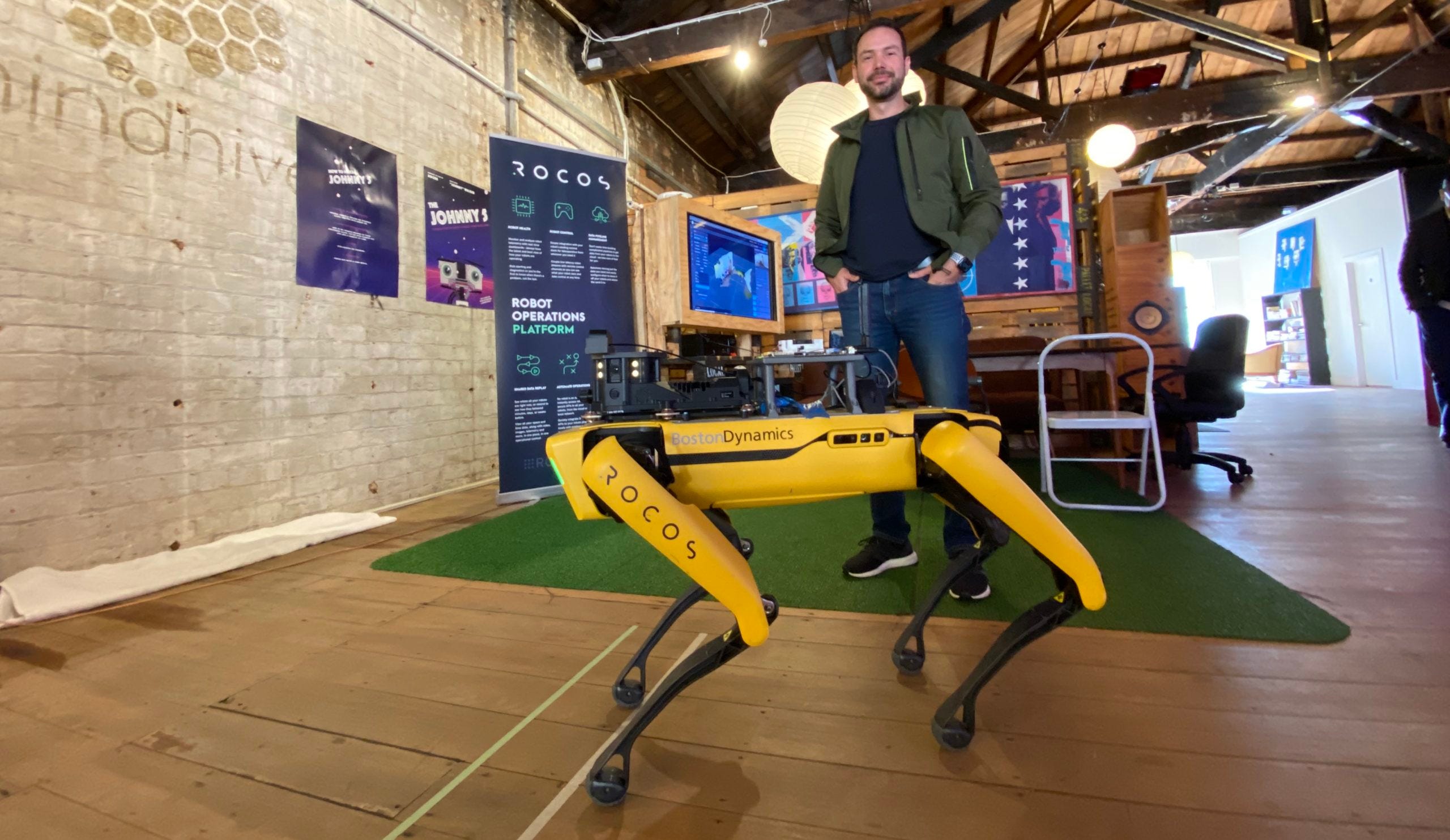
David Inggs warns that the viral videos of humanoid robots mask the true difficulty of basic tasks. Because indoor environments lack GPS and are incredibly complex, David notes that teaching a machine to find and fold clothes is a mammoth task, stating,
“It’s like 0.1% of a human right now”

Until general-purpose humanoids become viable, specialized machines will dominate the consumer market. As David points out, consumers will continue to rely on single-purpose devices because they are far more efficient than
“teaching a humanoid robot to drag your lawn mower around”

Nick Damiano recognized that autonomous driving faces endless variables, making surgery an ironically simpler target for automation. By replacing human labor with robotics in a controlled environment, he aims to reduce complications and physically assist medical professionals. Nick saw a massive opportunity to outpace incumbents, observing that “Medtech is always 10 years behind”.
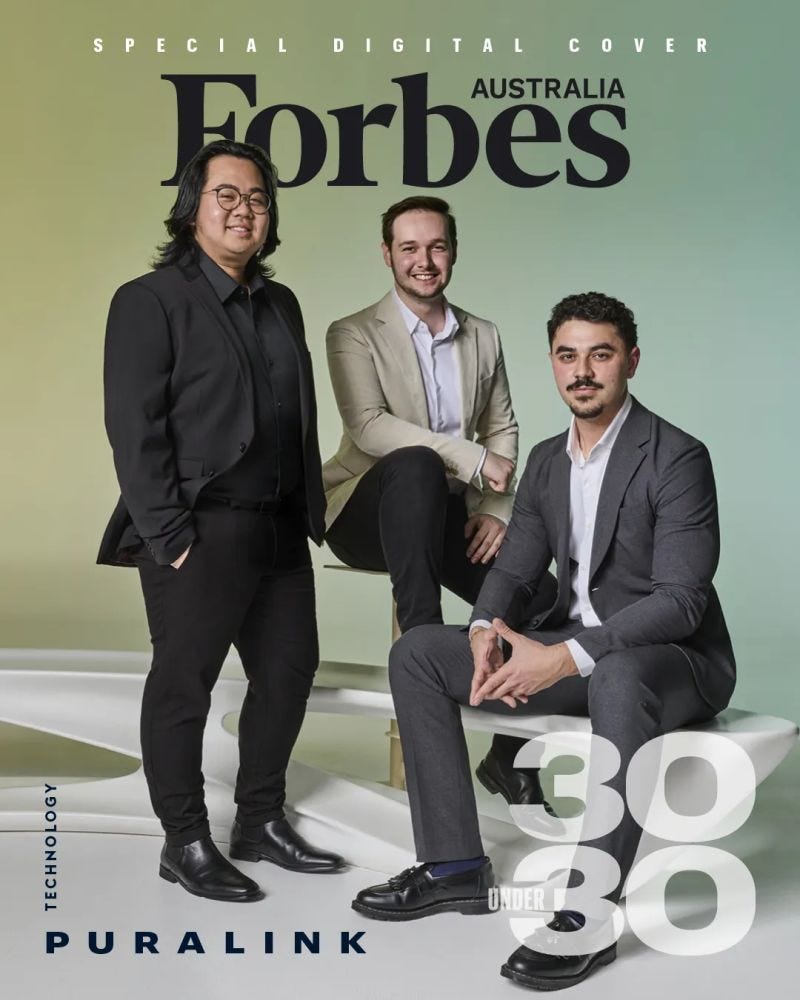
Harrison Crowe-Maxwell is addressing a critical resource crisis by putting autonomous machines directly inside water mains. To achieve fleets of robots that fix leaks before they escalate, he argues that you must remove the human controller entirely. He explains that to truly reach scale,
“you facilitate that through autonomy”
Whether operating inside the human body or deep within city infrastructure, the future of robotics relies on hyper-focused autonomy solving specific, constrained problems.
For more in-depth insights from David Inggs, Nick Damiano, and Harrison Crowe-Maxwell, be sure to listen to the full TechMates podcast episode!
Thanks for your support—we’re excited to have you with us!
We’d love for you to follow and tag us on social media:
Youtube · Spotify · Apple Podcast
Instagram · LinkedIn · Twitter · TikTok
Happy listening,
The TechMates Team
Comments
Nothing yet. Say the first thing.
Sign in to join the conversation.