
a fact we can all accept is that modern day nervous system dysregulation is becoming more common.
you may not be able to see it and tell yourself, “oh that person’s nervous system is dysregulated.”
but you might see it in subtle signs that manifests itself through everyday interactions.
reactive behavior when engaging with someone. someone becoming more emotional than usual. perhaps you’re more stressed, anxious, and burnt out.
everyone notices these signs.
but no one knows they’re common indicators of a dysregulated nervous system.
the scary part is, most people don’t even know they’re operating like this.
they stay stuck in a survival state, which most of you might know as the “fight-flight” response.
and looking at the studies & research behind the damage this causes, it’s truly something that can’t be overlooked.
most of you may see the signs, but you may not know how to regulate yourself and your nervous system when it matters.
you can’t operate like a high pressure pipe that’s waiting to burst, you need outlets, a way to decrease the pressure within.
we’ll be covering all of this in here: the damage a dysregulated system can cause, the effects of high chronic cortisol, and all the frameworks backed by neuroscience to help you regulate your nervous system.
by the end of reading this you’ll have newfound knowledge you can apply that a 30 second TikTok video can’t cover all in one, so stay strapped in, because this is going to be a good one.
it’s currently 10:58 AM as I write this. still feeling that emotional high after an earlier run, nearly died halfway but I was able to finish through despite the sun being out. i know the endorphins, serotonin, and BDNF is still in my bloodstream, helping me think with clarity.
airpods in, playing some classic C418, this never gets old. a dozen tabs open like I’m trying to track down some high-profile criminal, only this time I’m looking into the autonomic nervous system, polyvagal theory, and cortisol.
and connecting everything together, nervous system regulation is a must need skill everyone needs to learn.
so as always, do approach all of this with an open mind.
let’s get into it.
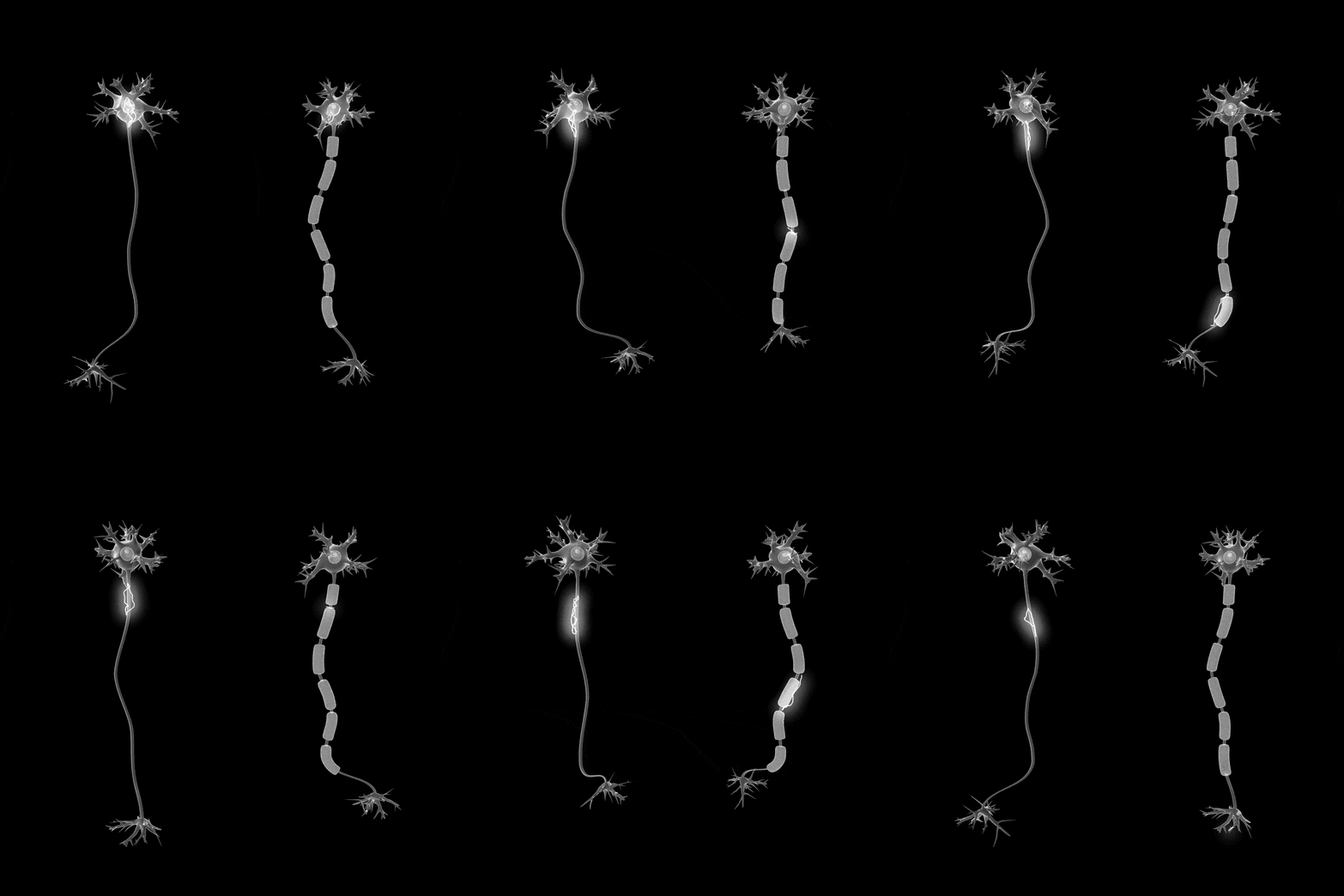
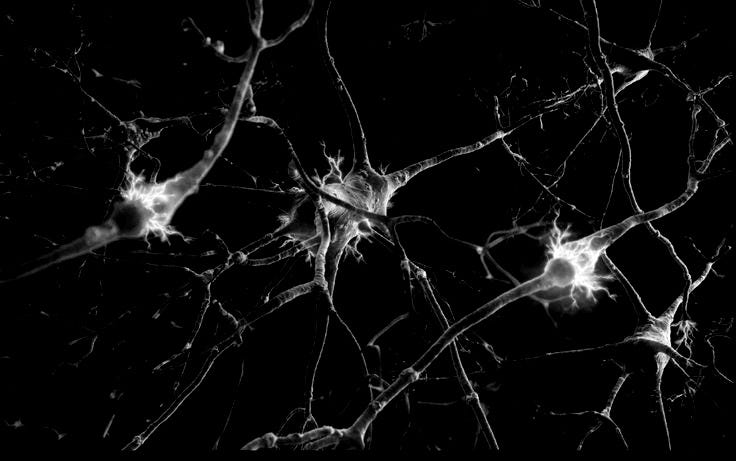
we’ve already discussed this as a common recurring issue but we’ll dive deeper on this, so pay attention.
when we talk about nervous system dysregulation, we’re going to talk about your central nervous system (CNS) in particular.
this comprises your brain, and your spinal cord.
both are essential for vital function, sensation, perception, and overall how you operate in everyday life.
but we’re going to shine line on your brain especially. we can acknowledge that your brain processes a lot of information from everyday life, all stemming from consumption.
particularly consumption in what food you eat, the conversations you have with friends or family, what you consume on social media, what’s being presented on TV, the music you listen to, everything is an input to your CNS.
and the output?
your internal state, what you’re feeling, the energy level you operate at.
you might be asking, how does this connect to nervous system dysregulation?
let me explain. your brain understands these inputs and processes them, in bits of information. studies show that your conscious brain, particularly your cerebral cortex, process roughly about 10 bits of information per second.
as for modern life, it bombards us with over millions to billions of bits per second.
when you look at the difference between conscious processing and our environmental stimuli, that’s fricking ridiculous to think about.
this difference equals something we’re all familiar with, overstimulation.
our CNS ends up being overloaded with all this bits of information we’re receiving, and increases the cognitive load on our brain, a bit too much than what we were evolved for.
i’ve mentioned this before many times in previous articles, but it’s never been more significant now:
our bodies were evolutionarily evolved for scarcity, not abundance.
this abundance stems from the modern life itself, and it’s overstimulating us while increasing our cortisol above its natural baseline.
combined overstimulation and cortisol naturally increasing into a chronic level sends our nervous system into a sympathetic state, it’s fight or flight response.
your brain and particularly your hypothalamus communicates with your adrenal glands to secrete epinephrine and norepinephrine, or, adrenaline, which keeps you in this continuous state of stress and anxiety.
modern life? the main culprit of all this in short.
and in particular, we’ll dive deep into high chronic cortisol next, and why it’s so damaging.
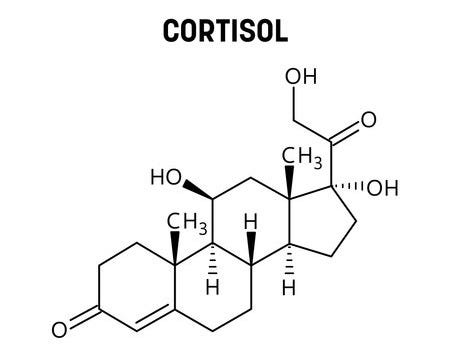
a lot of people mention low and high cortisol as a meme but never really know the nuances behind the hormone itself.
the thing most people don’t understand about it is that it isn’t entirely bad.
short-term wise it can be beneficial, it mobilizes energy, it sharpens your focus, helps with metabolism in your pancreas, and it essentially prepares you for action.
while you prep for sports practice, or a high intensity workout, cortisol steps in as a preparation hormone. to get you to be alert and execute.
however long-term?
chronic cortisol becomes this silent killer that does more harm that most don’t understand fully.
and the most notable effects are insane to even comprehend.
first, it impairs cognition, specifically dealing with memory and learning.
your hippocampus shrinks, and it increases limbic system activity, particularly in your amygdala, which is your brains fear and response center.
and if the emotional brain, the limbic system is online? your prefrontal cortex, which is your logical brain, dealing with higher level functions, get suppressed.
remember what we said earlier about how people with dysregulated nervous systems are reactive? this is that.
emotional brain on, logical brain off. one overrides the other.
second, chronic cortisol suppresses your immune system.
you end up getting more sick as a result of increased inflammation throughout your body and reduced white blood cell activity.
inflammation is also linked to the progression of every serious disease imaginable.
third, your physiology gets affected. your sex hormones get all over the place: low testosterone in men, disrupted cycles in women, and low libido overall.
fourth, your sleep and your overall circadian rhythm gets affected. your natural cortisol rhythm gets flipped.
you can feel tired at night, but never really fall asleep for hours on end.
and last but not least, probably the most common sign is anxiety & depression. as a result of your brain literally bathing in stress hormones constantly.
this is the neuroscience & physiology behind why dysregulated nervous systems can be so damaging.
don’t let all of this scare you however, but it’s important to be educated about cortisol so you can act accordingly.
an insightful supplement to what we’re discussing, this too plays a role in understanding regulated nervous systems versus dysregulated nervous systems, so do pay attention.
this is essentially a theory that outlines autonomic regulation.
this deals with our very own, autonomic nervous system (ANS). the same nervous system that runs the involuntary processes of our body.
it’s what keeps us alive!
and this same autonomic regulation is divided into three separate circuits, shifting dynamically based on safety or danger cues.
but before we dive into the three circuits, we need to bring up the process of neuroception first.
neuroception is our bodies neural processes that continuously evaluate cues of safety, danger, or life threats.
do keep in mind that your brain can’t tell the difference between a real threat and an imaginary threat. it scans literally everything and is a subconscious process, underneath conscious awareness.
think of it as a sort of surveillance system with cameras everywhere.
it’s on constant lookout, scanning the environmental stimuli and shifting our ANS to different modes from the data it detects.
how cool is our body?
this is just the tip of the iceberg for neuroception so to save your time, we’ll dive deep into the bread and butter of polyvagal theory.
the three circuits we mentioned earlier are this:
ventral vagal pathway: your bodies state of safety. parasympathetic activity is up, or your body is in a state of rest & digest.
your body is in a state of relaxation. and your body picks up safety cues from the environment you’re in. you’re safe.
it’s also great to bring up that your defense activation is also constrained.
when the ventral vagal pathway is online, sympathetic mobilization and dorsal vagal shutdown is limited.
your body stays in one circuit at a time. so keep this in mind.
sympathetic state: your body picks up danger cues. it starts to mobilize it’s fight-flight response we’re all familiar with.
your sympathetic nervous system comes online, your hypothalamus then communicates with your adrenals to secrete epinephrine.
heart rate increases, blood pressure too, cortisol gets spiked, muscles get tight.
the emotions vary however.
if your neuroception detects safety cues, you feel energetic, active, playful, and motivated. like you during a workout.
but if you’re on the opposite spectrum and neuroception detects danger cues, you feel stressed, anxious, and fearful.
dorsal vagal pathway: this is your oldest survival mechanism. essentially, if fight-flight doesn’t work, your body goes tp the route of immobilization.
power goes back to your parasympathetic nervous system but you essentially just shut down.
when the dorsal vagal pathway is online, heart rate is low, your energy is low, you have a low muscle tone.
you would feel depressed, lonely, unhappy, and hopeless.
this is polyvagal theory and neuroception 101. most dysregulated nervous systems bounce between sympathetic and dorsal vagal states.
very unhealthy long-term when combined with high levels of chronic cortisol.
regulated nervous systems? mostly stay between the ventral vagal state and a healthy sympathetic state.
moving forward, I’ll show you how to stay between the ventral vagal state and a healthy sympathetic state, through behaviors that help you regulate.
so do pay attention.
“may your cortisol levels stay low, your dopamine levels high, your oxytocin run thick and rich…” - David Rock
there’s an array of behaviors that help with nervous system regulation and especially putting you in a ventral vagal and healthy sympathetic state.
especially to help decrease the chance of you developing chronic cortisol.
you don’t need to apply everything all at once.
you can cherry-pick which ones most resonate with you, and gradually implement them one by one.
but it is recommended that you at least try every form of regulating behavior when it’s most necessary.
so, let’s get into it.
“breath is a direct pathway to our autonomic nervous system, making it both a regulating resource and an activator of our survival states" – Deb Dana
low effort yet one of the highest yielding benefits for regulating your nervous system.
yet in general, most of us are neglecting our own breathing.
this is mostly an autonomic process but the problem is, most are breathing very fast, and very shallow.
studies show that when you breathe this way, it signals to your nervous system that you’re in danger, and triggers your sympathetic nervous system.
this can end up becoming a negative feedback loop that keeps you in this survival mode state, keeping epinephrine and cortisol high.
so what’s the solution? the exact opposite of fast, shallow breathing.
deep, slow breathing will activate the parasympathetic nervous system.
when you breath more slowly, especially using your diaphragm versus your chest, you calm limbic system activity, and increase prefrontal cortex activity.
there’s many simple breathing exercises out there to regulate your nervous system further:
1:2 ratio breathing, Ujjayi, box breathing, 4-7-8 breathing.
all of these take less than a minute or more but the asymmetry can save you when it’s needed.
if you’re about to do a presentation for a class, or it’s almost time for your job interview, you can regulate your nervous system on demand by consciously breathing slowly, and deeply.
long inhales, with audible exhales is the move.

this is super self-explanatory but it’s nonetheless an important reminder.
movement in the form of walking, running, cycling, shaking, and even dancing can benefit you a ton.
especially with high intensity exercise, you’re body will mobilize and build up short-term energy for your workout, spiking cortisol short-term.
this is your sympathetic nervous system working healthily.
afterward once you complete your training, a flood of endorphins, serotonin, and especially BDNF, or brain-derived neurotrophic factor, will get into your bloodstream. this aids with neurogenesis, the creation of new neural pathways, and neuroplasticity.
high upside for your physiology.
but movement also completes the stress cycle.
your body needs to discharge the energy it mobilizes, or else it’ll stay stuck in alert mode, keeping cortisol up.
movement is the perfect outlet for regulation long-term. so do make this a habit if you can.
"sleep is the sovereign physician." - Thomas Dekker
not getting optimal amounts of sleep can do more damage than good.
it’s honestly cringe to see people pull consistent all-nighters and brag about how little they slept because the downsides significantly outweigh the upsides.
a Stanford study says that when you’re sleep deprived, it’s associated with an altered cortisol secretion pattern.
delaying your bedtime could lead to high cortisol levels in the middle of the day.
lacking rest is a genuine physical stressor.
as a result from this stressor, high cortisol can activate your sympathetic nervous system and signal to your adrenals to secrete epinephrine.
not a good way to start the day right?
get at least seven hours of sleep per night.
allow your glymphatic system to drain waste in your body. allow your body to repair and reset itself before the new day. and allow your brain to consolidate any of what you learned throughout the day through your hippocampus and neocortex.
parasympathetic activity increases while you sleep too, and neuroplasticity is in full effect when you do so.
don’t be on the side of the coin that pulls all-nighters. be on the side that sleeps well enough to feel like a superhuman the next day.

this is honestly one of the more underrated forms of nervous system regulation.
and it’s so simple too, taking leisurely walks outside as a habit can do wonders for regulating yourself.
through neuroception, your brain will scan the environment and look at the trees, the grass, water, mother nature itself.
information goes through the visual cortex and the visual association area, then the inferior temporal cortex to process the information which then communicates with your hypothalamus to adjust your ANS state.
nervous system gets safety cues?
parasympathetic activity goes up. ventral vagal pathway gets online.
limbic activity quiets down, emotional brain is offline.
you would feel relaxed, present, a have sense of calm and peace, especially when you’re getting some steps in outside.
truly regulating as it takes your body out of a survival mode state and overall lowers cortisol.
i know the feeling because I make walks a habit myself. i feel almost refreshed after taking a walk in the park and getting some air outside, usually my best ideas come out indirectly during my walks as well.
internalize this habit, it doesn’t take even more than five minutes.
high upside, zero downside.
if an abundance of information from modern life is overstimulating your central nervous system, then you need to cut down on consumption.
find the root source of the stimulation you get.
it is from social media? is it from watching so much news? is it from scrolling on Instagram, TikTok, Twitter, or even Substack?
identify the source, and intentionally cut down on screentime
because sooner or later you’ll end up sending your nervous system into a sympathetic state because it can’t differentiate real threats from perceived threats.
if you want to prevent this, maybe take it a step further and increase the amount of friction to access platforms that provide the stimulation.
deactivate your account, log out for a couple of days, add blockers for your apps.
all of this will decrease the cognitive load on your CNS. which will also let your body relax from the possible notifications and information that’s getting shoved your way by algorithms competing for your attention.
silence your notifications. reduce the noise. and deviate from the digital world for brief moments in time.
“emotional regulation flows naturally from being in the presence of someone we trust.” - Bonnie Badenoch
humans are naturally tribal creatures, it’s evolutionary.
knowing this, community matters more than ever.
and understand that other peoples nervous systems are contagious. if we spend time with regulated people, we feel a sense of calm, safety.
if we spend time with people who are dysregulated, we can feel stressed, anxious, and uneasy.
you would notice this yourself but never really know what it is. this is co-regulation at it’s finest.
the most prominent example would be a mother comforting a crying baby.
the moment the mother picks up the baby and cradles him/her in her arms, the baby stops crying, you can see the facial expression of the baby change, hell even the baby might start smiling.
one of the most significant examples of co-regulation right here.
nervous systems detect other nervous systems, again through neuroception.
when you spend time with someone that makes you emotionally safe, your ventral vagal pathway goes online, you feel relaxed, at ease, and safe.
this is where the role of social circles come into play. surround yourself with people you genuinely love spending time with.
laugh a little, joke around playfully, enjoy the mundane together.
these things will regulate your nervous system a ton.
whether you agree or not, the modern life is significantly overstimulating, which is far more overstimulating than we evolved for.
with nervous systems that evolved for survival and scarcity, our brains cannot differentiate between real threats and imagined threats.
this will cause our central nervous system to overloaded itself.
and once overloaded, we can be in a prolonged period of fight-flight that can damage us long term, especially from chronic cortisol and epinephrine.
by way of regulation, we can deviate from this trajectory.
breathwork, movement, optimal amounts of sleep, walks in nature, reducing stimulation, co-regulation.
all are minimal to no downside, high upside behaviors that help our nervous systems regulate.
to put us between a ventral vagal state, and a healthy sympathetic state.
and the beauty of all these?
there’s no cost or price to pay for regulating yourself.
all of these are completely free, and not regulating yourself is an active choice you’re making.
this shouldn’t be an underrated skill, but one that is normalized, especially in a world that is becoming more reactive, emotional, and impulsive.
take this information and truly apply it, don’t let it go to waste.
your nervous system will thank you in advance.
do what you will.

if you loved this article, you’ll love my other articles here, give them a read:
No posts
Comments
Nothing yet. Say the first thing.
Sign in to join the conversation.