
remember all the “new year, new me” people?
what about the “I’ll lock in for winter arc” people?
i guarantee you we haven’t heard from most of them until now.
and its scary even. statistics show that about a whopping 80 to 91 percent of people abandon their new years resolution goals.
you might be asking, why is that?
why are so many people striving for change in their own lives, but never commit to it fully?
the kind of people that overpromise but underdeliver.
the kind that buy themselves a gym membership, go for a couple weeks, maybe a month if they’re dedicated enough, then stop going entirely.
those that set grand goals to accomplish by the end of the year, but end up falling short of it.
and here’s the problem: most don’t understand the underlying mechanisms that deal with change.
not just any change.
effective change, the kind that involves rewiring your entire brain and nervous system for long-term success.
these underlying mechanisms I’m talking about are neuroplasticity specifically.
here’s the cheat code you need to understand:
your nervous system is malleable, it can adapt and reconfigure its structure depending on the evidence you feed it.
most don’t know this, and end up rationalizing some excuses as to why they haven’t been consistent.
“it’s just a lack of motivation!”
“i just don’t have the discipline for change!”
or even worse, they blame some external factor, then end up going back to their old habits all over again, just like the masses.
but you’ll be the exception.
been studying the nervous system and all the nitty gritty technical details for a bit, a dozen tabs open, MRI scans, brain dissections, YouTube videos, you name it.
but let’s be honest, you want to get to the bread and butter of neuroplasticity.
i’ve compressed everything I know on it in here, and by the end of reading this article, you’ll have a newfound knowledge the masses will kill to get.
no fluff, no theory, no jargon, but actionable advice that explores the what, where, why, when, and how of neuroplasticity to move the flywheel for rewiring our minds to crave hard things.
its currently 3:22 PM as i’m writing this, out of my usual time window for writing deep in the night. decided to change environments and work in a library, i’ve wired my brain to crave such environments for focus.
airpod’s dialing me in listening to C418 instrumentals, the ideal music for writing personally. i’ve been thinking about why so many fail to deliver on their goals, the lack of consistency, and the epidemic of stagnation.
but the underlying mechanisms for this have never been so clear, so pay attention.
as always, do approach all of this with an open mind.
let’s get into it.
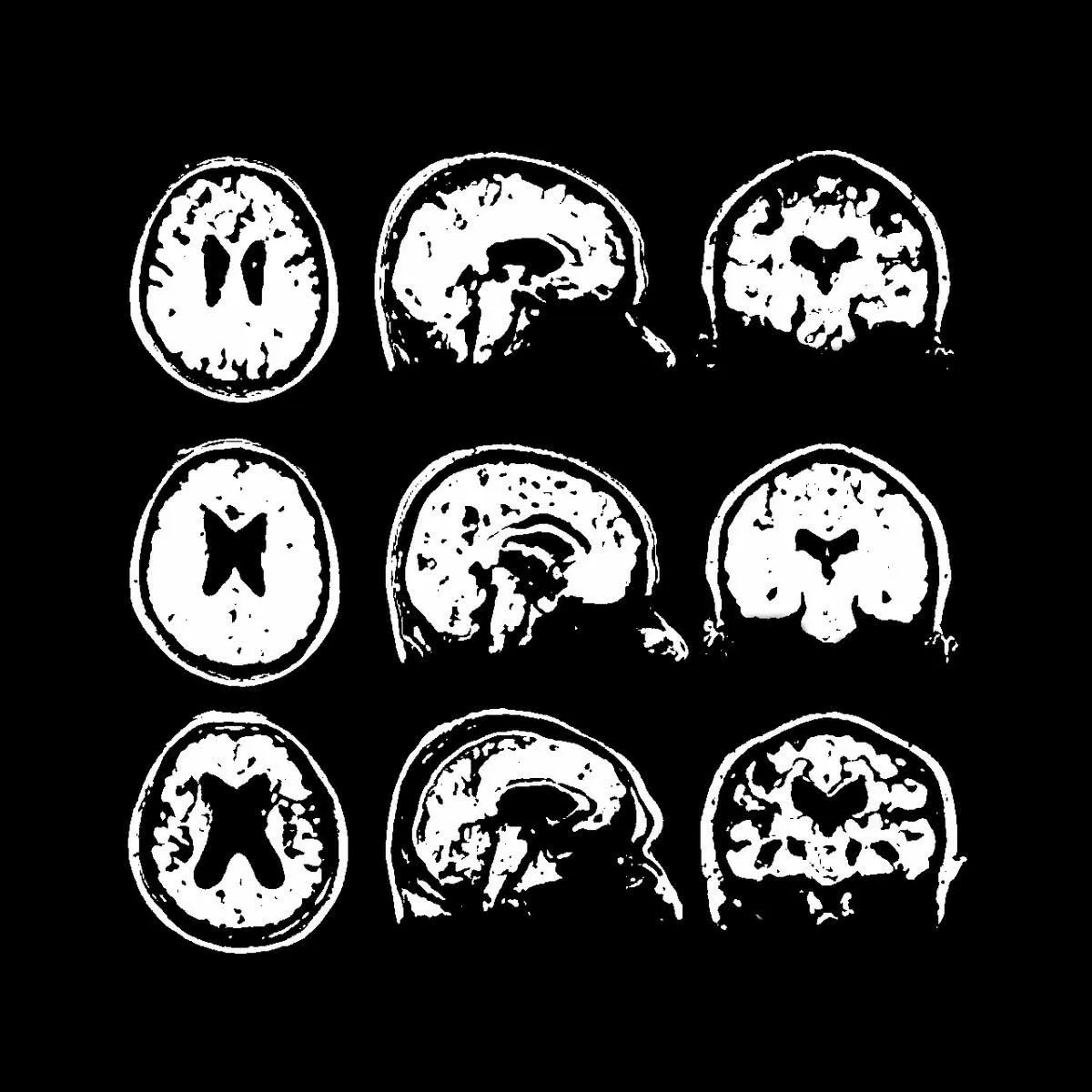
"your brain is a learning machine, constantly rewiring itself based on where you focus, how you react, and what you repeat."
lots of people throw around the term neuroplasticity like its a simple concept to grasp off of some random 30 second TikTok video.
there’s intricacies and nuances that need to be understood first, but lets break down what it is on a fundamental level.
neuroplasticity is essentially your brains ability to rewire or restructure your nervous system based off of external or internal stimuli.
in short, your nervous system is malleable.
you form new neural connections and strengthen current ones depending on what you pay attention to, your behaviors, and every experience you have.
this is a constant mechanism.
your central nervous system involving your brain and spinal cord continuously updates its neural pathways depending on inputs you give it.
but here’s the catch: neuroplasticity is value-neutral.
and you might be asking, what does this mean?
your brain doesn’t care whether or not the behavior or habit you’re reinforcing is good or bad.
it updates its neural connections based on objective evidence you feed it.
scroll on TikTok for an hour a day consistently and you strengthen neural pathways for distractive attention.
decide to read books for two hours consistently and over time you strengthen neural pathways to optimize for intense alertness & focus.
commit to the gym routine to go for three days a week and you strengthen your neural networks to optimize for prioritizing physical exercise in your schedule.
you get the idea? reread this if you need to.
aristotle wasn’t kidding when he said: “we are what we repeatedly do.”
the dude knew about neuroplasticity before it was discovered in the late 19th century.
but this mechanism doesn’t just stop there, we’ll dive into why self-improvement in general is extremely difficult for the masses.
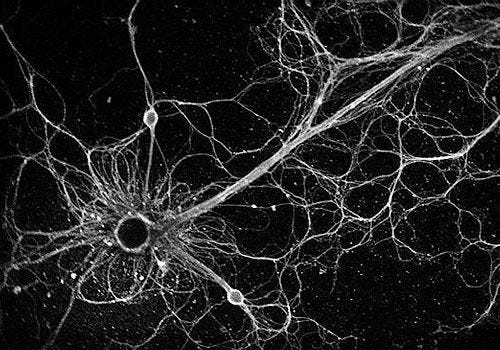
this is the part most people don’t understand, so pay attention.
our brains are expectation machines, they run on a predictive processing model that relies on past experiences, thoughts, or actions.
as a result, most of the time you’re running on autopilot.
brushing your teeth? driving your car? making your bed?
these are all behaviors we don’t even think about often, sometimes we subconsciously do them without consciously realizing.
you don’t care about all the nitty gritty nuances of each step of the behavior.
this is due to current neural pathways being myelinated to the point of them being efficient and automatic for electrical communication between neurons.
and myelin is crucial to understand, it is the fatty substance that’s crucial for neuroplasticity.
it aids in strengthening those neural pathways for efficiency so that a behavior is automatic.
this is why you act quite literally without thinking on behaviors you’ve myelinated over time.
but here’s why changes like “new year, new me” fail.
fact: you’re operating on old neural pathways that don’t align with your current behavior.
if you’re someone that was sedentary and didn’t work out consistently prior to January 1st, you’ve strengthened those neural pathways for being stagnant.
but when you suddenly try to change this on January 1st, sure you can push yourself through sheer willpower but most will eventually revert back to old ways.
you’re still operating on those old neural pathways prior to the new year.
and our brain which relies on predictive processing sees this sudden change and is unfamiliar with the new behavior or habit, it doesn’t expect this.
so it naturally goes back to energy-saving mode and craves the path of least resistance because that’s what you’ve hard wired your nervous system to do.
the change isn’t a lack of motivation or discipline, but underlying in your neural pathways.
your brains expectations don’t match with reality in its predictive processing model, and this is why its so difficult to start a new habit because of the extremely high resistance.
your brain wants to save energy because its simply unfamiliar.
this is why self-improvement and personal growth is so effing hard. you’re fighting your entire predictive processing model.
“what you do now is a mirror image of the type of person you believe that you are (either consciously or subconsciously).” - James Clear
from Atomic Habits, James Clear made it clear (ironic) how identity-based habits are powerful.
more powerful than outcome-based or process-based habits.
but neurologically, this is where it gets interesting.
a lot of people think actions comprise identity, but identity comprises actions and therefore repeated behaviors.
those “i am” statements you tell yourself? they hold more power than you know.
going back to your brains predictive processing model, if you’ve solidified a certain identity or self-image, you’ve myelinated neural pathways that made behaviors aligned with that same “i am” identity automatic.
you identify as a gym person? then weightlifting is second nature to you. willpower isn’t necessary to go to to the gym, its automatic to put on your gym clothes, take your supplements and pump iron.
however, if you’re someone that doesn’t align as a gym goer, you haven’t myelinated those neural pathways for going to the gym.
same goes for writing. if you identify as someone who is a writer, all the behaviors that follow underneath this umbrella are automatic.
however if you’re someone that isn’t a writer, all the behaviors that fall underneath that identity will require willpower, which will have resistance to the habits necessary to create essays, articles, poems, etc.
do you understand the pattern?
you can’t operate on old neural pathways and suddenly engage in new behaviors that are out of your brains expectations, because you’d rely on willpower alone.
this costs a lot of energy, and acknowledging your brain runs on a predictive processing model, it wants to conserve energy, go the path of least resistance, and strengthen current pathways of comfort because that’s what its CONDITIONED to do.
you’d essentially operate on sheer willpower, which is fleeting on its own.
please get this in your head:
identity is neurological, and is important for setting up actions for effective change.
its not the other way around. actions don’t comprise identity, but identity comprising actions.
here’s the other side of the equation you need to understand after understanding identity:
your brain also needs to be fed evidence as well, it trusts behavior over beliefs.
this will counter that cognitive dissonance.
saying you’re a writer while not writing anything is just delusion on its own. your brain won’t rewire or strengthen its neural pathways off statements alone.
you can tell yourself you’re a changed person but if you’re not engaging in any behavior that is out of your old identity then you're the same person.
stagnant.
get this in your head, reread this section if you need to.
its one of the most important concepts to understand, and will connect to the next one.

here’s the part about neuroplasticity that most people don’t get:
you need a level of discomfort for rewiring your nervous system.
it is absolutely mandatory if you need to change.
you may have heard this everywhere, and its absolutely true, that nothing grows within the comfort zone.
this statement has its neurological roots. you don’t form new neural connections when you’re in comfort, matter in fact you only myelinate neural pathways CONDITIONED for comfort.
genuinely when I say this, the more you stay in the comfort zone, the bigger the hole you dig.
you’ll positively reinforce behaviors for comfort the more you deliberately choose that path, and if you deliver that expectation? it becomes more automatic.
are you with me now?
so the antidote to prevent yourself from falling into that feedback loop is discomfort.
you need to chase discomfort as a necessary indicator for growth, not an indicator to change paths.
and neurologically?
you need to challenge yourself by putting in real effort to activate neuromodulators like acetylcholine and norepinephrine that aid in plasticity.
these chemicals deal with heightened alertness and focused attention, that further help with memory encoding for learning and therefore, conditioning.
for neuroplasticity to operate in full effect, you need to operate at the edge of your capabilities.
what I mean is essentially another word for flow state.
don’t put yourself in conditions too comfortable for myelinating existing patterns, while not over exhausting yourself to the point where parasympathetic activity increases, which is your rest & digest state.
high-intensity exercise best suits this.
personally, I love going on runs either early in the morning or in the afternoon. and studies show that acetylcholine and a hormone named BDNF ( brain-derived neurotrophic factor) get released.
these both aid in the growth of new neurons and myelinating neural pathways for discomfort itself, since running can be uncomfortable.
what I’ve observed is that my best ideas and work came after runs, because neuroplasticity is activated from all the secretion of all these happy hormones.
it all makes sense.
so in short, you need repeated exposure to situations that are uncomfortable.
comfort only strengthens neural pathways for craving comfort. discomfort myelinates neural pathways for increasing your resilience and therefore craving growth.
understand this feedback loop and you’re already ahead of everyone else.
“your brain learns from evidence, not intention... your brain pays attention to what you actually do”
the nuance you need to understand about neuroplasticity is that effective change requires consistency.
yes, I know, consistency.
its something we all struggle with.
but here’s a hard pill to swallow, in order to really solidify a new identity or habit, it’ll take multiple months, or even a year to myelinate a pathway fully to make it automatic.
everyone is different, there is no fixed amount of days for a habit to become second nature.
some say its 21 days, some 90 days, maybe more?
all the noise aside, understand this:
studies show that automatic behaviors varies between person to person. some could automate a behavior in 18 days, some within 254 days. with an average of 66 days for a behavior to become second nature.
this should wake you up.
you can’t expect a sudden change to happen overnight, or within a week.
myelination of neural pathways dealing with drastic behavior changes or complex switches may take a while to consolidate in your long-term memory.
treat your behavior for effective change like data.
a week or a month may not be enough data for your brain to update its hardwire of networks.
you need to feed it enough data consistently over time so it can process it for that necessary update. and in your case, to strengthen new neural networks necessary for change.
let’s say you want to make reading a habit, try reading at least 20 minutes a day, internalize it and set actionable steps to make it consistent.
each day you’ll slowly but gradually myelinate neural pathways for someone who has a focused attention span, picking up on the material you’re consuming.
on a large enough time window, this behavior will become automatic the more you read at least 20 minutes everyday, because you’re feeding your brain the actionable evidence for neuroplasticity to work.
lovely to see the power of our own minds, yeah?
studies show that to trigger neuroplasticity in adults, you need to be alert, and focused.
passive exposure won’t work, it used to when you were a child, but now your brain is more developed than it was.
understand this:
the brain doesn’t discriminate on what it myelinates, it only does strengthens neural pathways based on the evidence you give it.
subjectivity is irrelevant, objectivity is relevant.
like I mentioned earlier, if you engage in behaviors that optimize for distraction, that’s what you’ll condition your brain for.
if you engage in behaviors that optimize for impulse, that’s what you’ll condition your brain for.
on the contrary, if you engage in behaviors that optimize for resilience, that’s what you’ll condition your brain for.
in short, neuroplasticity reinforces BOTH positive and negative behaviors.
this puts massive emphasis on where you direct your attention towards. its one of the most crucial things to understand.
what you consume is important, who you’re surrounded by is also important, your environment, your overall inputs matter.
you need to audit your inputs and prime your environment for the effective change you’re looking for.
make sure you’re making it easy for your brain to pick up on stimuli that prompt behaviors for change, to further give yourself that evidence.
trying to become an experienced basketball player?
lay out your basketball clothes somewhere in your room to see it easily, make sure your shoes are somewhere easy to access, make sure your basketball has air, your water and towel ready for your bag.
do this enough times and eventually when you’re getting ready to go outside to hoop, the moment you put on those basketball shorts as step one, you’re already committed to the new behavior.
that’s the level of neuroplasticity you need to reach.
direct your attention deliberately, focus on the right behaviors while priming your environment for effective change.

sleep is seriously underrated for neuroplasticity, and most seem to overlook this.
most people brag about how sleep deprived they are, “look how many hours I’ve slept!”
and goes to show like 3-4 hours from an all-nighter they pulled off to study.
its honestly cringe to see.
very counterproductive and matter in fact, harmful. it impedes neuroplasticity.
when you engage in learning and new behaviors for improving yourself, you’re activating a mechanism called memory encoding.
your brain will store this information you’ve received, maybe from the evidence you gave it to your short-term memory.
however for long-term change?
you need to consolidate these changes, by the mechanism of memory consolidation.
information or evidence will essentially transfer from your short-term memory to long-term memory which will solidify over time.
sleep helps this flywheel go into full effect smoothly, especially during deep REM sleep.
without this? it’ll be harder for neuroplasticity to solidify changes in your behavior. sleep deprivation quite literally caps you of growth.
don’t neglect it. get your 7-8 hours of optimal deep sleep in for plasticity to work.
based off of what we learned, this is why most people fail to incorporate change in their own life:
they don’t understand the importance of identity and the ineffectiveness on engaging in new behaviors on old neural pathways
they don’t understand that you need discomfort to grow, comfort further reinforces behaviors that crave comfort as a result of strengthened neural pathways
repetition isn’t considered for effective change, you need to feed your mind enough data for it to upgrade its hardwire over time
attention isn’t considered and therefore they reinforce
understood why most fail at consistency? good.
this won’t be you though, you’re an exception.
now you know the exact blueprints, frameworks, studies, the neuroscience, everything.
its up to you to do the heavy lifting now.
rewire your identity to someone of success, feed your mind the evidence to let it rewire your nervous system, repeat the new behavior over time to let it myelinate and therefore become automatic.
get your hours of sleep in, direct your attention when it matters and prime your environment for success.
these actionable steps are the closest thing to a cheat code, to update your predictive processing model for someone that can fully 180 their life for the better.
less than six months left to go until 2026 ends.
don’t wait until the new year to change.
only for it to be the same you.
effectively change today.
do what you will.

feel free to check out my other work below, it gets better here:
No posts
Comments
Nothing yet. Say the first thing.
Sign in to join the conversation.