What to know about this weekend's IndyCar race on the National Mall
Why is the car race in this part of D.C.? Will it be streaming? Who's paying for it? Here's what to know before the Freedom 250 Grand Prix hits the National Mall this weekend.

Find the latest business news with reports on Wall Street, interest rates, banking, companies, and U.S. and world financial markets. Subscribe to the Business Story of the Day podcast.
Live Last read · last published · next check
Why is the car race in this part of D.C.? Will it be streaming? Who's paying for it? Here's what to know before the Freedom 250 Grand Prix hits the National Mall this weekend.
Stocks fell and bond yields jumped on Thursday. The Treasury Department is trying to keep a lid on government borrowing costs but with limited success so far.
The U.S. federal debt hit a record $40 trillion this week. The debt has doubled since 2017, and just paying interest on the accumulated debt now costs the government more than $1 trillion a year.
Many people don't pay attention to bond markets, but they should — especially now. This is why they matter and why the drop in bond prices is signaling investor concerns about the U.S. economy.
Chinese property developer Hui Ka Yan has been sentenced to life in prison. The decision marks a milestone in Evergrande's saga after it collapsed with more than $300 billion in liabilities.
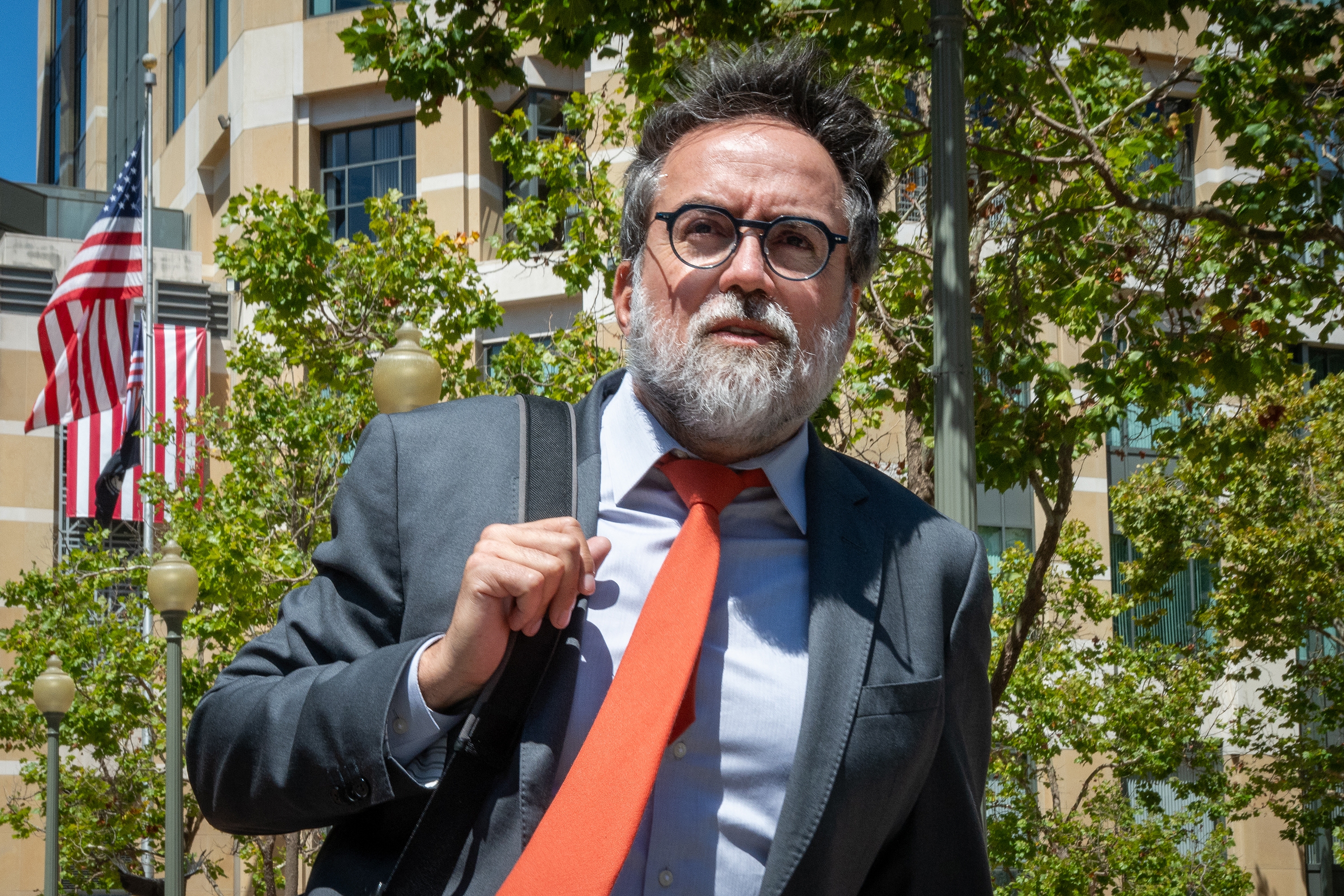
The former Meta employee testified that the company culture prioritized user numbers over child safety measures.
The federal debt reached $40 trillion as the government adds red ink at a rapid rate. That's leading nervous investors to demand higher interest rates — pushing up borrowing costs for everyone else.
ABC and its corporate parent, The Walt Disney Co., filed a lawsuit against the FCC Tuesday, accusing the agency of violating its First Amendment rights.
The Walt Disney Company is suing the FCC, alleging a violation of First Amendment rights by challenges to its ABC broadcast licenses. NPR's Leila Fadel speaks with FCC Commissioner Anna Gomez.
President Trump said he was delaying the 50% U.S. tariffs on Canadian imports after the two countries reached a last-minute deal less than two hours before the sanctions were to go into effect.
The long-running mail-order business Columbia House, which became famous for its record and CD clubs before focusing on DVDs, has announced it'll take its final orders next month.
NPR's Juana Summers talks with University of Michigan economist Betsey Stevenson about trends in women's participation in the labor force and the value of flexible work arrangements.
The ABC network has sued the Federal Communications Commission, alleging that the Trump administration is violating its First Amendment rights by challenging ABC broadcast licenses and investigating the network's talk show The View .
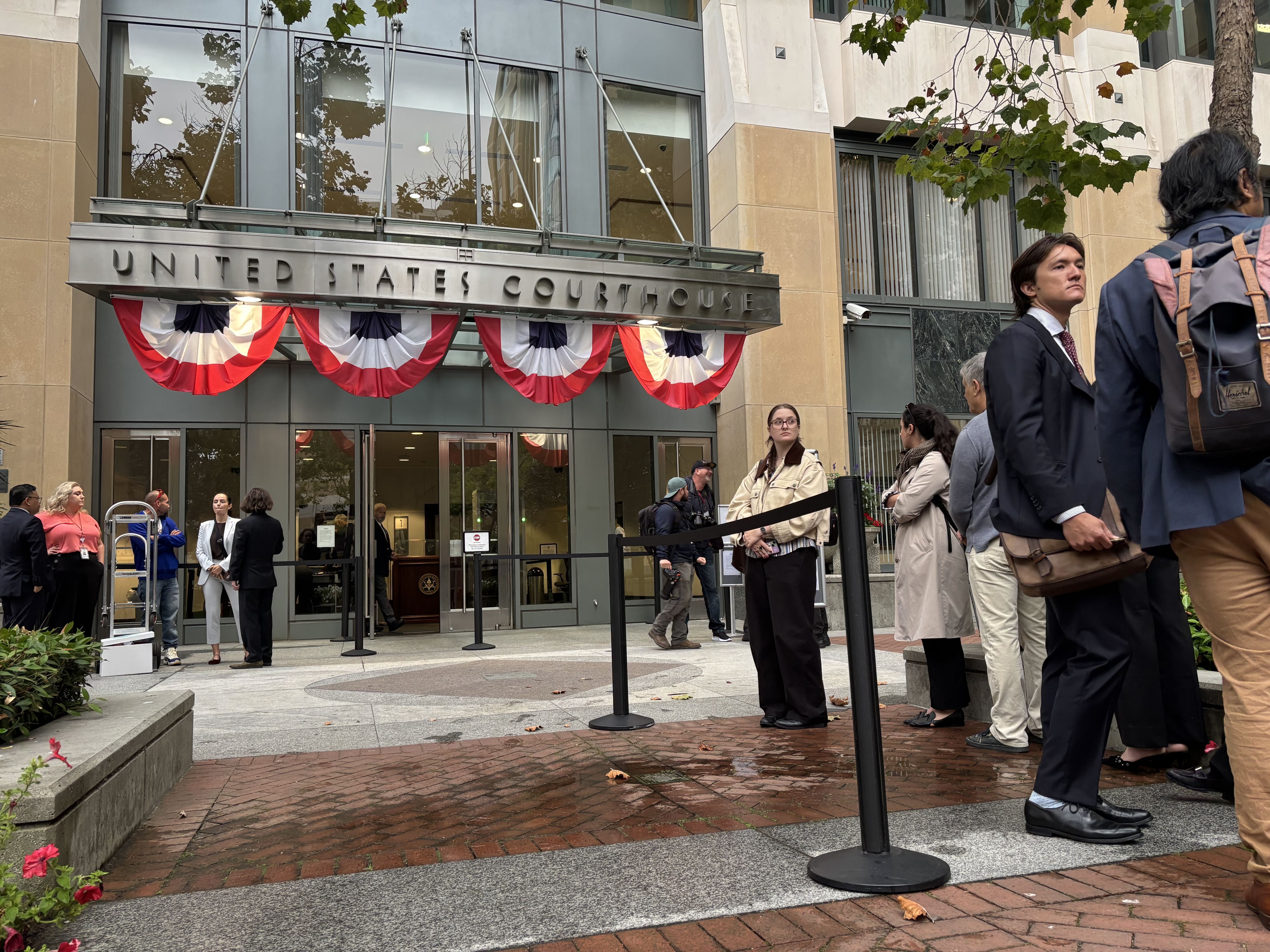
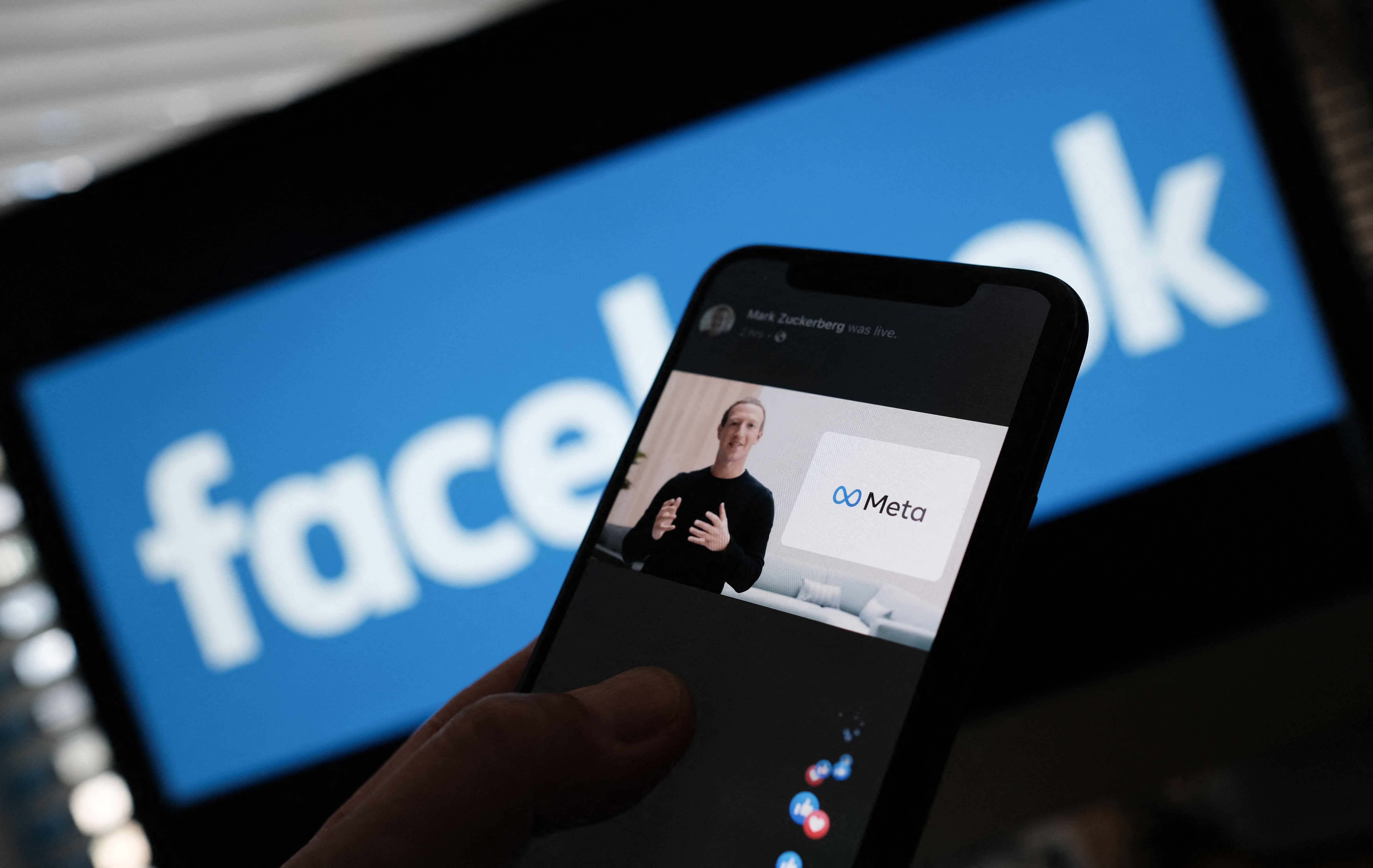
Opening arguments are underway in a trial that pits four states against the company that owns Facebook and Instagram. They allege that Meta knew its products could hook kids — and lied about the danger.
AI can generate songs in seconds. But behind every AI track is a complicated question: Who should get paid? And, how? The fights have started.
The unemployment rate for young adults with new degrees is higher than the rate for all workers, according to the New York Fed. Is AI the problem, or is it more complicated?
As the number of data centers across the U.S. continues to increase, so does public opposition. That has some cities changing their standards for what acceptable data center development looks like.
Unexpected absences can cost employers tens of thousands of dollars a month. An app that helps workers with last-minute transportation, food and childcare is making a difference.
Four states are suing the parent company of Facebook and Instagram, alleging that the platforms were designed to hook kids and that Meta hid the mental health risks.
For 10 years, a Catholic-run home offered young women an affordable place to live in the nation's capital as they studied and launched careers. Now, that community is saying goodbye.
NPR's Danielle Kurtzleben speaks with Kevin Book of ClearView Energy about the United States' dwindling oil reserves as they hit the lowest level seen in more than four decades.
NPR's Danielle Kurtzleben speaks to Wall Street Journal business reporter Theo Francis about refunds some businesses are getting on the billions of dollars they've paid on President Trump's tariffs.
With the Strait of Hormuz effectively closed, pressure on the Panama Canal has increased. And combined with lower water levels, transit prices through the canal are soaring.
From inflation, to credit card debt, to who's actually doing the spending: These are key takeaways from this week in economic news.
Betting on what people say is becoming an increasingly popular category of prediction market sites. Now, federal officials have opened a probe examining whether those markets are a magnet for manipulators.
If President Trump's threatened 50% tariffs go through later this month, construction businesses that rely on materials imported from Canada are among those that will suffer.
The federal lawsuit alleges that the service from the president's media company violates the Constitution. Meanwhile, Trump Media executives say they have signed up more than 10 customers.
Consumer prices in July were up 3.4% from a year ago — a smaller annual increase than in May or June. The news makes it less likely the Fed will feel the need to raise interest rates in September.
Shoppers' changing habits are fueling a major shift in what types of businesses are occupying storefronts.
Experts say AI can get personal finance fundamentals right but may struggle with nuanced questions.