
CW: This week’s What Else? mentions medical trauma. If you’d be more comfortable not engaging with this content, skip down to below the header banner.
I was fifteen with the school bad boy in the back of his Mercedes. I was sixteen with my best friend’s brother in their childhood basement. I was eighteen with my best friend’s other brother at his college apartment. I was twenty at my apartment with a co-worker. I was twenty-three in London with the first person I ever loved. I was twenty-four in New York with someone who didn’t know my last name. I was twenty-six with my boyfriend in the Bahamas. I was twenty-nine, and while I don’t remember the details, it was really, obscenely, screamingly good.
Some of these Clue-style anecdotes are true. Some are not. What’s for certain is that I definitely cried after all of them.
The reason there are so many versions is because for years I was too embarrassed to admit the truth: that I was physically incapable of having penetrative sex. Not just that it was painful. But that my vagina would not under any circumstances open up enough to let something in. And I didn’t know why.
When I built up the courage to tell doctors, I was mostly met with shrugs. A few “don’t worry about it” smiles. Some flat out didn’t believe me, I guess assuming all women in their twenties had to parading around, bedding every hipster bozo in Brooklyn like the characters in Girls. Fickle anatomy be damned! The worst case were the two doctors who, after I shared this, asked me to lie down then proceeded to shove their fingers inside me. As my pelvis flared with pain, they insisted the problem was purely mental. That I needed therapy, or anti-anxiety meds, or a weight-loss program to “reconnect” with my body. Again, I cried all the way home.
It took numerous specialists for me to understand the real cause of my problem wasn’t all in my head. It was vaginismus, a condition where the pelvic floor muscles involuntarily tighten or spasm. Causes vary. In my case, it was likely a combination of past sexual trauma and PMOS1. Management and treatment typically involve a combination of physical therapy (something rarely covered by insurance), vaginal dilators (effectively, unsexy dildos), and counselling.
Some of these options were available to me and some weren’t. But in the five years since being diagnosed, having a name for the situation has helped me feel less dysfunctional. Though it is admittedly still not something most people have heard about outside of perhaps watching the Netflix show Sex Education.
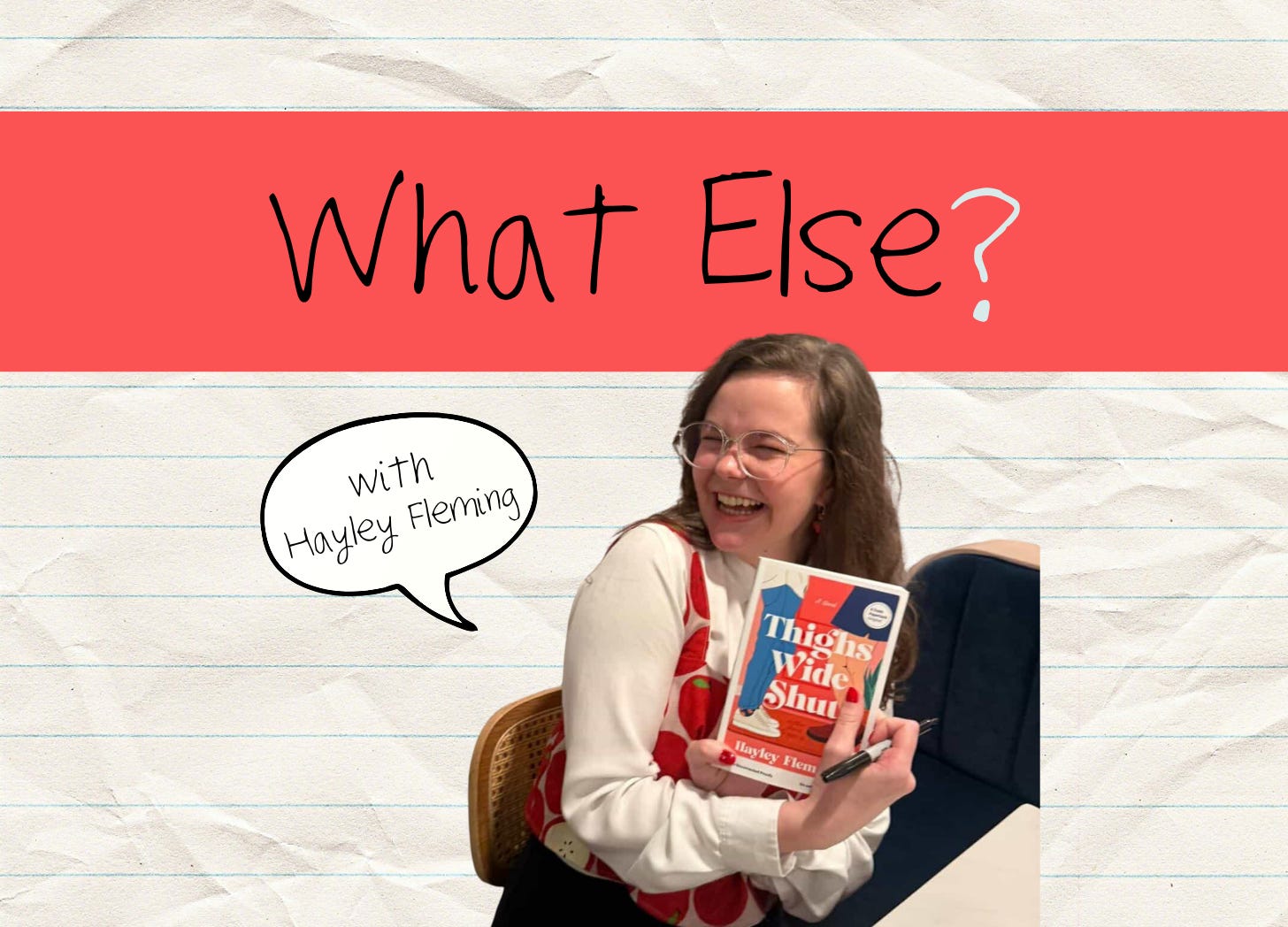
Vaginismus has certainly never shown up in any of my favorite romance novels. Not by name, anyway. Which is why I was so excited when I first heard about Hayley Fleming’s debut novel, Thighs Wide Shut.
Emma is in her late twenties and starting over. After quitting her teaching job and moving from Florida to Boston, she is working at her best friend’s family coffee shop and figuring it out. She also happens to be living below her ex-best friend/crush Harrison. They haven’t spoken in five years, not after her inability to be vulnerable with him lead to a fight that tore them apart. Now, Emma and Harrison have a second chance at romance, but it will require Emma to deal with her vaginismus diagnosis and how it impacts her ability to be intimate—emotionally and physically—first. Real, raw, and at times roaringly funny, it’s the kind of inclusive book I’d love to see more of coming out of the romance world. I’m so happy Hayley wrote it.
Hayley and I gabbed about Thigh Wide Shut, plus how she likes to spend her time away from the computer, including singing in her community chorus and corralling her two, crazy cats. She also shared a couple details about her upcoming 2027 wedding and the inspiration behind the guinea pig featured in her debut novel.
What do you do outside of reading and writing?
My time is pretty limited outside of my day job and writing, but I do strive to find pockets of time to do things that I love.
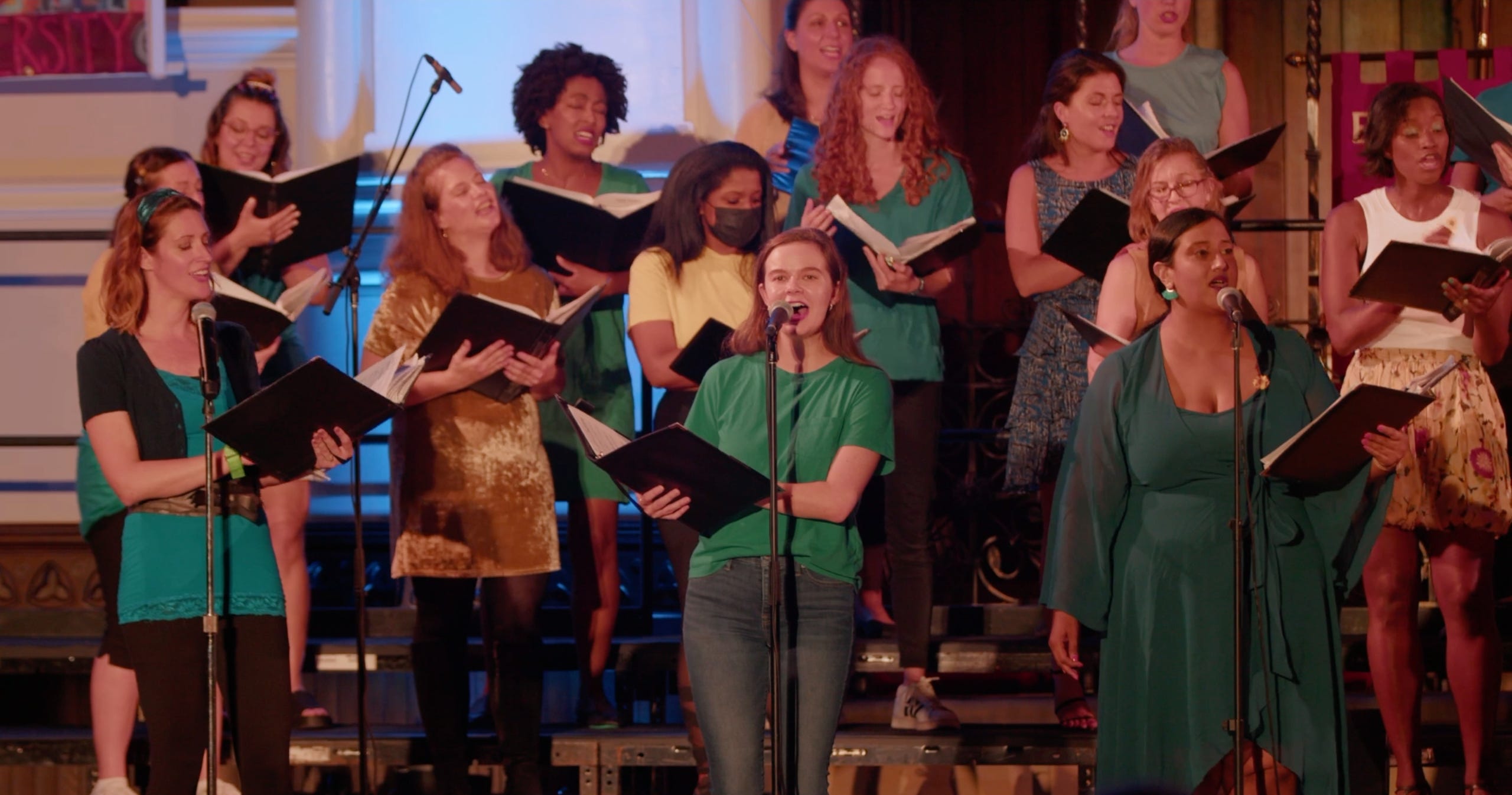
I sing in a local chorus, which is a passion of mine. My fiancé and I also love to have people over for dinner. We do it every week and host many dinner parties. Right now, I’m also spending a lot of time planning a wedding and trying to keep my cats occupied.
What’s your day job?
I work for a nonprofit. I derive a lot of meaning from the work I do. I enjoy going every day, even when it is really busy. That’s really important to me as someone who is kind of working two jobs right now. It’s also maybe healthy for me to have two, very separate things going on. I never get too bogged down in either. But it’s a little weird to have a job that has nothing to do with writing. I’ll tell people I have a book event and they’re like, “What?”
How did you get involved in your local chorus?
I have a long history with music. I grew up playing the piano and did band through middle and high school. I took one music class in college and really liked it, then took two more and really liked those. I just kept taking them and suddenly, I was a music major.
When I moved to D.C. after college, I didn’t have room in my apartment for a piano. I played the French horn in high school and everyone would hate me if I started practicing that in an apartment building. So I picked up singing seriously for the first time in a casual, community chorus. We sing together once a week. It’s people of all different ages. It’s fun, another way that I exercise a different part of my brain and stay active in the community.
What kind of music does the chorus sing?
The chorus’s schtick is that they celebrate American composers and music. They use that term pretty broadly, though. Each of the concerts is vastly different. Sometimes we’ll sing more traditional choral music. Once a year, we’ll do a show that’s more in the show choir style of popular music with a theme. We’ll do some dancing.2 We sing all different songs, which is another thing that keeps it really fun.
You also mentioned dinner parties. Does this mean you enjoy cooking?
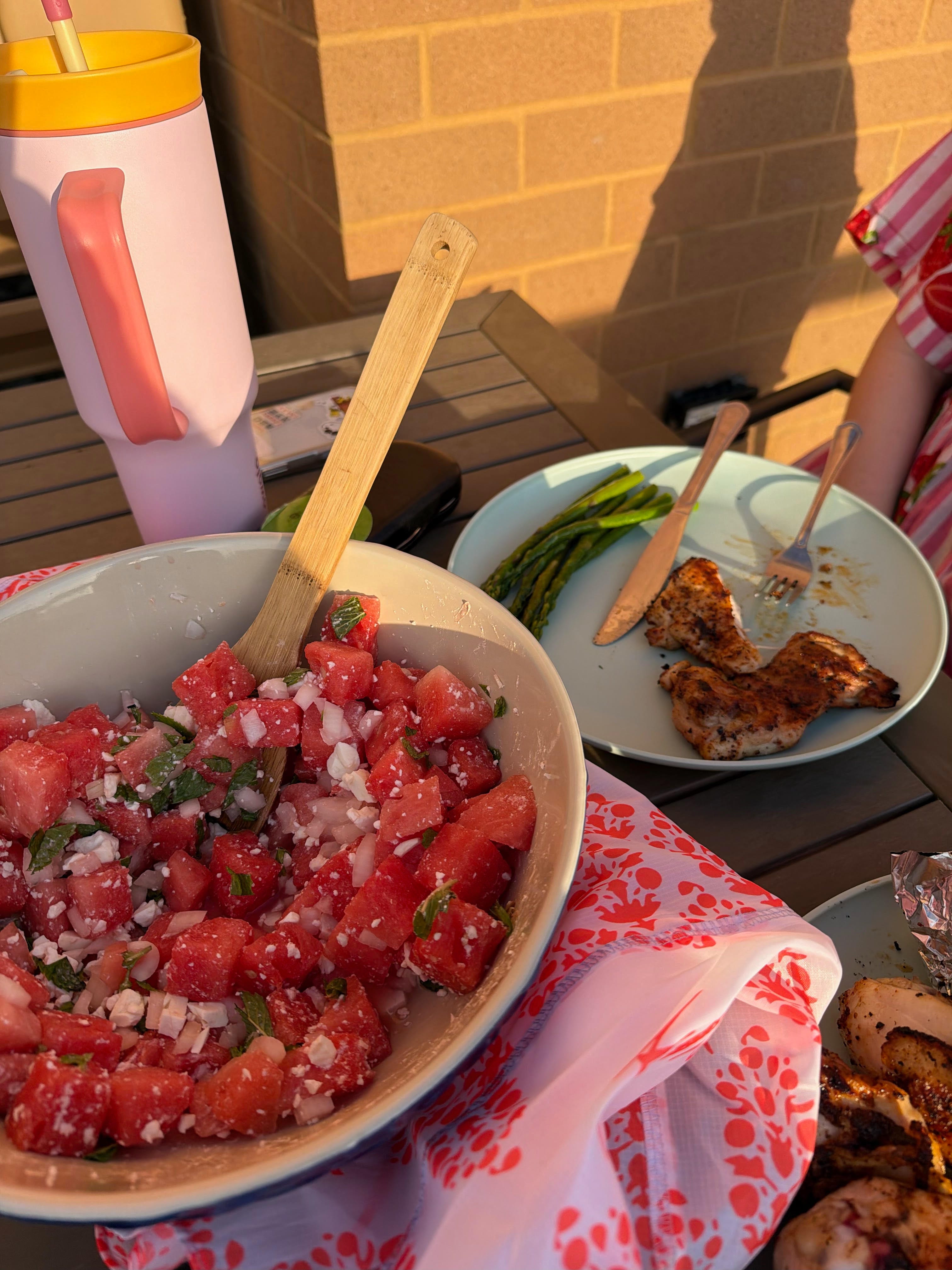
When I say we have dinner parties, what I actually mean is that my fiancé does 100% of the cooking and then I do about 80% of the dishes. I actually do zero percent of the cooking in my household. I love to eat and he loves to cook. It works out!
We like making last minute plans. Not more than a week out. And we keep it simple. We live in an apartment building with a rooftop that has grills. We’ll have people over and then just carry a bunch of stuff upstairs, our crappy plastic plates or even paper ones. We also only typically invite two other people over at a time. It’s just our way of catching up with mostly other couple friends.
Hosting people is also cheaper than going out for drinks in a lot of cases. It’s way more chill.
What’s it like living in D.C.?
I like it a lot. It feels like a small city. Geographically, it’s easy for me to get from one part to the other in twenty minutes. It also feels like everyone knows each other. I’m constantly running into people who have some kind of tertiary connection to me, or I’ll meet someone at a party who lives in my building.
It’s a weird time to live in D.C. I live down the street from the Capitol, so even though I don’t work in Politics, it feels very physically close to me, which can be really hard at times. There’s been a lot going on in D.C. the last year and a half, but I’m thankful the city has such a close community. It feels like people are really looking out for each other. I’m grateful to live here.
You said you have cats. How many?
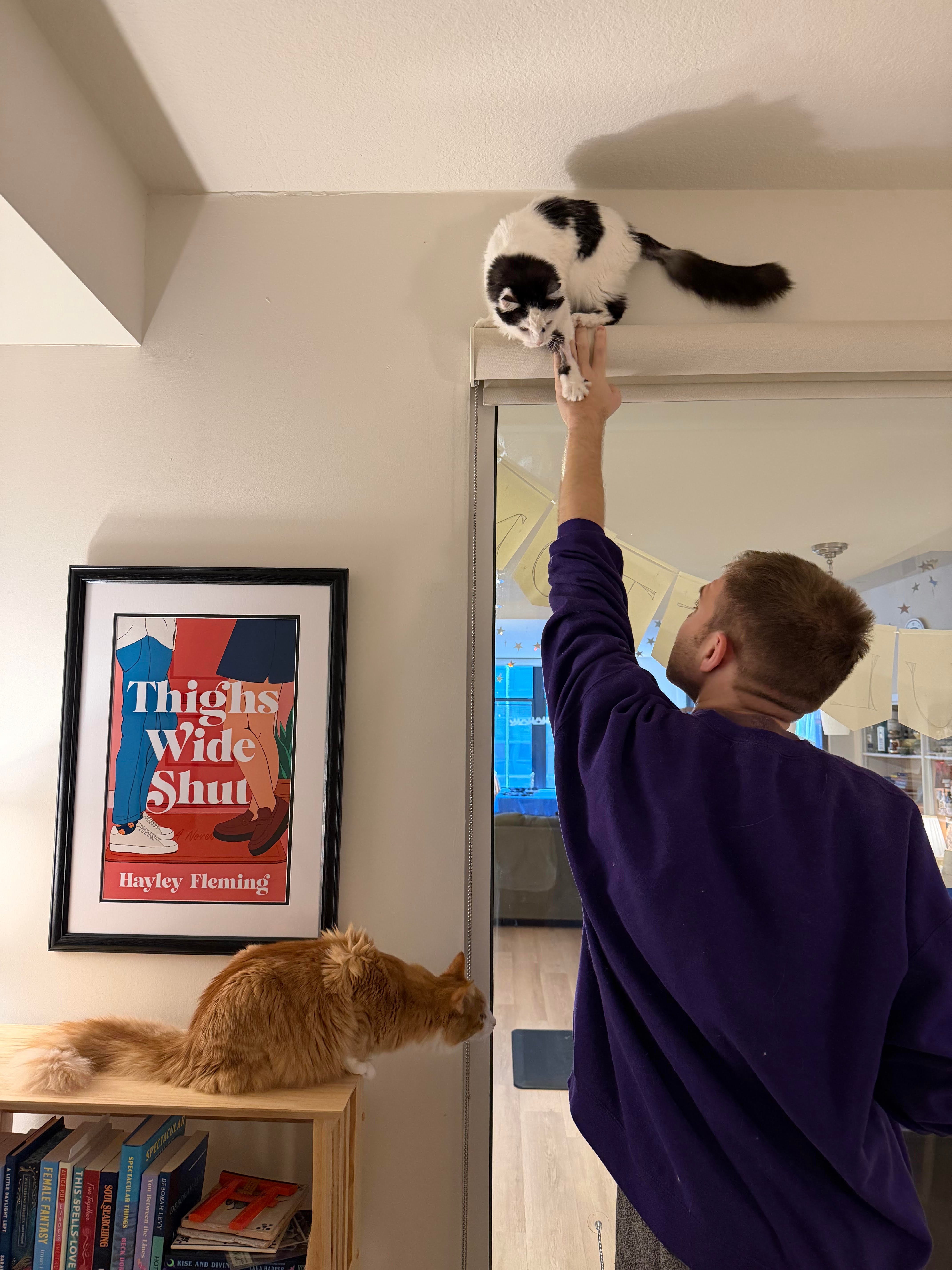
Two, but one of them has enough energy to be three cats combined.
How do they help or hinder your creative process?
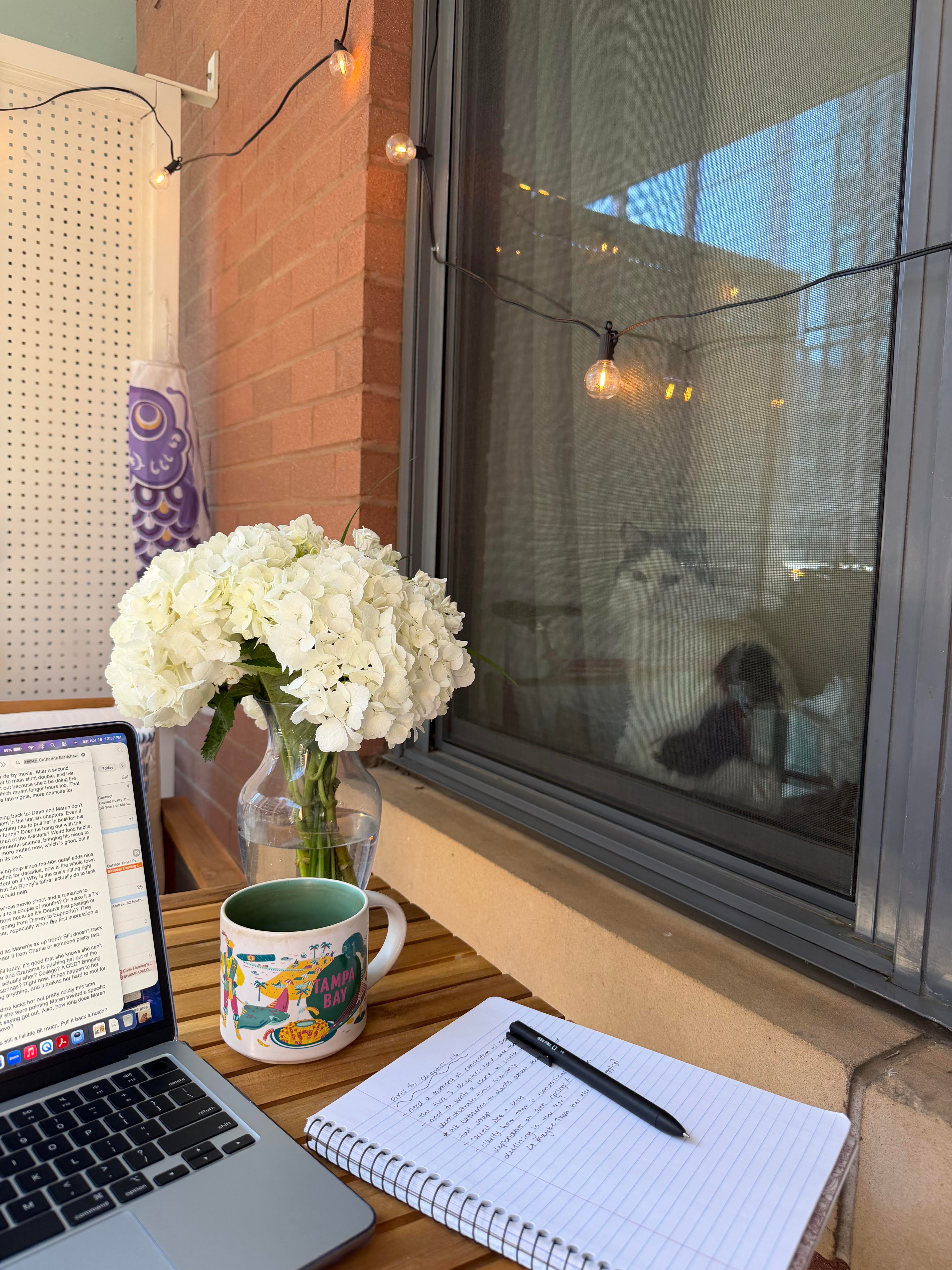
Having them has added a lot to me personally, but it’s really detracted from my creative capabilities. That might just be specific to my cats. In the last week, they’ve knocked two mugs of tea off the table and shattered them while I was trying to write.
I have one cat who anytime I sit down with a laptop, she comes up and tries to bite the screen or will bat my face. They have a really hard time with me trying to sit quietly. If I lock them out of the room, they’ll start screaming at the door. A lot of times, I’ll lock myself on our tiny balcony and write, or I’ll go to weird places, putting them in the bedroom and myself in the study so there are multiple rooms between us. Occasionally, I have to actually leave the apartment.
They’re very cute and they bring me a lot of joy, but they make it very difficult to write in my own home.
I love that you put yourself in the smaller spaces and let her have the rest of the house.
She has control of the place. I don’t pretend to own it. I just work around it.
Tell me about wedding planning. How’s that going? I feel like the wedding industry, especially post-Covid, has become so overwhelming.
I was feeling great about it. We got engaged in December. We booked a venue in January to get married next June. And then I was sitting at my desk at work and got a New York Times notification that the college that owned our wedding venue was permanently closing. That’s how I found out my wedding venue contract had been cancelled.
Thankfully, we’re still a year out, so I was able to scramble and find a different venue, one I had originally really liked but that was out of our price range. They felt bad for us and gave us a very steep discount. I would not say it was all worth it in the end because those two weeks were really brutal, but we did solve that problem. I know now how quickly things can fall through and my anxiety levels are higher than they were.
But I love weddings. I love pretty dresses and the grandeur of it all. Plus the idea that it will be the one chance to bring everyone we know together. That concept is so interesting and appealing to me. I’m excited!
Let’s talk about Thighs Wide Shut. How did you come to write it?
I have vaginismus. I read romance novels. There is no overlap in those two things. It’s very hard to find a reference to anything even similar to vaginismus in the genre, or in pop culture generally. I think that’s absurd given how common the condition is. Part of the issue, though, is that even though it’s common, people don’t talk about it a lot.
The only time I’ve seen it in pop culture is in Sex Education.
The most common response I get when I tell people the character in my novel has vaginismus is, “Oh, that thing that’s in Sex Education, right?” We need more than one cultural reference point for this thing that a lot of people deal with.
After I was diagnosed, it took three different medical professionals to actually tell me what it was called. The first time I went to the gynecologist and realized something was wrong, she didn’t use the word “vaginismus.” She just referred me to a pelvic floor therapist. That pelvic floor therapist was also totally incompetent and did not use the word vaginismus. It took a third medical professional to name what I had, which then allowed me to do the research and realize I wasn’t just broken in some way.
One of my goals with this book was to use the word “vaginismus” a thousand times: in the writing, in promotion. Even just using the word helps change the fact that it’s so hard to find anywhere on the internet other than medical blogs. That’s my white whale. I’m so passionate about it because I’m so mad about what I went through and the things I’ve heard other people have experienced.
You explore the insurance piece of vaginismus in the book, which really hit home for me. My insurance never covered things like pelvic floor therapy.
It’s devastating. I was really lucky that the insurance I was on at the time I was diagnosed did cover physical therapy, but I know that’s an outlier. It all connects back to the lack of education. That’s true of so many different women’s health issues. I think about the types of conversations I’ve had with gynecologists where clearly they knew what vaginismus was but they hadn’t been super well educated on it, which is insane.
If doctors don’t really know what it is or what to do about it, then why would insurance companies cover treatment? It’s such a horrible cycle.
The novel also explores book banning. Why did you choose to include that in the storyline?
I am originally from Florida. Both of my parents are educators and writers. I grew up around the literary scene there. In recent years, as book banning has become so much more common in Florida, it hits really close to home. Libraries were really important to me as a kid and shaped who I am as a person and as a writer. So many of the books that were important in my teen years as I was realizing that I liked to write are no longer available in school libraries.
Part of Emma’s story is that she had an argument with a parent about Romeo and Juliet and then it got escalated to the school district. That’s a real thing that happens in the school district where I grew up. They no longer teach Romeo and Juliet in its entirety. So I wrote about that because it’s really personal to me. I was throwing a lot of personal issues into this book and seeing what stuck.
I have also read a lot of articles saying that the norm now in a lot of places is not to read a whole book in an English class. You just read excerpts. I feel like part of the right of passage of high school English class is forcing your way through books that you don’t like and speeding your way through ones you love. I don’t know how we expect kids to turn into readers if we’re not teaching them to read full books.
The characters in the book explore what it means to, for lack of better phrasing, have your shit together. You strike me as someone who does. Why did you want to write about this topic?
That aspect of Emma’s character was not me writing myself into her.
I think from a purely plot standpoint, it made it a lot more interesting for her to be plopped in a city where she hadn’t been for a long time, full of people she hadn’t seen. And there’s so many different aspects of her life where she feels like she’s behind. I wanted the book to be about second chances with her relationship, but also for Emma it’s a second chance at learning how to be a real adult. It’s about relearning who Harrison is as a person, too; relearning someone that you used to know very well.
There’s so many new beginnings in this book, so I liked the idea that Emma felt like she was starting from scratch. That adds to the urgency she feels when she thinks about having to, as she would describe it, “solve her issues.” I’m not as compelled by romance characters who have their shit together.
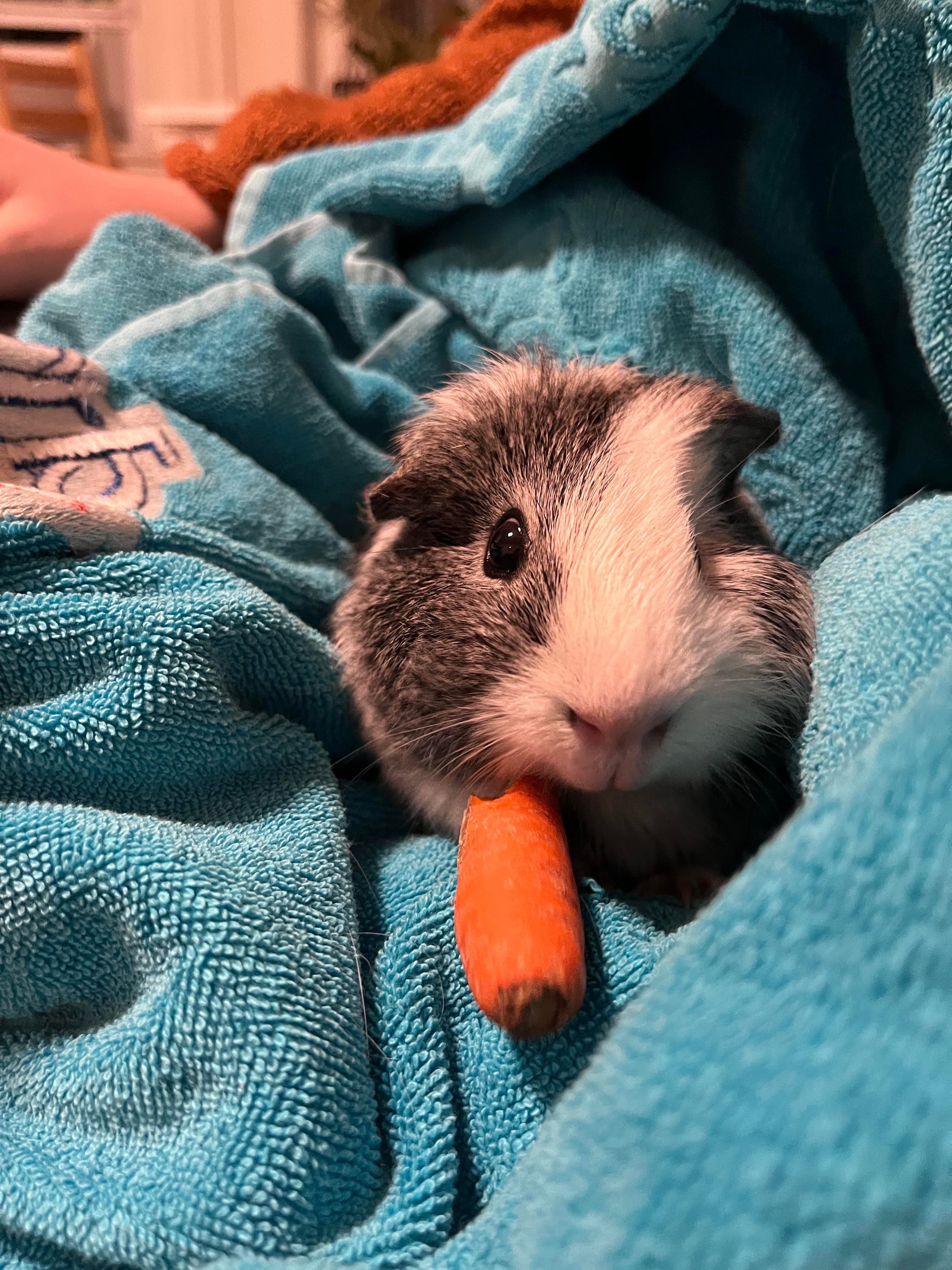
I found it really funny that Harrison has a guinea pig. I don’t think I know anyone over the age of ten who has one. Why did you choose that pet for him?
I have a close friend who helped me a lot with this book because she grew up in Jamaica Plain, Boston, which is where it’s set. She also had a guinea pig, so I wrote that guinea pig into the book. Its name was Raya and it was grey and white. She passed a couple years ago, but she lived for quite a long time. I would go over to my friend’s apartment and she’d be squeaking. We’d take her out and she’d sit on the couch with us as we fed her carrots.
I think at one point in a draft there was some backstory about how Harrison came to own a guinea pig. Because he’s a pediatric nurse, I’d said a kid had either given it to him or told him to adopt it. That context got removed so now there’s absolutely no explanation for why he owns a guinea pig. I just felt like it fit him.
There is so much miscommunication in the book, which is a pretty divisive romance trope. How do you feel about it?
I’m always fascinated when people ask me about this because I also hate miscommunication tropes in books. I find myself banging my head against a wall.
It’s not that I don’t know that I wrote that into this book. I just think the context is so different when we’re talking about something medical. This book is a twist on the miscommunication trope. At the heart of it is something Emma hasn’t told Harrison, but I think it’s fair to ask whether she should have told him or if she was obligated to tell him her medical history if she wasn’t comfortable with it. Those are the questions that were going through my mind when writing.
What are you hoping readers will take away from the novel?
I think my number one dream for this book, which is for a smaller minority of people rather than for readers at-large, is that I really hope people who have vaginismus see themselves in this book. It’s such a personal condition and everyone experiences it very differently and for different reasons. But as I was writing, my goal was to portray it as accurately to one version as possible, and also really dive deep into how it impacted Emma as a person.
My hope is that the people who have vaginismus and have never seen themselves in pop culture other than in Sex Education feel seen by this book. And for people who have never heard of it before, I really hope they learn something about it and that it becomes part of their language rather than a weird medical term they’ve never heard before.
Can you share anything about what you’re working on next?
My second novel will come out sometime next summer. It takes place in Florida and is about people who do synchronized swimming shows dressed as mermaids. It’s based on a real place called Weeki Wachee Springs. It’s a one-eighty in some ways from Thighs Wide Shut, but I think it’s going to appeal to the same readers. I’m having an absolutely delightful time working on it and thinking about mermaids 24/7.
Hayley Fleming grew up in Florida, where she was raised by two novelists and surrounded by alligators and English professors. She earned her Bachelor of Arts in political science and music from Amherst College. Nowadays, she lives in Washington, D.C., doing nonprofit work by day and writing rom-coms by night. In her free time, you can find her chatting with her romance book club, singing alto in a local chorus, and scouring the internet for budget flights to fun destinations.
Formerly known as PCOS, polycystic ovarian syndrome.
Hayley did some spectacular jazz hands as she said this.
Comments
Nothing yet. Say the first thing.
Sign in to join the conversation.