
I want to start by saying something slightly designer low-brow:
I love Pinterest.
I love how fast it is.
I love the rabbit holes.
I love that it lets you see 200 kitchens in 12 minutes.
But what Pinterest gives you is not taste.
It gives you averages.
It shows you what performs well.
Not what’s exceptional.
Not what’s rare.
Not what’s special.
It shows you what enough people agreed on.
And if you’re not careful, you’ll mistake consensus for discernment.
To use Pinterest well, you have to treat it like a machine that needs supervision.
You have to:
Edit and question constantly.
Refuse entire visual directions.
Actively sabotage the rabbit holes it tries to push you into.
Know when something is “good” versus when something is simply “popular.”
That requires a trained eye.
And a trained eye doesn’t come from the feed.
It comes from outside of it.
Otherwise:
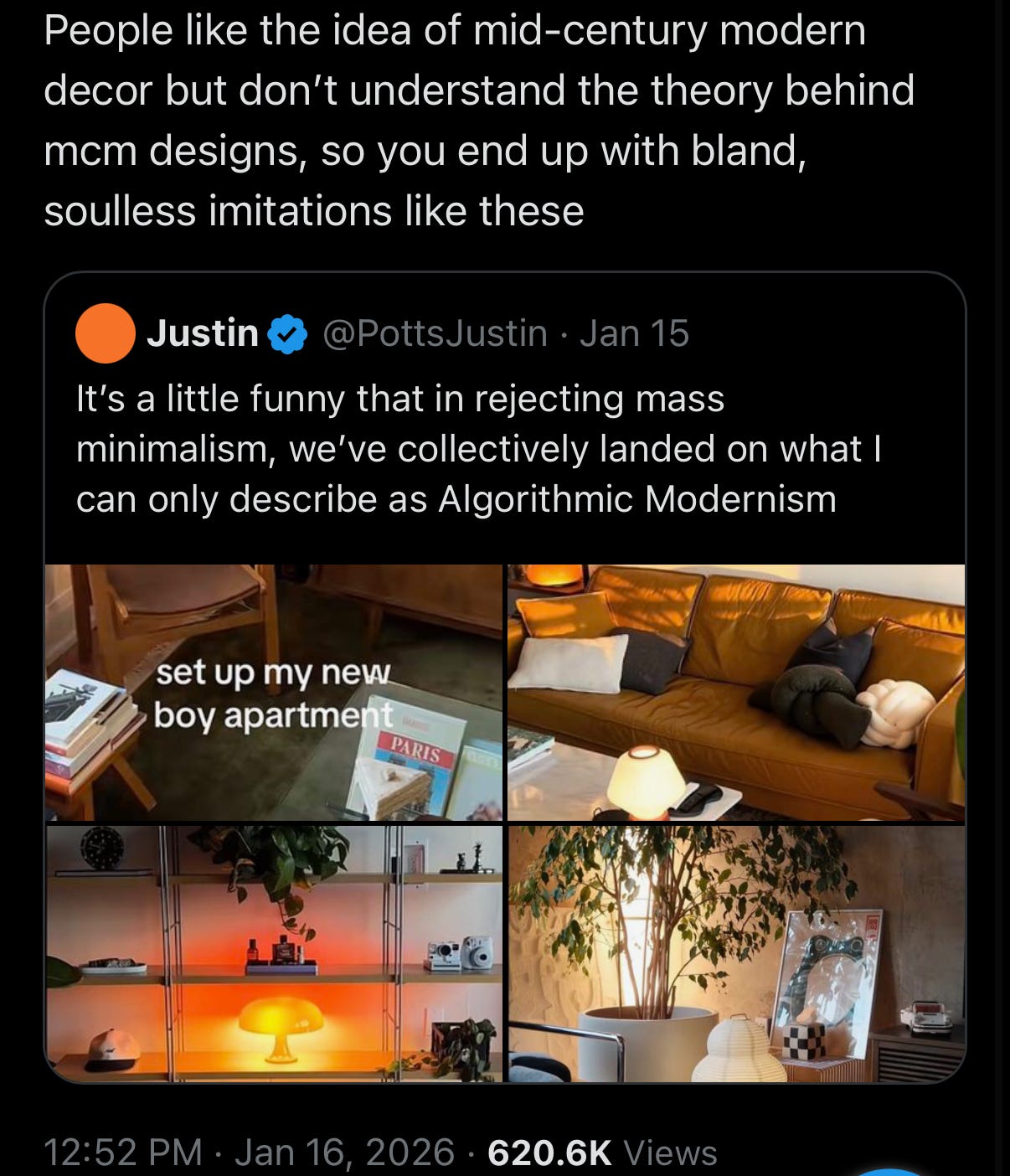
Your taste slowly collapses into what performs.
Because Pinterest doesn’t show you what endures.
It shows you what spikes.
Not what deepens, develops, and layers your taste over time.
It doesn’t show you the archive.
It shows you the highlights.
And highlights are optimized for mass appeal.
And the longer you sit in it, the more your eye flattens and if you’re not careful, you wake up in Boucle.
None of us are above it, babe.
Not forever.
Just long enough to remember what you actually like.
The fastest way I know how to do this?
Vintage design books.
Preferably weird ones.
Not coffee table books from Urban Outfitters.
Not brand-new monographs with the same five houses we’ve all seen.
Not the algorithmically re-packaged “design inspiration” cycles.
Definitely not these:
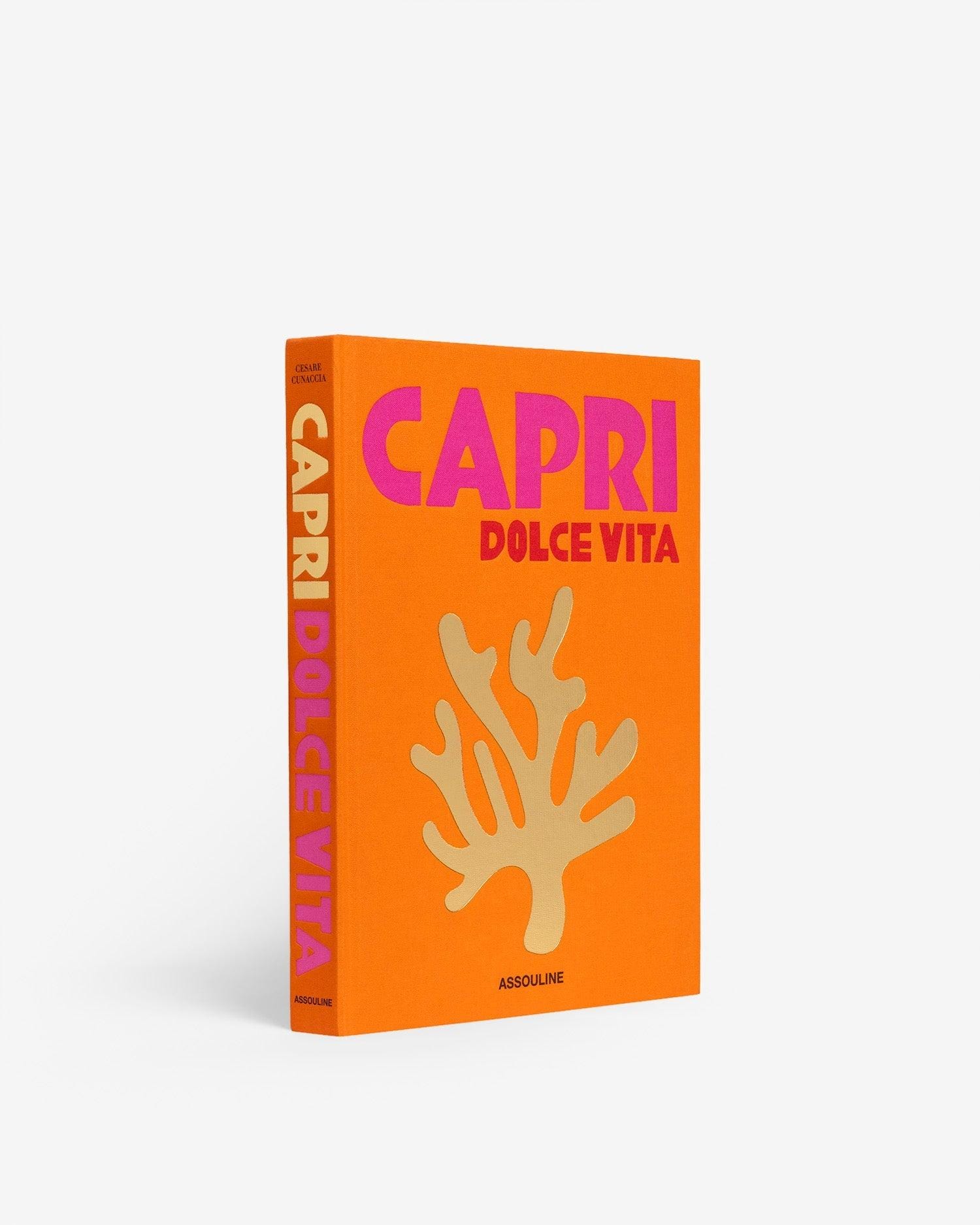
I mean:
Old architecture books.
Out-of-print interiors anthologies.
1970s paint catalogues.
Graphic standards manuals.
Regional house surveys.
Weird 1980s decorating manuals.
Niche designer compilations.
Books that probably smell slightly musty.
Books that don’t show up on Google.
(Spoiler: I put together a library of all the best ones for you.)I’ve been building a vintage design book library for more than 10 years.
I pull from it at the start of every single project — clients, my own house, everything.
It’s the only way I know how to stay slightly ahead of the feed instead of inside it.
Most of these I’ve found digging through vintage design bookstores and then going down deep eBay rabbit holes.
My two favorites:
Book Bazaar in Sarasota
Mast Books in NYC
I’ll keep adding to this library over time.
But I put together the non-negotiable foundations for building your own off-algorithm taste archive.
Thanks for reading! This post is public so feel free to share it.

The original “how to think about a house” manual — not vibes, but systems. Conran doesn’t decorate; he diagrams how a home actually works (storage, circulation, light, daily rituals) and quietly teaches you that good interiors aren’t aesthetic accidents — they’re logistical decisions made beautifully. I’ve found you one here, here and here. 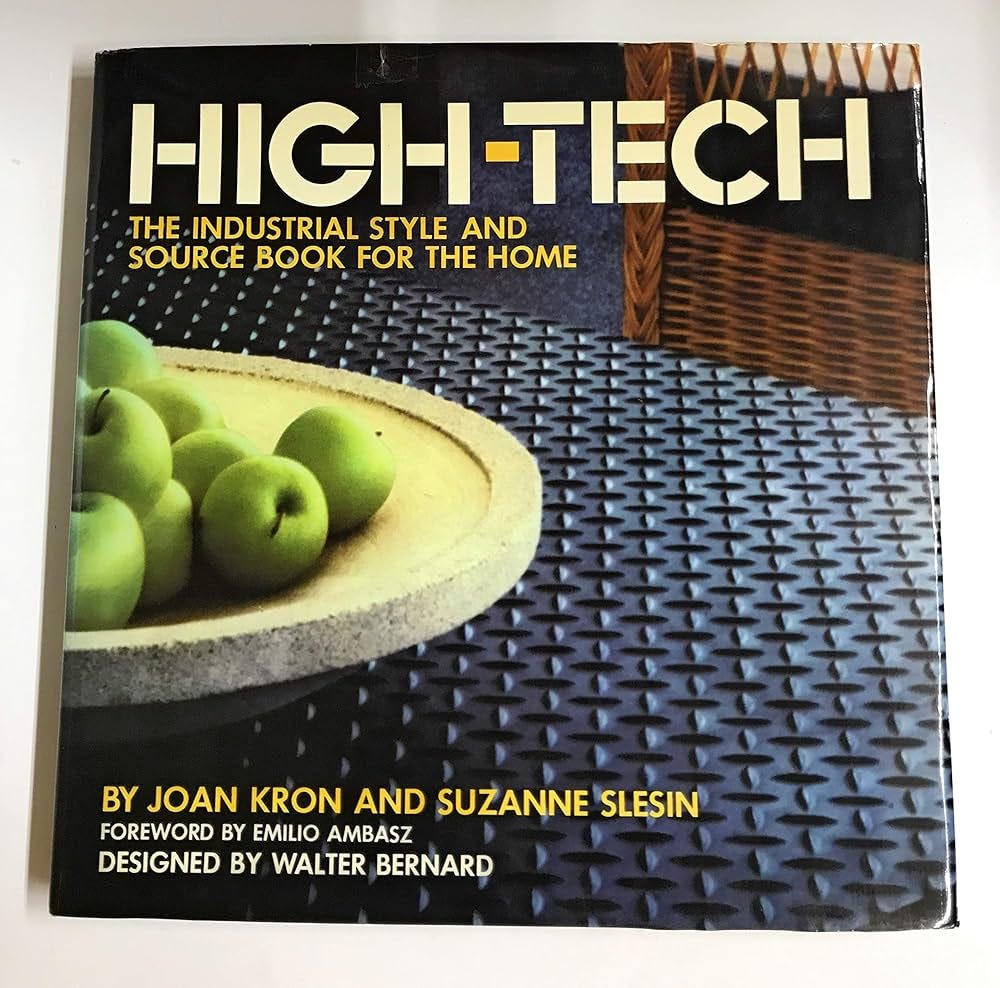
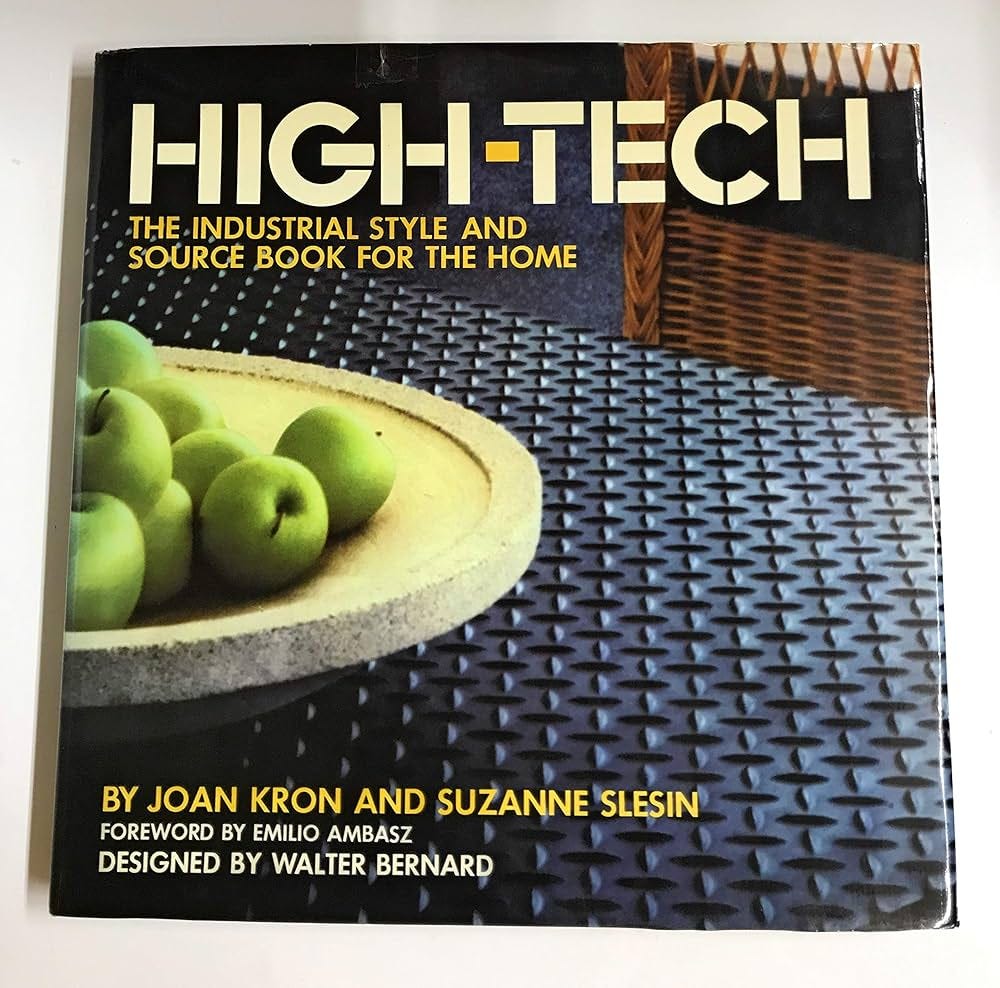
If you want to stretch your brain a little further, and you’ve ever taken a photo of a glass block wall, used cinder blocks as a coffee table, or had your life changed by chrome, get yourself a copy of High Tech: The Industrial Style and Source Book for the Home (1978) by Joan Kron and Suzanne Slesin. It’s a time capsule of exposed structure, steel shelving, glass block, and the moment when industry became interior — packed with hundreds of images that feel radical, practical, and occasionally unhinged in the best way. It reminds you that what once felt futuristic and niche can become foundational, and that real design movements start with ideas, not aesthetics. Not just that, but it includes “where to buy” guides to all the different products. McMaster Carr, but make it fashion. I found you a copy here, here, and here. 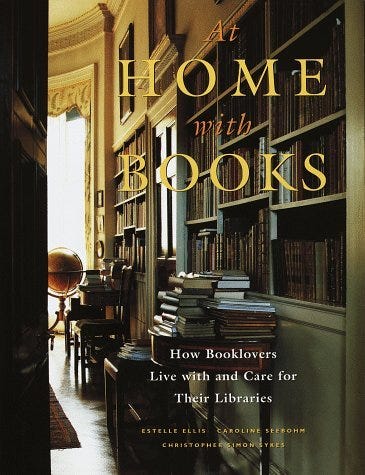
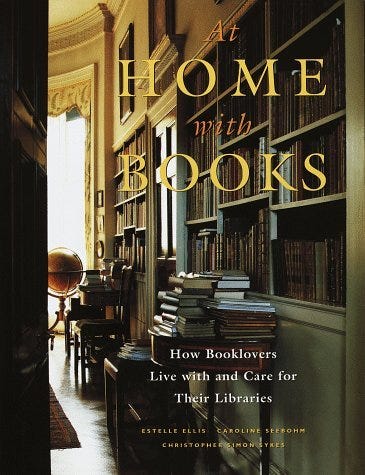
A book about how to live with books, talk dirty to me. If you have accumulated books uncontrolably, or dreamed about having a reading nook your whole life, get a copy of At Home With Books. This book catalogues ways of incorporating reading spaces, and libraries into domestic interiors and has an abundance of inspirartion for these spaces as well as breaks down ideas like the art of the bookshelf. The photos are striking because they are seemingly un-styled photos of truly lived in spaces that look perfectly put together none the less. I found you a copy here, here, and here. 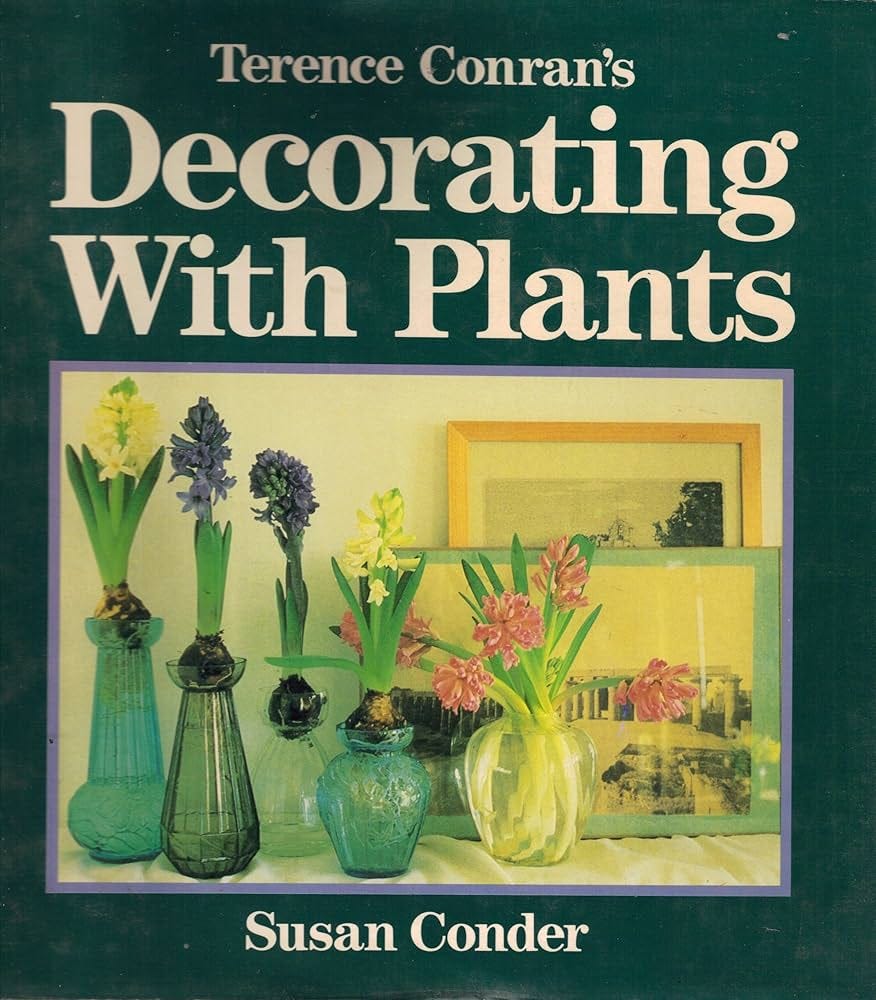
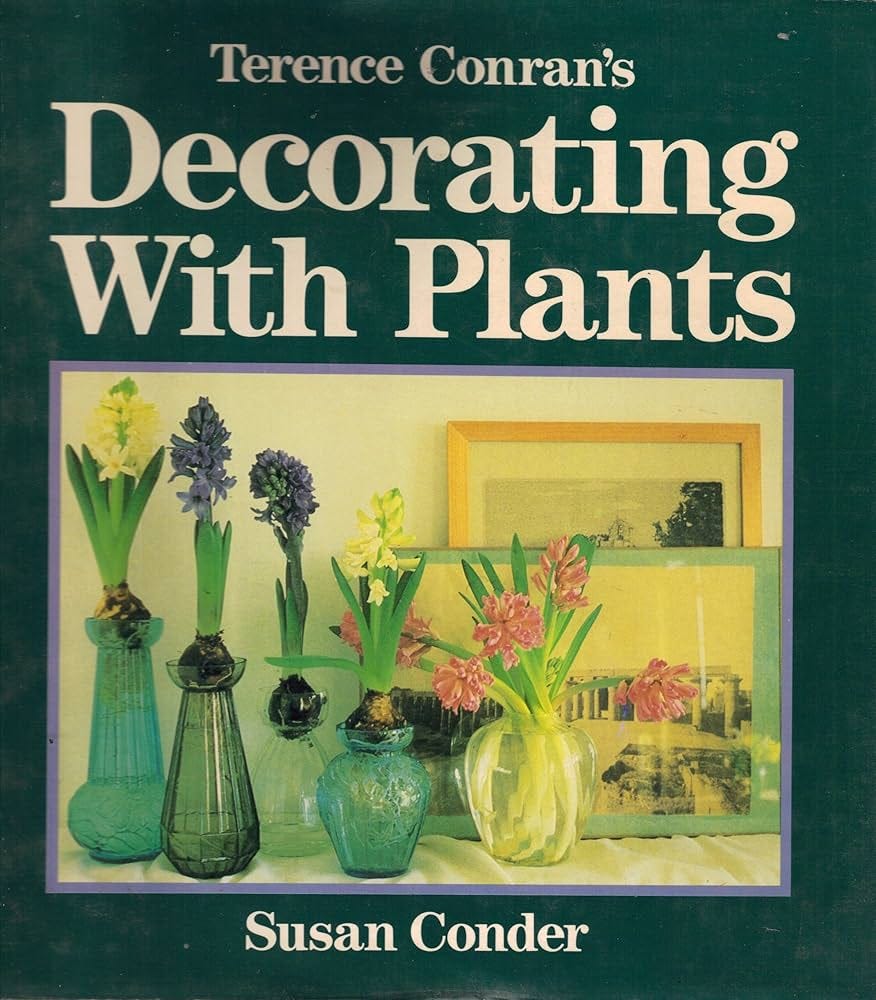
My intro to Terence Conran. If you two feel a yawn coming at the words “fiddle leaf”, and “fig”, get yourself a copy of Decorating With Plants. This book is full of inspiration of how to bring flowers, and houseplants into your home in an integral designer and really different way. I found you a copy here, here, and here. 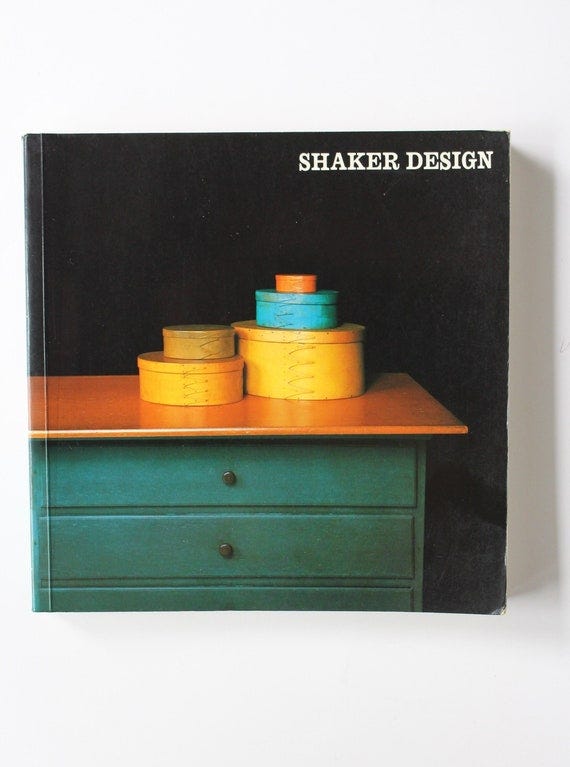
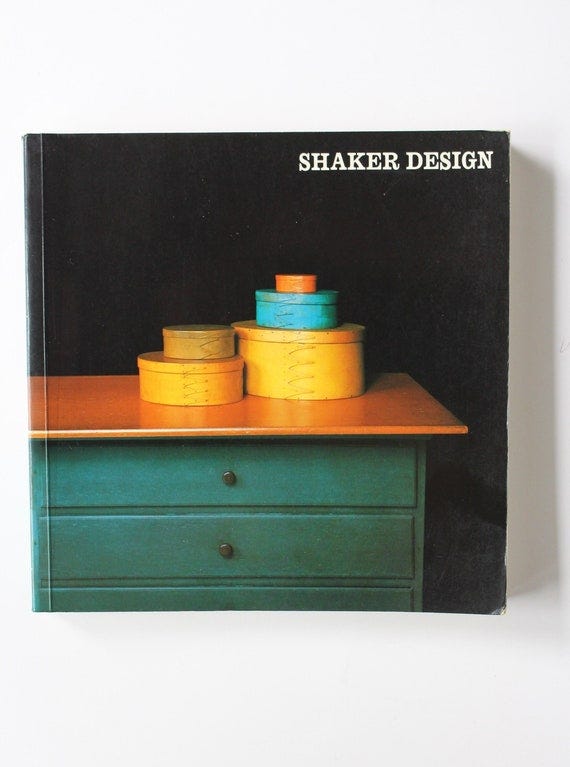
If the words “minimal” and “neutral” are starting to feel algorithmically beige, get yourself a copy of this book. It’s a masterclass in restraint with conviction — spare rooms, peg rails, ladder-back chairs, built-ins that are honest and almost severe — and a reminder that simplicity only works when it’s rooted in belief, not trend. I found you a copy here, and here. 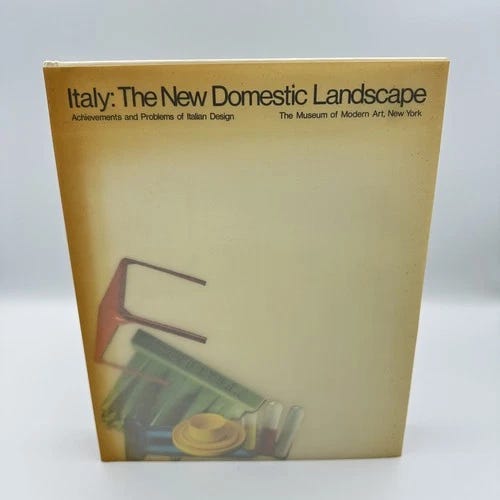
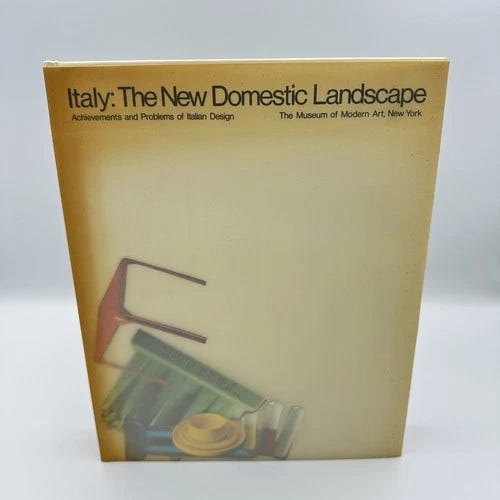
If you too almost fell victim to a Bellini Camaleonda, this is your intervention. This book isn’t just about sexy modular sofas — it’s about the moment Italian designers reimagined how domestic life could function, flex, and even protest. It reminds you that what looks like “vibe” was once a radical proposition. I found you a copy here, and here. 
If you think minimalism is about having less stuff, this book will correct you quickly. Judd wasn’t designing “aesthetic emptiness” — he was designing proportion, permanence, and total control of space. It’s a reminder that restraint only works when it’s backed by conviction. I found you a copy here. 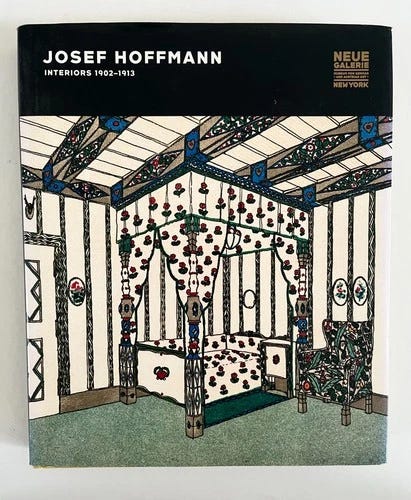
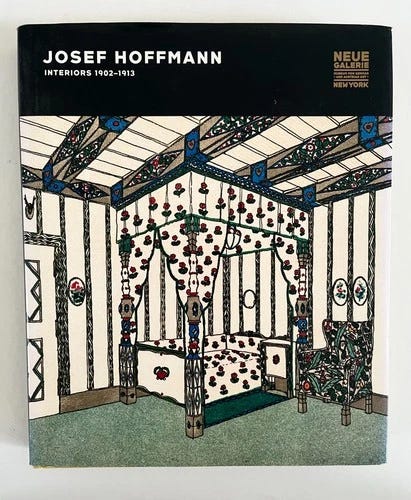
If you think ornament and restraint can’t coexist, this book will fix that. This one is on the era when geometry had conviction. Every chair, textile, and ceiling line participates in a larger system — ornament isn’t added, it’s integrated. It will make you realize how flimsy most “pattern mixing” looks without structure. I found you a copy here. 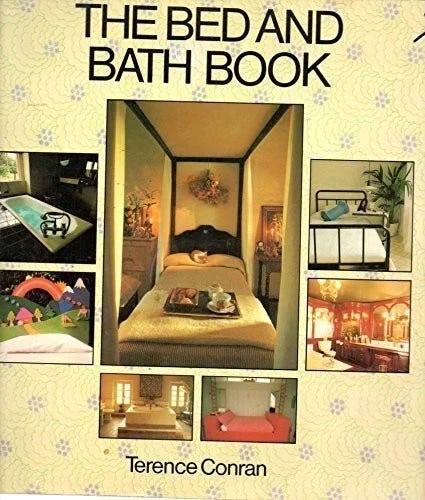
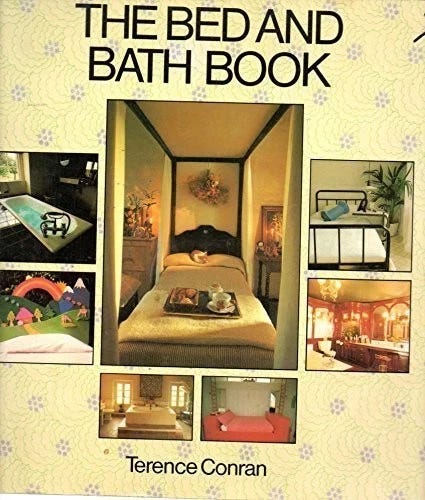
I know — more Conran. But that’s because he understood that good design isn’t about “moments,” it’s about routines. This one gets granular about bathrooms and bedrooms: towel rails, joinery, lighting at mirrors, how much clearance you actually need — the things Pinterest never explains. It will make you rethink every “spa-like” bathroom you’ve saved. I found you a copy here, and here. 
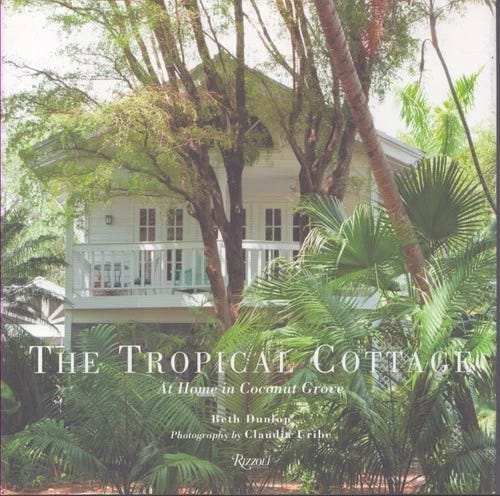
If the phrase “beach house” makes you picture rope mirrors and seashell soap dispensers, this will recalibrate you. It proves that coastal doesn’t have to be corny — that light, air, and informality can be refined, restrained, and deeply architectural. A beach house can be about proportion and patina, not props. I found you a copy here, and here. 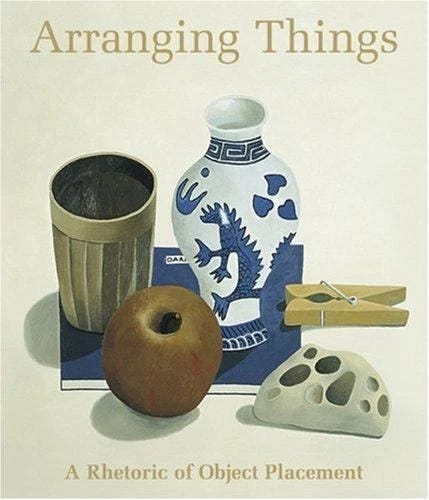
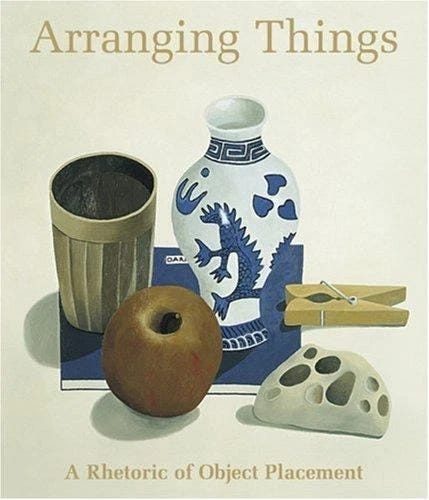
If you’ve ever moved something three inches and felt the room shift, this book explains why. It treats object placement like rhetoric — persuasion through spatial relationships — and makes you realize that styling is actually argument. Not only that, but the book itself is full of some really beautiful art works focused toward the object-obsessed. I found you a copy here, and here.



No posts
Comments
Nothing yet. Say the first thing.
Sign in to join the conversation.