
Hi friends,
Hope you’re having a beautiful day, wherever you are. Do you have your coffee ready, as we’re about to dive into one of my favourite classics. Little Women.
A book that is technically about four sisters growing up in Civil War-era Massachusetts, butttt is actually about something much nuanced and relevant: what it costs a woman to want things.
Little Women was published in 1868, and Louisa May Alcott wrote it in ten weeks, under pressure from her publisher, and reportedly hated almost every minute of it. She called it “moral pap for the young.” She wanted to write sensation fiction, think dark, dramatic, genre stuff, but sensation fiction didn’t really pay well and her family needed money. So she wrote the book she didn’t really want to write, about girls being good and learning to be better, and it became one of the bestselling novels of the nineteenth century and she was stuck with it for the rest of her life.
If that’s not a story in itself about female ambition, I don’t know what is.
The thing about Little Women is that it has a reputation as a cosy, comforting book about sisterhood and growing up… and it is that. But under the disguise of cosy, there is something very real and persistently relevant, a look at what happens to ambitious women, what they’re allowed to want, and what they have to give up to get even part of it.
Let’s get into it.
If you haven’t seen me before, HELLO! I’m so excited to e-meet you. I’m Elin, here we unpack the stories of our favourite films, shows and books and deep dive into how we can write our own.
Sounds like you? Let’s be friends x
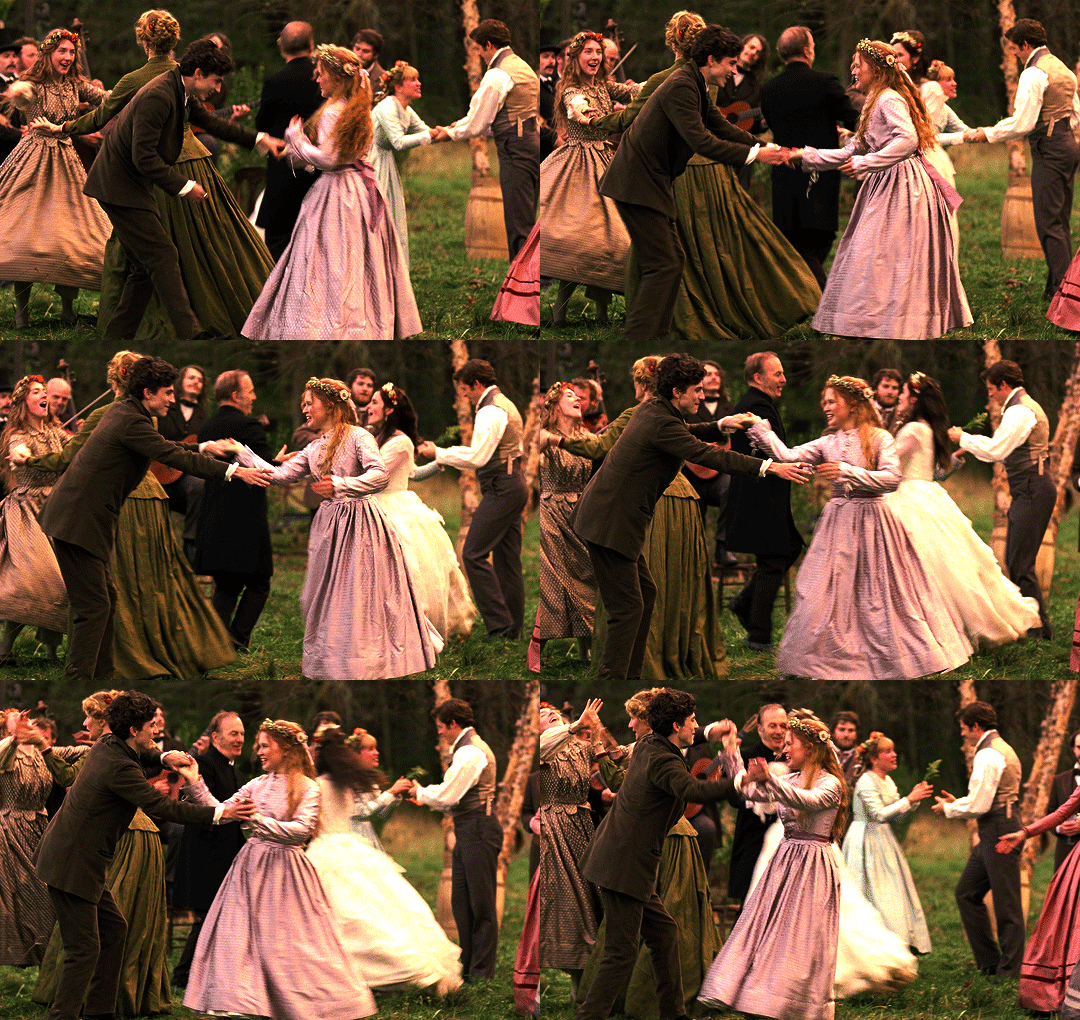
The March sisters are distinctive, as most sisters or family members are. And while you can call that character archetypes, I think there’s a more interesting angle to look at their characterisation and personality, and especially what they are faced with and react throughout the story.
In a way, each sister are faced with the same question, but their responses are all different. Let me explain.
In a society that allow women to want very little, what do you want?
Meg marries young, has children, keeps a house. She seeks neither wealth or higher class, Meg’s ambition comes from seeking the opposite. Meg wants comfort and a home, and she gets it, but she also has to reckon with reality that life brings. Her arc is about the gap between the dream of domesticity and its daily reality.
Amy is, I would argue, the most misunderstood March sister and the one whose rehabilitation by the 2019 Greta Gerwig film I am most grateful for. Amy is ambitious in the way women were allowed to be ambitious, through beauty, social positioning and strategic marriage. She is often read as shallow, but I think that’s the furtest from the truth. She’s tactical, smart and understands the rules of the game she’s been born into and she plays it well.
Jo wants to write and be taken seriously. She’s in a way female entrepreneur, before that word was in the dictionary. She cuts her hair to fund the family, goes to New York alone, writes stories that her editor makes her shorten and commercialise. She refuses to marry Laurie, causing, a genuine public outrage at the time of publication; readers wrote to Alcott furious that Jo didn’t end up with him (even though, that was the whole point in my humble opinion).
Beth is the sister without worldly ambition, and she dies (sry spoilters). My read on her, is that she acts as a reminder throughout the story of what ambition must be mindful of. Never stray to far so you loose sight of where you are, and I think that goes both ways. To also seize your dreams, and daring to go for it.
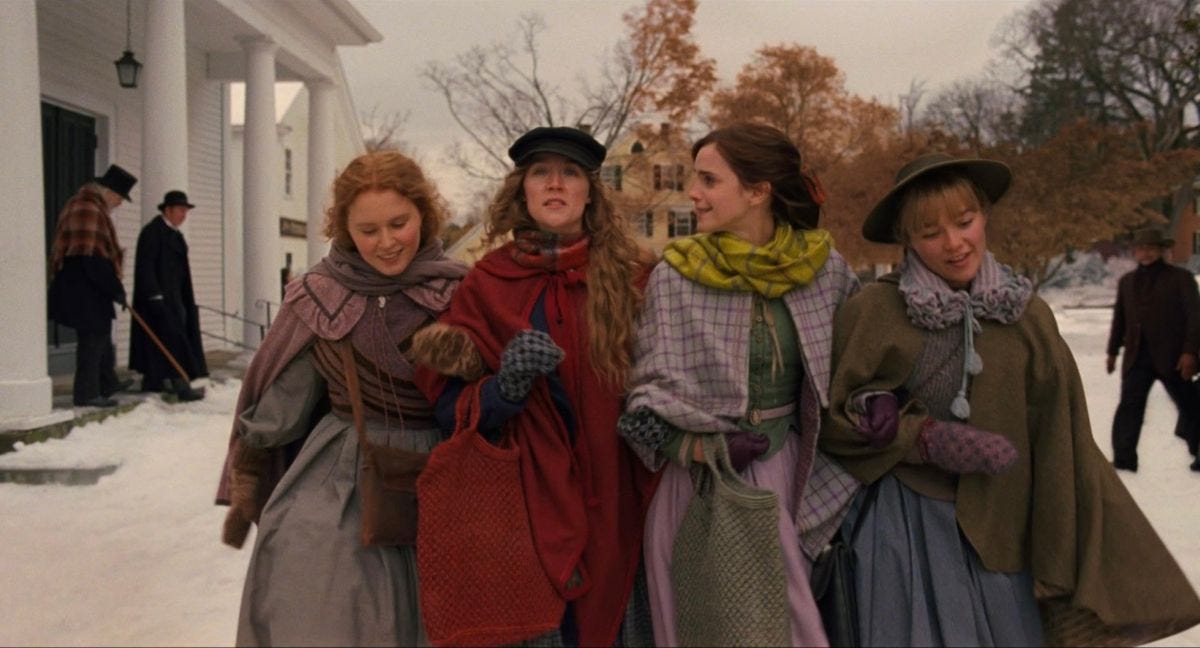
The most interesting character in Little Women is arguably Louisa May Alcott herself.
Alcott never married, in a period where marriage was basically a financial necessity for women. She remained single her whole life, supporting her family with her writing, was a committed feminist and abolitionist. She worked as a nurse during the Civil War (which destroyed her health; she was ill for the rest of her life). She wrote Little Women because she needed the money, and she wrote it in the genre she thought least of, and it made her famous in a way that followed her.
Did you know this? While Alcott was writing fiction for young women under her own name, she was simultaneously writing sensational, plot-heavy thrillers under the name A.M. Barnard. Stories with villains and revenge plots and some of them are quite dark.
She needed the alias because sensation fiction wasn’t considered appropriate for a woman of her reputation. Isn’t that a metaphor of it all in a way?
If that isn’t the nineteenth-century version of every creative woman who has ever had a Professional Work LinkedIn and a private TikTok account where she says what she thinks… I don’t know what is.

Jo goes to negotiate the publication of her book and her editor tells her that the girls are too independent, asking her to shorten it, and either kill off the heroine or marry her off by the end. Readers won’t buy a book about a woman who doesn’t get married.
Jo asks how much she’ll be paid if she gives up the copyright. Ending up giving up the copyright and marries Jo off, to a character who arrives somewhat out of nowhere and is widely agreed to be one of literature’s less satisfying love interests.
The book is published and it sells incredibly well.
And then Gerwig cuts to Jo, alone, holding the finished book, and it’s not entirely clear whether she’s feeling joy or grief or both.
This is the scene I think about when I set out to write this essay. It’s showing what female ambition looks like when it collides with the commercial and social structures that have the power to publish it or not. Jo gets the book out, but there was a cost to it.
This was Alcott personal experience, her editor wanted her to marry Jo off and while she didn’t want to, she did it anyway. The book sold two million copies in her lifetime.
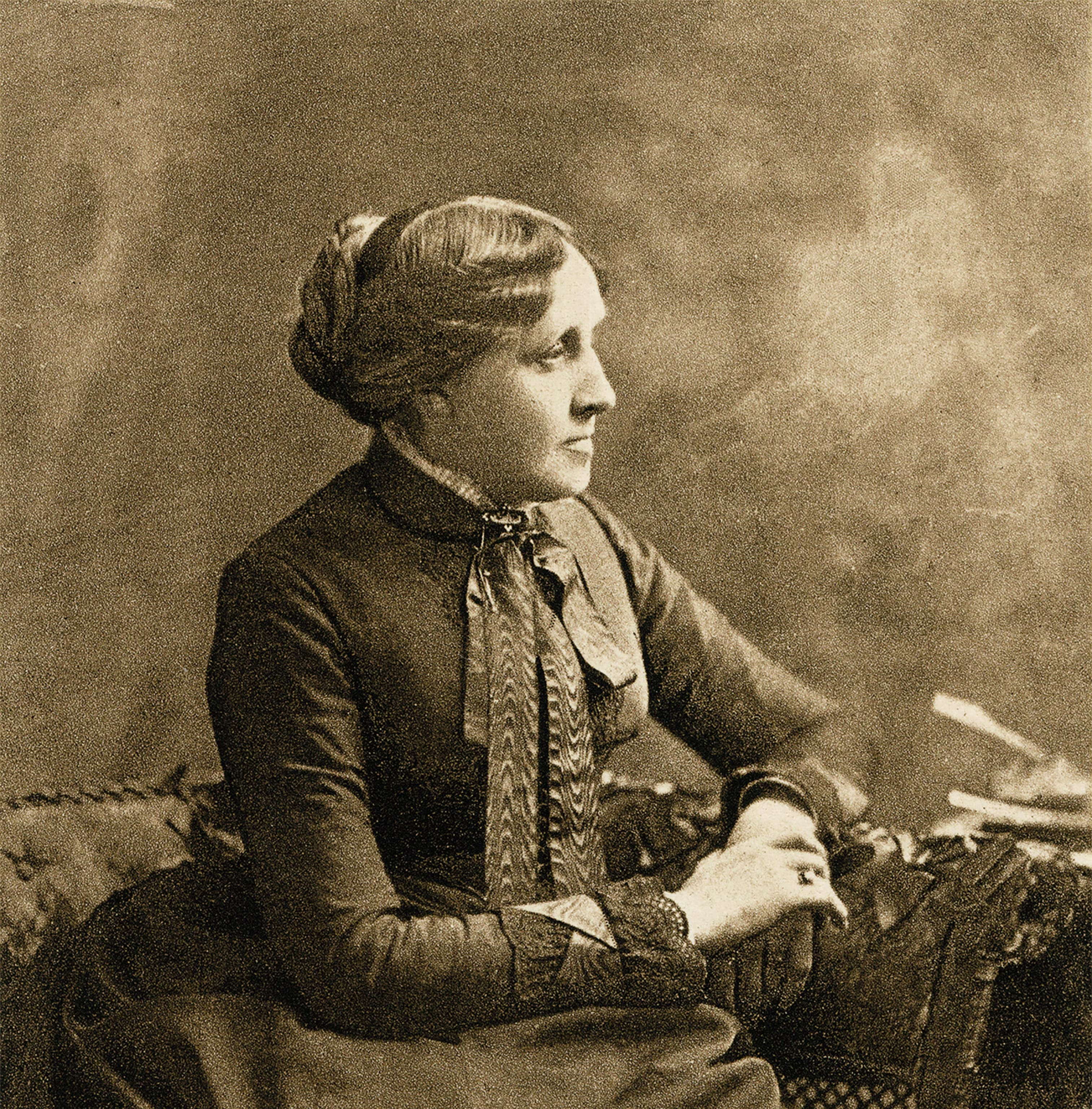
There are many takes on female ambition, too many to get into in this essay. But one that I think is harmful, is that ambitious women are simply ambitious, and the obstacles are just there to be overcome, and at the end she wins and it was all worth it.
Little Women shows that ambition exists in relationship to everything else, to family, to love, to money, to social expectation, to the specific historical moment a woman is born into.
Jo’s ambition happens in correlation with what Meg needs, what her mother expects, what Laurie wants from her, what her editor will publish, what readers will buy. It happens alongside her desire for companionship and her terror of being ordinary and her love for her sisters and her grief and her stubbornness.
This is also why I think Little Women has endured, through multiple adaptations and changing social attitudes.
And there is something so sincere about a story that looks you in the eye and says: it’s going to be complicated, it’s probably not going to look exactly like you imagined, and it’s still worth wanting.
Little Women is 157 years old. It still feels like it was written last week.
Who of the sisters do you relate to the most? Let me know in the comments
All my love, Elin
Join 5K+ writers, readers, and storytellers as we nerd out over our favourite books, films, and shows, break down the storytelling behind them, and help each other become better writers while pursuing our own creative projects.

Want to start writing?
I’ve created free digital workbooks, writing tools, and resources based on what has helped me write my novels and what I learned through my journalism degree.
Let’s connect:
💌 Reply to this email, I’d love to hear your thoughts
📱 Come say hi on Instagram
If you enjoyed this essay, feel free to like, comment, or share it so more writers can find this little corner of the internet.
Thanks for reading; I’m so glad you’re here. x
No posts
Comments
Nothing yet. Say the first thing.
Sign in to join the conversation.