
Here’s the type of development that I can still address here on the other side of the thick membrane between former federal employee and current federal employee: the weakening of the Hatch Act by the Office of Special Counsel. This New York Times piece by Eileen Sullivan was published last weekend, and it hasn’t generated all that much outrage in the days since. (Understandably. Things are horrific.) But it’s worth annotating this article a little bit to try to communicate just how pernicious this revised interpretation of the law really is.
The Hatch Act is the 1939 law that prohibits federal employees from using their office for corrupt political ends by outlawing partisan political activity on government time or property. The idea is that the federal government should not be a nest of political patronage. It’s a law that’s constantly in a state of tension with the First Amendment, and because of that, it’s fundamentally incomplete. It isn’t rigid, and it shouldn’t be. It’s a weak law by necessity. Difficult to enforce. Often ignored. At the same time, without it, there is no professional civil service.
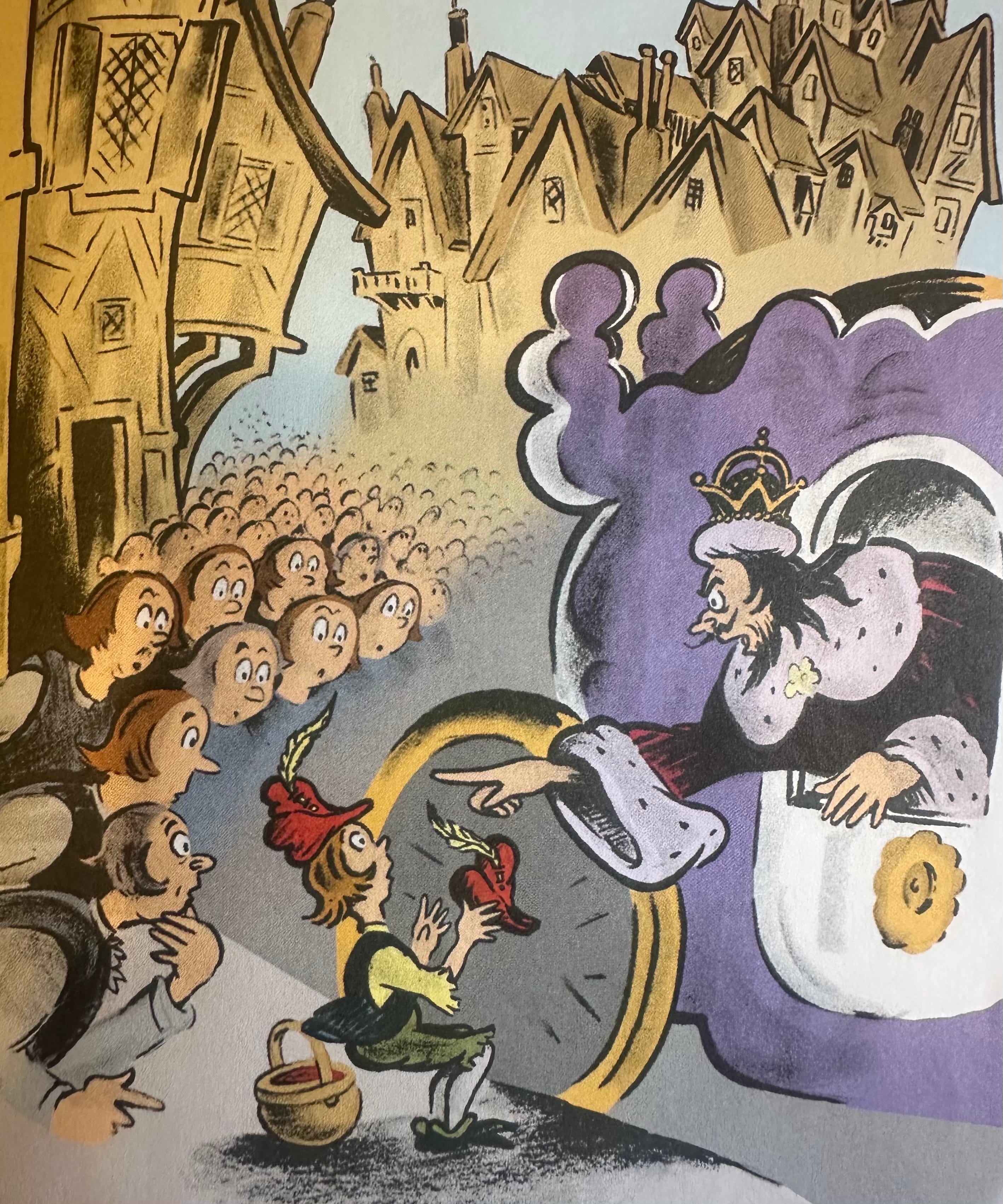
It sometimes feels like these prohibitions are a penalty. You submit to these limits on your freedom of expression in exchange for the benefits of a federal job. When you’re scrolling through a cascade of rage-bait and every part of you wants to cry out like Howard Beale, you remember that you’re on the clock and on federal property, and it feels like a muzzle. It’s very much not a muzzle, as these changes demonstrate. The Hatch Act protects federal employees from compulsory enlistment in the president’s personal hype squad.
The thrust of the new interpretations is that “visible support for candidates and their campaigns in the future is still banned, but support for the current officeholder is not.” Oh, no shit. Look at that. There are rules for everyone but Trump and Vance. What do you know. They are exceptions. They are exceptional. The story of the American collapse: if the special rich white men are not granted their special, special privileges, everything must come down.
There is, however, a more sinister element of this, which the New York Times fails to mention. Under the current Constitutional order, this OSC revision is entirely unnecessary. Nothing in the Hatch Act prohibits a federal employee from evangelizing on the Gospel of Trump in any fashion. That’s because Trump cannot be a candidate for partisan political office. (Let’s for argument’s sake eliminate the possibility that he will run for an office other than president, one from which he is not Constitutionally barred.) I can make my office a creepy shrine to Lamar Jackson all I want. (People do.) The Ravens quarterback isn’t running for anything. I think this is what the Times article is referring to here: “the move may not violate the law, because it will not influence the outcome of an election, experts say.” At first, I had no idea what this sentence meant; it suggests that the achievement of a desired electoral outcome is required to support the finding of a Hatch Act violation, which is extremely wrong. It’s badly worded. Easier to just say that it may not violate the law because Donald Trump is not a candidate for anything.
But he says that he is. Unless you’re willing to entertain the idea that a man who does nothing for anyone other than himself is making this change solely for Vance’s benefit, it’s a de facto declaration of his candidacy for a third term. I might be wrong, but — read in this manner — I think this is might be the most official step in that direction to date.
“…lets officials wear… allowed to wear… allow for the startling sight… allowing the workplace display of support…”
All of these instances of a language of permission in the New York Times piece are a real disservice. They conceal the fairly obvious motives of this policy change and regurgitate a vaguely libertarian implication that serves the aims of the administration.
The crucial fact is this: there is no practical difference between “allowed to” and “obligated to” in this context. If federal employees can wear the double MAGA hat and pin and build a gaudy gold ofrenda to the Leader on their desks, then it instantaneously follows that they must. If some dusty old law that only applies to everybody except the Sapa Inca isn’t stopping your vociferous adulation, well… then… what is?
[Taps pen nib on tongue. Asks you to spell your name.]
Given the political and commercial entanglements of this particular president, who’s to say that “support for the current officeholder” does not entail, for a federal benefits advisor, making you sit through a 60-minute information session on timeshares at the Trump condominium complex in Gaza before giving you the help you need when your insurance company denies a claim for life-saving treatment that it’s required to cover? I do have a real fear that I’m destined for a street corner compulsively muttering “North Korea shit, North Korea shit, North Korea shit,” but this is North Korea shit. Every National Park becomes one of those Cabinet meetings.
It’s just more flagrant pissing on civil servants’ shoes. It’s toxic and shameful and un-American, like everything else. Another fount of foreboding and destabilization; something I’m glad I no longer have to dread. Still, it is by all these little revisions that we will forget that it wasn’t always this way. We will know the administrative state by its regalia and submission rituals, no longer ordinary working people like the rest of us, but a kind of Swiss Guard bedecked in coopted symbols, available now for the low, low price of $50 at the Trump Store.
No posts
Comments
Nothing yet. Say the first thing.
Sign in to join the conversation.