

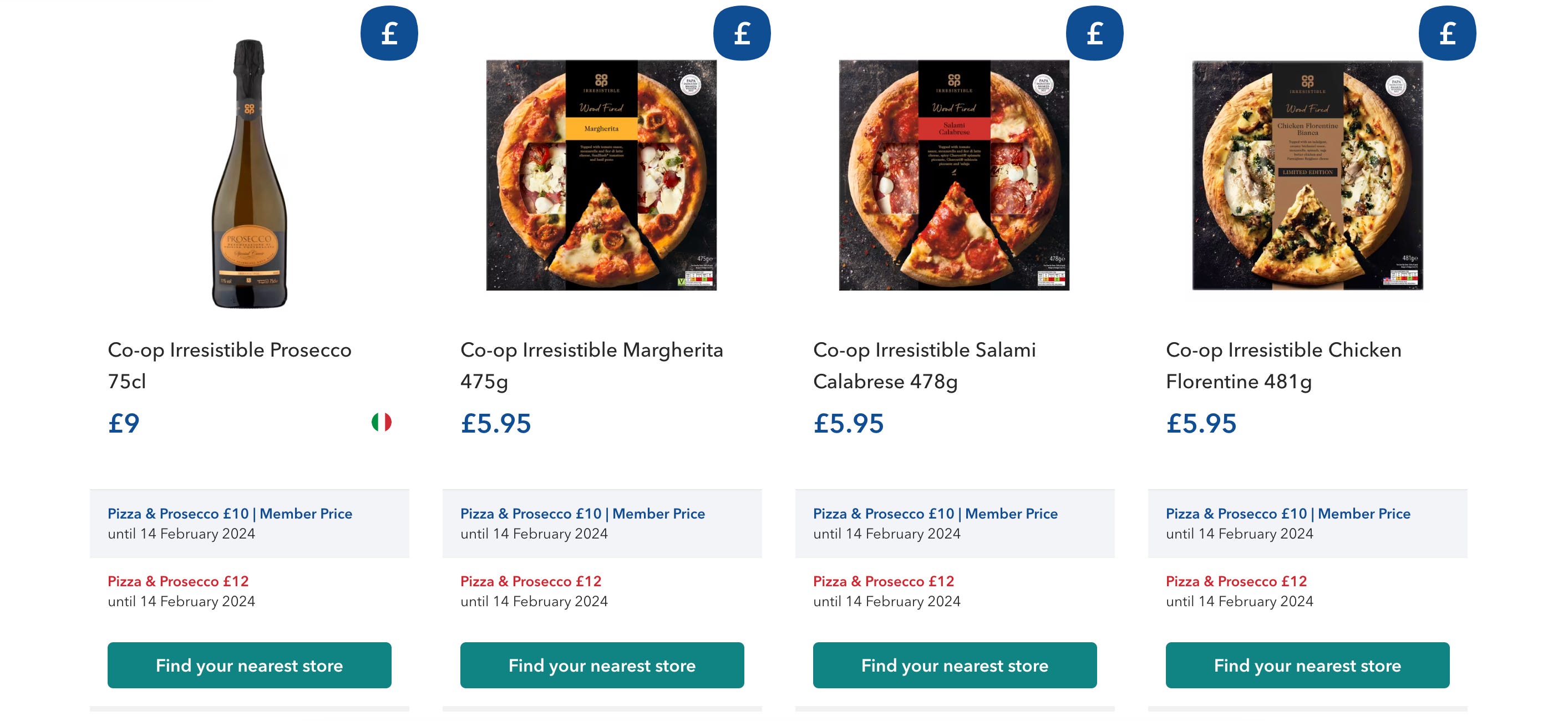
On the days I take the train to work, here are some of the businesses I pass between the station and my office: Virgin Active, advertising a new year membership offer. Pret, which has banners advertising its Club Pret membership scheme for five coffees a day and 20% off everything else. Waitrose, which offers dinky MyWaitrose cards promising that ‘the more you shop, the more tailored your offers are to your tastes.’ Tesco (Clubcard). Starbucks (Rewards). Co-op (Member prices). And, because this is London, another Pret for good measure.
I imagine you have noticed something similar, too. In general, I feel less good at using the internet than ever before, and one thing that’s started consistently tripping me up is items having different prices depending on whether or not you’ve signed up with that particular brand. During the January sales, some sites listed three prices: the regular price, the regular sale price, and then the special sale price for people who have signed up to MyLeggings or MyCheesemongers or whatever it is. It’s not just online. Supermarket Meal Deals have increased in price, but sign up for a loyalty card and you can get your cheese sandwich, Walkers* and Naked smoothie** for less. Meanwhile, Marketing Week reported in August that Club Pret transactions had grown 33% month on month.
So why is everything suddenly a loyalty scheme?
The reason is, actually, quite simple. In 2021, Apple rolled out a change on iOS which allowed users to ask apps and websites not to track their activity. This reduced the ability of many advertisers to get the customer insights they had previously relied on for marketing. Where I worked, at what was then called Facebook, this was a blow: many brands used Facebook’s advertising services because of user insights. (The question people asked me most often when I worked at Facebook was whether their phones were listening to them. My answer was always that they didn’t need to. All of us who spend much time online, using products and services provided by a series of linked platforms and companies, share enough about ourselves for things to get spooky. Still, we’ll post a photo of Park Run with our friend Kate and wonder why we also get recommended Kate’s new running belt, which she bought after clicking on a digital ad. Anyway – I digress.) Industry voices started reporting holes in their data and stressing that having a great creative approach was becoming more important. They encouraged marketers to take ‘a more holistic approach,’ which a cynic might interpret as ‘maybe try some other stuff.’
That stuff, right now, is loyalty schemes. What’s interesting is that in this respect the high street is not only following a long-standing model of supermarket cards, and more recently the subscription playbook used by services like ClassPass and direct-to-consumer consumables like Harry’s Shave Club, but also borrowing from an industry which has suffered, rather than flourished, during the digital advertising boom: magazine and newspaper publishing. This is a savvy move: Because the media’s product is attention itself, rather than, say, razor blades or pre-portioned carrots, the industry had already experienced a downturn when the revenue it was possible to generate from display ads – e.g., the amount people were willing to pay to get eyeballs on pictures – plummeted.
As a result, many media companies pivoted to online subscription models, which the savviest supplemented with additional revenue streams, from online bookshops to in-person events for readers willing to pay for a higher membership tier.*** Anyone who spent time reading content online during this period doesn’t need this explaining to them, I’m aware: suddenly, newspapers which had been free to read introduced metered articles. More effort was also put into retaining existing subscribers, with companies investing in more audience editors who could advise on how content personalisation and newsletters could keep more readers around, longer. The effects of this were fairly easy to discern, too.
What fewer media commentators acknowledge is that subscription models do not only have a cash value – i.e. they generate revenue from people willing to pay for your content – but an information value. Magazines know their readers. Aside from the information you might provide during sign-up, like your location, contact details and maybe some topic preferences, your reading habits can be aggregated into information for advertisers. (This is one of the reasons I’m sceptical about a ‘Spotify for news’ product: because it is accompanied by user data, a pound from a subscriber is always worth more.)
This is the reason more high street stores are focussing on loyalty schemes. Brands got used to being able to target their advertising efficiently with data. (Generally speaking, it is cheaper to market things to people you can be confident will have an interest in what you’re marketing.) Now that particular era is coming to a close, companies need first-party data directly from their customers to advertise with anything near the precision they previously achieved with the help of third-party data from other sources. It is more important than before for brands to know who you are and to keep you around. Relatively speaking, your loyalty is worth more than it was before.
That’s why IKEA Family now looks ahead of its time and why supermarkets are becoming more aggressive in offering price cuts on everyday products for cardholders. It’s the reason Liberty can offer its Beauty Box free, for nothing more than your commitment to putting aside twenty pounds a month to later spend with them, like a particularly bougie version of Co-op stamps. It’s why ‘pay to go ad-free’ always makes me smile. It’s why Club Pret is a pretty good deal if you drink their coffee regularly; your coffee costs less if you can teach someone how to sell it to you better. And it’s why one of the cultural ephemera we’ll see more and more of this year – at the time of writing, Google is rolling out third-party cookie updates for Chrome – is the loyalty card app.
*To make a crisp sandwich, obvs.
**Is this still the best drink to get for maximum meal deal savings compared with regular purchase price? Answers by reply, please.
***Even sites without paywalls are doing this, by the way – combining membership models with additional products to bring in more money. C.f. The Guardian’s bookstores, events, etc.
No posts
Comments
Nothing yet. Say the first thing.
Sign in to join the conversation.