
From: Scotland, 2021
To:
Dear Friends,
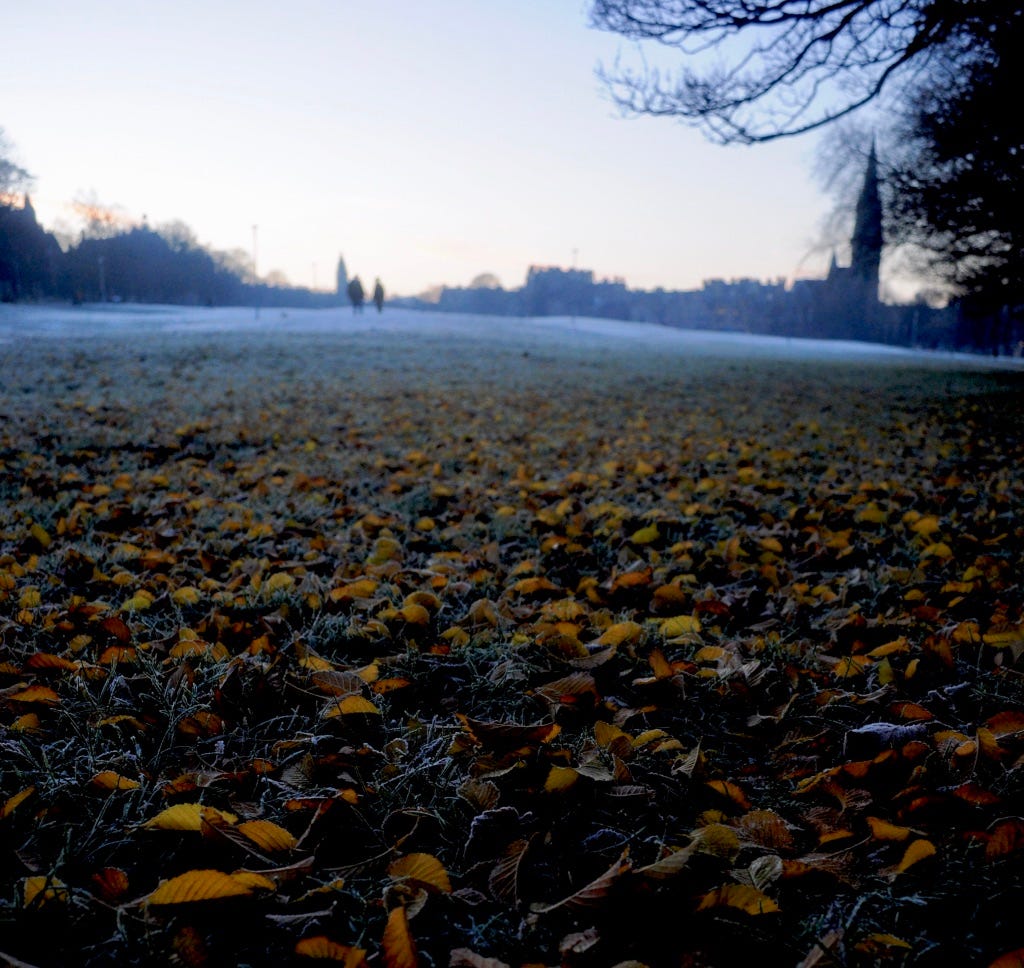
I am writing this postcard from the middle of the Omicron outbreak. Cafes, restaurants and libraries are closed and I don’t have any money to spend anyway. I bought a flat a few months before, and am now stuck inside it, down to the last of my savings, trying to use blankets to thole my first full Scottish winter in 15 years.
Earlier in the pandemic, my freelance work was doing well. I was running online evaluations and classes in Myanmar, from rural Scotland, bridging my worlds. But over the past months, it has gone quiet. I am still getting used to being a remote freelancer, after years being in-country. But, some outreach to old clients means I have one almost signed contract and a call with a new client today, the first of February.
I wake up early. It is afternoon in Myanmar, but 6am and still dark in Edinburgh. I wrap up, make tea, open the video link. There is no one there, so I check my email as I wait.
A message from an old colleague. Did you see the news?
I click through to the Guardian, where on the front page, there are images of tanks driving into Nay Pyi Daw, Myanmar’s capital city. I read the headlines: Coup d’Etat in surprise.
In my first years in Yangon, I sat in long meetings where we made contingency plans for scenarios where the military tried to reclaim power. But now, 10 years later, far too much seemed invested in democracy for a return to the previous order.
I send an awkward message to the new client: I see there has been a coup d’etat; I am assuming you won’t make our call. Do let me know if you want to reschedule. I hope you are all safe. What do you say in situations like these that is professional but also human? A few days later, I get a confused reply about a cut internet connection, then nothing. The other almost-contract also vanishes the following week.
I call my friends, staying on the line for hours as they talk in terror about criminals released from jails wandering the streets below. I watch endless videos on social media #whatshappeninginmyanmar, seeing people protesting and attacked and wondering about colleagues, farmers, all the people I used to know. I spend a month online in dark, cold Covid-lockdown Scotland, crouched under a blanket. Out of solidarity and loyalty, I refuse to let my attention go elsewhere.
Then I realise, perhaps around the first sunny day of Spring, that watching these videos will do nothing to make the cruelty stop. I need to work out how to get a new job and to turn my attention elsewhere.
It is not really until recently, more than five years later, I have started to think more about my own loss the day of the coup. A niche professional expertise built over ten years of projects: which evaporated, like a currency that plummeted overnight.
Still tiny compared to what my Burmese friends and colleagues endured.
It is an odd loss, one that came from an opportunity in a far-away country that was never mind to begin with, a profession born from an industry founded on both good intentions and colonial legacy. Myanmar, a distant, previously cut-off place, that, when people in Europe, hear about it, often pause to say, Where? Oh Burma, before returning to the confidence that it had nothing to do with them.
But recently, seeing how quickly technology and job markets are evolving, I wonder, in a few years, how many of us will be looking at our experience and wondering whether it still has worth.
In our evolving world, a lot of changes do not happen in community. Not the shipyards closing in Glasgow, where the professional and economic loss was one everyone could see. Instead, in global careers, we navigate sporadic, isolated shifts, connecting disappearing headlines, which are harder to track.
Pockets of our lives, places we had built lives.
Myanmar there, Ukraine there, Iran there.
Not a pattern. Not our losses. Not really.
Because can we have lost something that was never ours to claim?
Tell Me
Have you lost a place, an expertise or a status recently?
What words do you use to describe it?
This week’s postcards connect to this discussion piece I wrote last week, tracking 5 geopolitical shocks that have impacted my career over the past 5-10 years.
Read on here:
If you want to dive deeper into invisible global losses, read this next:
Hard times, but interesting topics, friends,
See you next week,
Catriona
Comments
Nothing yet. Say the first thing.
Sign in to join the conversation.