
Followup
This is the second part on this topic preceeded by:
- Choosing Linux RAID5 chunk size (part 1) -- block-device level benchmarks;
- Choosing Linux RAID5 chunk size (part 2) -- the internet's wisdom;
Summary
The next phase in my RAID5 chunk size benchmark tries to take into account the file-system, namely Ext4.
Therefore in this part I quickly describe the methodology and the raw data. (An in-depth analysis and conclusions would follow in a separate part.)
The methodology...
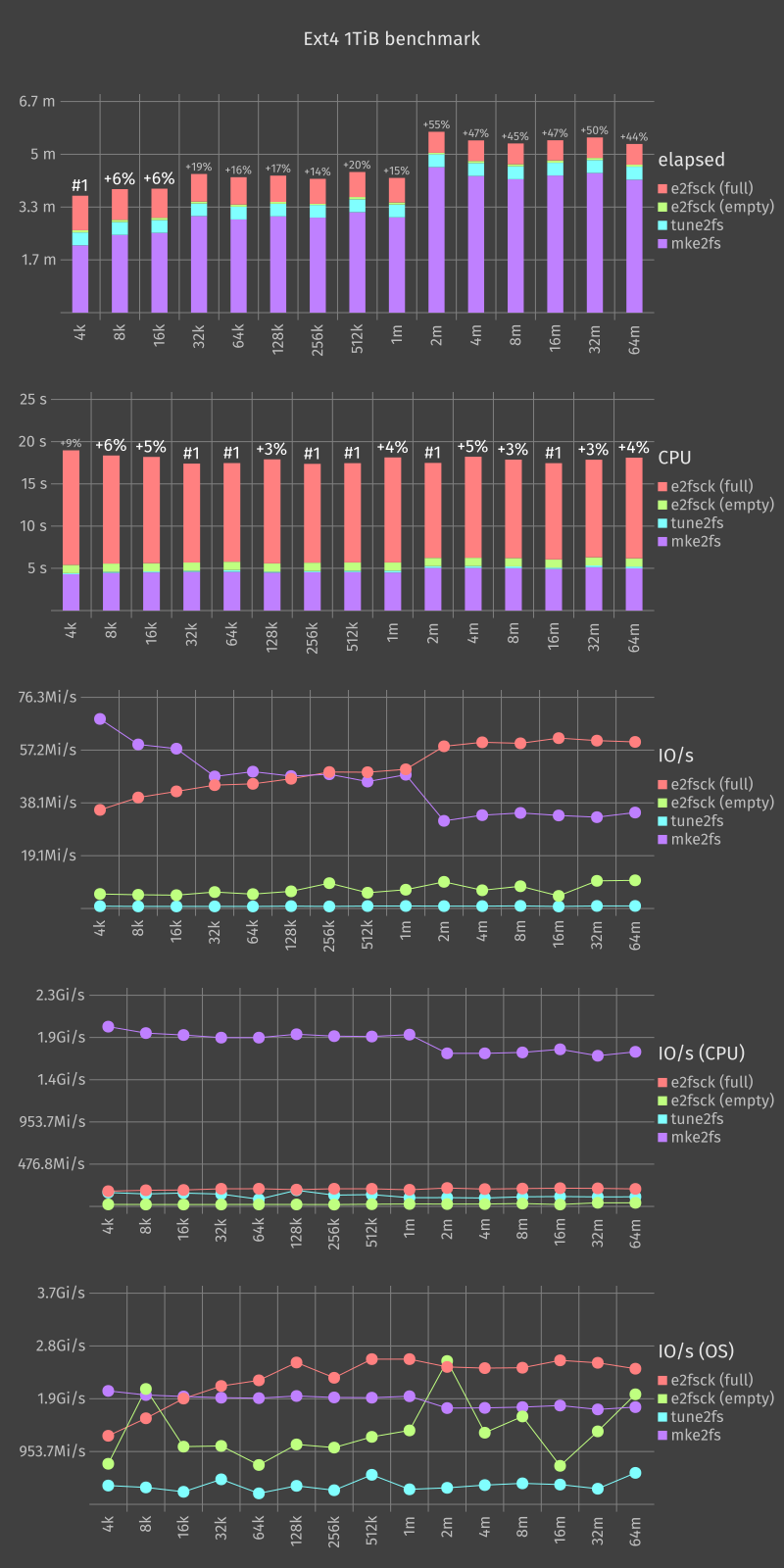
mdadm --createa RAID5mdblock device from 3x 4 TiB drives (Western Digital Gold (WD WD4002FYYZ)); the chunk size ranges from 4 KiB up to 64 MiB (and all the 2's powers in between);use only the first 512 MiB from each drive (thus resulting in an 1 TiB
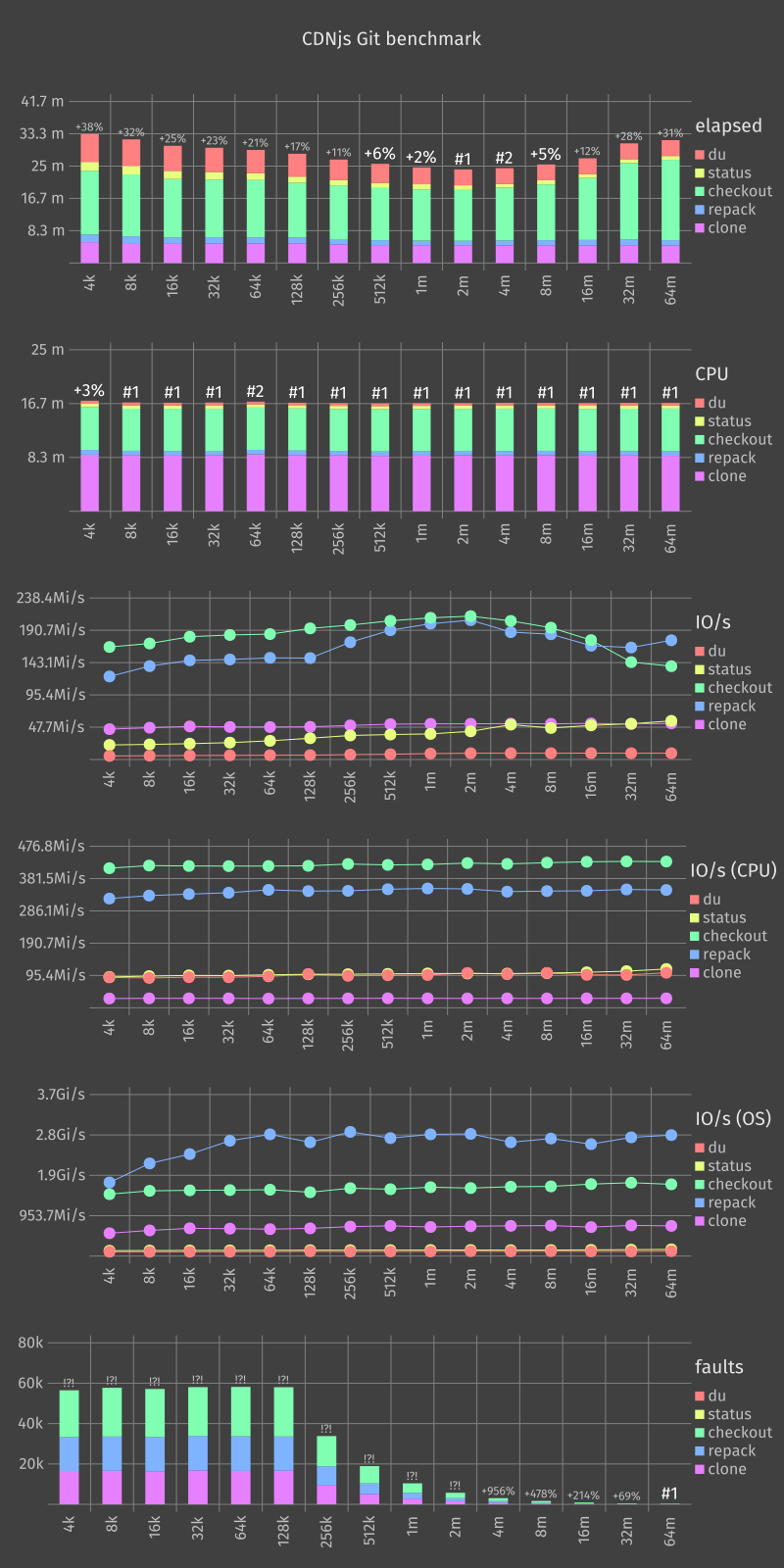
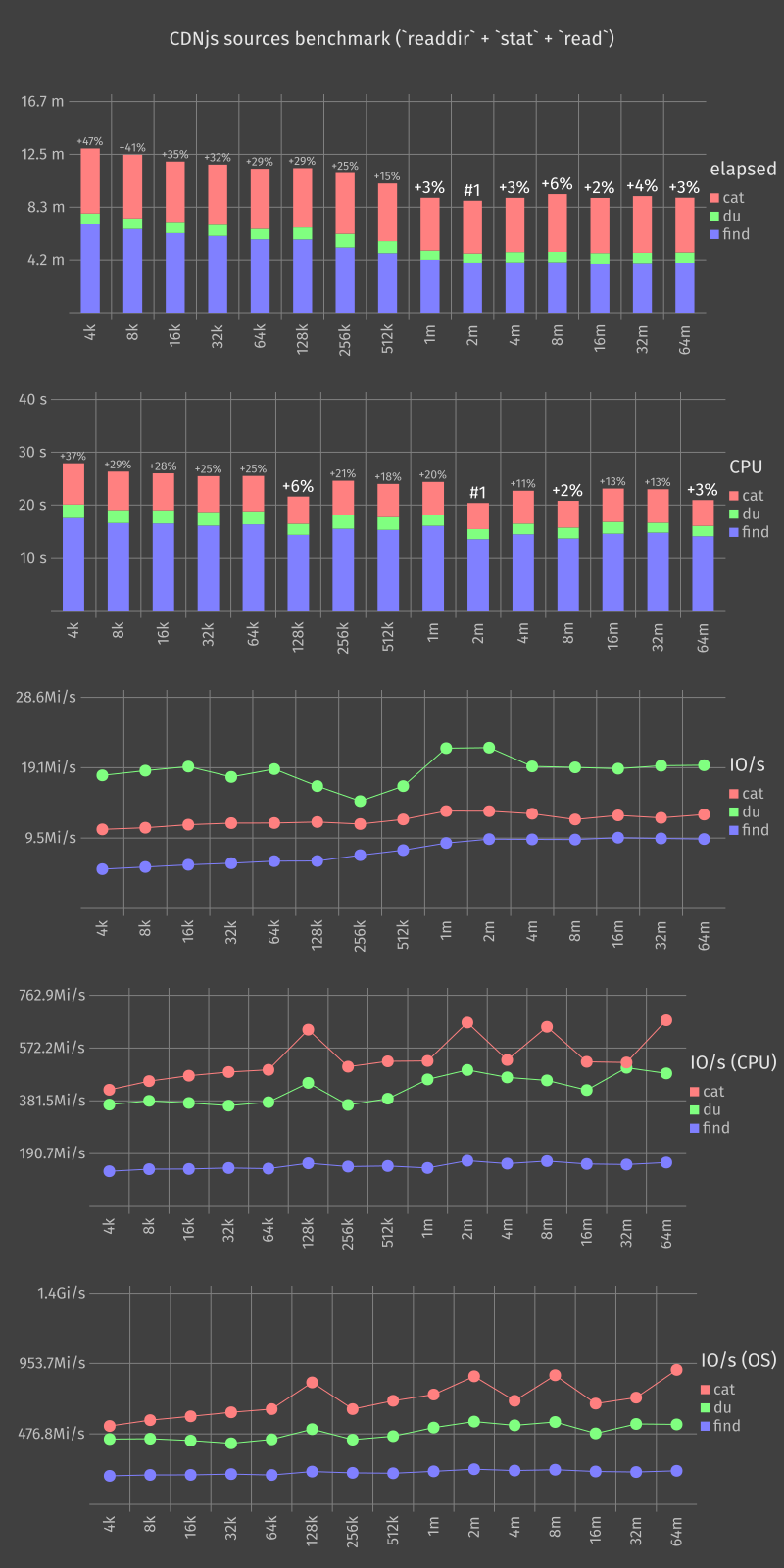
mdblock device); (the bandwidth for this region, for each individual drive, is almost ~200 MiB/s;)mke2fsan Ext4 file-system by using proper-E stride=<...>,strip_width=<...>values;git clone(without checkout) the cdnjs.com repository; (the clone is done shallowly, with a depth of 128 commits, which at the time of the execution contained the commit344797430da2d5...;) (this first clone is not benchmarked, as its performance depends mainly on the network;)git repackthis first clone; (this operation is mostly CPU intensive;)git clone(also without checkout) the first repository to a second one (on the same file-system); (this second clone is benchmarked;)git checkout(from the second repository) the commit344797430da2d5...;git statusthe checked-out work-tree;duthe checked-out work-tree; (around 158 GiB;)findall the files in the checked-out work-tree; (around 4.9 M files;)catall the files (sorted by inode);sample ~1/64 (~1.5%) of all the files; (around 80 K files;)
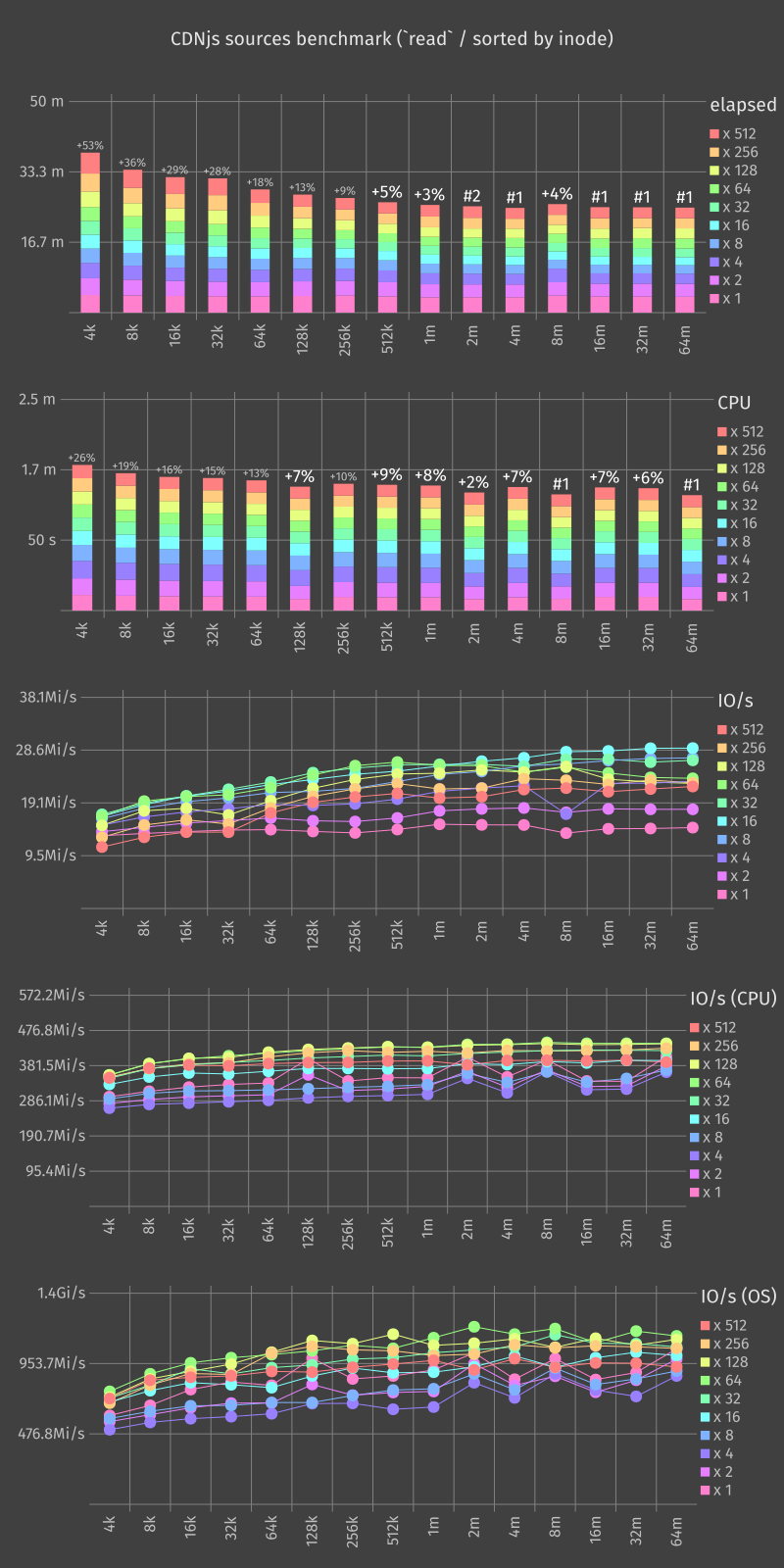
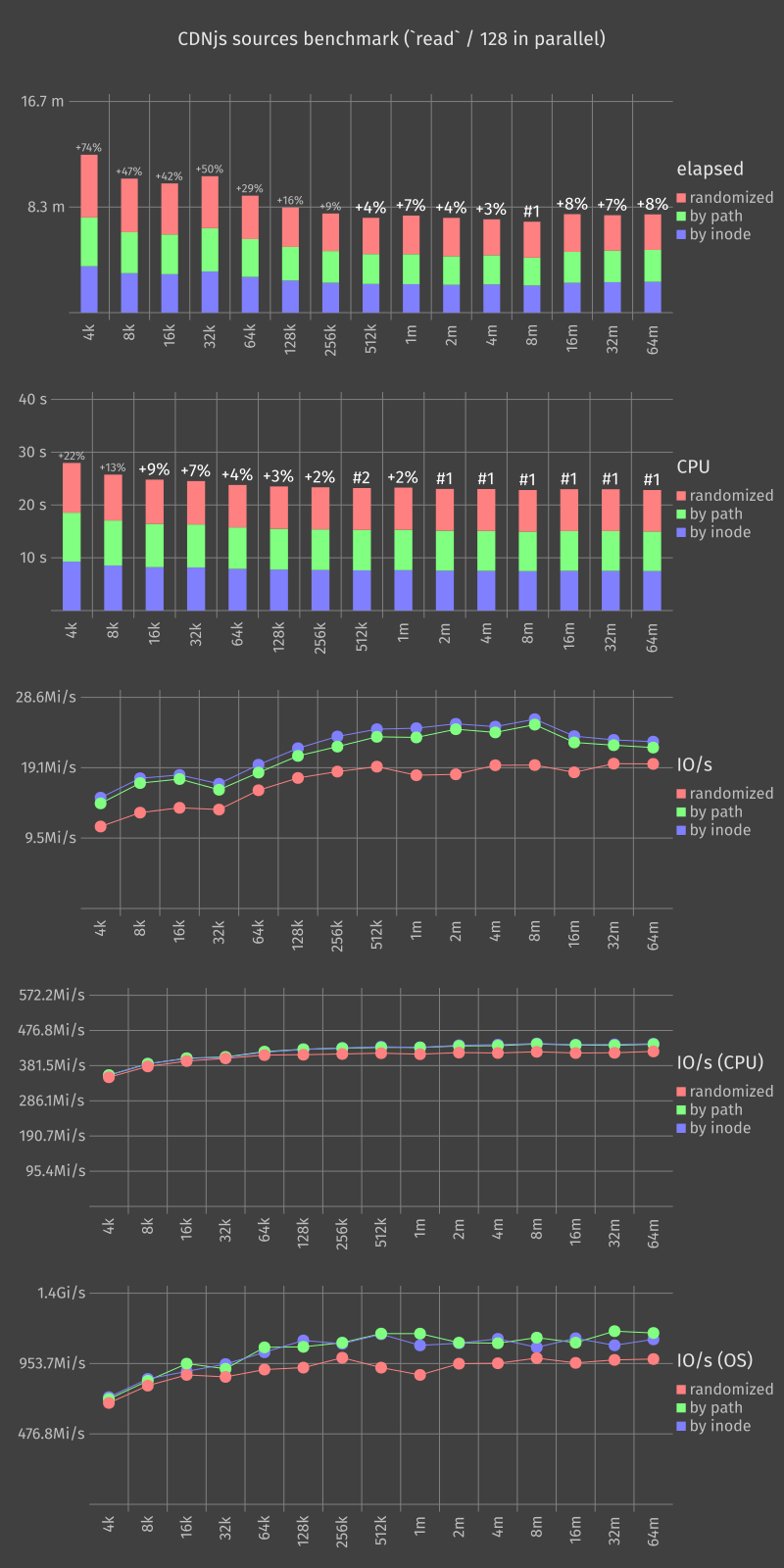
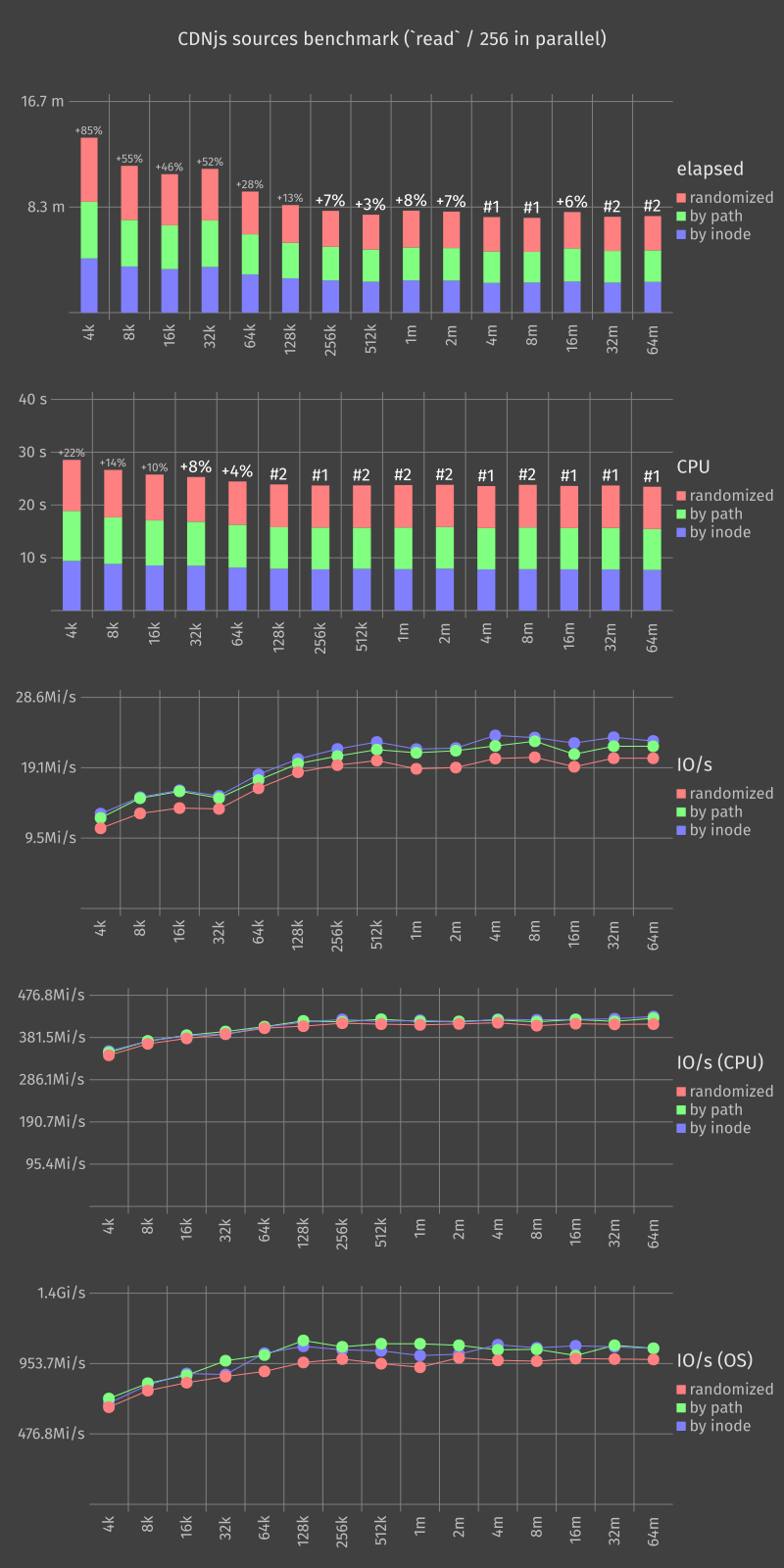
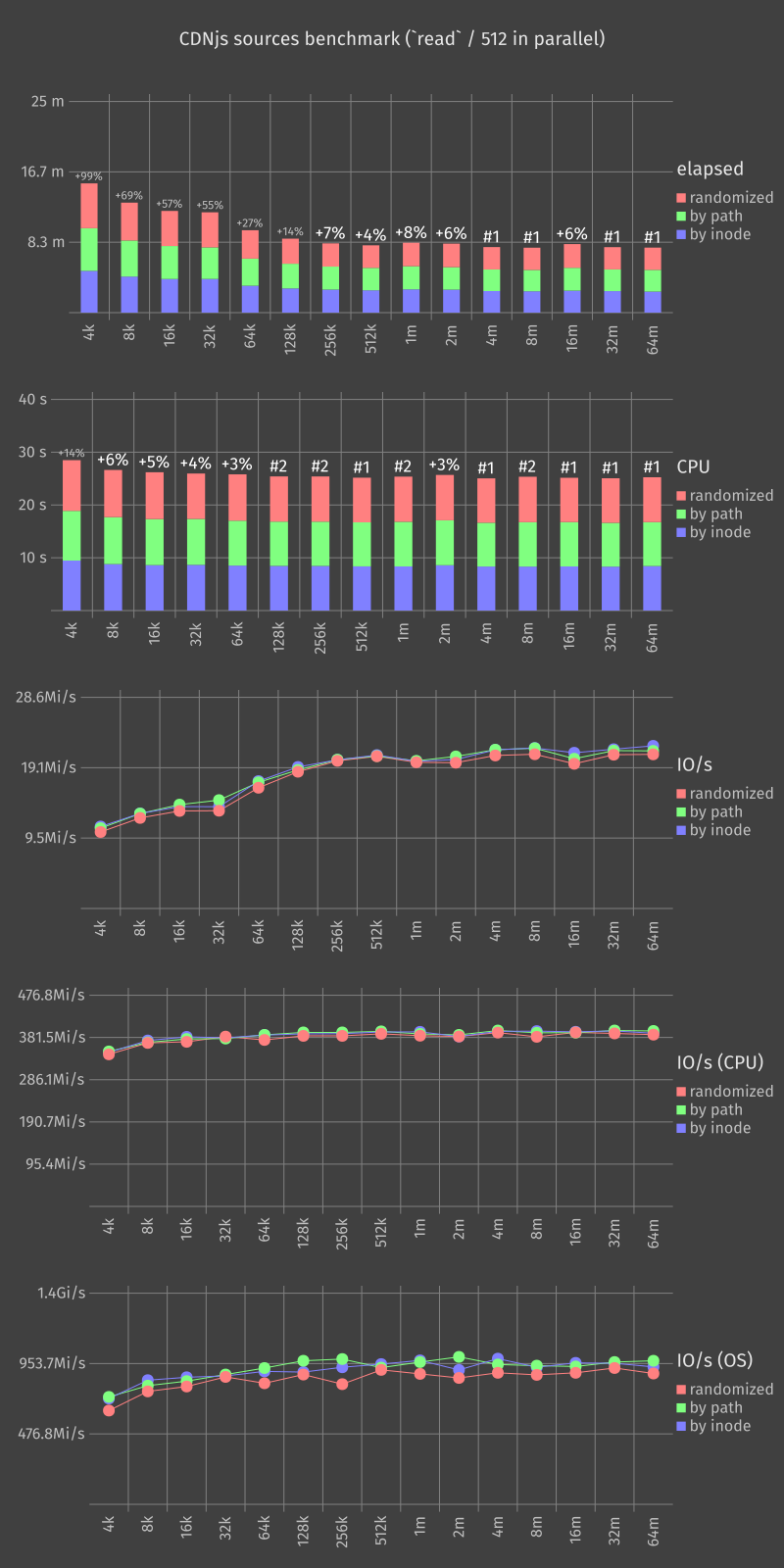
md5sumthe sampled files (sorted by path, then by inode, and then randomly) with a level of parallelism from 1 up to 512 (and all the 2's powers in between);before each of these steps are executed, an
syncandsysctl vm.drop_caches=3are issued;in total ~4.5 TiB of IO (mostly reads) was generated in ~41 hours;
The raw data (metrics)...
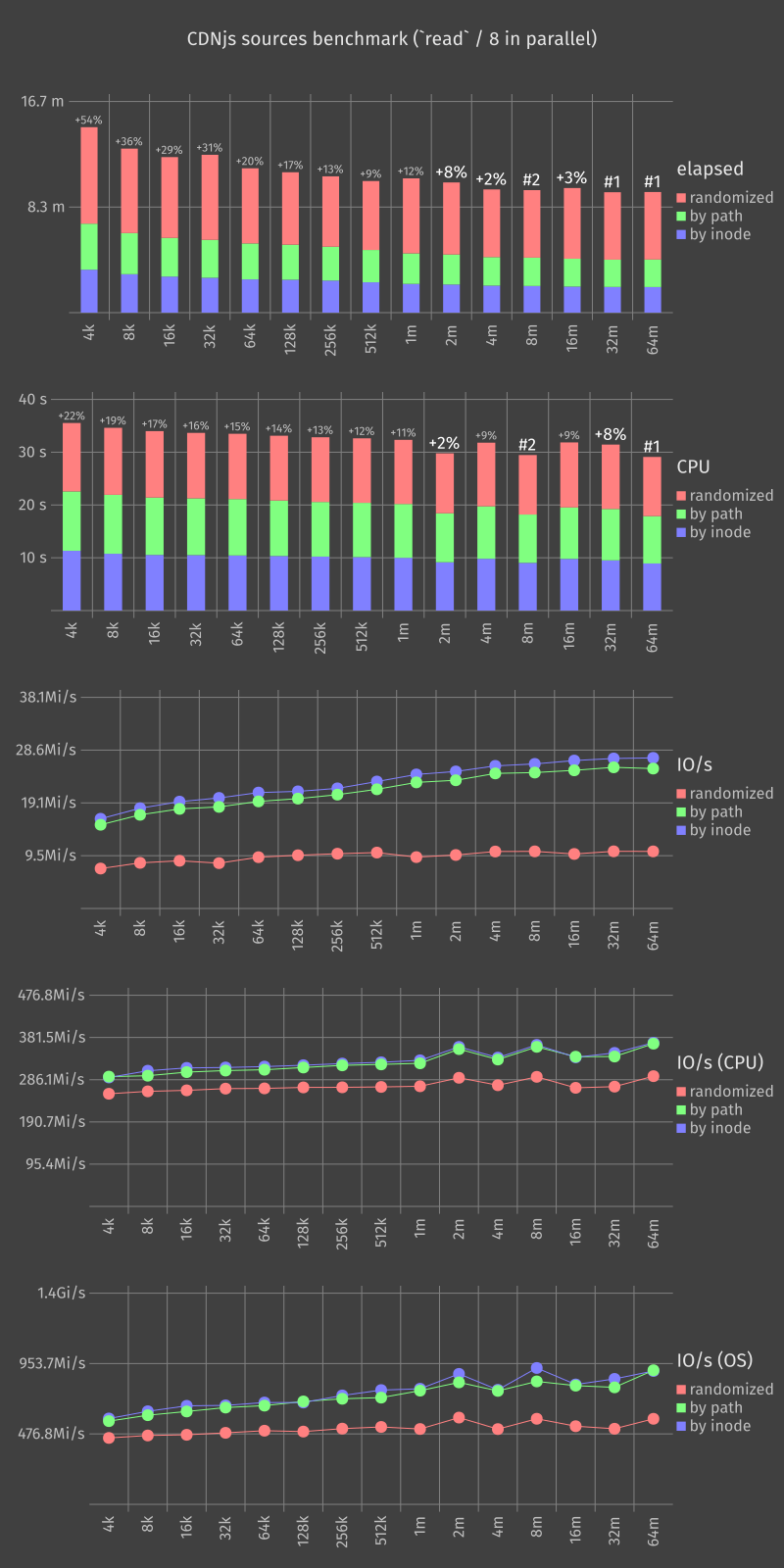
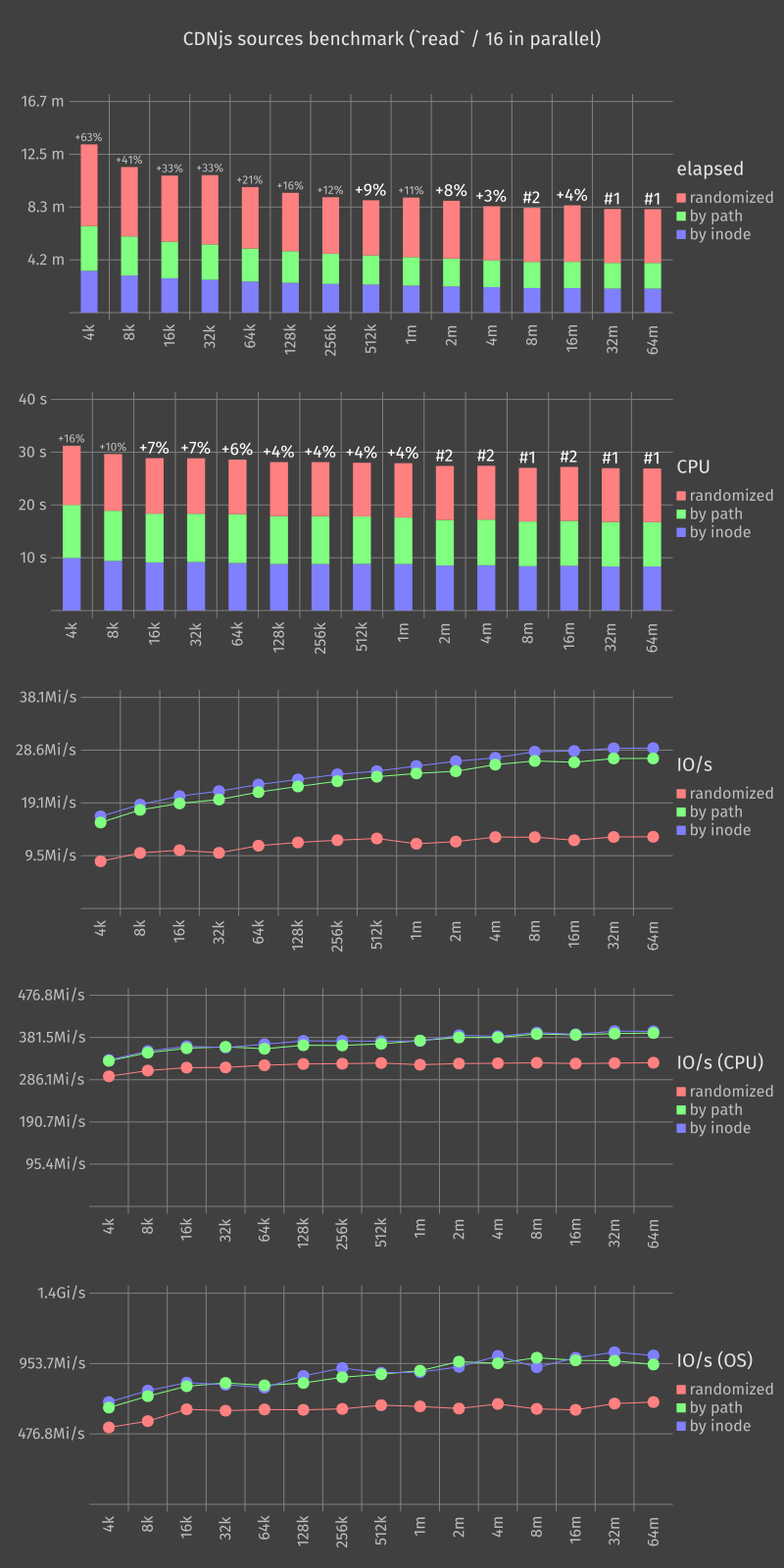
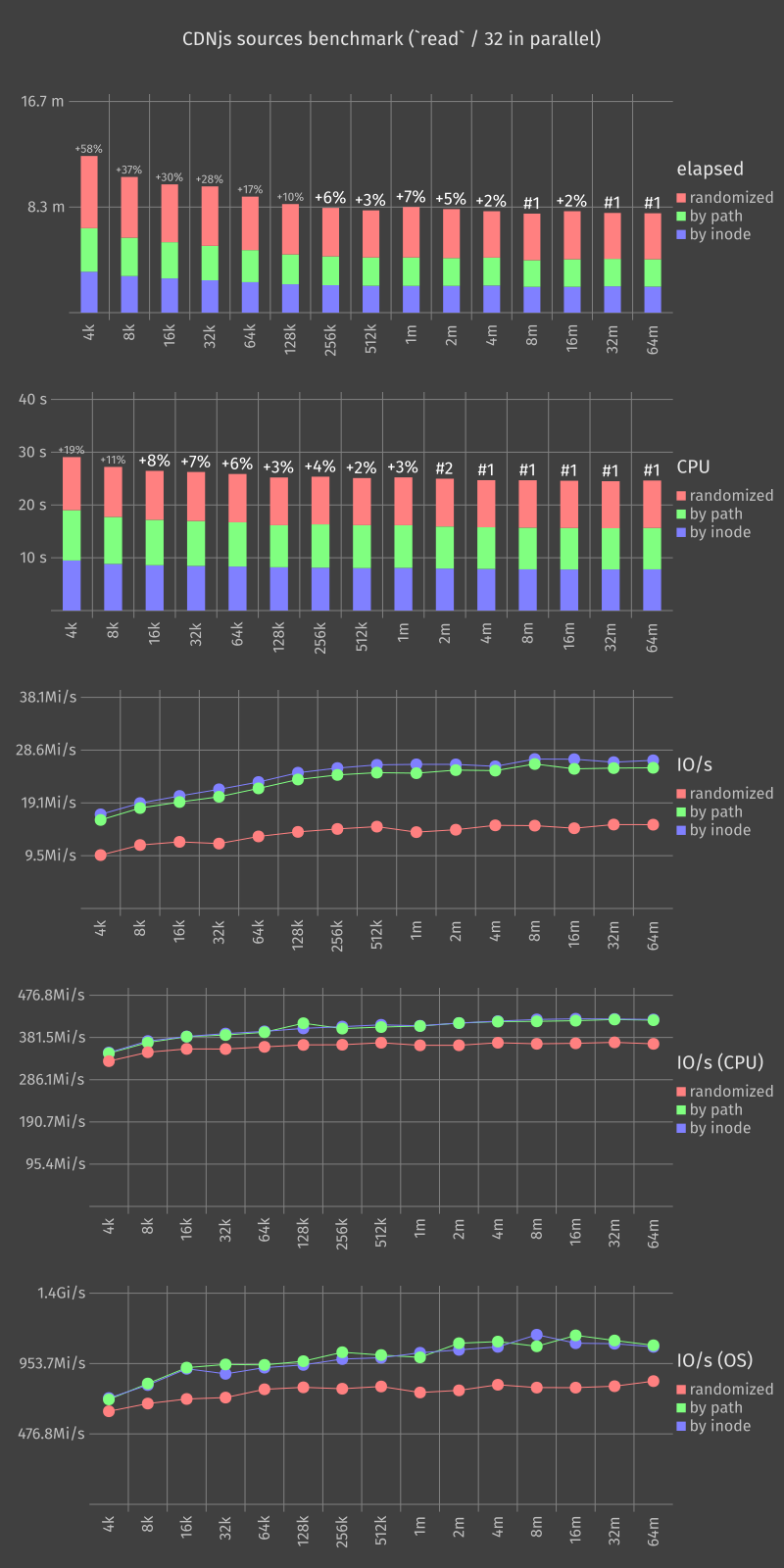
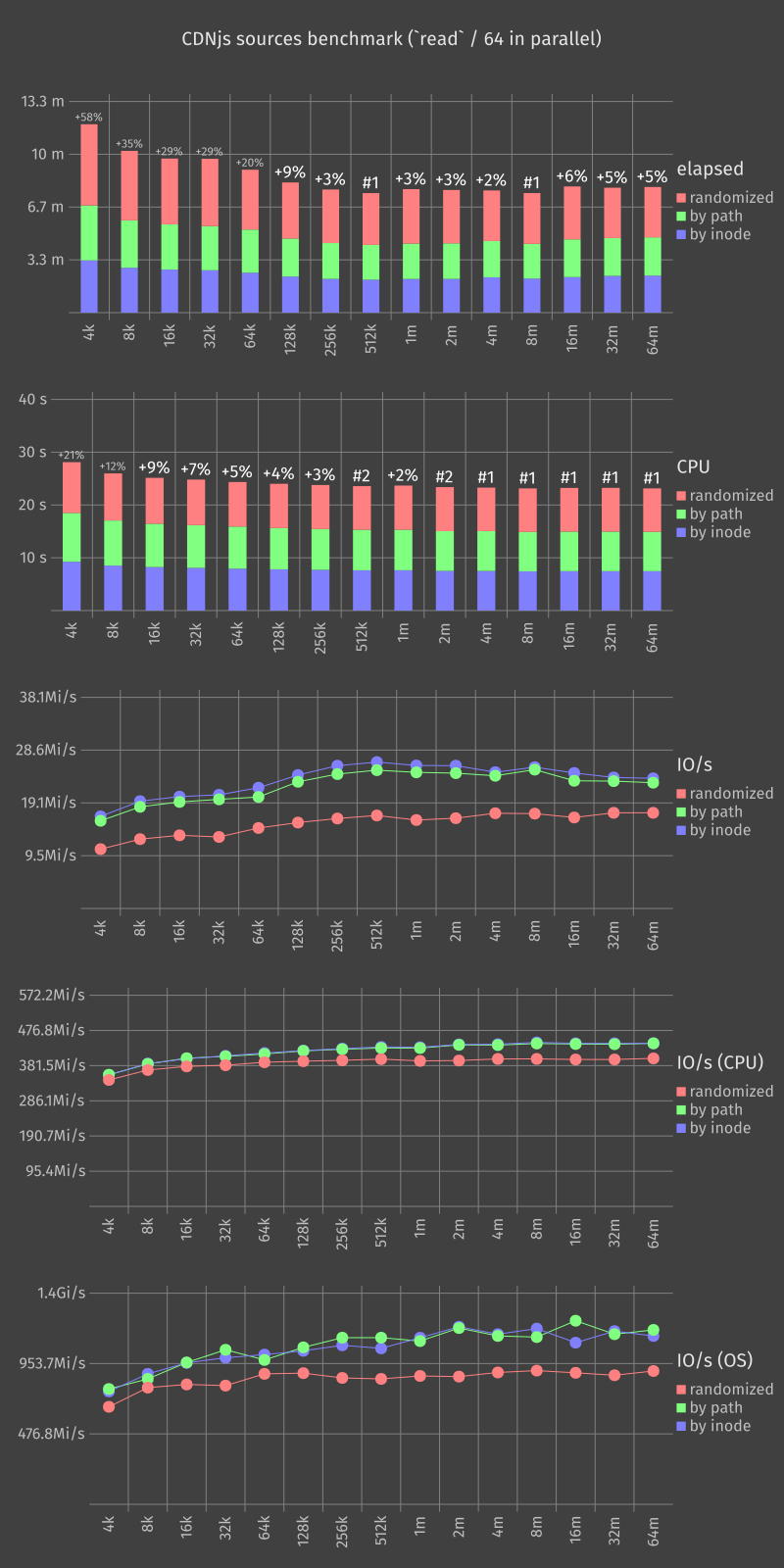
The following metrics are reported:
- elapsed -- the "real-world" ("wall-clock") time for the given operation;
- CPU -- the time that the CPU was actually used (both user-space and kernel-space); (this shouldn't vary much;)
- IO/s -- the real IO bandwidth; (as the ratio between IO and the real time;)
- IO/s (CPU) -- the bandwidth as the ratio between the IO and the CPU used time; (this also shouldn't vary much;)
- IO/s (OS) -- the bandwidth as the ratio between the IO and the OS (kernel-space) used time; (this would indicate any OS overhead;)
- waits -- the context-switches as a consequence (mainly) of IO;
- (there are in total 630 datapoints for about 7 metrics;)
The raw data (graphs)...
File-system, Git, and cat graphs
md5sum summary graphs
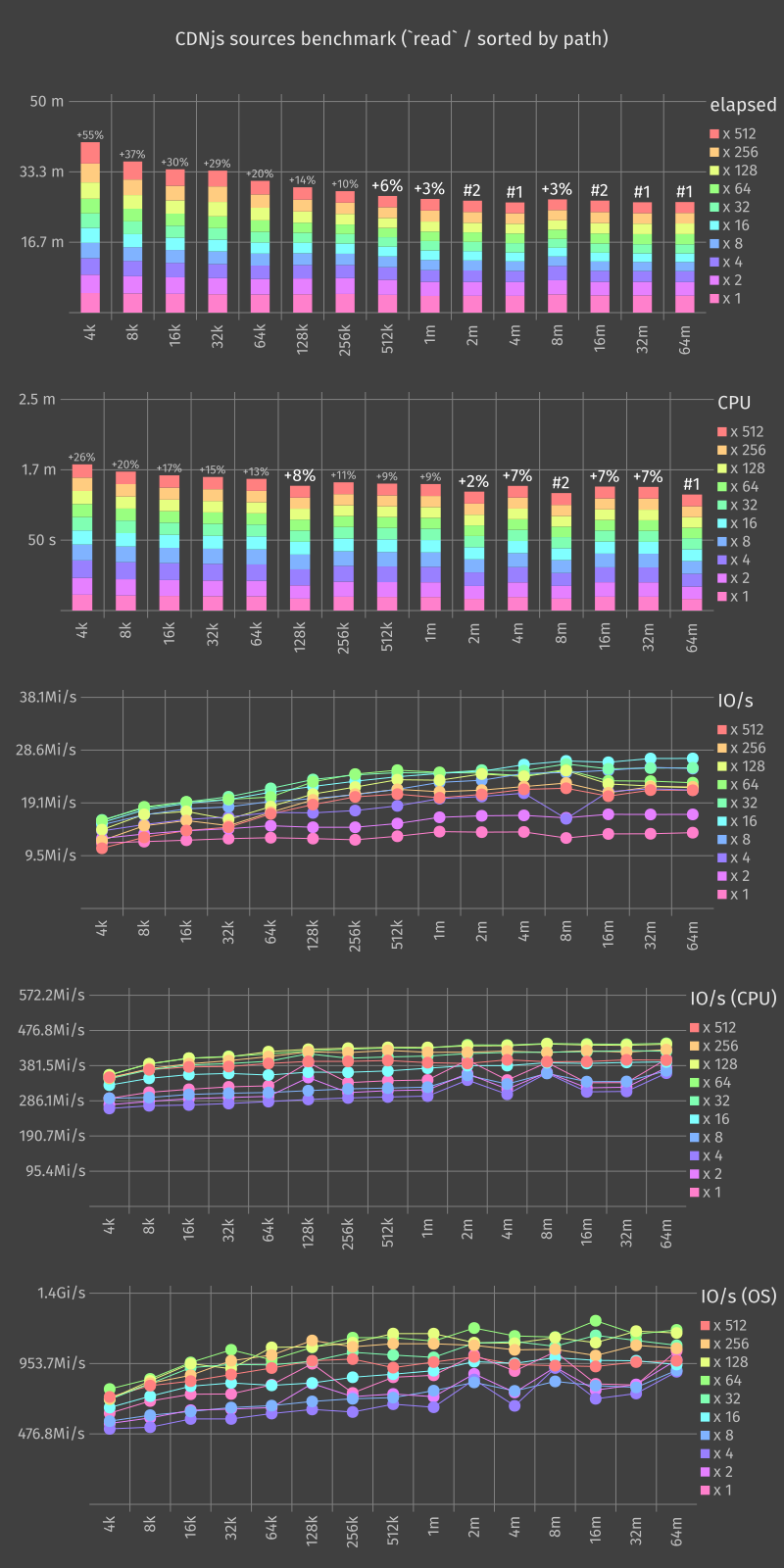
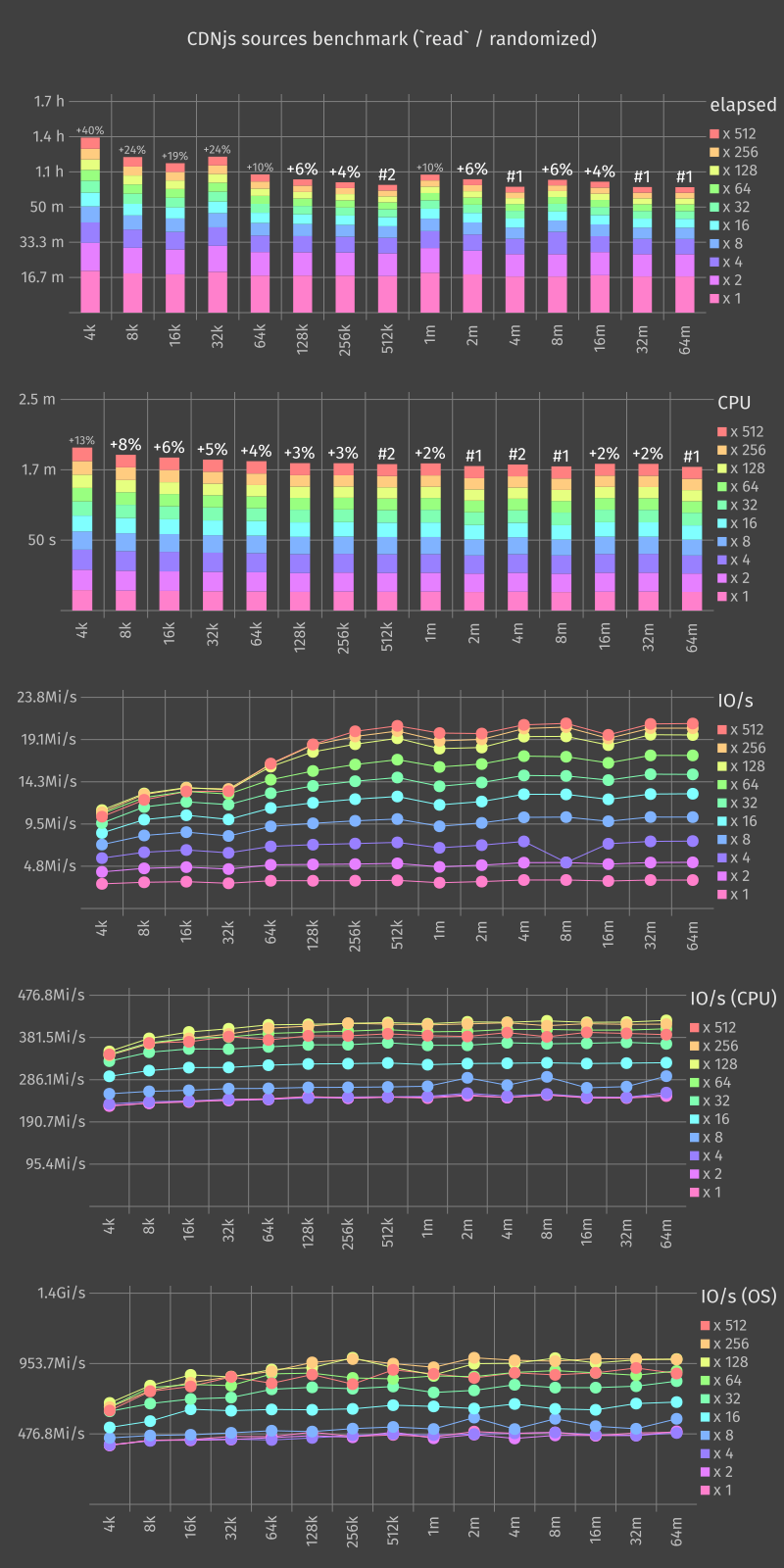
md5sum heatmaps
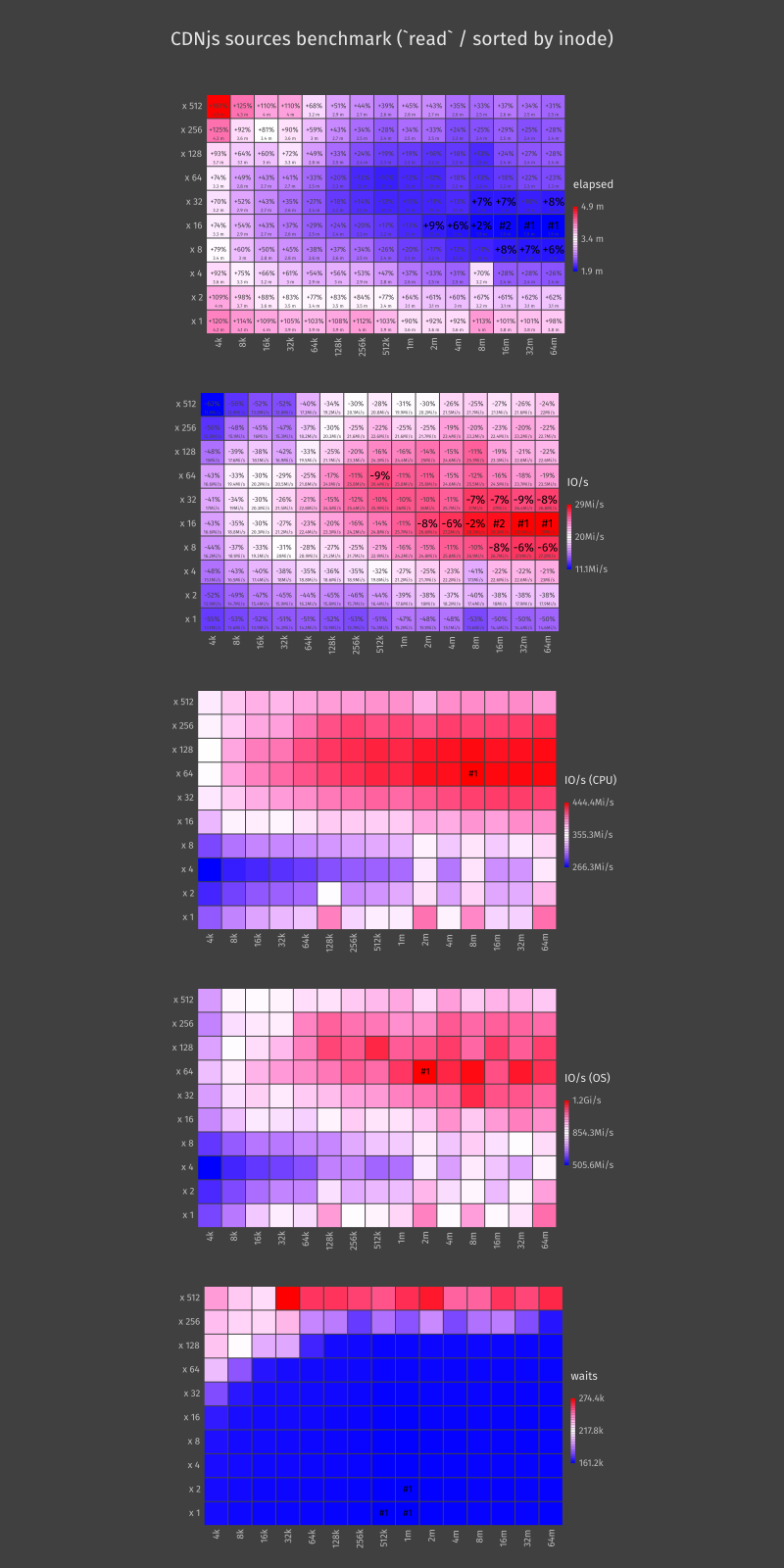
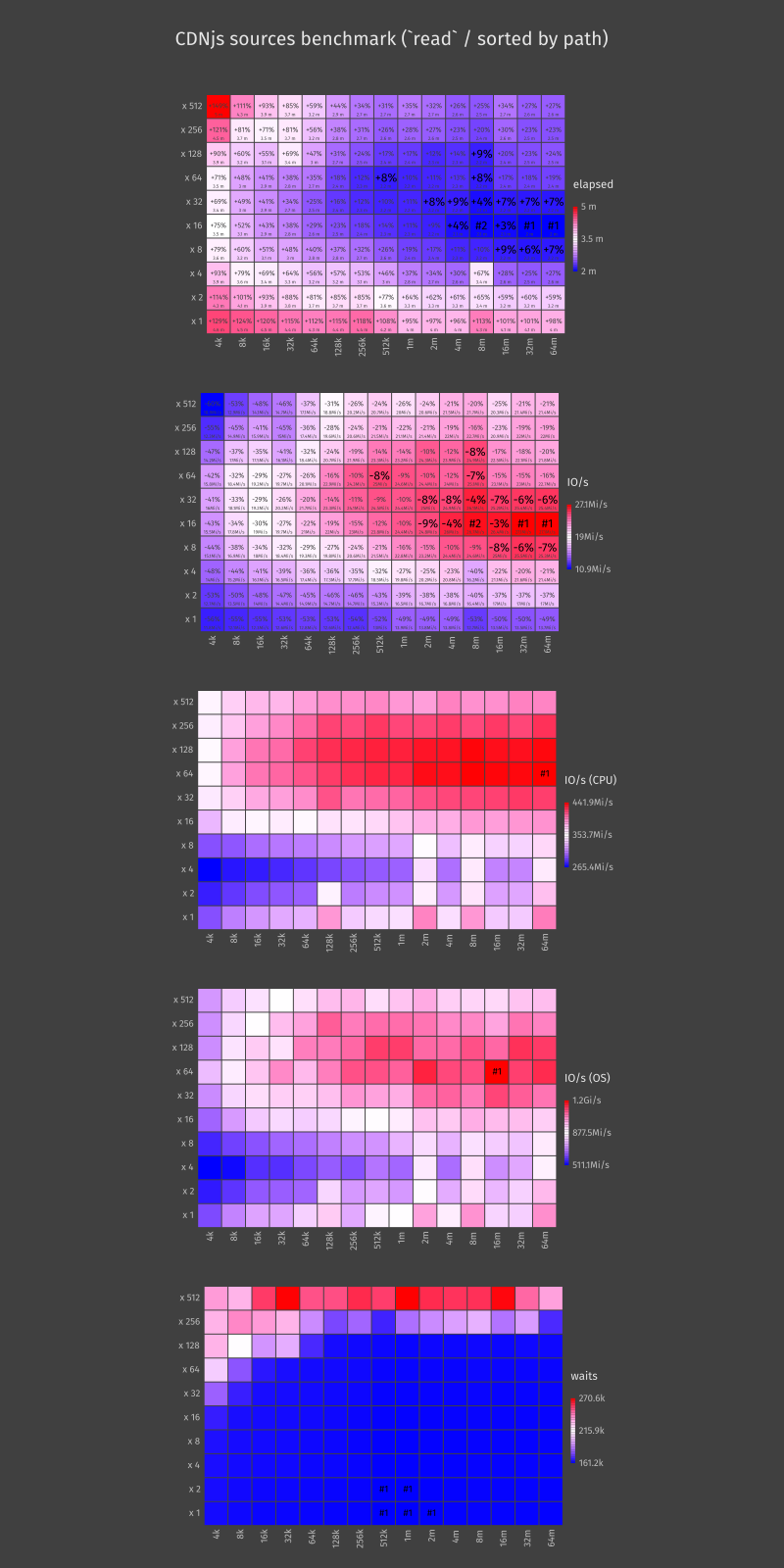
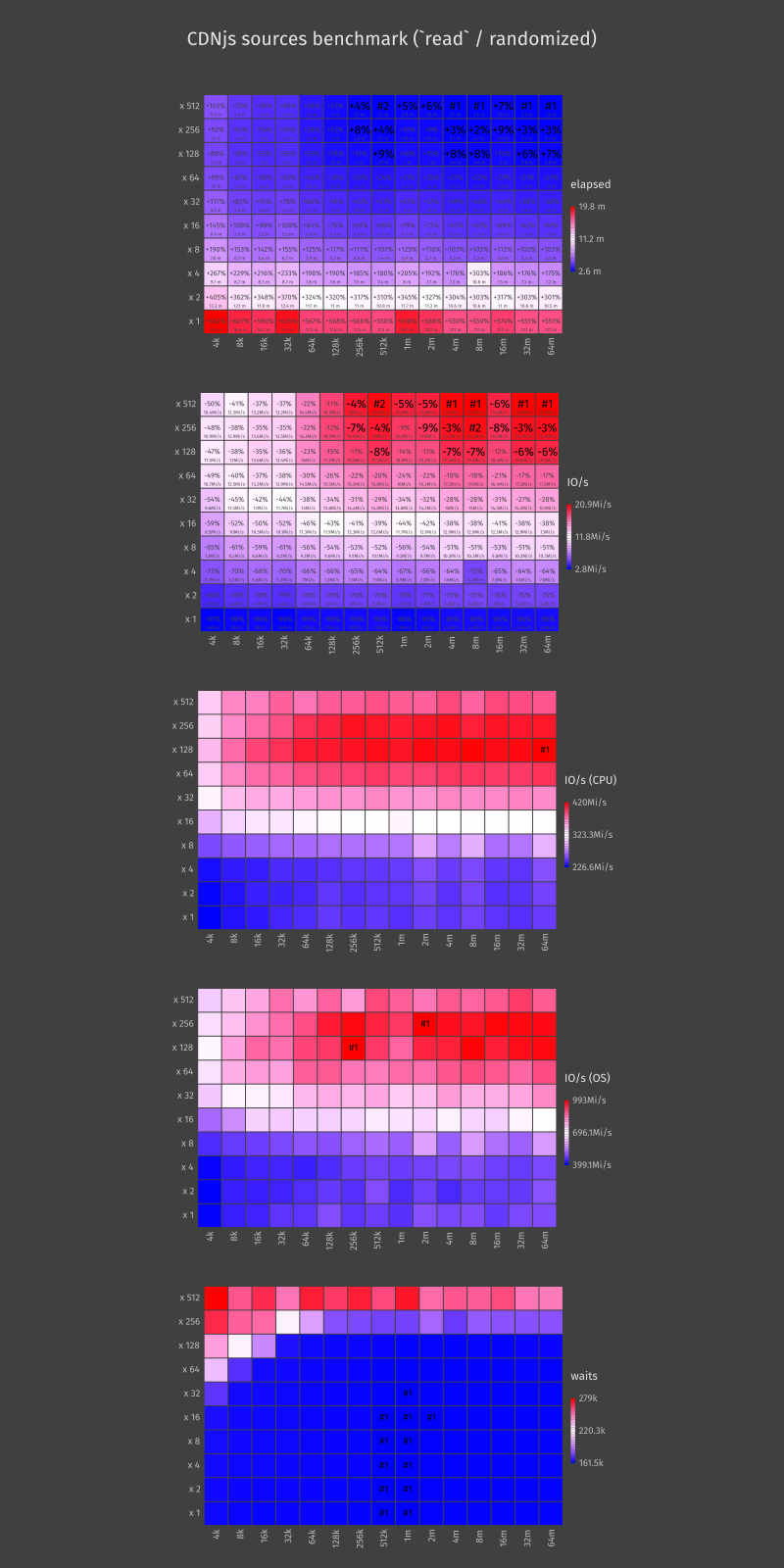
md5sum detailed graphs
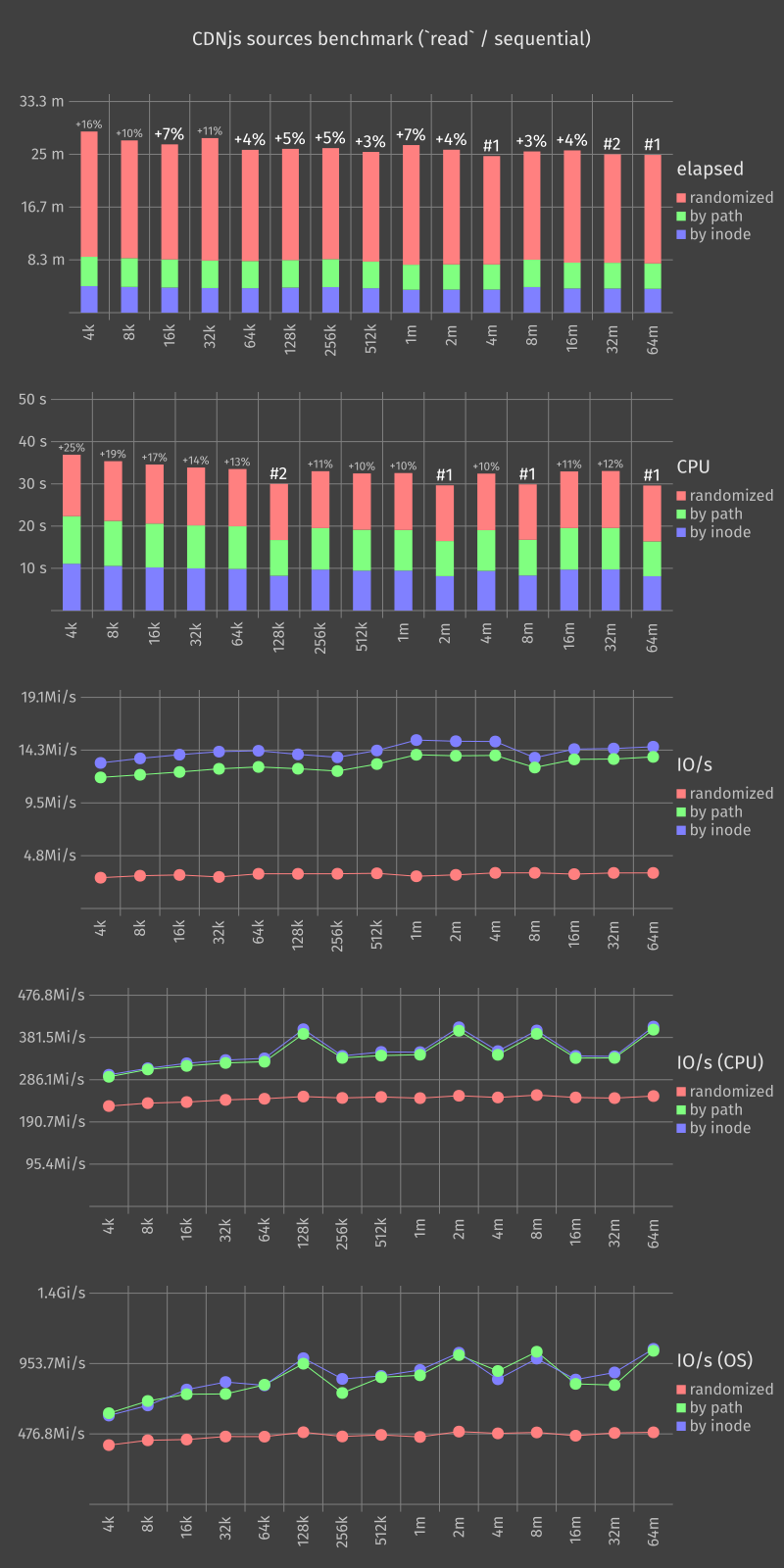
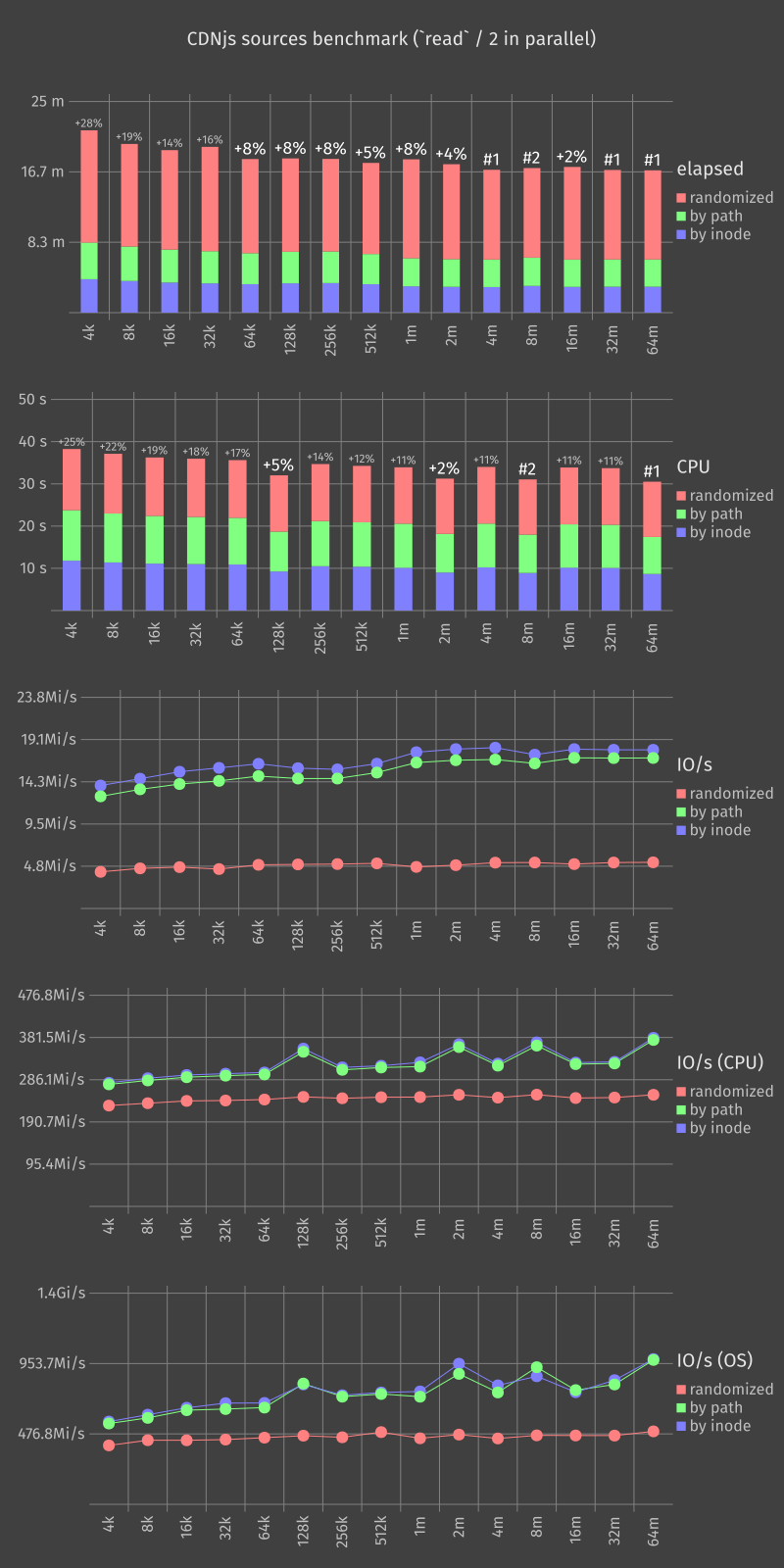
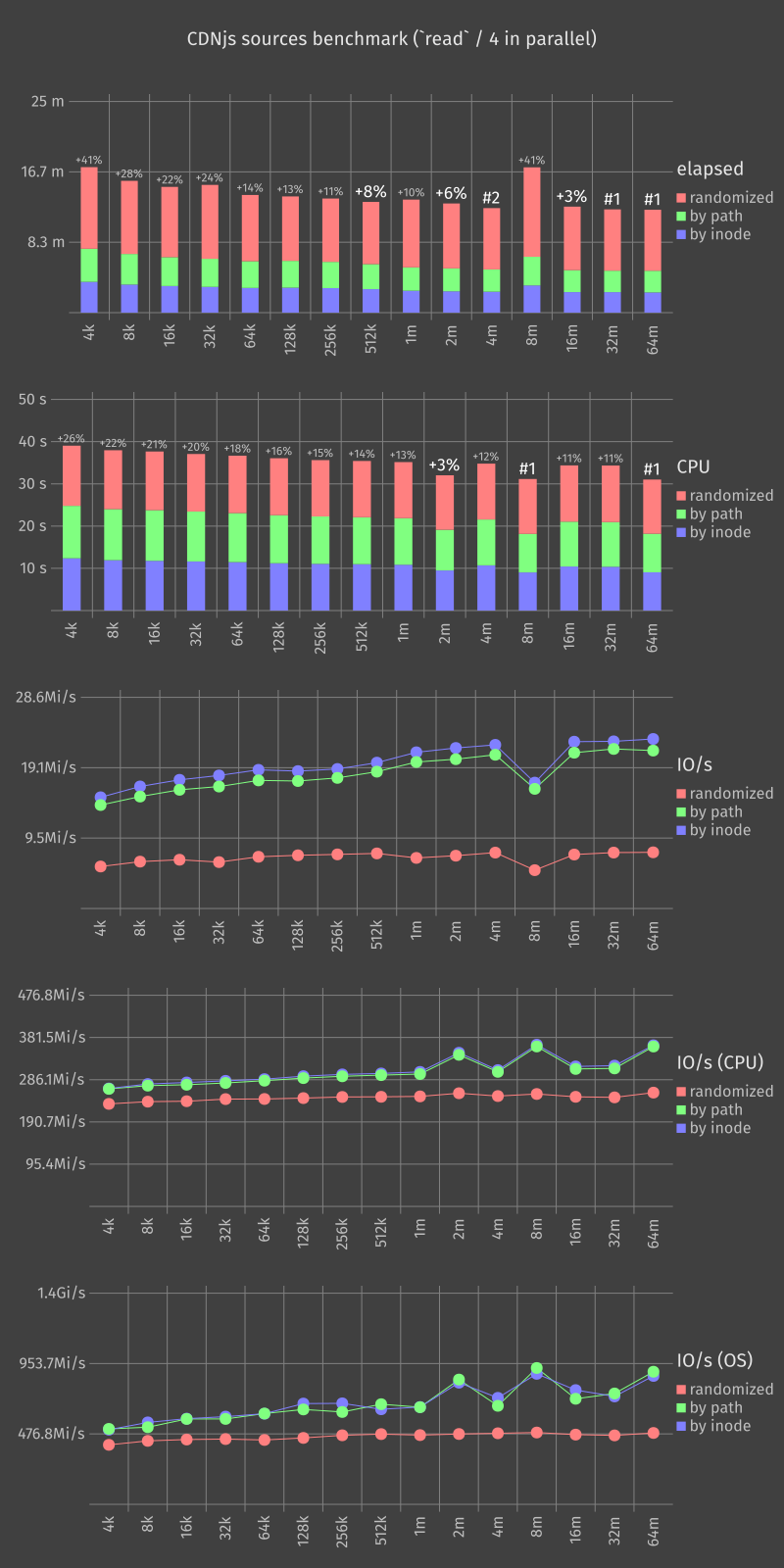
Comments
Nothing yet. Say the first thing.
Sign in to join the conversation.