
Imagine spending two weeks crossing the Atlantic or Pacific Oceans on a state-of-the-art mega-ship. You wake up every morning to a fresh ocean breeze, spend your afternoons lounging by a sparkling pool or attending a specialized photography lecture, and enjoy Broadway-caliber entertainment every night. Oh, and you have access to a pretty much 24 hour buffet! Now, imagine doing all of that for less than the cost of a few nights in a standard mid-tier hotel.
Welcome to the world of Repositioning cruises.
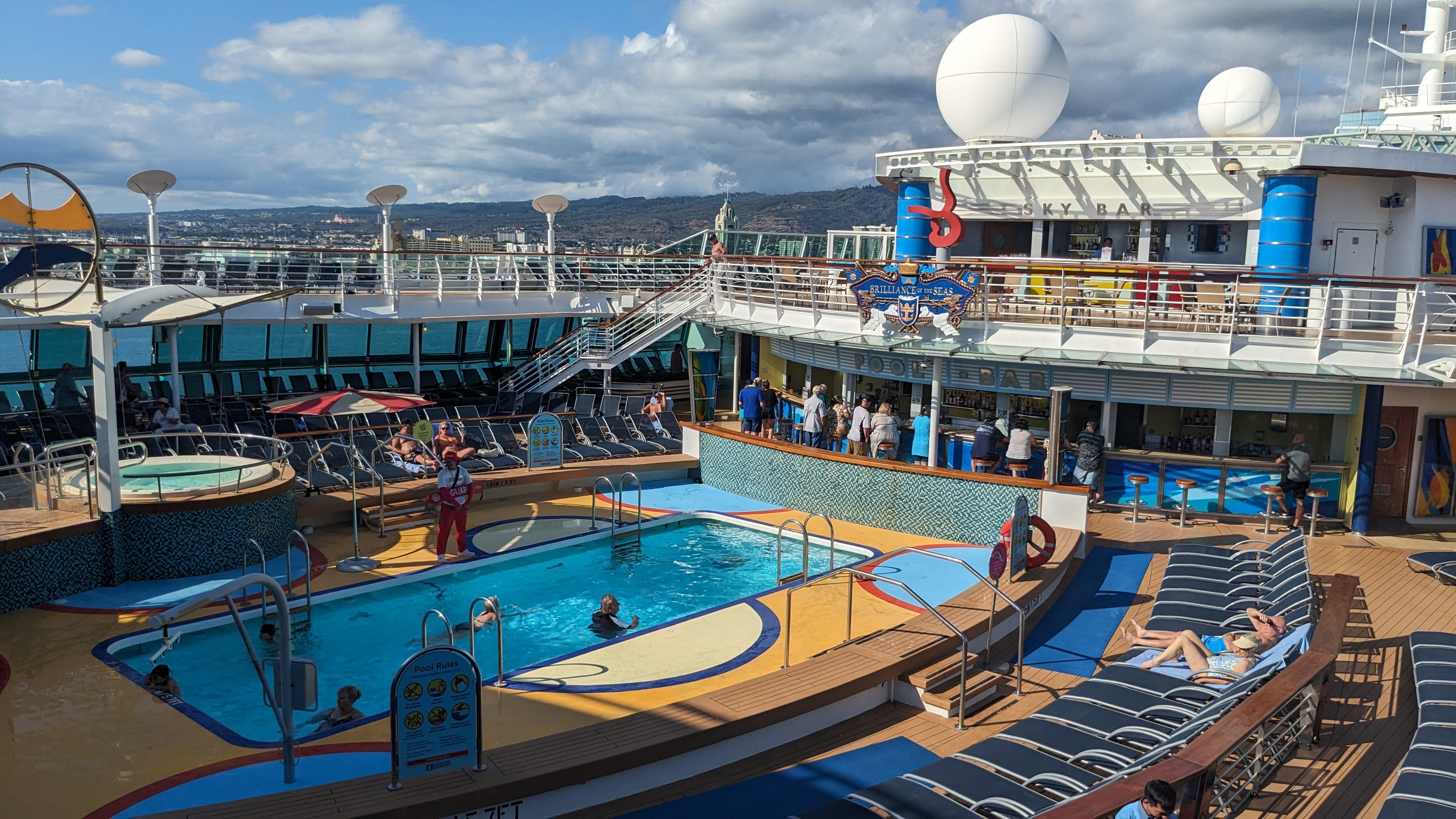
Kat and I did our first one almost three years ago, from Honolulu, Hawaii, to Sydney, Australia, over 18 days. This was a FIRST for us to be on the water for so long, but the decision was an easy one.
We were in Albania at the time the conversation started, and I said I wanted to take her to my Maui timeshare which she had never seen and I had not been to in seven or so years. She wanted to see her kids in Ohio, and I also had a business event in Arizona, and the timing worked out for all the above! We started the journey with our second 90 day bike trip in Europe and the Balkans over the summer, ended in Romania, where I took the bike back, then flew to Paris on French Bee, on a very affordable flight to Newark, NJ. From there we went to Ohio, where Kat remained, and I went on to California and my event. Later we reconnected in Orange County and flew to Maui, spent a week at my timeshare, and then 10 days on the Big Island, since we had a gap before the cruise left the beginning of October. Quite a whirlwind over a five month period!
But then the fun began! From the Big Island we flew to Honolulu to pick up our Royal Caribbean, Brilliance of the Seas.
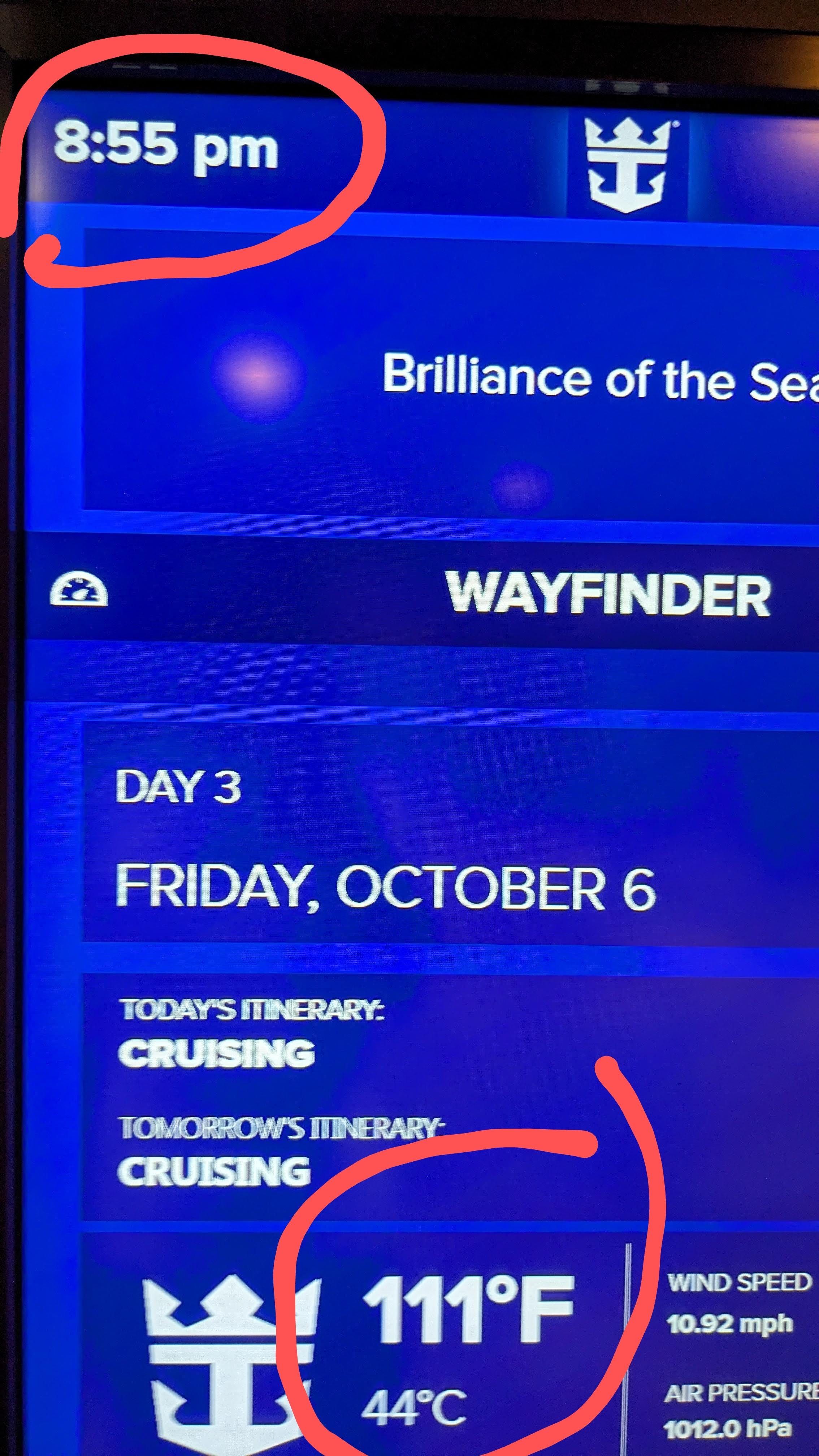
Here are some links to our blog sharing that period below since it covers several weeks. Let’s just say aside from some queasiness with Kat’s belly on the first few days, and the excessive heat, then very chilly temps in New Zealand, we had a great time. The cruise was 90% Aussies, and they were all cordial, inviting, and just great people to know. We remain in touch with several of them.
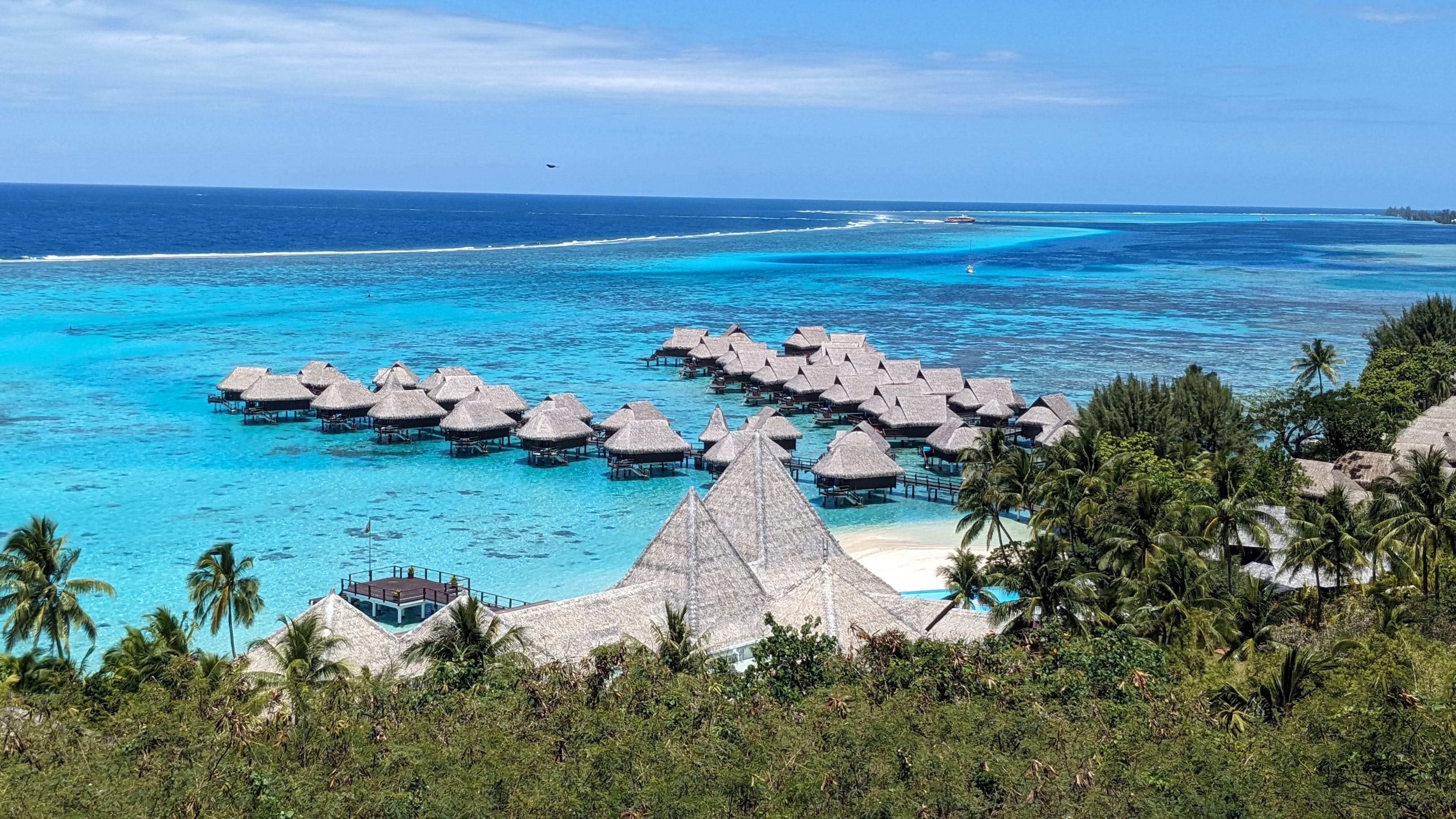
The beauty of the tour was that we got to places that would be totally impractical to visit directly by air. I mean, Tahitia? Moorea? Raiatea? I never in my wildest dream ever thought I’d get there.
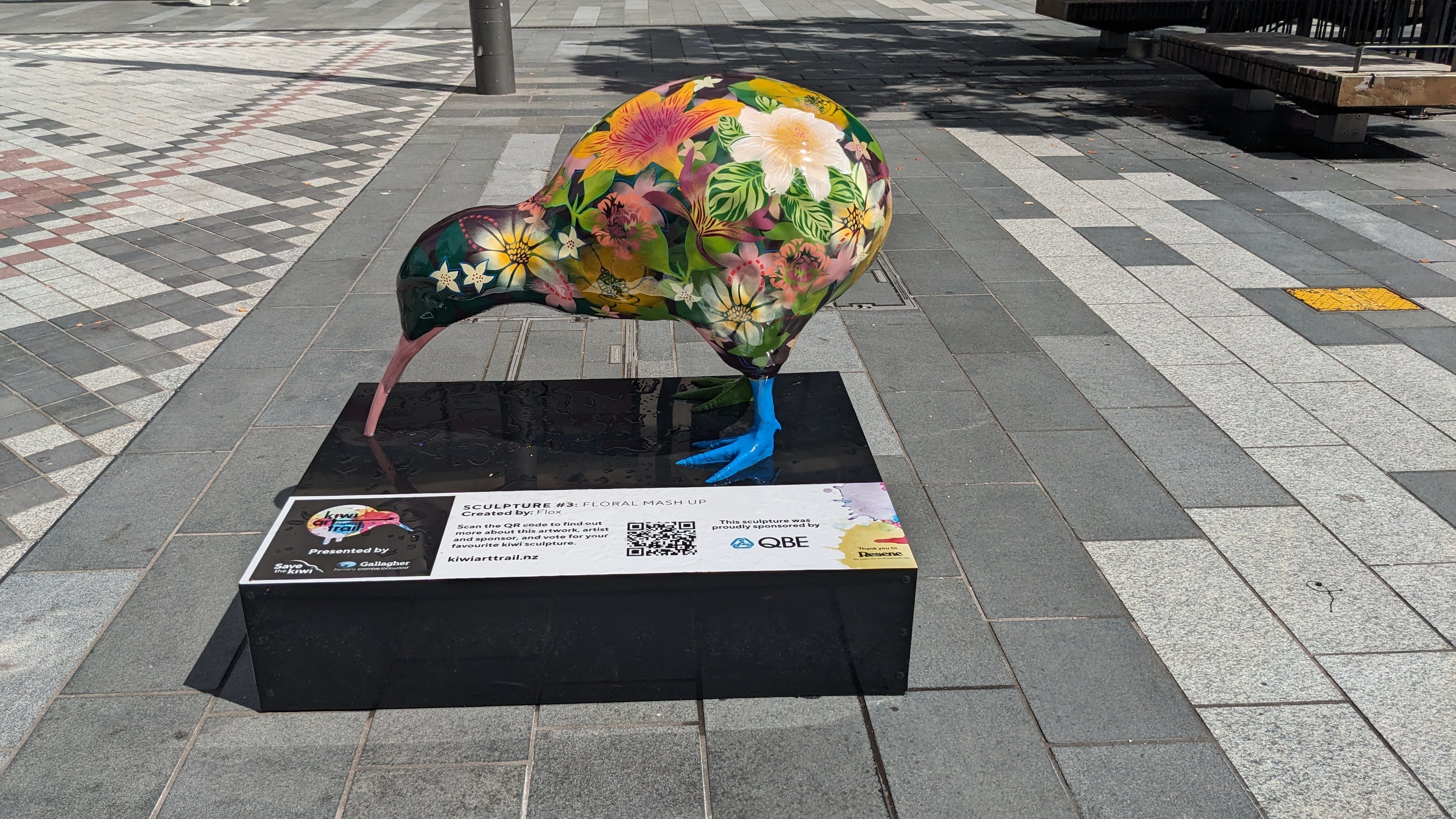
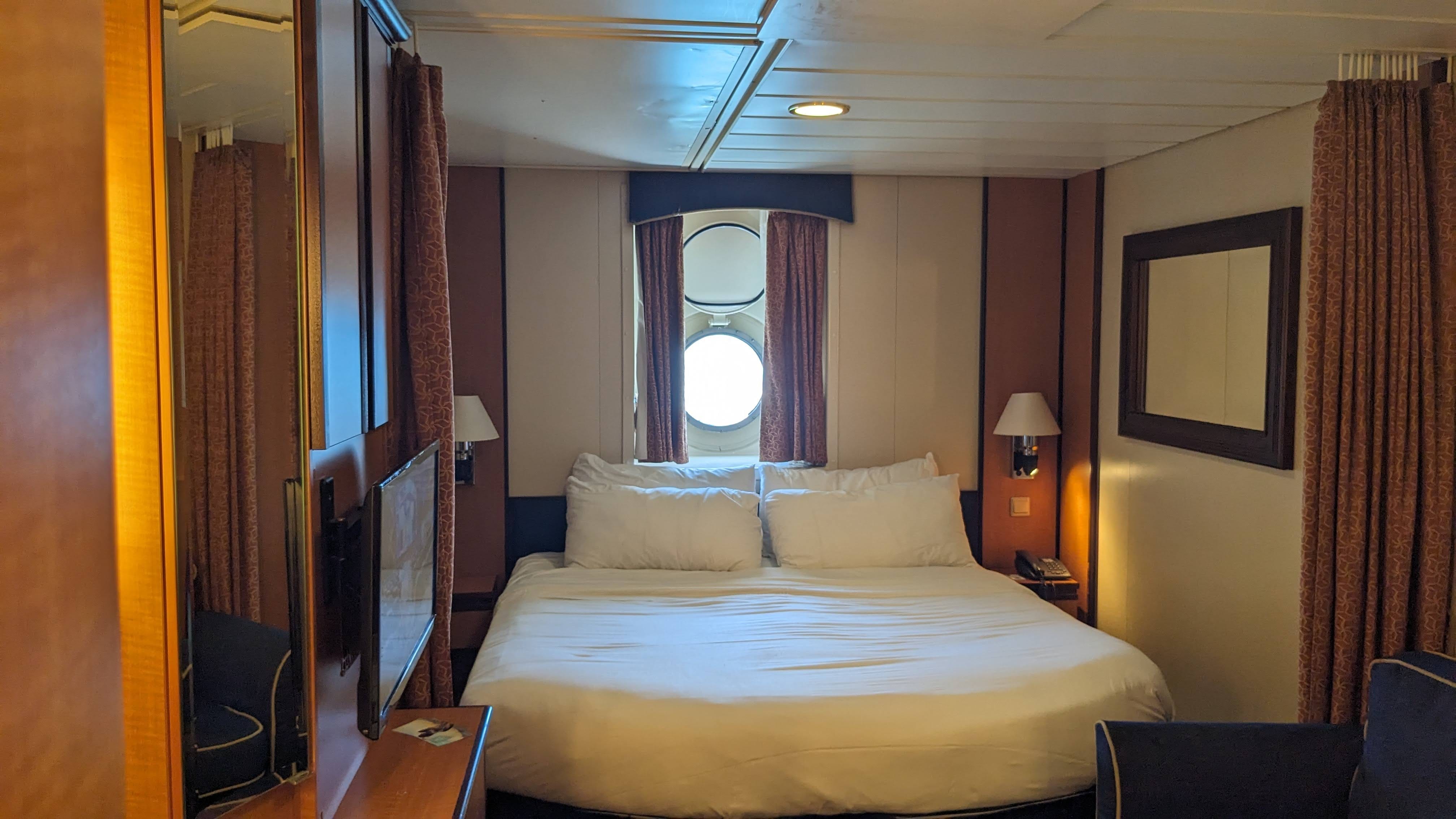
And our last two stops were New Zealand, and Sydney. Imagine waking up about 0600 and looking out your porthole at one of the most iconic structures in the world: the Sydney Opera House.
We looked at this as a solution to several things, including making our way back to Asia, which we did, by flying to Bali after we were done in Oz.
Q: Why are they so affordable?
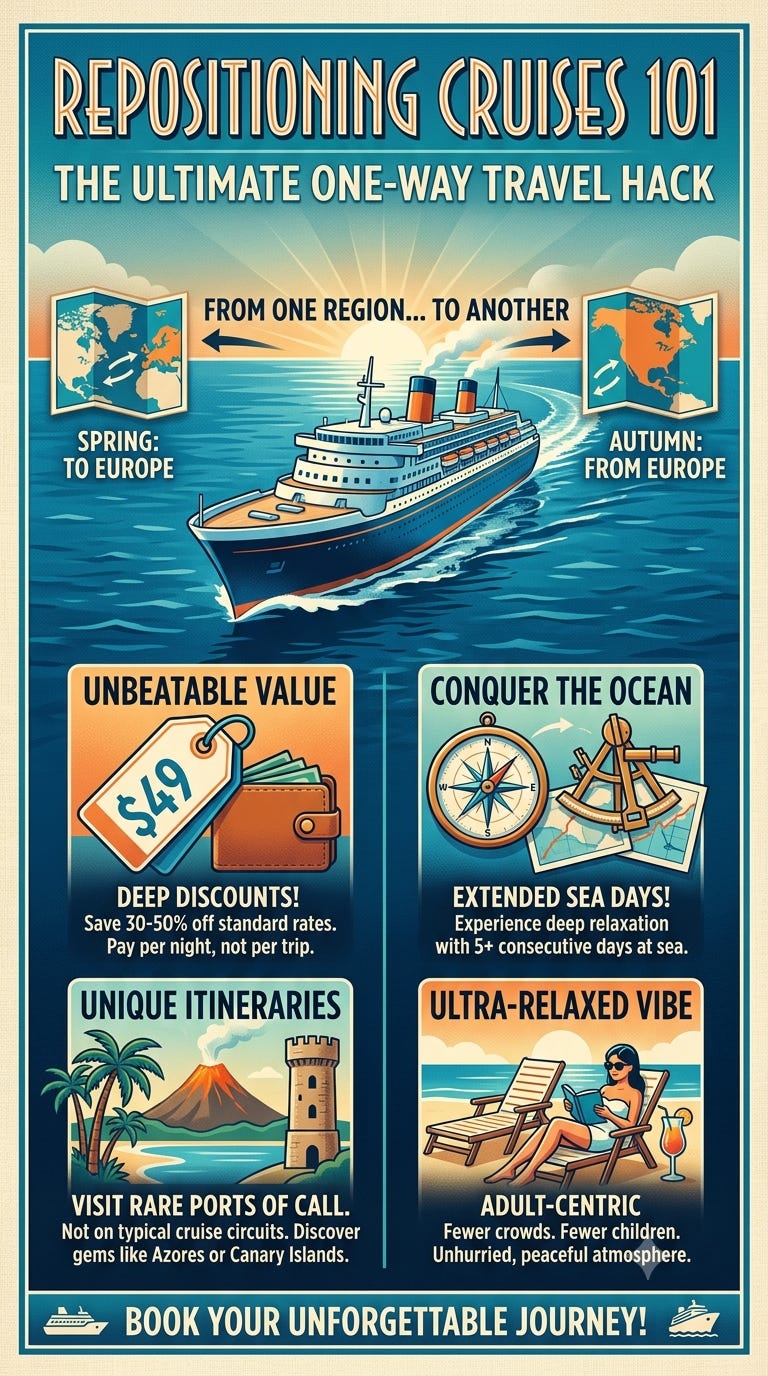
A: Unlike standard cruises, which typically sail in a loop and return you to your exact starting point, a repositioning cruise is a one-way voyage. Most cruise ships, like migratory birds, follow the sunshine, and when the summer season winds down in one corner of the globe, cruise lines must physically move their multi-billion-dollar vessels to a completely different region to catch the next wave of vacationers. Rather than sailing these massive ships completely empty—which would be a huge waste of fuel and resources—cruise lines open the cabins to the public at deeply discounted rates. And that is how Repositioning cruises started to be noticed, and they have grown significantly over the years.
The Most Common Seasons—and Directions
Repositioning cruises don’t run year-round, but cloister around two peak windows: Spring (March to May) and Autumn (September to November).
During these shoulder seasons (BTW, the best time of year to travel in my opinion), the global cruise fleet undergoes a massive shuffle, charting historic trade routes and passing through engineering marvels.
1. The Transatlantic Shuffle (Europe & The Caribbean)
This is the granddaddy of all repositioning routes.
The Autumn Migration: As Europe cools down in October and November, ships leave Mediterranean hubs like Barcelona, Rome, and Southampton, heading west across the Atlantic toward sunny winter homeports like Miami, Fort Lauderdale, and Galveston.
The Spring Migration: In April and May, the reverse happens. Ships leave the Caribbean and head east back to Europe for the Mediterranean and Baltic summer seasons.
2. The Pacific & Alaska Crossing (North America & Asia/Australia)
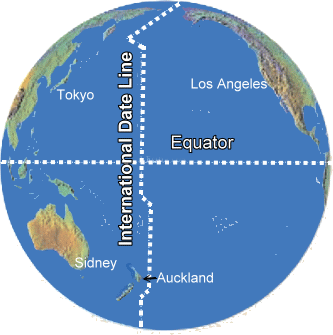
When the Alaskan cruise season wraps up in September, ships docked in Seattle or Vancouver don’t stay in the cold. Some head south down the coast of the Americas, transiting the iconic Panama Canal to join the Caribbean fleet. Others head west across the Pacific toward Hawaii, the South Pacific islands, and down to Australia or across to Japan and Southeast Asia.
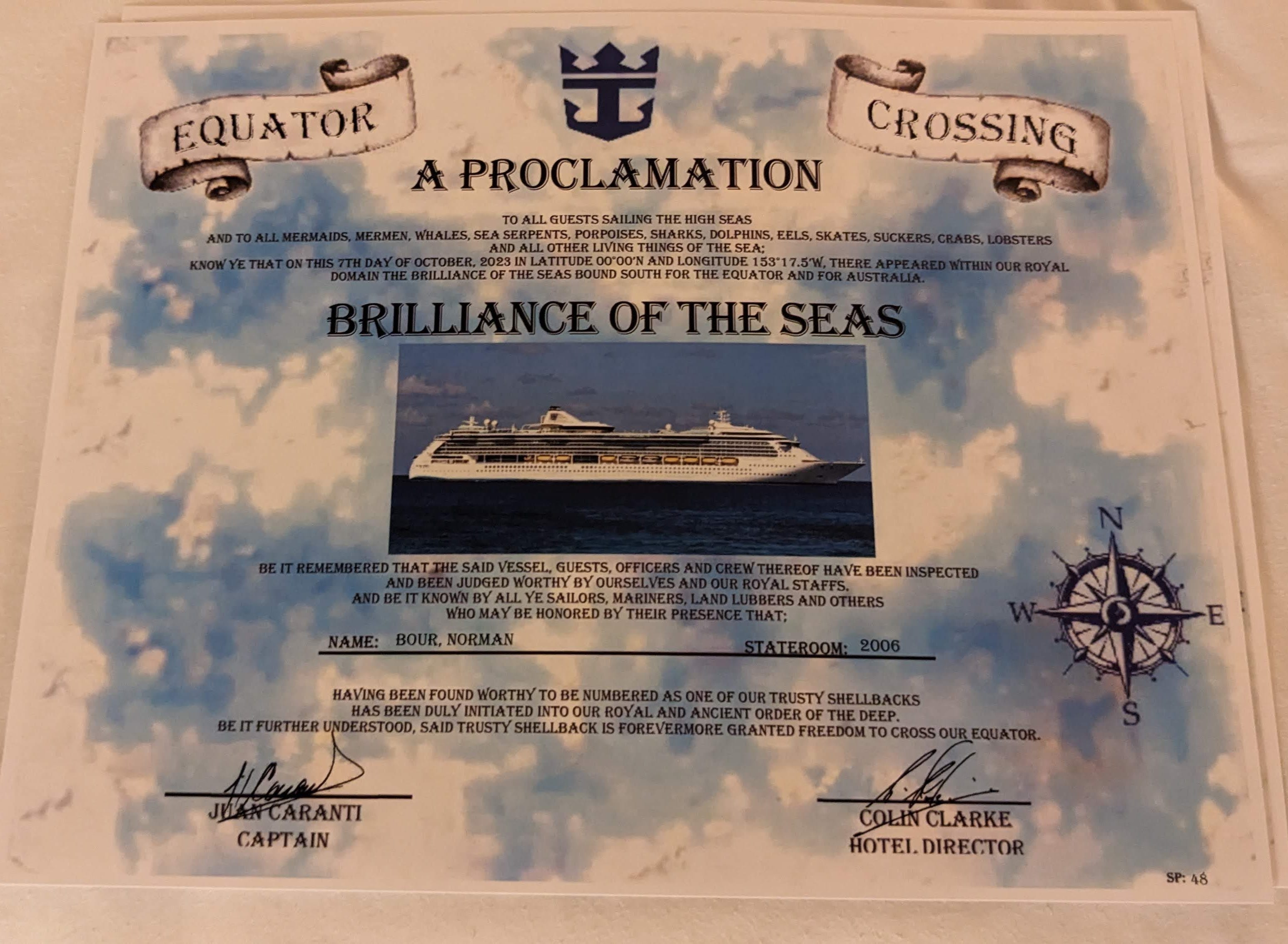
This was the one we took in October, 2023, and this is what I’m looking at now. For next Spring of 2027.
I have no incentive or reason to return to the US, except for the expiration of my driver’s license—which I still need. Even though we rarely rent cars, we do rent a lot of bikes and scooters. And since I have that very significant “M” motorcycle endorsement on my license, I need to renew it. If I had NOT gotten that I generally would be limited to 125 cc bikes, which is OK for some places, but not for longer multi-day rides. The problem is, I cannot renew this online since I did that last time, and in California they require Old Guys over 70 to get a vision test.
So that is my motivation to return.
I have enough points on my credit card to cover a round trip ticket, but I thought I’d keep the spirit of adventure and look into another Repositioner. The only thing that makes sense is to leave from ASIA and head to the US, since that is where the seasonal new positioning goes. I found a Royal Caribbean leaving Yokohama (Tokyo), Japan, in May of next year, and landing in Los Angeles 18 days later. And THAT works for me.
In Part II I’ll cover some of the other cruise options in the world, why they are as cheap as they are, and talk about the possible future of that market. According to the Cruise Lines International Association (CLIA), the market has grown from 23 million passengers in 2016 to 37.2 million passengers in 2025, a 62% growth overall, and an average of almost 6% annually. And here’s what’s interesting.
The next ten year’s numbers are expected to DOUBLE over the past decade, and there are about 60 new ships on order for the next five years.
So if you’d like to try something new, stick around for my next report!
Comments
Nothing yet. Say the first thing.
Sign in to join the conversation.