
Just as the old expression goes, “All men and women are not created equal“—neither are noodles.
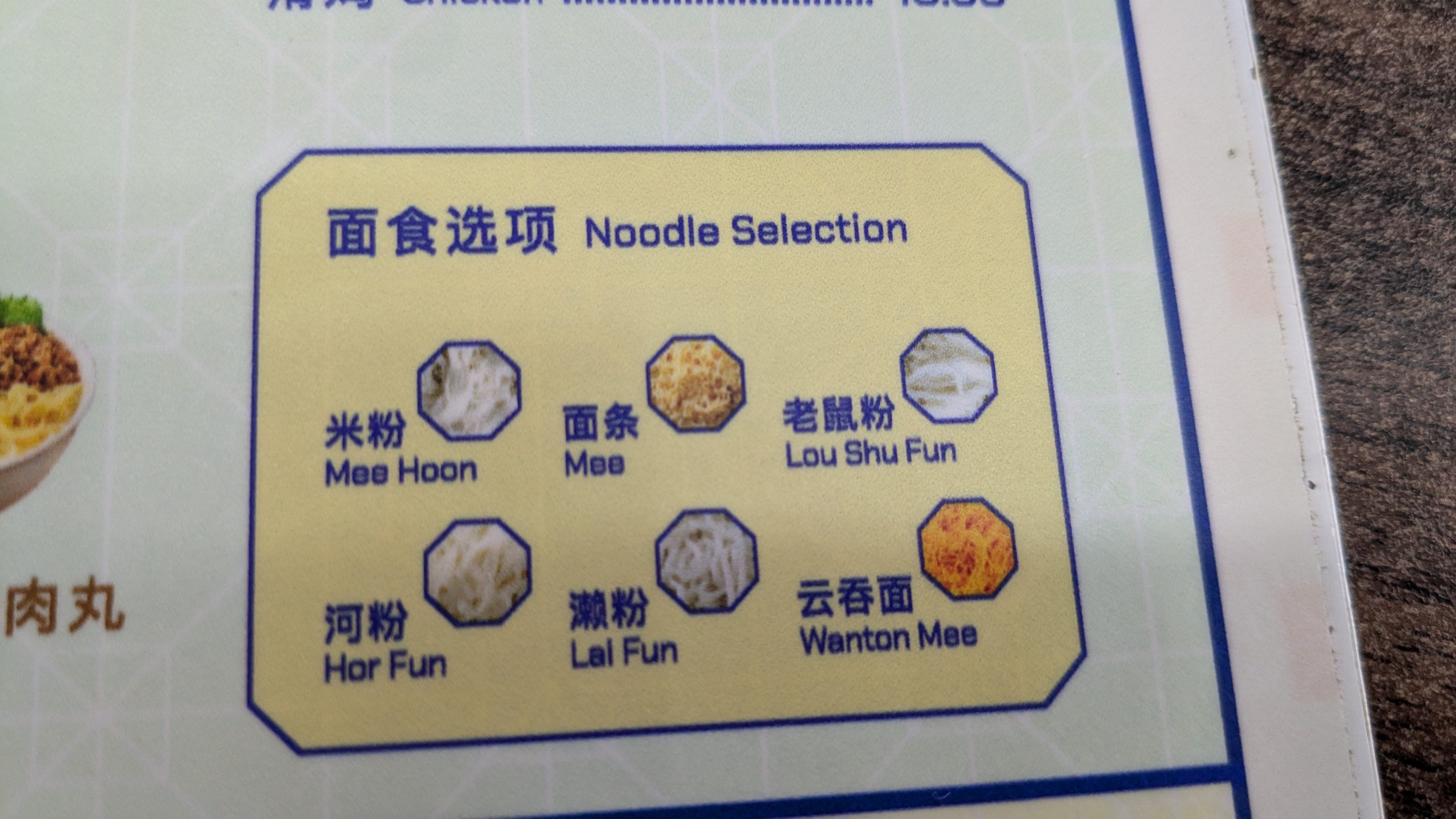
For anyone who has ever traveled throughout Asia, it becomes immediately apparent that noodles, alongside rice, form the foundation of daily life and culinary eating. They are not merely side dishes or fillers; they are the canvas upon which centuries of history, geography, and culinary innovation are painted. But to US, the outsiders, the uninitiated, a noodle is just a noodle. Nothing could be further from the truth. The sheer variety, textures, and types of noodles found across the continent are nothing short of insane. They can be crafted from an astonishing array of base ingredients, ranging from staple grains like rice and wheat to protein-rich eggs and a diverse selection of subterranean tubers and root vegetables.
When you pair this structural variety with a regional variety of aromatic spices, fresh herbs, and complex broths, you unlock the tremendous, mind-boggling diversity that Asian cuisine is globally celebrated for. To truly understand Asian food, you must understand that every noodle and every grain of rice tells a specific story of the soil and water from which it came.
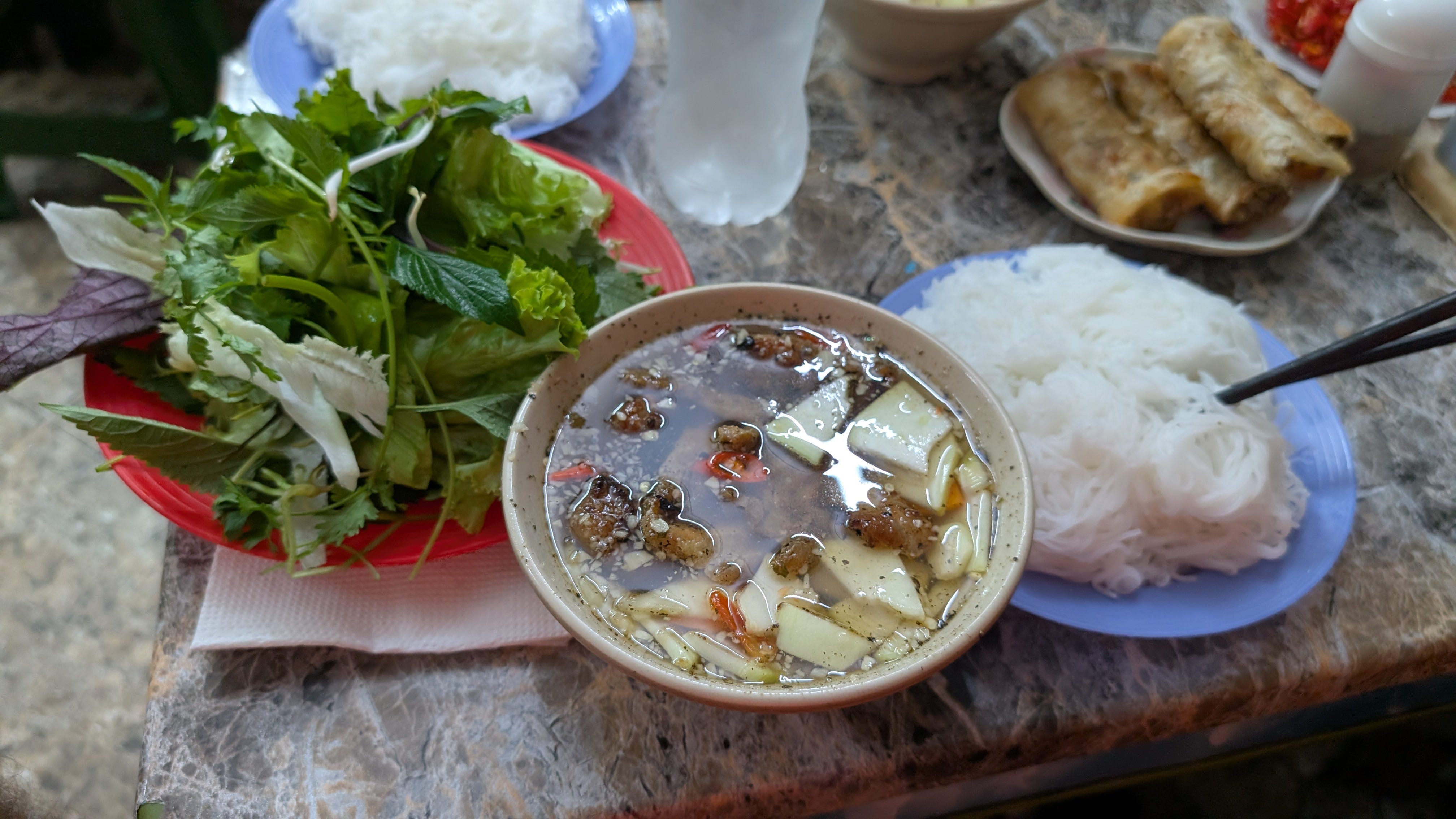
The Magic of Central Vietnam: The Legend of Cao Lầu
To appreciate how deeply noodles are tied to geography, one needs to look no further than the ancient, lantern-lit streets of Hoi An, located in Central Vietnam near the coastal city of Da Nang, and where I am currently living. This historic trading port is famous for a dish called Cao Lầu, which serves as a prime example of how localized a noodle can truly be.
Unlike the traditional soft, smooth Vietnamese rice vermicelli or the delicate, translucent ribbons used in a classic bowl of Pho, Cao Lầu noodles are an entirely different beast. They are dense, firm, remarkably chewy, and carry a distinct, smoky brownish-yellow tint. What makes them so unique, however, is their exclusive hyper-locality.
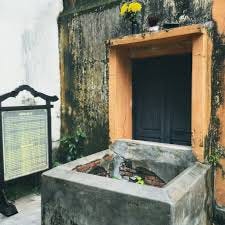
Authentic Cao Lầu noodles can only be made right here in Hoi An, and this is because of a highly specific, age-old recipe that requires a unique combination of ash-lye water drawn from an ancient, hidden well, which is in the city. The ash used to create this lye mixture doesn’t come from just any wood; it must be harvested from the trees grown on the nearby Cham Islands, just off the coast. The unique alkaline properties of this ash-lye water give the noodle its signature springy texture and yellowish hue. If you try to recreate that recipe elsewhere it simply falls flat: it is a dish bound entirely to its birthplace.
The Undisputed King: Rice Noodles and the Gluten-Free Wonder
Moving from the highly specialized to the beautifully ordinary, rice remains the undisputed king of noodles across Vietnam and most of Southeast Asia. As the saying goes, “For all the rice in China,” Vietnam boasts an equally staggering abundance of this vital grain.
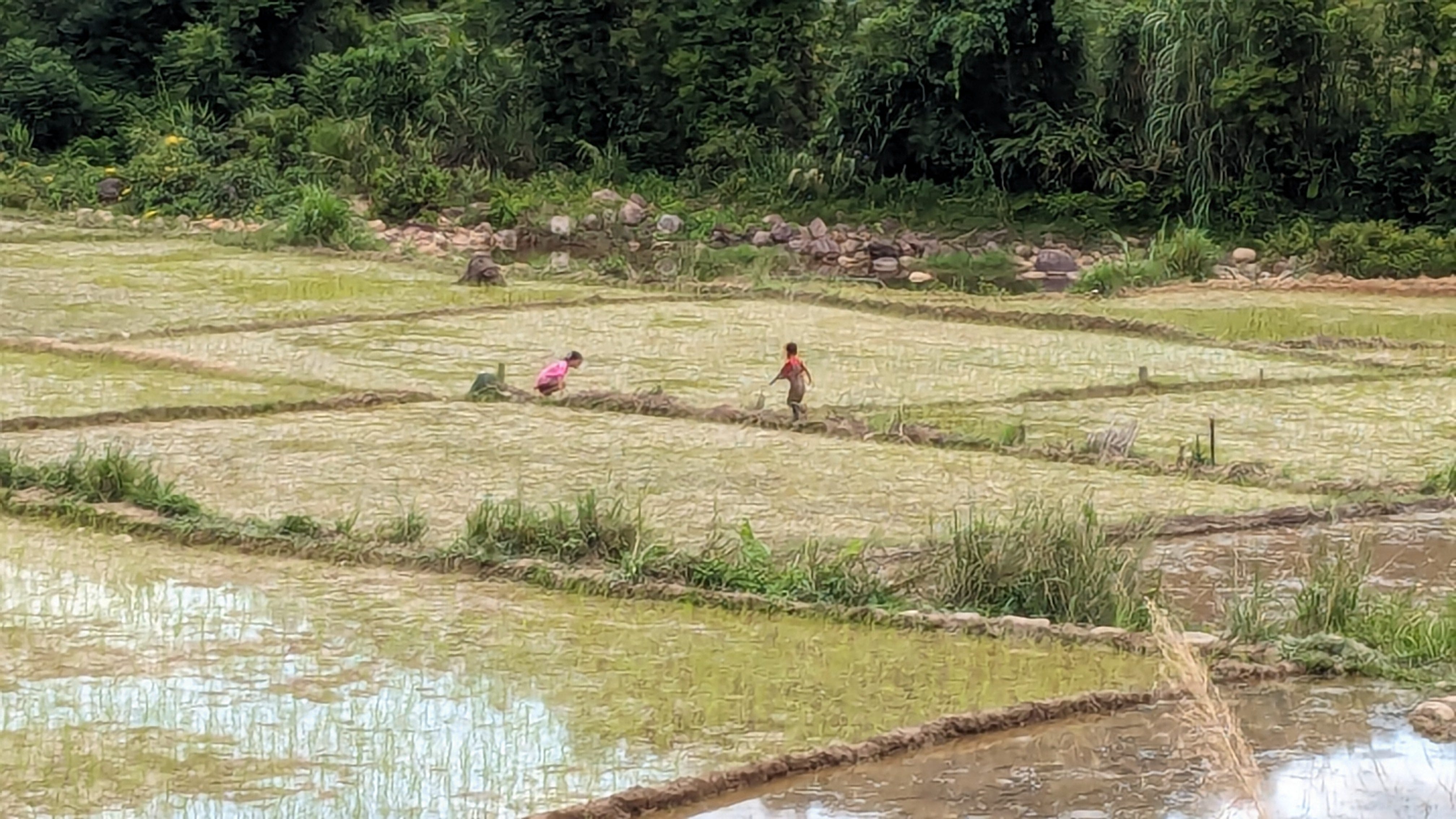
From a culinary science perspective, rice noodles are fascinating because rice lacks gluten. While Western pasta relies heavily on the gluten component to achieve elasticity, rice noodles rely entirely on the precise gelatinization of rice starch during the steaming and cutting process to hold their shape. This chemical process gives them a distinct, delicate tenderness and a clean profile that allows accompanying broths to shine.
As a wonderful side benefit, this makes the vast majority of Southeast Asian noodle dishes a natural haven for the gluten-intolerant people of the world. Among these, round rice vermicelli (bún) holds a special place in my heart. It has a distinct, subtle tang due to a slight fermentation process before the rice paste is extruded. It serves as the perfect, light carrier for absorbing the smoky sweet and savory fish-sauce-based broth of bún chả—a grilled pork masterpiece native to Hanoi.
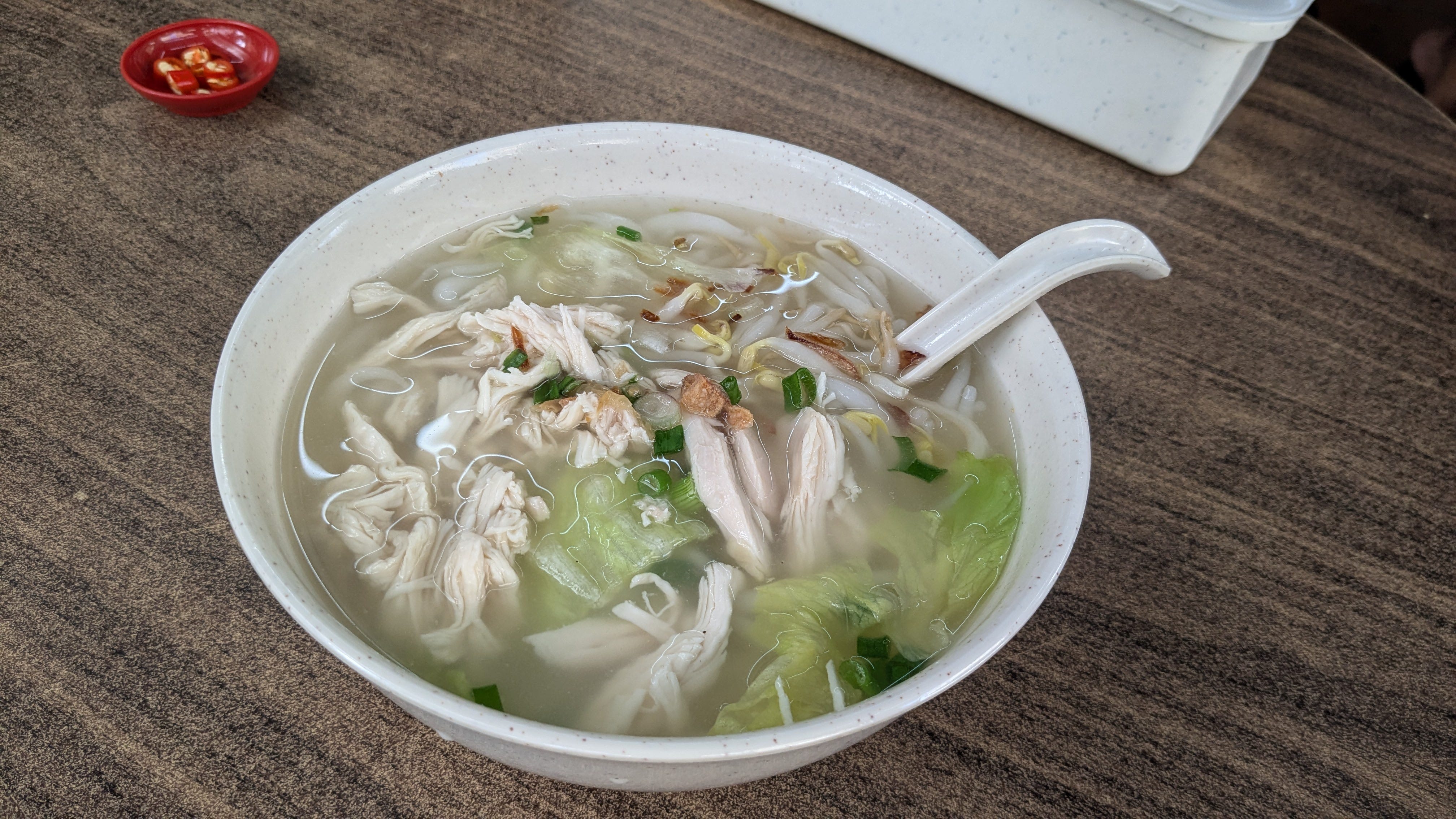
The Northern Champions: The Art of Wheat and Egg
While rice dominates the tropical, water-rich south, wheat noodles are the major players in the northern parts of Asian countries. Wheat is naturally suited to cooler, more temperate climates, making it the dominant grain in Northern China, Japan, Korea, and parts of Central Asia.
Wheat flour contains gluten, which unlocks an entirely different aspect. The structure of wheat allows the dough to be stretched, pulled, spun, kneaded, and rolled, and this elasticity makes wheat a highly creative and theatrical component of cooking showmanship.
When you add egg to the wheat mixture, the culinary profile shifts again. Egg noodles offer increased nutritional value, a rich yellow coloring, and a sturdy structure capable of standing up to heavier, richer, and oilier dishes.
On the minimalist end of the wheat spectrum sits Japanese udon. If you ever wondered exactly what gives udon its iconic status, its beauty lies in its absolute simplicity, since it has but three basic ingredients—wheat flour, water, and salt—and the magic is entirely in the kneading and aging process. The result is a thick, clean, stark white noodle with a dense, deeply satisfying chew.
Roots, Tubers, and Beans: The Translucent Revolution
Beyond grains, Asia has mastered the art of extracting starch from roots and legumes. Among these, glass noodles (also known as cellophane or bean thread noodles) are a personal favorite.
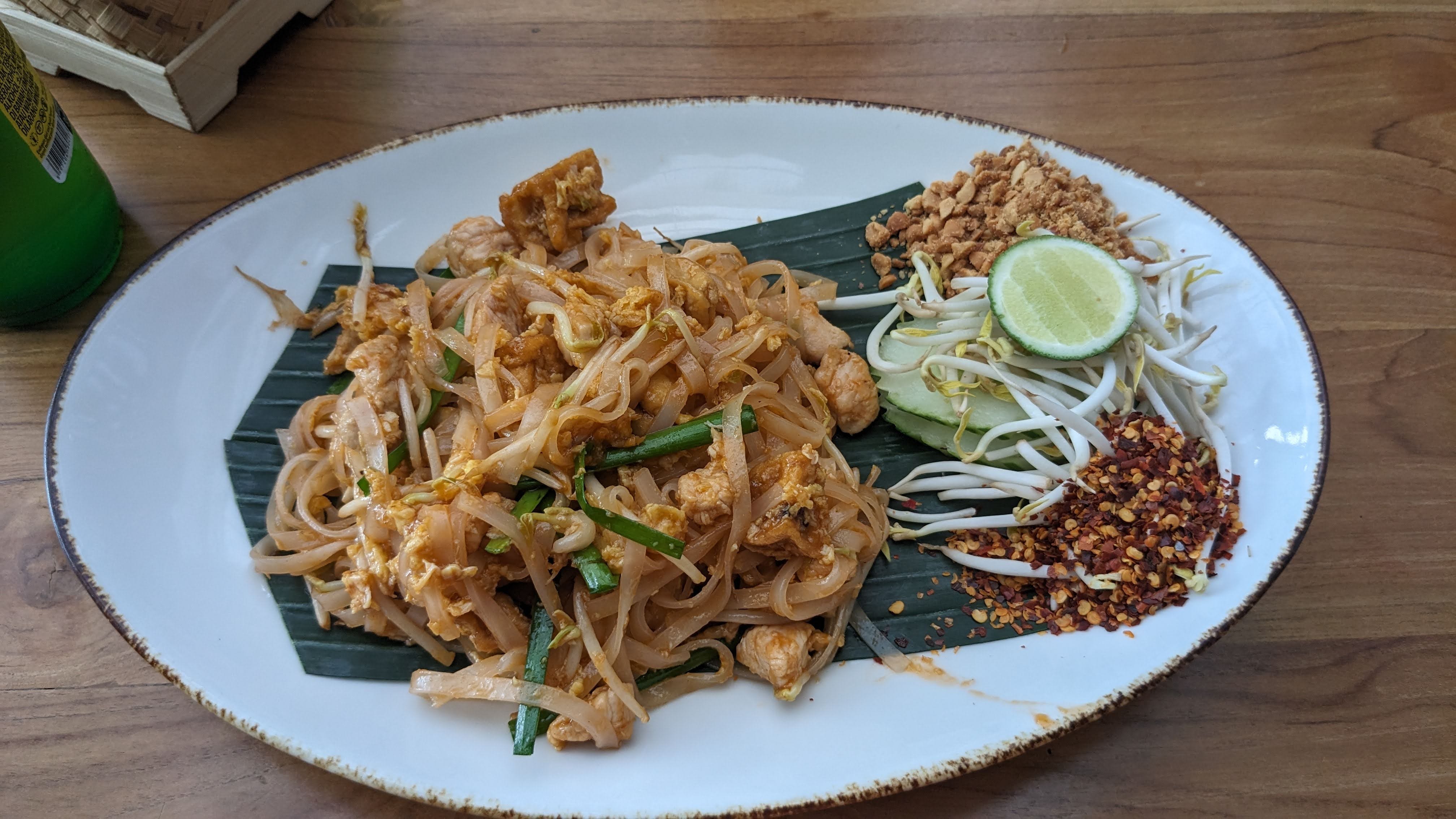
Instead of grains, these are made from the starches of various tubers and roots, including sweet potatoes, ordinary potatoes, and canna root. The extraction and drying process creates a noodle that is completely clear when cooked. They are incredibly chewy, boast a slippery texture, and are good at absorbing heavy broths, stir-fry sauces, and sesame oils without ever getting soggy or mushy. And they make a mean Pad Thai!
Soybeans and mung beans also play a massive role in the Asian noodle ecosystem. We are all familiar with tofu, which started as simple soybean curds and remains one of the world’s best sources of plant-based protein for those avoiding meat and fish. But when mung bean starch is isolated, it creates some of the finest, most delicate glass noodles available.
Let us not forget buckwheat, a pseudo-cereal hardy enough to grow in poor alpine soils. When ground down, it creates the earthy, nutty flavor profile of Japanese soba noodles, often served chilled on a bamboo mat with a delicate dipping sauce.
A Global Perspective: The Grain Trade and the Specialty Gap
Diets and food cultures vary dramatically all over the world, but it is fascinating to see how certain base ingredients are shared globally. The real magic, however, lies in exactly what is done with those base ingredients based on cultural traditions.
Consider wheat. It is America’s biggest crop, and the United States stands as one of the top agricultural powerhouses in the world. But how is that massive harvest utilized? Interestingly, about half of the wheat grown in the US is used domestically—much of it going toward livestock feed—while the other half is exported across the globe. The old geopolitical clichés used to proclaim that “America is the world’s policeman,” a statement that may still carry weight, but the safer agricultural cliché is that “America feeds the world.”
The same surprising dynamic applies to rice. We rarely think of the United States as being a major rice producer—I certainly didn’t, yet, the US grows roughly 20 billion pounds of rice annually. Just like wheat, about 50% of this yield is exported to international markets, while the remainder satisfies domestic demand.
However, what the Western hemisphere lacks in its mass-production model is the delicate variety of specialized aromatic rice that defines Asian dining, like Jasmine rice, from Thailand, or the nut-flavored grains of Basmati rice, which comes from the foothills of the Himalayas in India and Pakistan. These varieties are not just food; they are heritages preserved over generations.
The Living Breadbasket
So many things in daily life are taken completely for granted, especially the fundamental question of where our food comes from. In the West, food often appears on a supermarket shelf, divorced from its agricultural origins.
In Asia, however, the source is impossible to ignore. Rice fields abound across the landscape, stretching out in brilliant green terraces that double as major international tourist attractions, from Ubud in Bali to Sapa in Vietnam. Between rice and noodles, probably 80% or more of all Asian dishes feature one or the other as the primary component, and Asia stands as a massive, self-sustaining breadbasket—or more accurately, a noodle-bowl—for the entire planet.
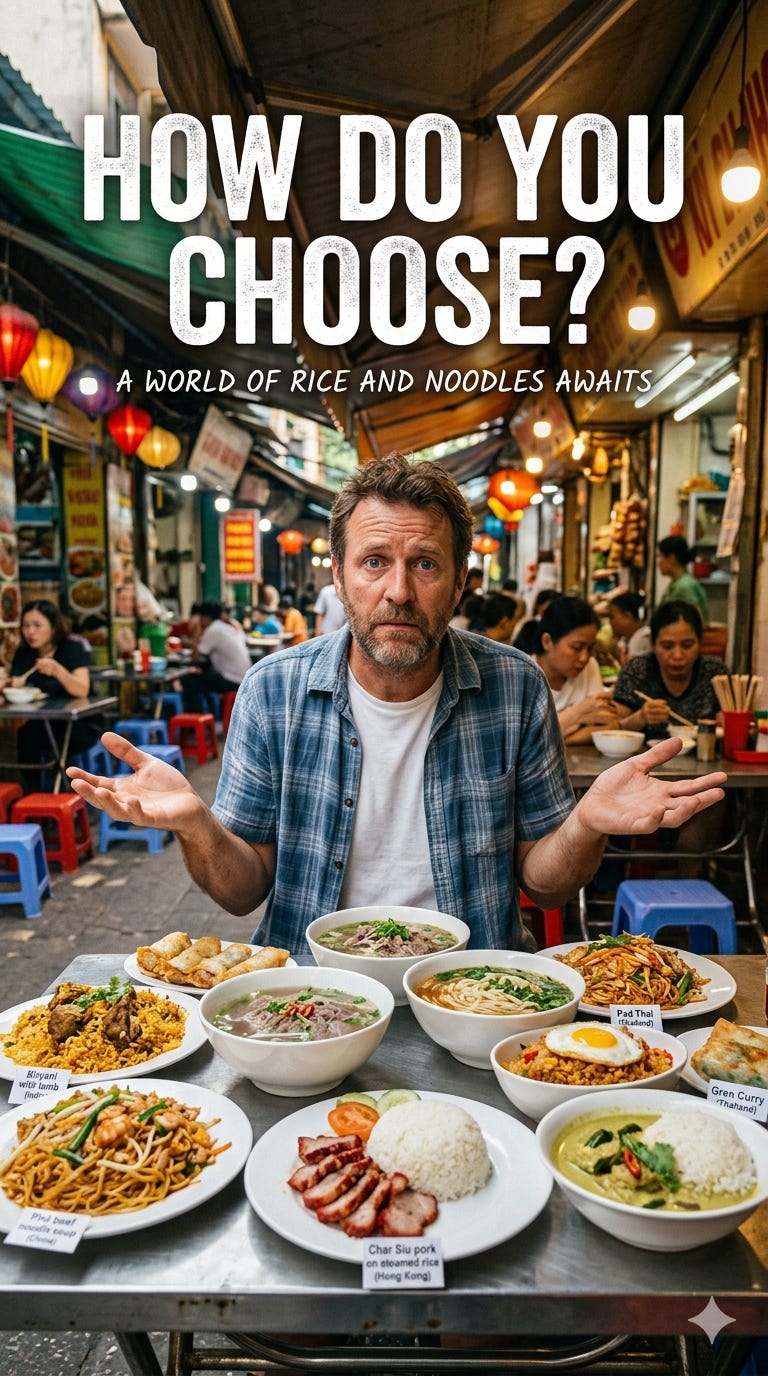
Ultimately, whether it is an ancient well-water recipe in a small Vietnamese town, a hand-pulled wheat noodle in Northern China, or a fragrant bowl of Himalayan basmati rice, the message is clear: never assume they are all the same. Every grain and every strand holds a world of flavor waiting to be discovered.
Comments
Nothing yet. Say the first thing.
Sign in to join the conversation.