Exosomes are nano-sized extracellular vesicles (about 30-200 nm) that bud from endosomal membranes and are released by almost every cell type. 6 Because they are enclosed by a lipid bilayer and carry proteins, lipids and various RNAs, exosomes act as messengers between cells and can be harvested from blood, urine, milk or cultured cells. In regenerative medicine, purified exosomes have emerged as…
RNA signals are shaped by where transcripts are in their lifecycle 1 . In eukaryotic cells, RNAs are transcribed and processed in the nucleus, then exported to the cytoplasm by the nuclear pore complex 2 . Exported molecules include messenger RNAs (mRNAs), ribosomal RNAs (rRNAs), transfer RNAs (tRNAs), small nuclear RNAs (snRNAs), micro RNAs (miRNAs), miRNAs, long noncoding RNAs (lncRNAs) and…
Antibiotic resistance is a growing global crisis. With the rise of drug-resistant bacteria, infections that were once easily treated are now resurfacing as serious medical challenges. As concerns about antimicrobial resistance continue to rise, scientists are turning to an old alternative with new potential: phage therapy. To understand how this treatment works, we first need to look at what…
What is NIPT? Fetal congenital malformations are the leading cause of perinatal mortality and morbidity, often stemming from chromosomal or genetic abnormalities such as aneuploidy, translocations, duplications, and deletions, which occur in 1 in 150 live births. Invasive diagnostic tests like chorionic villous sampling (CVS) and amniocentesis, followed by karyotyping or comparative genomic…
In the rapidly evolving field of molecular diagnostics and precision medicine, exosomes and their cargo have emerged as critical disease biomarkers. These tiny extracellular vesicles, found in bodily fluids like serum and urine, offer valuable insights into gene expression, disease progression, and therapeutic response. However, isolating them with precision remains a significant challenge. Enter…
Pancreatic cancer (PC) is one of the most aggressive and challenging cancers to treat, accounting for a significant proportion of cancer-related deaths worldwide (Yang et al., 2024). With a five-year survival rate of just 13%, largely due to late diagnoses and resistance to conventional treatments, pancreatic cancer remains a formidable opponent in the fight against cancer (National Cancer…
Colorectal cancer (CRC), also known as bowel cancer, is one of the most common cancers worldwide. Affecting the colon or rectum, it often begins as noncancerous growths called polyps, which can become cancerous over time. Early detection and treatment are crucial to improving survival rates. This comprehensive guide will explore colorectal cancer's symptoms, causes, risk factors, diagnostic…
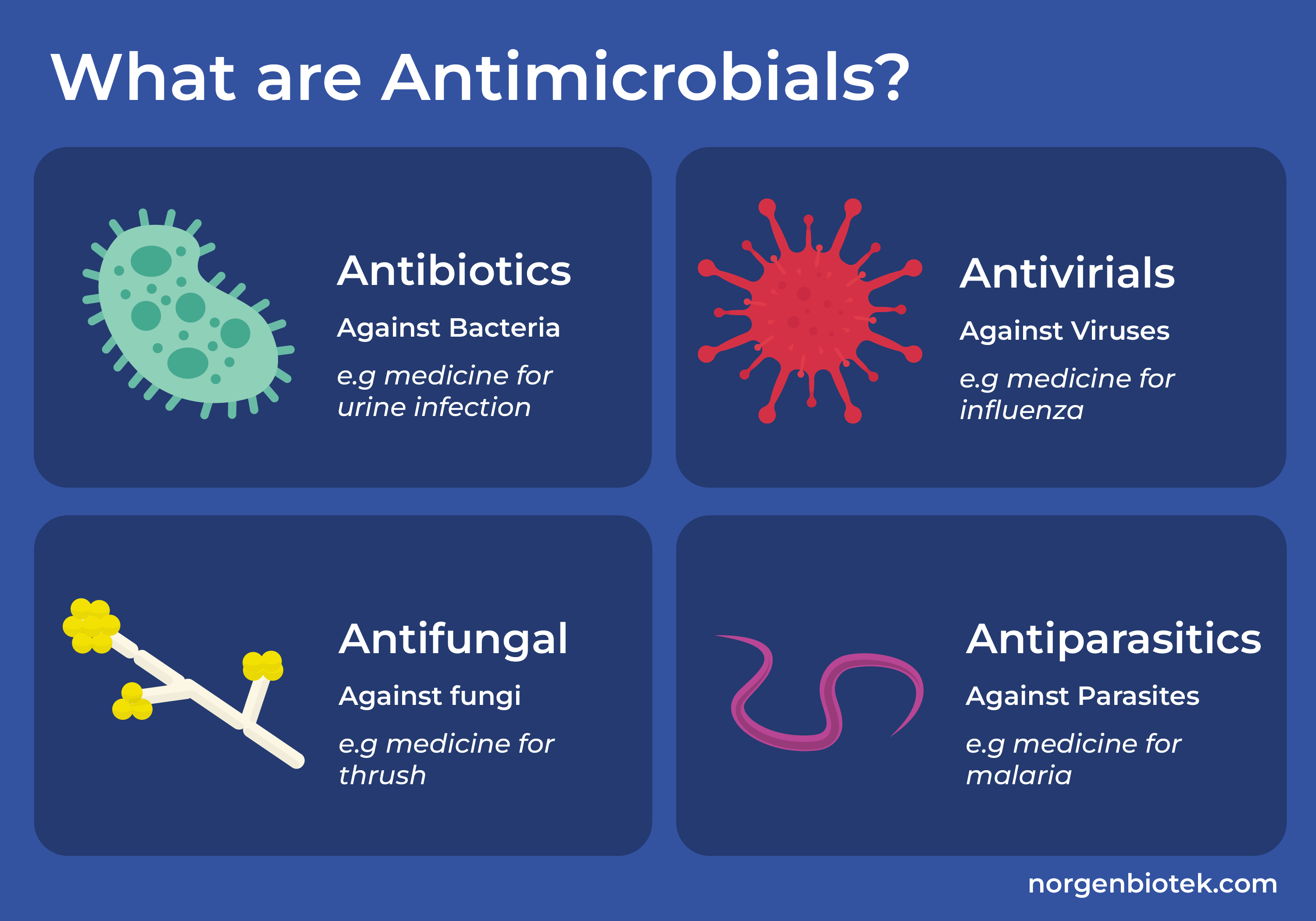
A recent study estimates that superbugs could potentially kill up to 40 million people by 2050. 1 The World Health Organization deemed antimicrobial resistance (AMR) one of the top global public health threats. But what exactly are superbugs and how do they come to exist? To answer that we need to first understand what microbes are. What Are Superbugs? What Are Microbes? Microbes are tiny living…
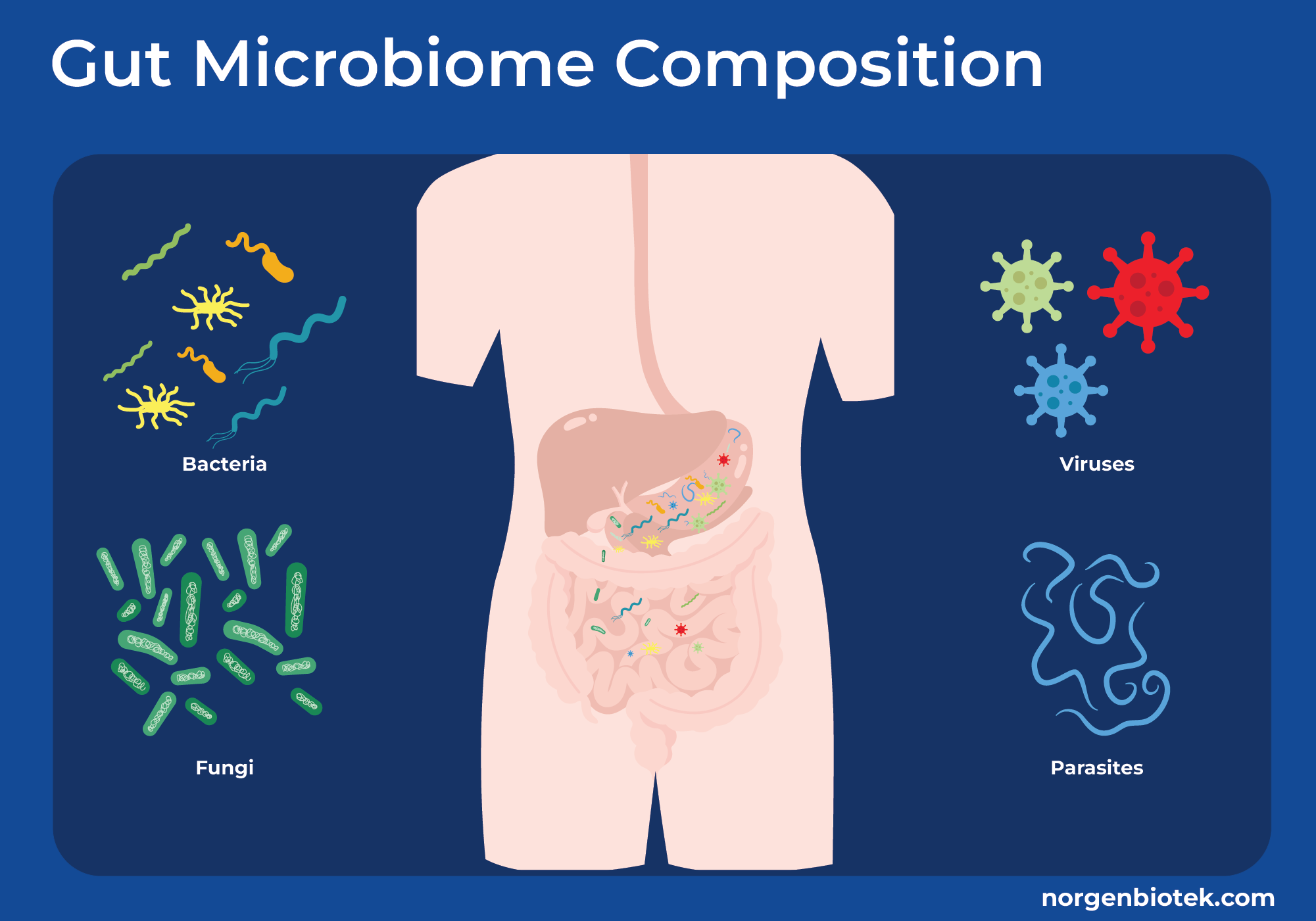
Over the past few years, there has been a lot of talk and numerous studies published surrounding the relationship between the gut microbiota and overall human health. Recently, studies have shown an association between the gut microbiome with obesity, type 2 diabetes, colorectal cancer, and more. 1 Let's first discuss what the gut microbiome is made of. The gut microbiome is comprised of 10-100…
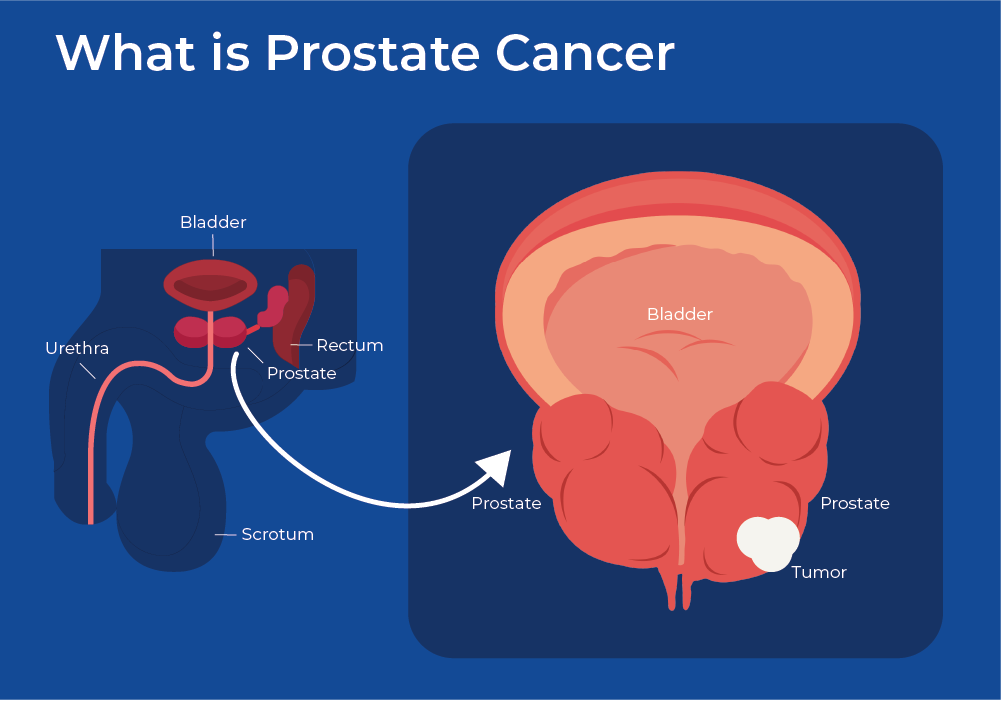
Cancer is the second leading cause of death in both men and women worldwide. In 2020, 1.41 million people were diagnosed with prostate cancer worldwide. 1 With over 300,000 deaths caused by prostate cancer in 2022, early detection is crucial for reducing mortality. 14 Recently, exosomal RNA has garnered significant attention as a source of potential biomarkers for early detection of cancer such as…



__PR.png)