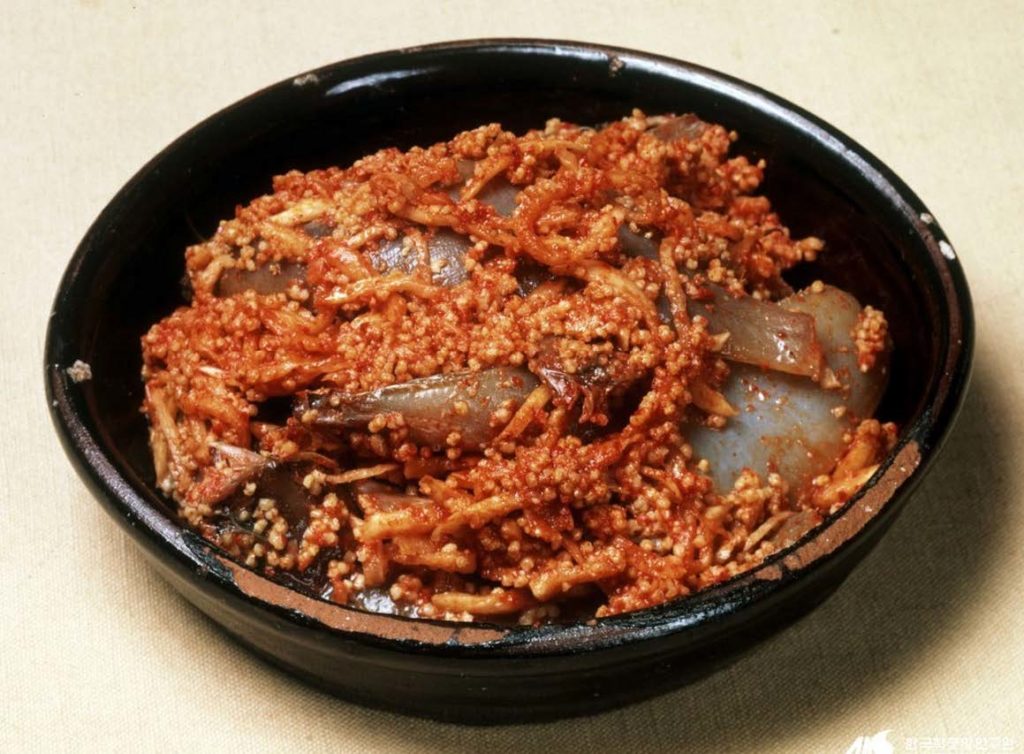
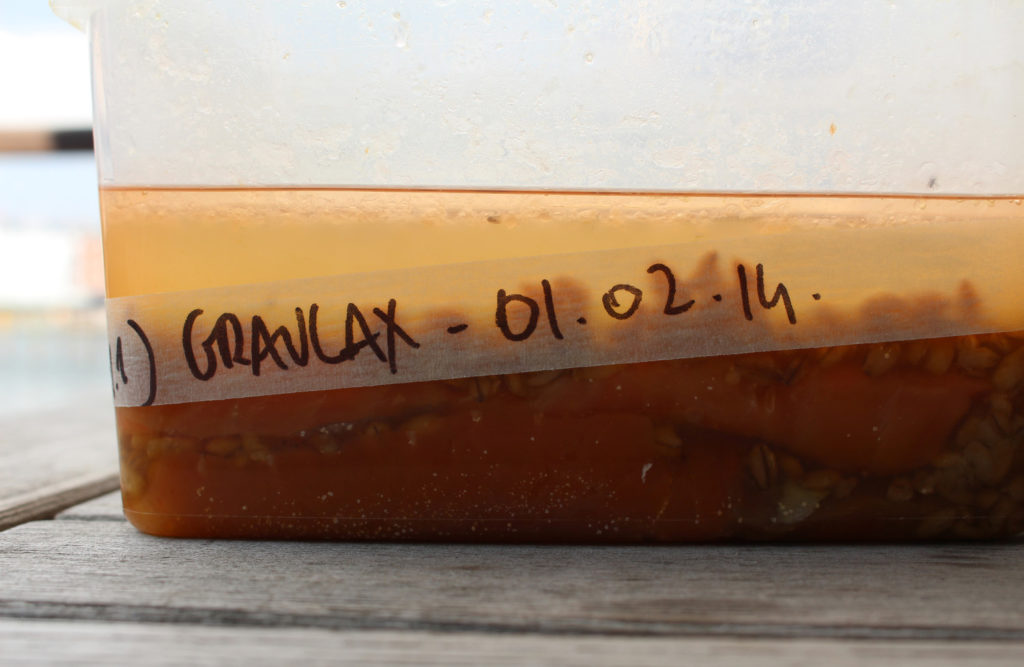
Researcher: Youngbin KimStart date: 03.04.2014End date: 28.08.2014 OverviewSik-hae is a Korean traditional fermented fish product with flounder, cooked grain, red chili powder, garlic, and sometimes with vegetables and malt extract. I experimented with developing a similar technique for flounder here in Denmark. I used a mixture of cracked barley and cracked rye for the cooked grains, horseradish…
by Guillemette Barthouil One of our great sources of inspiration are the food cultures of East Asia. Our exploration of umami taste, for example, has made us rediscover the wildness of our own region’s fermentations. The bridges between these cultures are not only contemporary, but can also be traced down through history. While looking into these foodways, an unexpected similarity arose between…
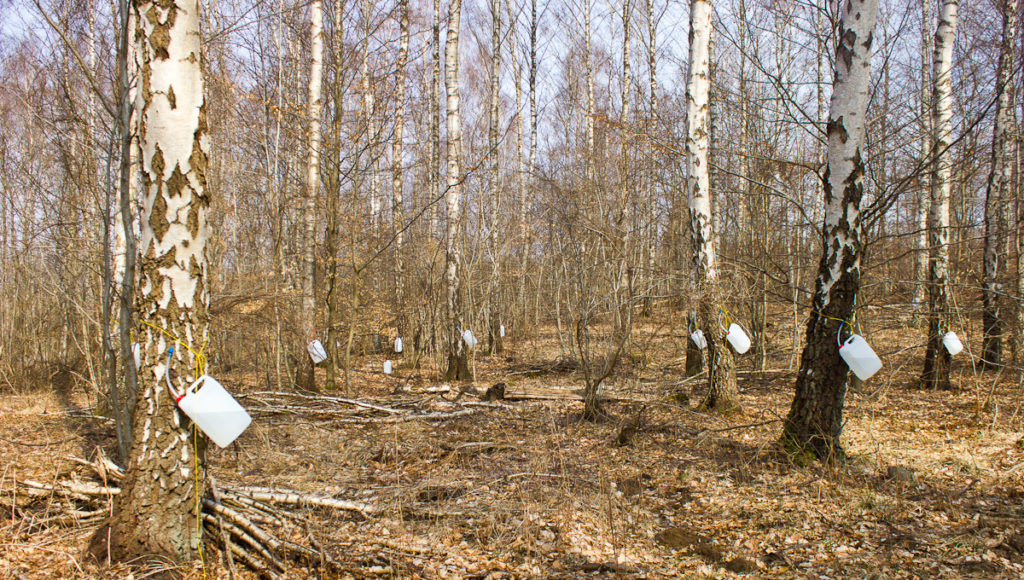
by Anna Sigrithur & Avery MacGuire Overview This post explores the Scandinavian traditions of using tree bark flours in cooking—in particular the use of birch and pine barks in the cuisines of indigenous Sami culture. Birch Papery white bark, long lean trunks with eye-like knots, the warming sweet smell of the sauna – birch trees (both Betula pubescens spp. and B. pendula spp.) are an iconic…
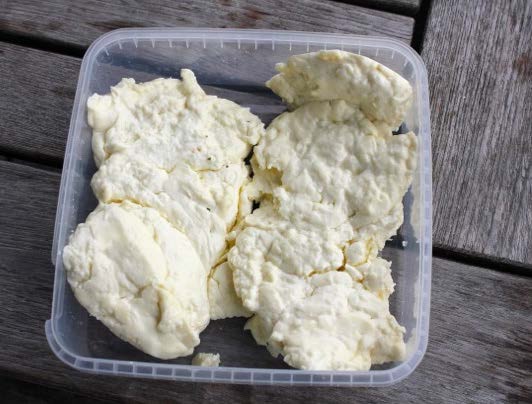
posted by Justine de Valicourt The Quebecois love their squeaky cheese. All those French speakers in eastern Canada know these very fresh cheese curds that whine surprisingly under the teeth. The worst part? Translated directly, these delicacies are called “cheese shit”, from the Quebecois “crottes de fromage”, because of their appealing shape. They are also the key ingredient in a typical…
posted by Sebastian Moreno Henao As a Latin American, cebiches are very familiar to me. There are many varieties, from México to Chile, across Honduras, Guatemala, Ecuador, Colombia, Peru, and many other places as well. It is the same with its etymology. A lot of theories have been proposed. One of them says it comes from a Spanish word: “cebo” which means “bait”, probably because of its…
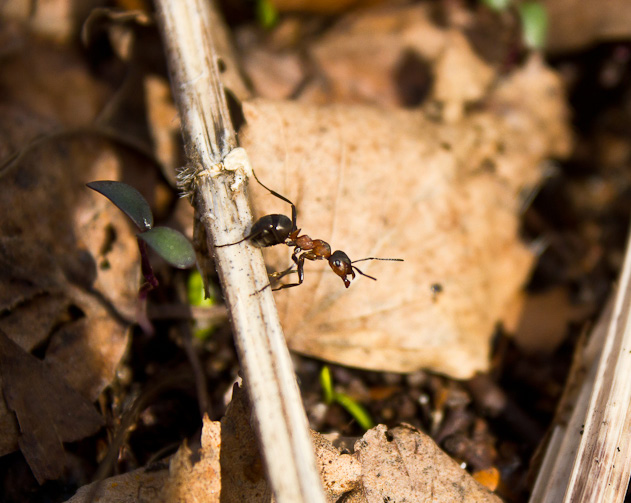
Recipe development for our Pestival menu, by Josh Pollen – one half of Blanch & Shock and one third of London Research Kitchen To consume an ant is an almost absurd study of scale. There may be no smaller legged creature eaten as a principal ingredient, yet the ant’s size belies the intensity of its taste. A wide variety of the12,500 recognised species ofthe Formicidae family are eaten in cultures…
Researcher: Alec Borsook Overview Alkali cooking techniques are largely underexplored in contemporary kitchens. This post is a basic overview of what alkalis are, what they do, and how they can be useful.A notable fact is that calcium hydroxide (Ca(OH)2), one common alkali, can be made quite easily in kitchens by burning eggshells, whose calcium carbonate is then converted into calcium oxide…
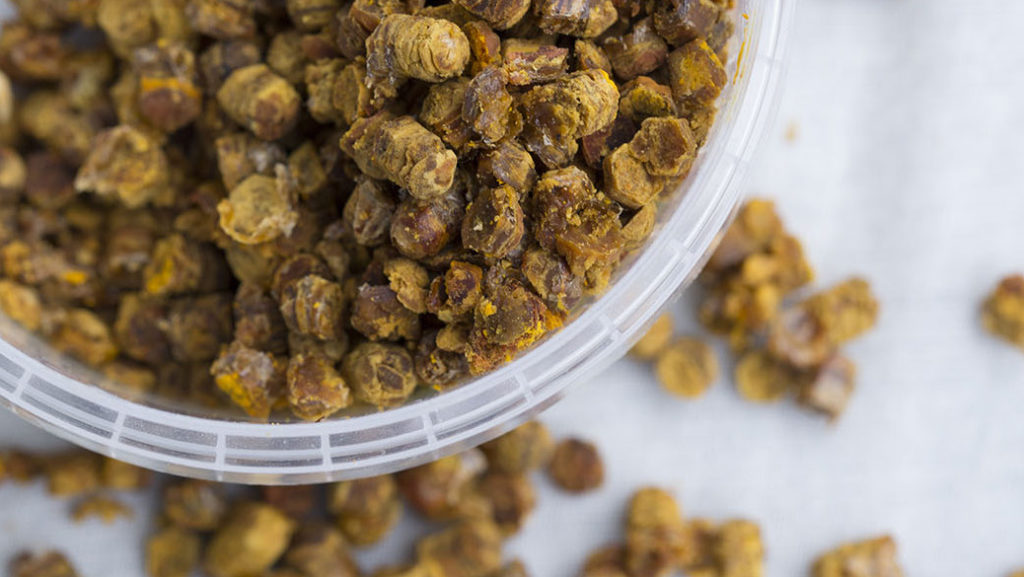
by Josh Evans Honeybees (Apis mellifera) have mastered feats of chemical engineering as various as they are alchemical. Their most well-known substances are of course honey, their concentrated, stable, hive-warming energy source, and wax, their pliable, moisture-proof structural material. Yet there are others which nowadays are known primarily only to beekeepers and practitioners of traditional…
by Avery McGuire Spring is upon us. The sky is a vast and brilliant blue. The sun is bright and blinding, and lingers longer each evening. Flowers speckle the first grass with yellow, white and periwinkle. The air is sweet with new life. The city is awake. People are out, their cheeks blushed, wrapped in blankets with hot coffee or cold beer in hand, soaking up every golden drop of sun no matter…
by Ben Reade. This paper was first published in ‘Wrapped and Stuffed: Proceedings of the Oxford Symposium on Food and Cookery 2012′. The complete Proceedings is available from Prospect Books; a video recording of the presentation of this paper can be found here (starting at 33 minutes), and a podcast about it here. People dig for peat. Once dry, this peat burns hot and lets off an evocative smoke…