
I didn’t know I could miss the sky.
Today, the smoke from the Canadian wildfires is so dense over New York that it feels like there’s a layer between me and the sun. The air is heavy, and so is the feeling.
Climate change will manifest as a series of disasters through phones with footage that gets closer and closer to where you live until you’re the one filming it.
Can I take my child outside?”
“Is it safe to walk my dog?”
“Should I exercise today?”
“How dangerous is this?”
I observed that nearly all of these questions weren’t truly about the smoke itself but focused on uncertainty. Uncertainty has emerged as one of the most defining emotions of our era. One week it’s wildfire smoke, the next it’s a heatwave, then we’re told not to swim in the ocean because of bacteria, or to avoid certain foods because of contamination.
We hear about parasites, mosquitoes carrying new diseases, and tick-borne illnesses. Until now, you thought you were making a healthy choice if you ate lettuce; suddenly, now it’s your enemy.
Extreme weather events generate constant headlines and warnings, highlighting invisible risks we need to consider. It’s no surprise that many people feel overwhelmed.
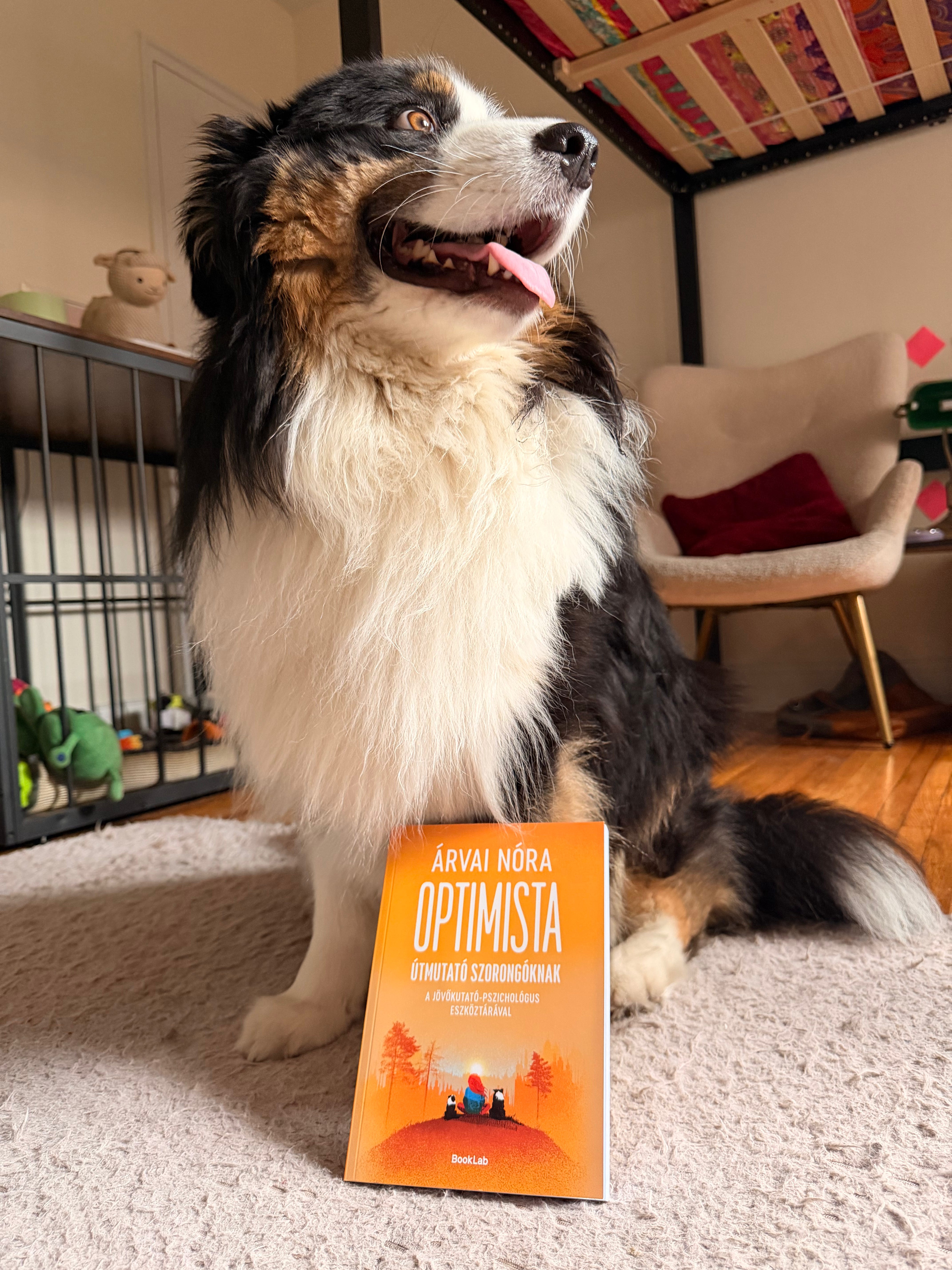
As both a clinical health psychologist and someone researching the future of healthcare, I think we’re witnessing something much bigger than a few smoky days. Many of us are beginning to experience what psychologists call climate anxiety—a topic I dedicated an entire book and program to because I suspected years ago that it would become increasingly relevant.
The truth is that environmental threats are no longer abstract concepts happening “somewhere else.” They are showing up outside our windows.
The short answer is yes, but proportionally. Wildfire smoke isn’t merely smoke; it contains tiny particles known as PM2.5 that can penetrate deep into the lungs and even reach the bloodstream.
You may notice:
burning or watery eyes
coughing
a sore throat
headaches
unusual tiredness
chest tightness
shortness of breath
People living with asthma, COPD, heart disease or other chronic health conditions may experience worsening symptoms. Pregnant women, young children, and older adults are also more vulnerable.
On days when the Air Quality Index is poor:
reduce the time you spend outside
postpone intense outdoor exercise
keep windows closed if possible
use an air purifier if you have one
wear a well-fitting N95 mask if you need to be outdoors (usless to wear other kind
check the Air Quality Index rather than judging the air by appearance alone
If you develop severe breathing difficulties, chest pain, confusion, or symptoms that feel unusual or severe, seek medical care.
The sky doesn't always tell the whole story.
Climate anxiety, health anxiety, panic, stress, worry, fear — these feelings require careful consideration. Having researched the psychology behind healthcare’s future for years, I believe that considering real, evidence-based risks does not constitute a mental disorder.
Checking the air quality before taking your child outside today isn’t a sign of a mental disorder or overthinking. Bringing extra water during a heatwave isn’t a cause for worry. Reading about food safety isn’t abnormal. Thinking ahead isn’t harmful; it’s okay to be aware and prepared.
I sometimes worry more about people who feel absolutely nothing in response to what’s happening to our planet than those who feel concerned.
Please don’t misunderstand me. I’m not saying everyone should live in fear, far from it. But when forests burn on a massive scale, when heat records are broken year after year, when smoke travels across countries, and environmental changes increasingly affect our daily lives, I think some emotional response is healthy.
Concern means we are paying attention.
The goal is not to completely eliminate climate anxiety, but to ensure it doesn’t evolve into feelings of helplessness, what’s more, we shpuld use those concerns of ours to fucing ACT. Do actually DO something.
Stay informed, but don’t doomscroll.
Choose one or two reliable sources instead of refreshing your news feed every fifteen minutes.
Protect your body, hydrate, sleep.
Keep your routines whenever possible.
Move your body when conditions allow, mostly indoors this time.
Spend time with people who make you feel grounded.
Remember that every alarming headline deserves context, not panic.
And perhaps most importantly, accept that uncertainty isn’t a sign that you’re doing something wrong. It’s the environment many of us now live in, a world that is losing its mind. But even if it does, you don’t have to.
Many of you inquired about my activities with Eliott. Honestly, not much has changed—just more quality time indoors. He’s never been a big fan of noisy city streets, so he’s not upset about skipping longer walks. Instead, we’re embracing what I advise during such days: adapting rather than giving up.
Licky mats, snuffle mats, and scent games promote mental stimulation through short training sessions.
Learning new tricks. A bit of service dog work—though, honestly, most of his “job’ is simply watching me all the time. For dogs, mental activity can be as exhausting as physical effort, if not more. Avoid taking your dog for a run when air quality is poor. If breathing becomes difficult for us, imagine running with lungs that are closer to the ground, where particle levels may be even higher. Reserve long runs for days with cleaner air.
I also have to admit something. Watching Eliott so closely these past few days has made me realize, once again, how much I’d love to give him a little sibling one day. I’m seriously thinking about it. Not yet, though. My life, and the logistics that come with it, is still a little too complicated. But I know the day is coming, he won’t be an only child for much longer. Right now, it’s just the two of us, trying to adapt to a world that constantly introduces new challenges.
As a futurist, I often say that healthcare is no longer just about hospitals, medications, surgeries, or technology. Increasingly, it’s about learning how to remain psychologically resilient while the world around us becomes less predictable.
That doesn’t imply you should act like everything is perfect, nor does it mean blowing every headline out of proportion.
It means developing a new skill: Learning how to prepare without becoming consumed by preparation.
I have a feeling this may become one of the most important psychological skills of the next decade.
And if you’ve been feeling overwhelmed lately, you’re certainly not the only one, and my account about the futures of medicine and healthcare is for you.
I authored a whole book and developed a program about climate anxiety years before it entered common dialogue. I genuinely hoped we wouldn’t rely on these tools as much as we do now. One thing I’ve realized is that our aim isn’t to fear the future but to build enough psychological resilience to face it. I am currently translating it into English and working to publish it here, as this information is urgently needed worldwide.
About the Author
Nora Árvai is a clinical health psychologist, lifestyle medicine specialist, and PhD candidate in Medical Foresight. She investigates how psychology, healthcare, technology, and the future intersect, turning complex concepts into practical tools to help people navigate an increasingly uncertain world. Through Nora in New York, she shares essays, research, behind-the-scenes insights, and resources for curious minds who see the future as something we can actively influence, not just passively wait for.
Comments
Nothing yet. Say the first thing.
Sign in to join the conversation.